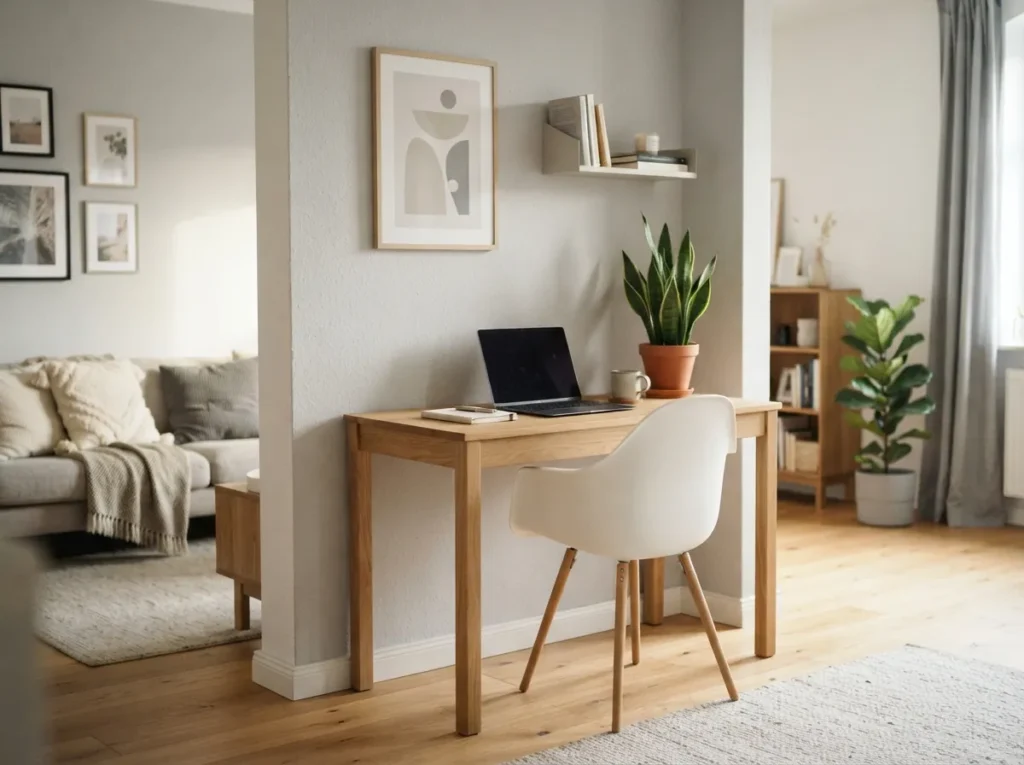
Creating a functional yet minimalist home office in your first apartment without a dedicated study can seem challenging. Discover smart design strategies and space-saving ideas to build an efficient, serene workspace that blends seamlessly into your living area, making the most of every square foot.
Define Your Workspace Zone
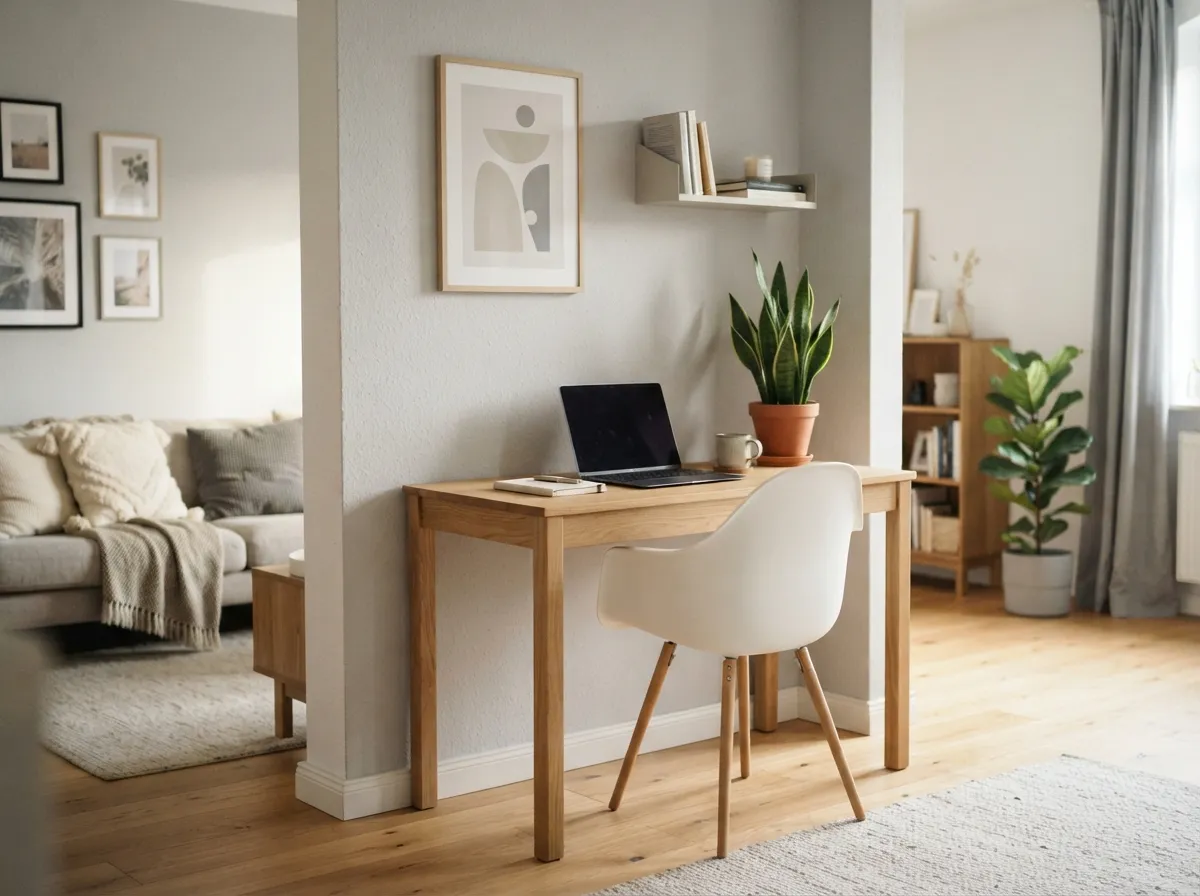
Creating a distinct area for work, even in a compact apartment, is crucial for focus and productivity. Begin by identifying a corner or a section of a room that can be dedicated solely to your professional tasks.
This separation helps mentally delineate your workday from your personal time at home.
Choose a Compact Desk Wisely
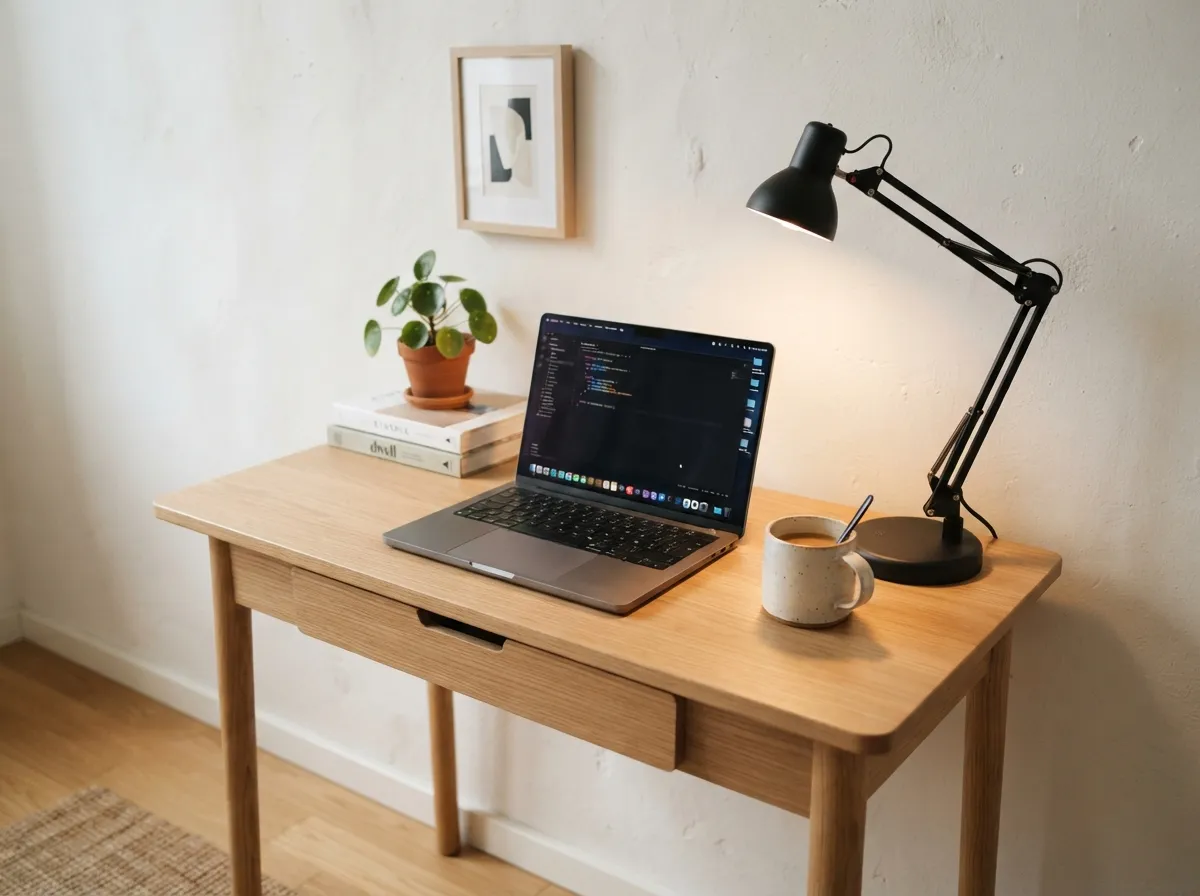
Selecting the right desk is paramount when space is at a premium. Opt for a compact desk with a sleek design that doesn’t overwhelm the room.
Look for features like slim profiles or integrated, shallow drawers that offer storage without bulk.
Opt for a Comfortable, Ergonomic Chair
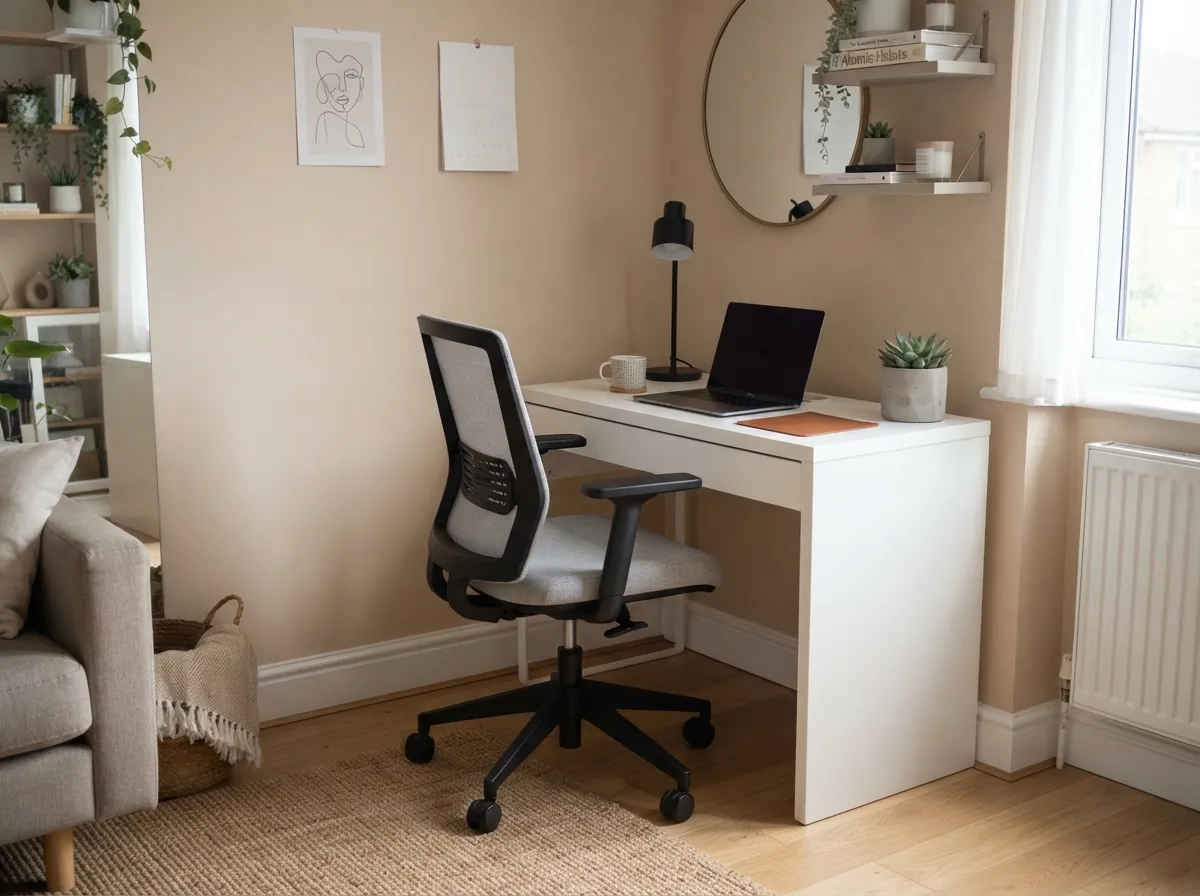
An ergonomic chair is a worthwhile investment, even for a minimalist setup. It ensures comfort and proper posture during extended work sessions.
Choose a model that is both supportive and compact enough to fit neatly under your desk when not in use.
Vertical Storage is Your Friend
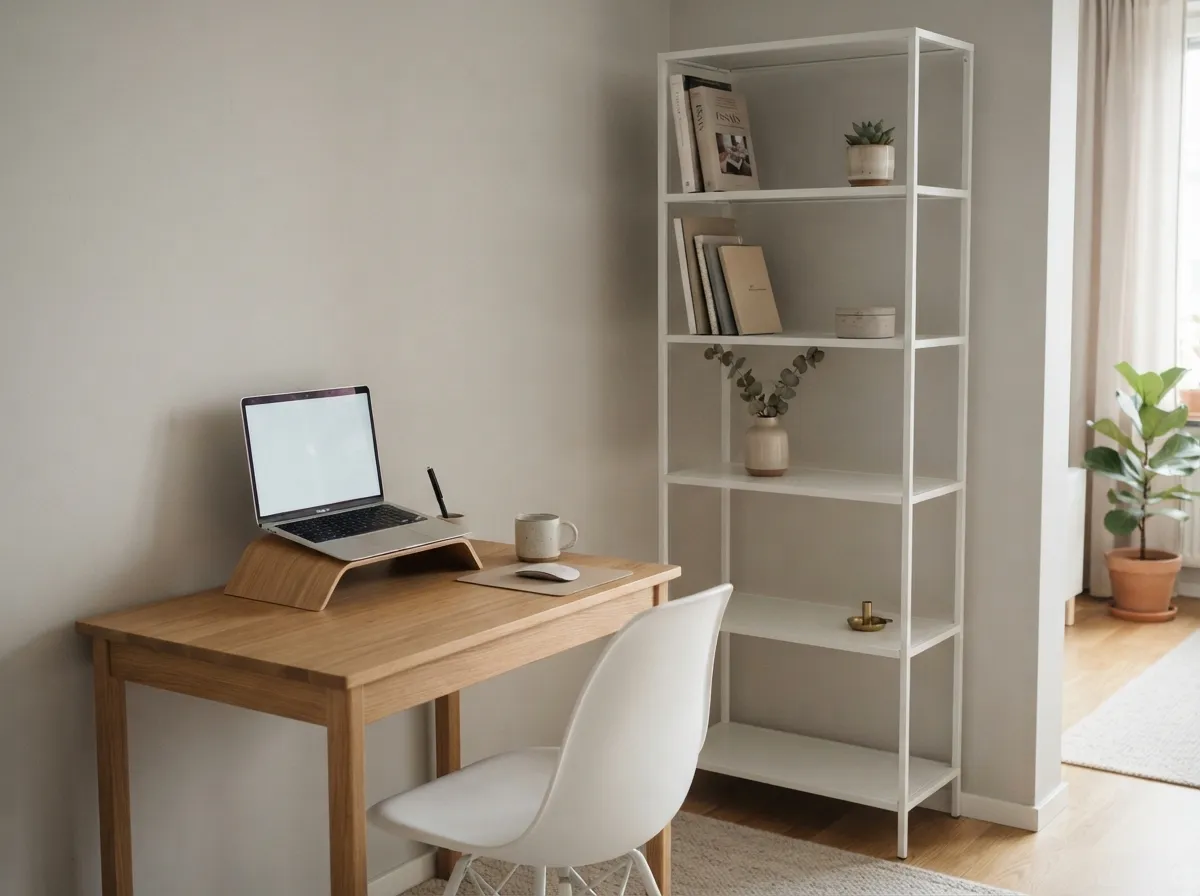
When floor space is limited, the only way to go is up. Embrace vertical storage solutions to keep your workspace tidy and functional.
Slim shelving units or stackable drawer sets can hold supplies and documents without encroaching on your main living areas.
Embrace Wall-Mounted Shelving
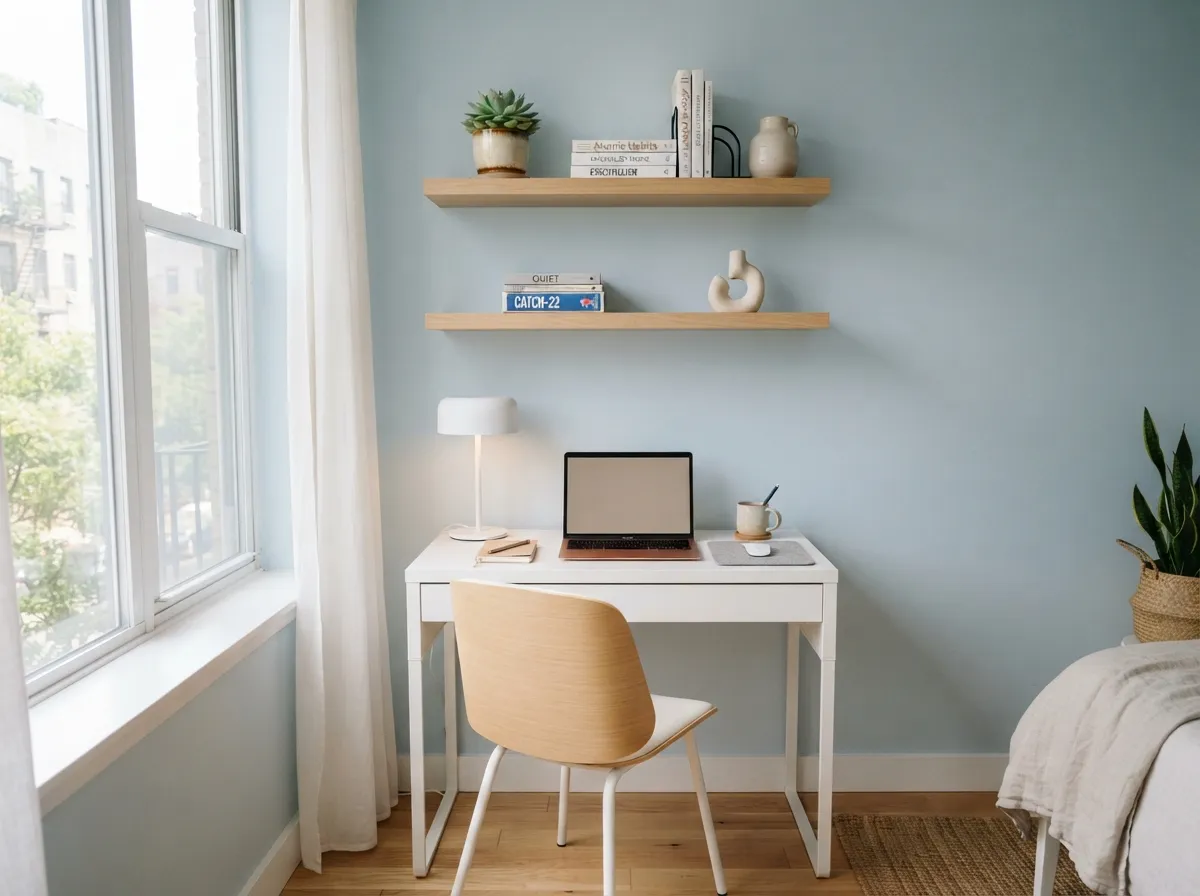
Wall-mounted shelves are an excellent way to maximize storage and display opportunities without taking up any floor space. These floating elements create an airy feel, perfect for minimalist aesthetics.
They are ideal for housing books, small plants, or decorative items, adding personality without clutter.
Utilize Under-Desk Storage Solutions
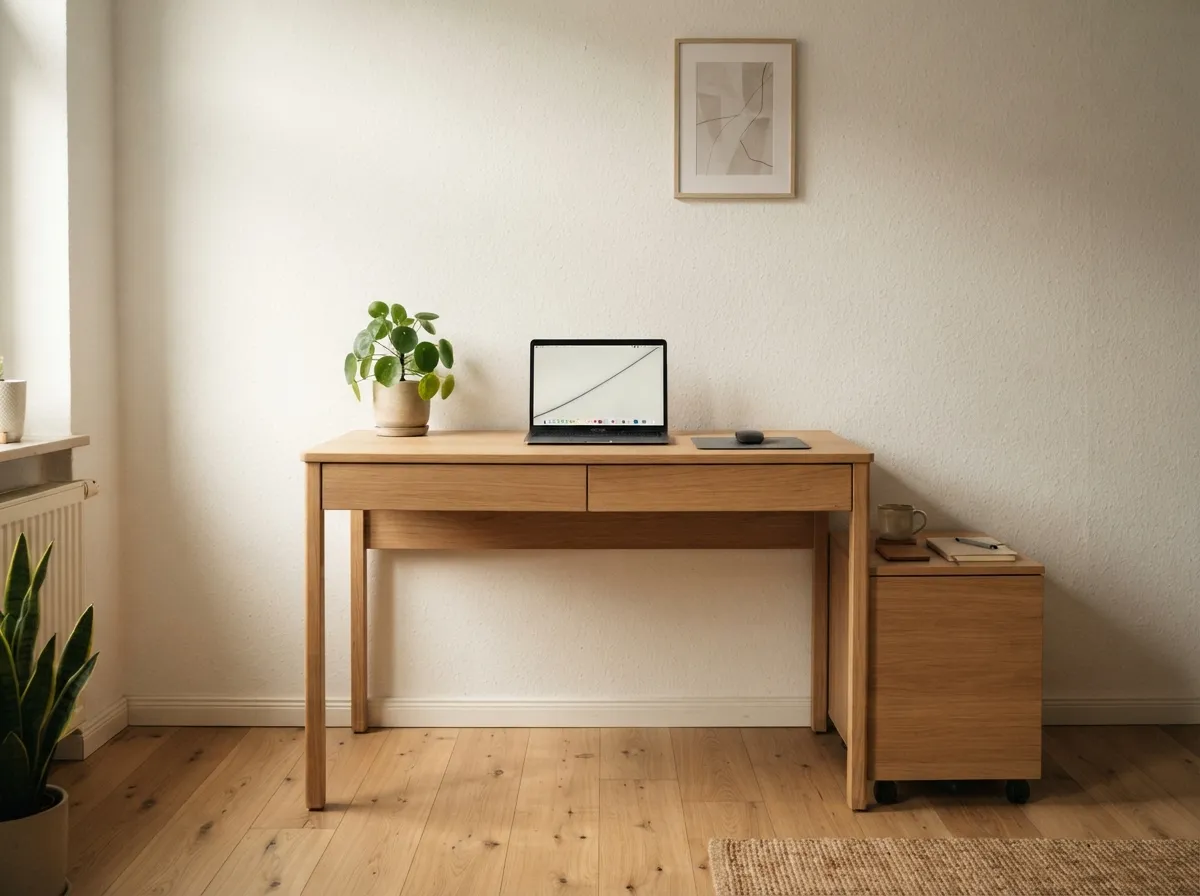
Maximizing every inch of your first apartment is essential, especially when creating a dedicated workspace without a study room. Under-desk storage offers an elegant solution to keep your desktop clear and focused.
This approach ensures your compact home office remains organized and visually appealing.
Consider a desk that integrates discreet drawers directly into its design. These built-in compartments are perfect for stowing away stationery, cables, and important documents.
Alternatively, a low-profile rolling cabinet can slide neatly beneath your desk, offering flexible storage that is accessible yet out of sight.
Opting for pieces in a consistent color palette, like light wood or matte white, enhances the minimalist feel. This strategy prevents visual clutter and contributes to a serene, productive environment.
Such thoughtful storage helps maintain a pristine look, even in a bustling living area.
Select Multi-Functional Furniture
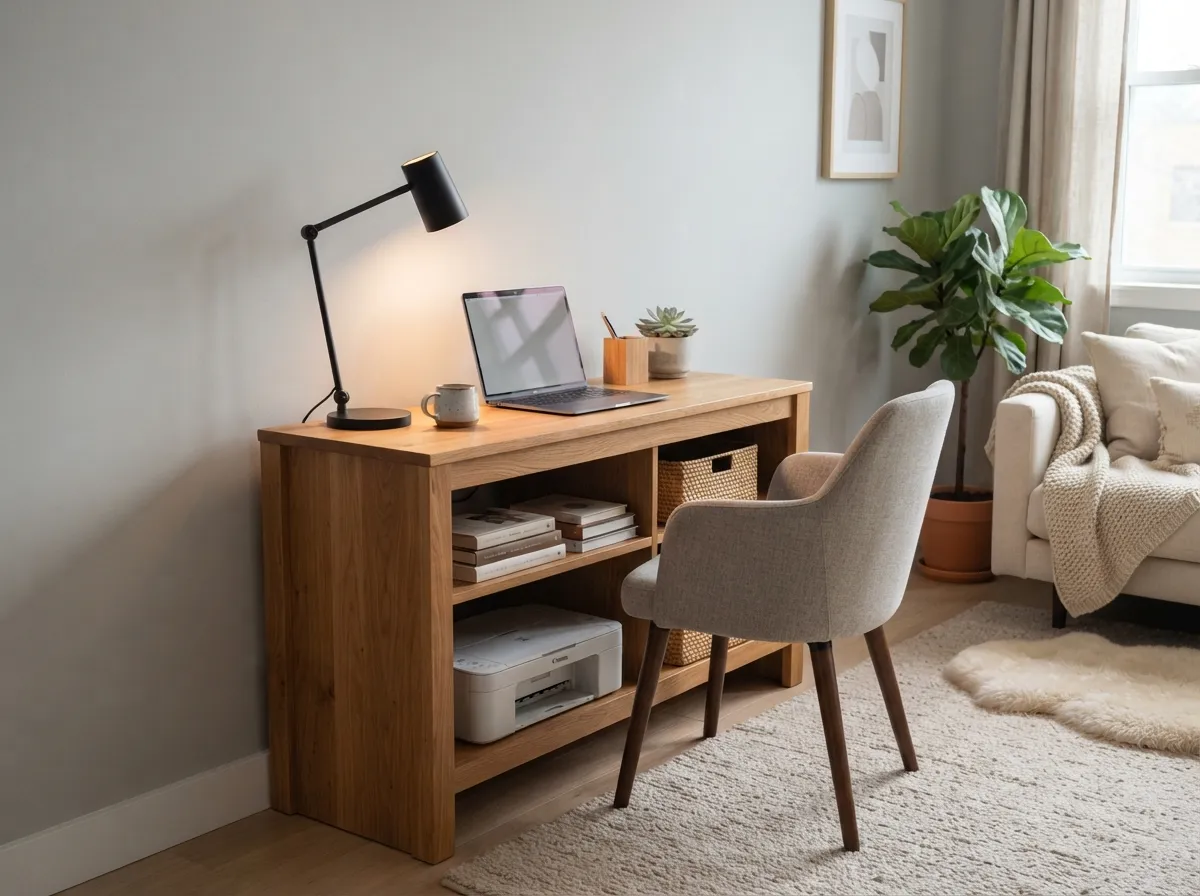
In smaller apartments, every piece of furniture should earn its place by serving multiple purposes. This smart approach allows your home office to blend seamlessly into other living areas, maximizing utility without sacrificing style.
A console table, for instance, can skillfully double as a workstation.
During the day, it provides a stable surface for your laptop and essential work items. In the evenings, it can gracefully transition into a display area for decorative objects or a small lamp.
Similarly, a well-chosen shelving unit can house both your office supplies and personal decor.
This thoughtful selection of items, like a console crafted from warm wood, ensures your space remains efficient. It helps maintain an aesthetic harmony, allowing a single piece to enhance both your productivity and your home’s overall design.
Consider a Fold-Out or Drop-Leaf Desk
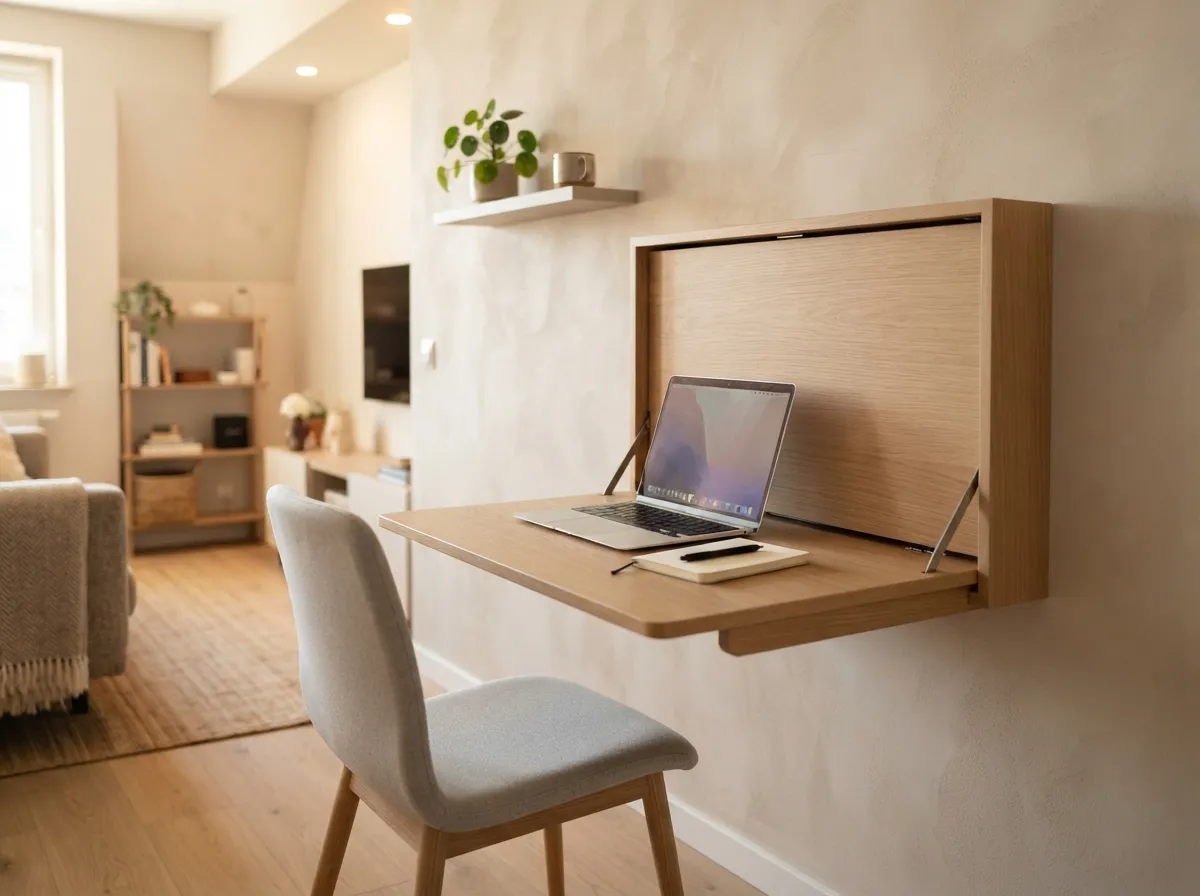
When space is at an absolute premium, a fold-out or drop-leaf desk provides an ingenious solution. These innovative designs allow you to reclaim valuable floor area when your work is done.
They are ideal for apartments where a permanent desk simply isn’t feasible.
A wall-mounted fold-out desk, for example, can appear as a sleek panel when not in use, blending effortlessly with your decor. When needed, it provides a functional surface for your laptop and notes.
Its ability to disappear makes it a champion of minimalist design.
This type of desk, perhaps in a light, natural wood finish, keeps your living space feeling open and airy. It offers remarkable versatility, proving that even the smallest apartment can accommodate a productive workspace.
Incorporate a Rolling Cart for Supplies
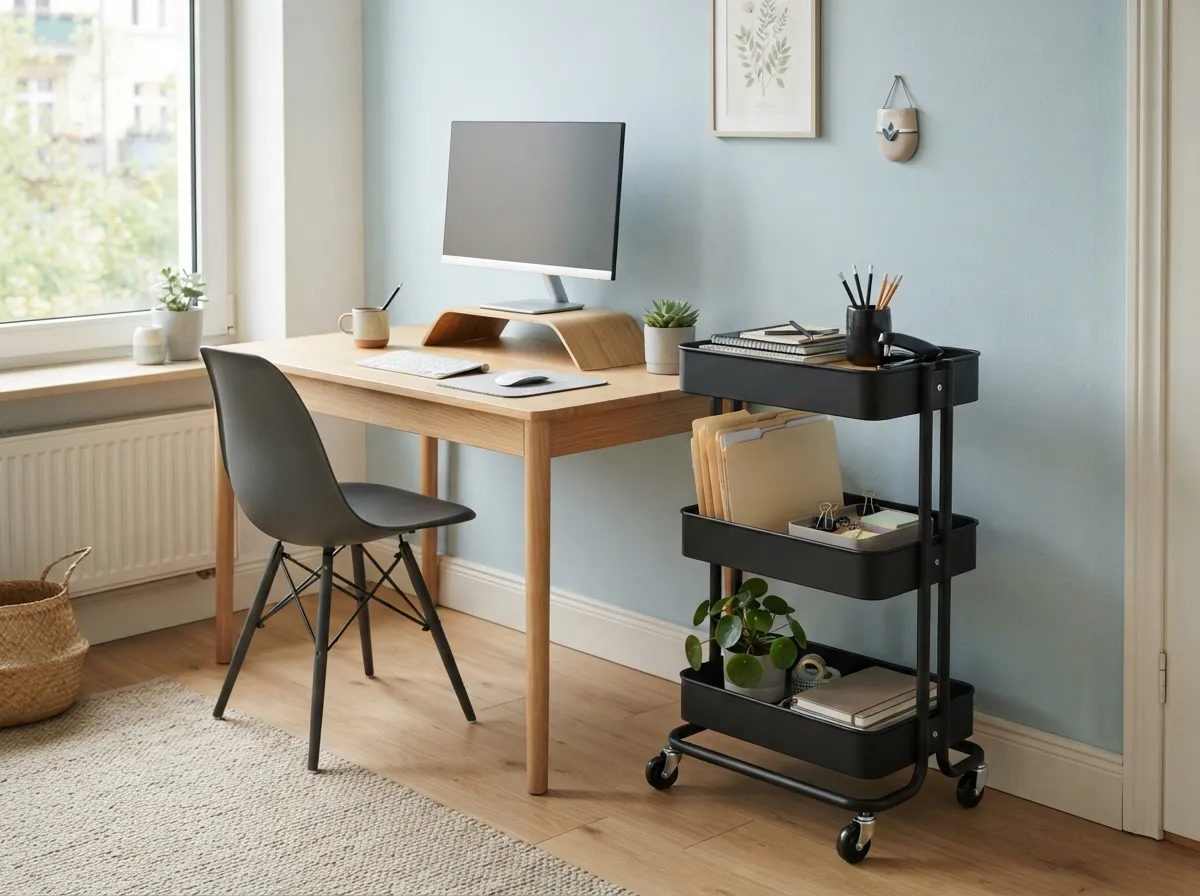
A rolling cart is a highly adaptable asset for any minimalist home office, especially in a compact apartment. Its mobility allows you to bring your essentials wherever you choose to work, from the living room to a quiet corner of your bedroom.
This flexibility is key to maintaining an organized yet dynamic workspace.
Choose a cart with multiple tiers, perhaps in a matte black metal or natural wood finish, to store notebooks, pens, and even a small stack of files. When your workday concludes, simply roll the cart into a closet or an unobtrusive corner.
This keeps your main living areas free from office clutter.
This functional piece ensures that all your necessary items are readily available when you need them. It also allows them to be discreetly stored away, upholding the clean lines and uncluttered aesthetic of your apartment.
Hide Clutter in Stylish Bins
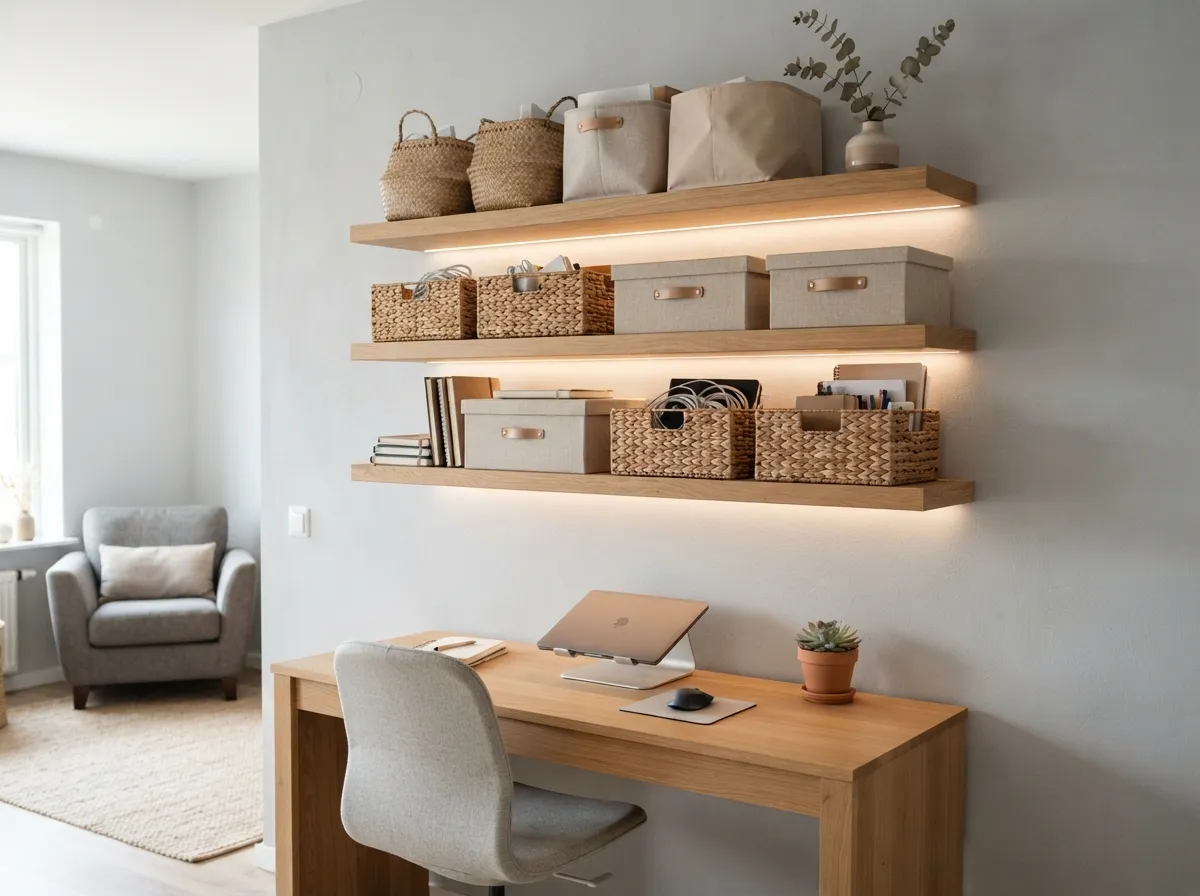
Visual clutter can quickly undermine a minimalist aesthetic, especially in a small apartment. The solution lies in utilizing stylish bins and baskets to discreetly store office essentials.
These items are not just functional; they are integral to your home’s overall design.
Consider woven baskets made from natural materials for a touch of warmth and texture. Fabric storage boxes in neutral tones can also offer a clean, uniform look.
Place these on open shelves or tucked away in cubbies, concealing everything from extra paper to charging cables.
By carefully selecting storage containers that complement your decor, you achieve an organized and visually pleasing environment. This simple yet effective strategy ensures your workspace remains tidy and contributes to a calm, uncluttered home.
Keep Your Desktop Clear
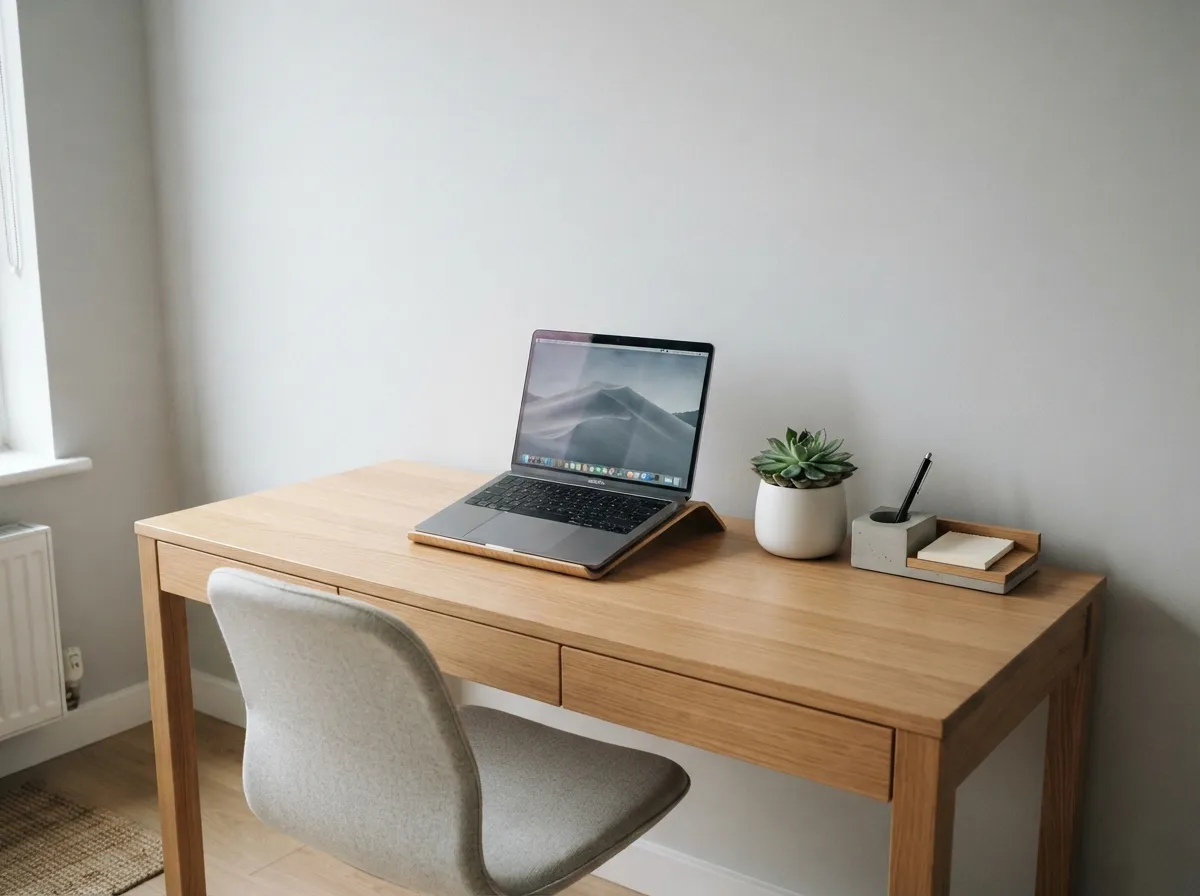
A clutter-free desktop is fundamental to a minimalist home office, especially in a compact apartment. By limiting items to only what is essential for your current task, you create a visual sense of order.
Consider incorporating smart storage solutions that keep supplies out of sight. A desk with built-in drawers or a small, enclosed cabinet nearby can make a significant difference.
This approach not only enhances aesthetics but also promotes a focused mindset.
Maintaining a clean surface helps reduce distractions and supports productive work sessions.
Use Natural Light Effectively
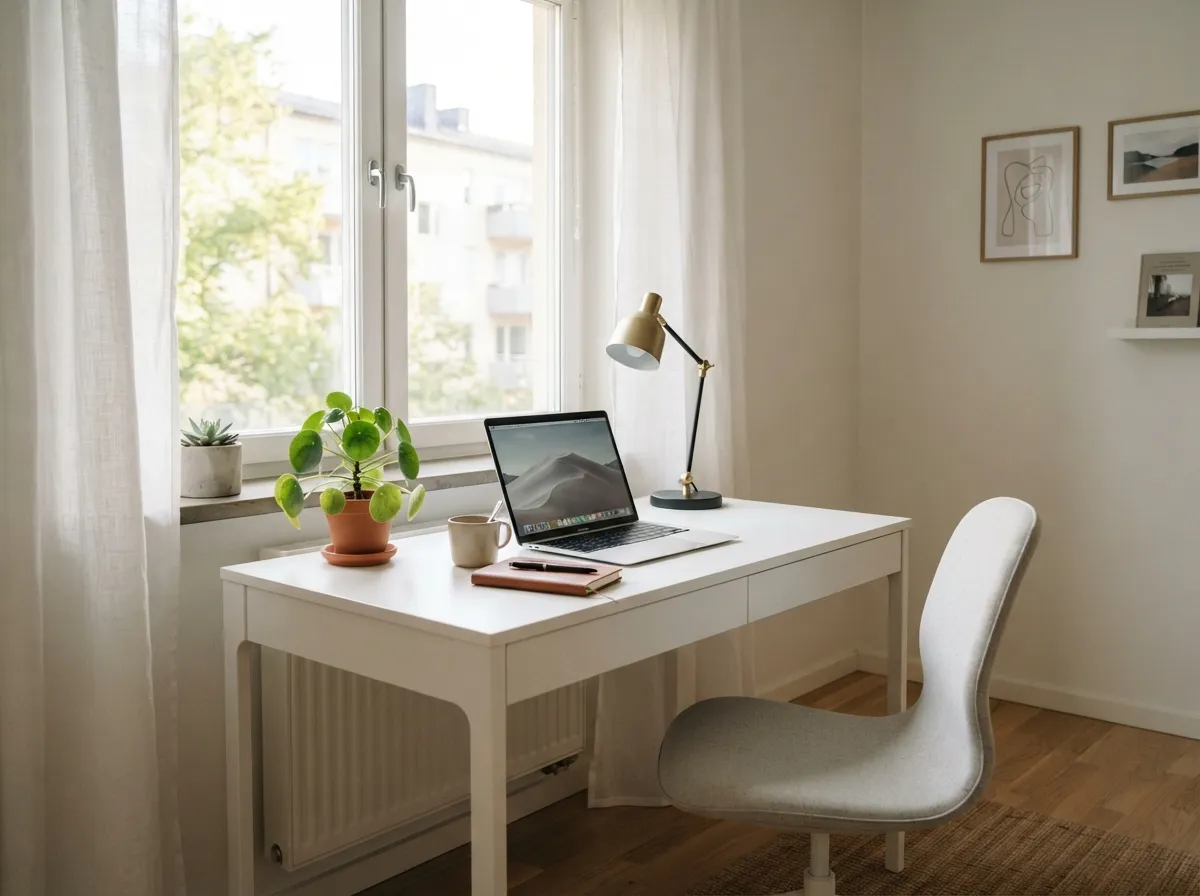
Maximizing natural light is a cornerstone of effective minimalist design, particularly when a dedicated study room is unavailable. Position your desk near a window to harness the daylight, which can significantly improve mood and productivity.
Opt for sheer, lightweight curtains or blinds that diffuse harsh sunlight while still allowing ample brightness to fill the space. This creates a soft, inviting glow.
The natural illumination brightens your workspace without relying heavily on artificial light during the day.
It helps make a smaller area feel more open and connected to the outside world.
Add Task Lighting for Focus
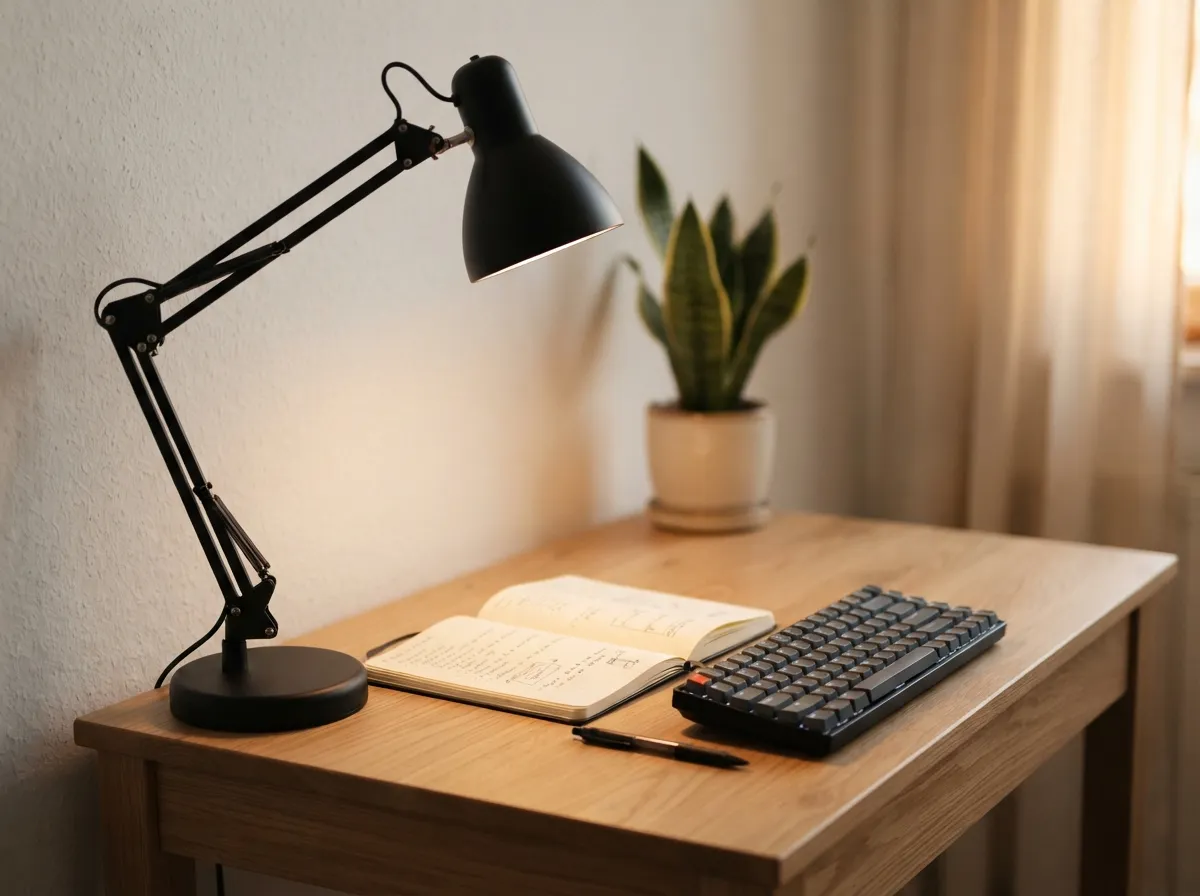
While natural light is vital, dedicated task lighting becomes indispensable for evening work or overcast days. A well-chosen desk lamp provides focused illumination exactly where you need it, preventing eye strain.
Select a lamp with a warm white or soft yellow light temperature to create a comfortable, inviting atmosphere. The lamp shown here offers precise directionality, perfect for reading or detailed work.
Place it strategically to avoid shadows and ensure your workspace is consistently well-lit.
This targeted lighting solution supports sustained concentration and comfort during extended periods.
Choose a Calming Color Palette
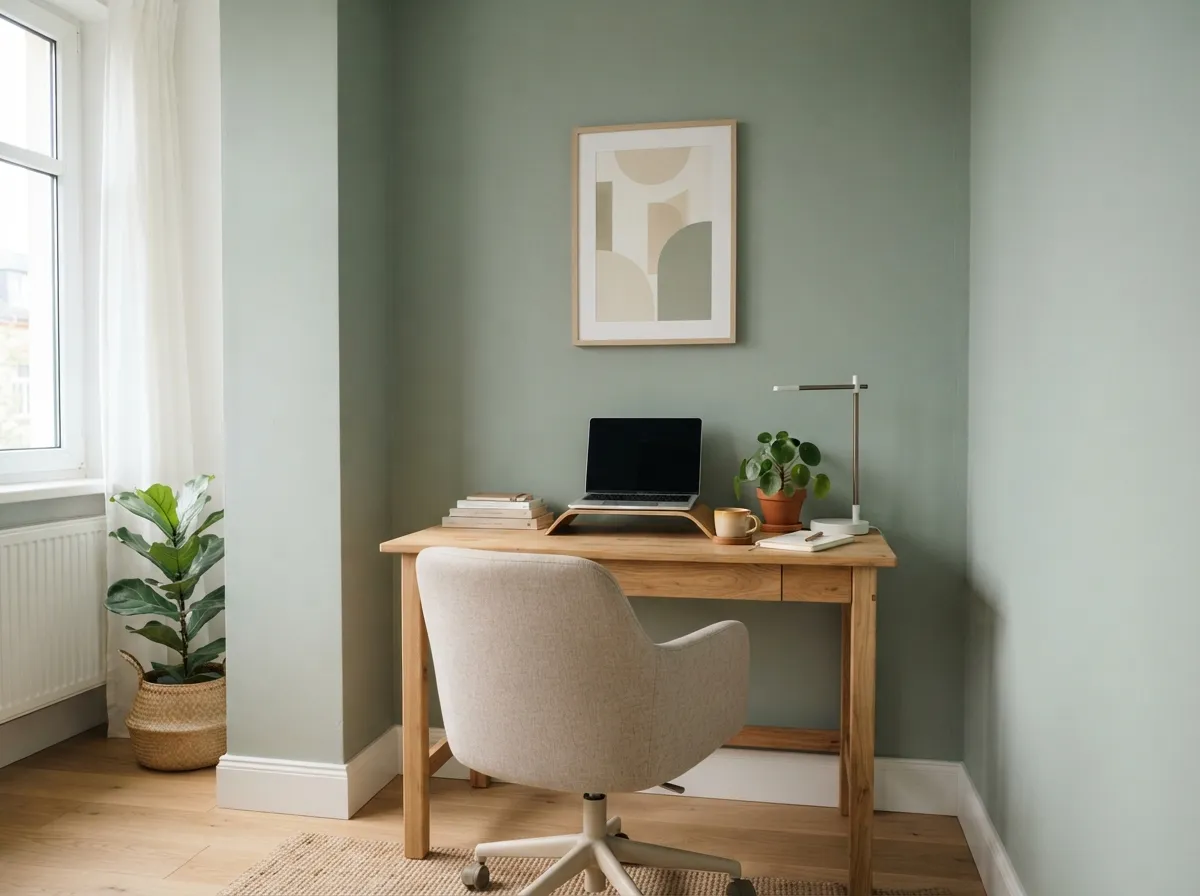
The right color palette can profoundly influence the atmosphere of your home office, especially when it’s part of another room. Selecting calming, neutral tones promotes focus and a sense of tranquility.
Consider soft whites, light greys, or muted greens for walls, as these colors help a small space feel more expansive and less confined. These shades are visibly soothing.
Pair these wall colors with natural wood furniture and subtle accents like a light-colored rug or a simple ceramic vase.
This harmonious combination creates a serene backdrop that enhances productivity without overwhelming the senses.
Integrate Your Office with Living Spaces
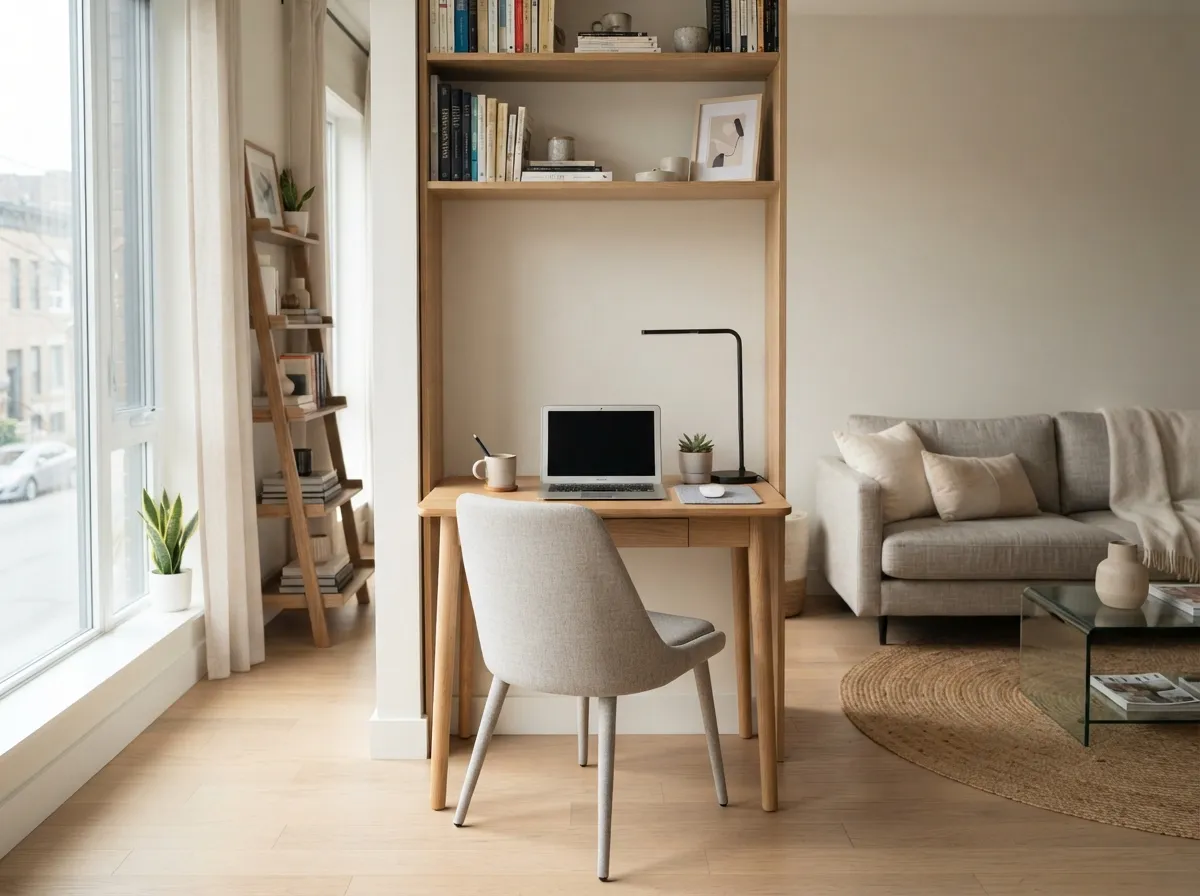
When a dedicated study room isn’t an option, seamlessly integrating your office into a living space is key. The goal is to make the workspace feel like a natural extension, not an intrusive addition.
Opt for compact, multi-functional furniture that matches the existing aesthetic of your living room. A slim desk and an understated chair, like the ones depicted, blend effortlessly.
Maintain a consistent color scheme and material palette throughout the combined area to ensure visual cohesion. This creates a unified flow.
This thoughtful integration allows your apartment to serve all its functions without feeling cluttered or disjointed.
Declutter Regularly to Maintain Minimalism
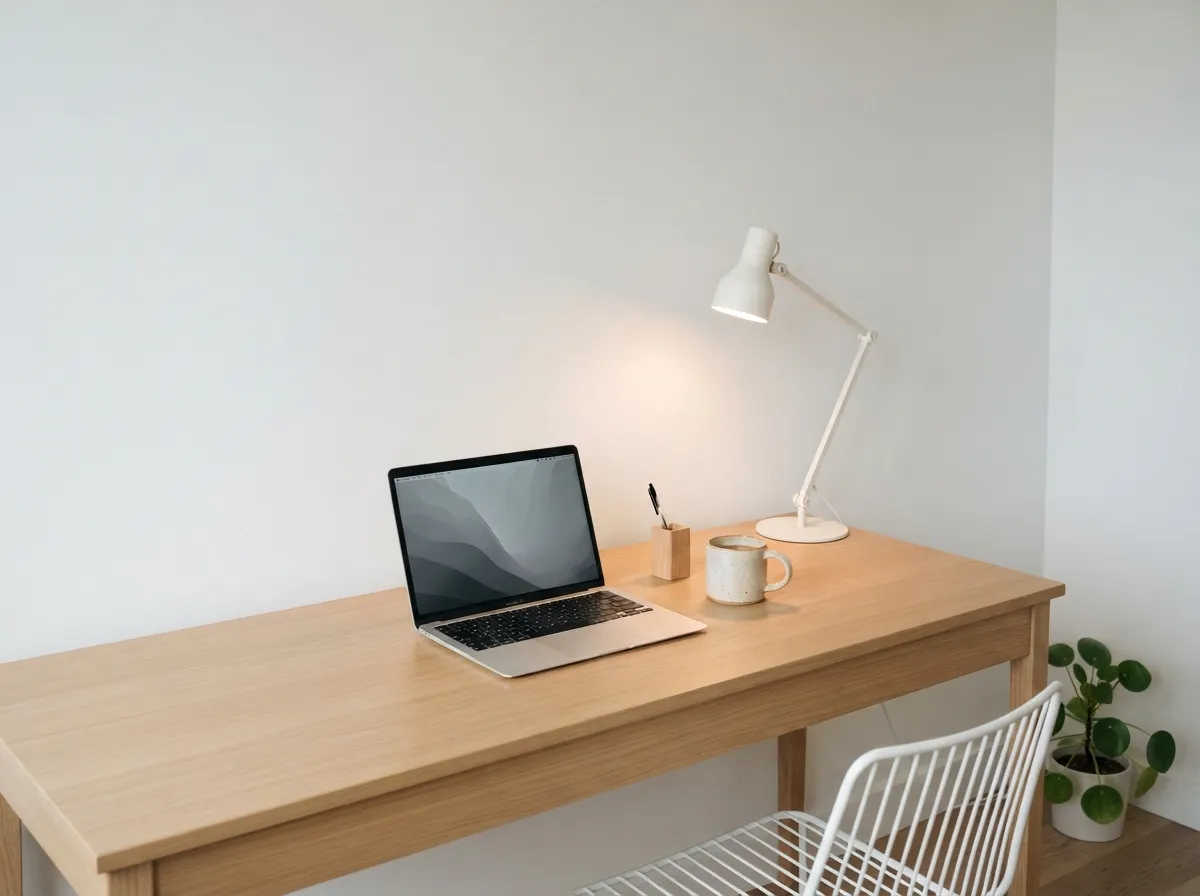
Maintaining a truly minimalist home office requires consistent effort. It is not a one-time task but an ongoing commitment to keep your workspace free of unnecessary items.
A clear desk fosters a clear mind, promoting better focus and efficiency during your work hours. Regularly assess what truly belongs in your workspace, removing anything that does not serve a direct purpose or bring genuine joy.
Consider a quick five-minute tidy-up each evening and a more thorough purge weekly to prevent clutter from accumulating. This practice ensures your small apartment office remains a productive and calming environment.
This proactive approach helps to keep your simple light wood desk surface clear and the surrounding white walls free from visual distractions, contributing to a serene work area.
Wire Management for a Tidy Look
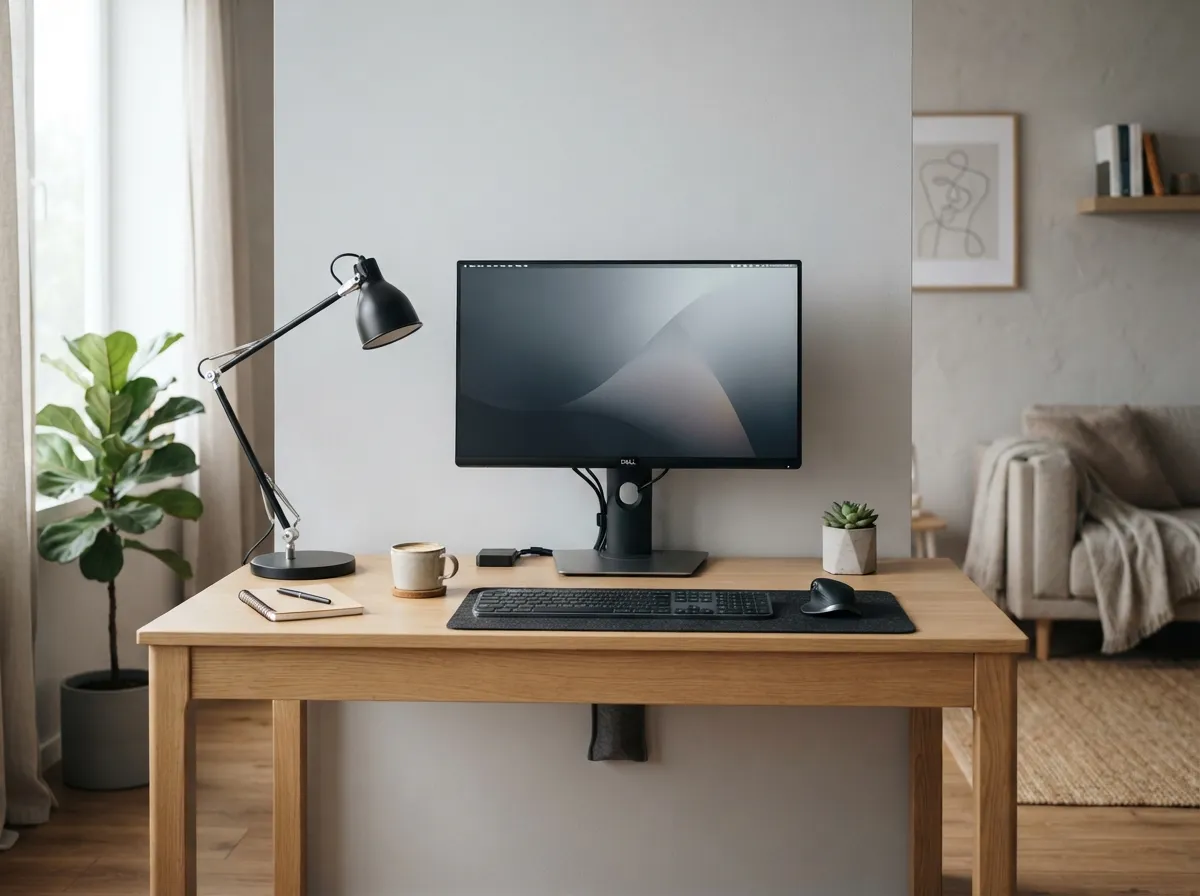
In a compact home office, every detail contributes to the overall aesthetic and sense of order. Visible cables and tangled wires can quickly undermine a minimalist design, creating visual chaos and making your small space feel cluttered.
Effective wire management is crucial for achieving that sleek, uncluttered appearance. Utilize adhesive cable clips, cable sleeves, or even a simple cable box to neatly hide and organize all electronic cords.
Running wires along the back of your light wood desk or securing them discreetly under the surface ensures they remain out of sight. This attention to detail elevates the look of your workspace, making it appear more polished and professional.
A tidy setup also reduces potential hazards, ensuring a safe and functional work area.
Personalize with Minimal Decor
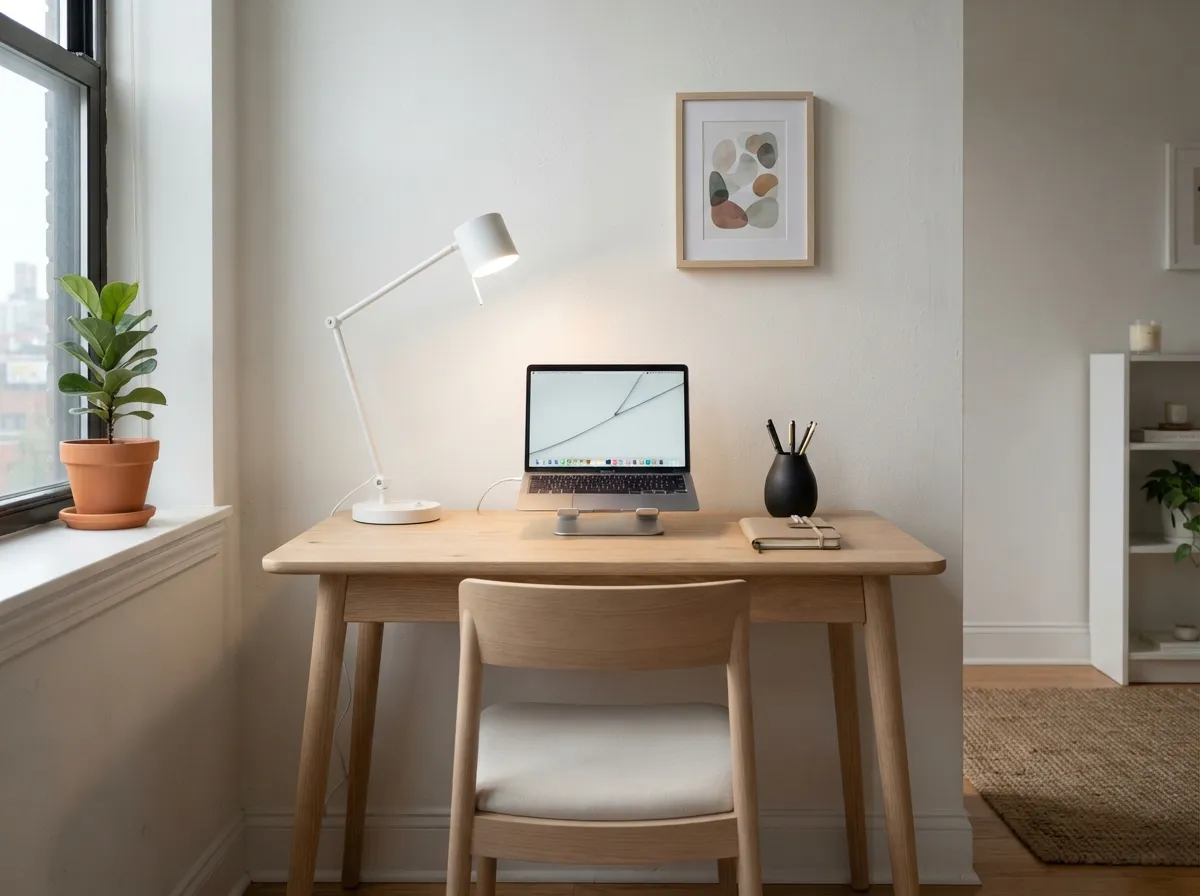
Even in a minimalist setting, your home office should reflect your personality and inspire creativity. The key is to select decor items thoughtfully, ensuring each piece adds character without introducing clutter.
Choose one or two meaningful accents that complement your minimalist aesthetic. A small framed abstract art print, a unique ceramic vase, or a sculptural pen holder can provide visual interest.
These carefully curated items add warmth and individuality to your workspace. They maintain the clean lines of your light wooden desk while making the space distinctly yours.
Embrace pieces that offer both beauty and subtle functionality, ensuring they enhance rather than overwhelm your focused environment.
Create a Green Oasis with Small Plants
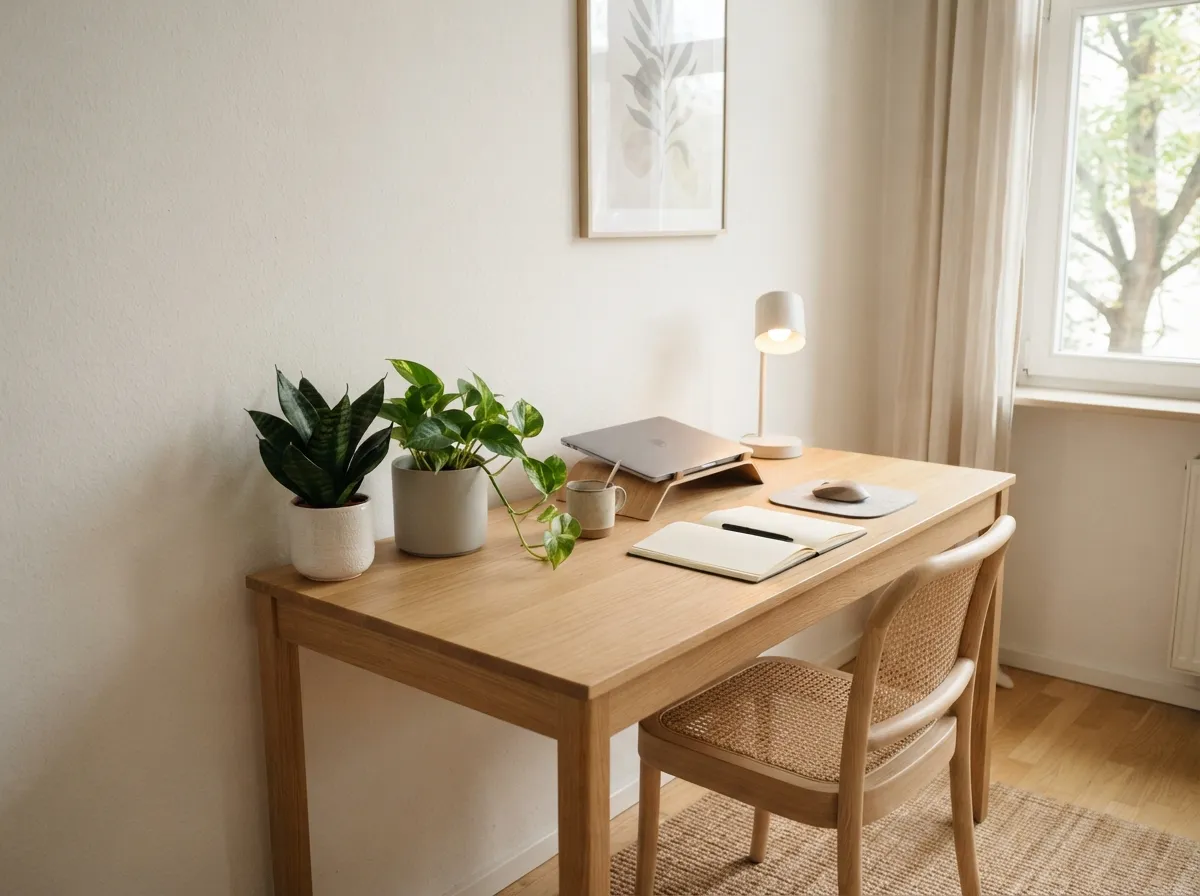
Bringing a touch of nature into your home office can significantly enhance its ambiance and your well-being. Small, low-maintenance plants are perfect for infusing life into a minimalist workspace without taking up too much room.
A small snake plant, a pothos, or a ZZ plant in a simple ceramic pot can add a refreshing pop of green. These natural elements help purify the air and introduce a calming, organic texture to your otherwise streamlined environment.
Placing a plant on your light wood desk or a nearby floating shelf can create a small green oasis, fostering a more relaxed and productive atmosphere. This simple addition makes your office feel more inviting and connected to the natural world.
Position Your Desk Against a Wall
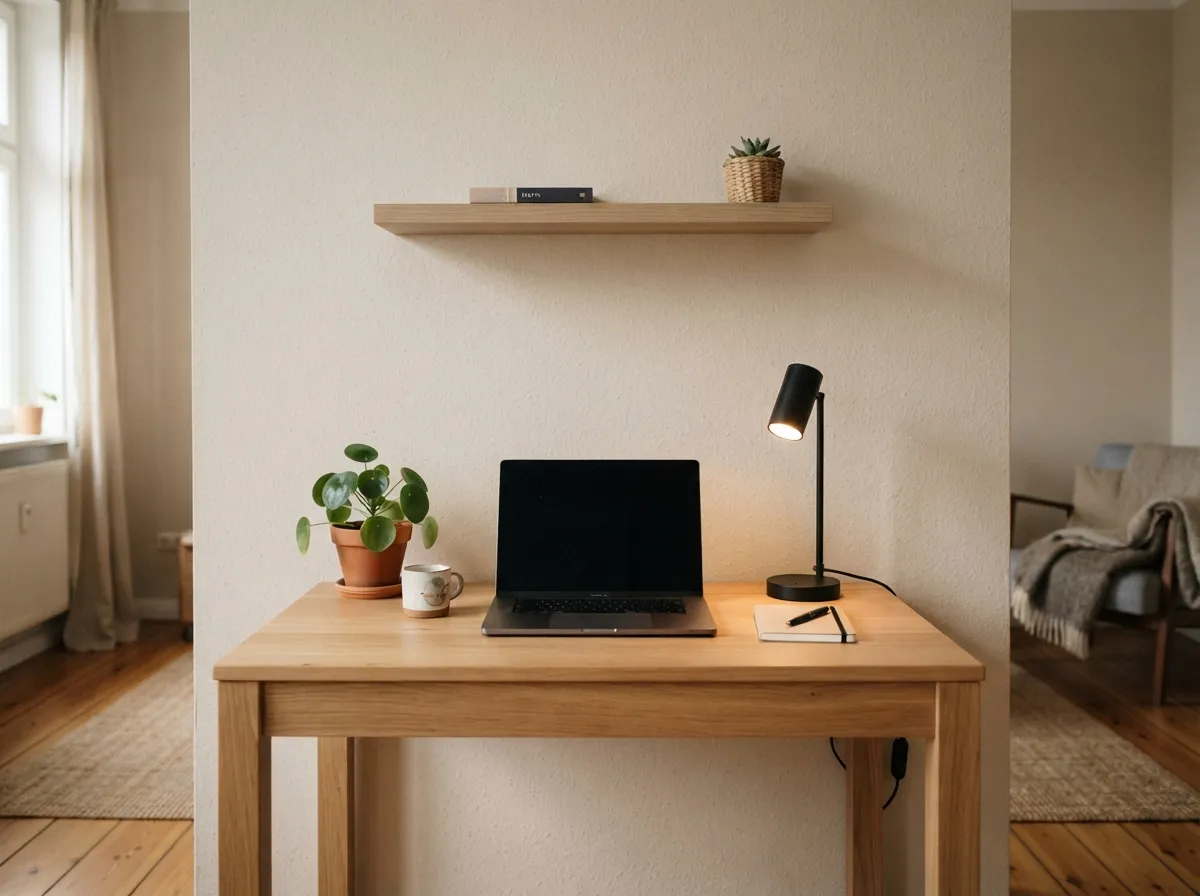
In an apartment without a dedicated study room, strategic desk placement is paramount for maximizing space and creating a functional work zone. Positioning your desk flush against a wall is a highly effective minimalist solution.
This layout immediately defines your workspace, preventing it from encroaching on other living areas and making the most of every square inch. A simple rectangular light wood desk against a light-colored wall provides a clean, unobtrusive backdrop, minimizing visual distractions.
This setup also offers practical stability and a feeling of groundedness, allowing you to focus better on tasks. It is an ideal way to carve out a dedicated office area within a multi-functional room.
This practical arrangement ensures your office blends seamlessly into your overall apartment design.
Maximize Corner Space Solutions
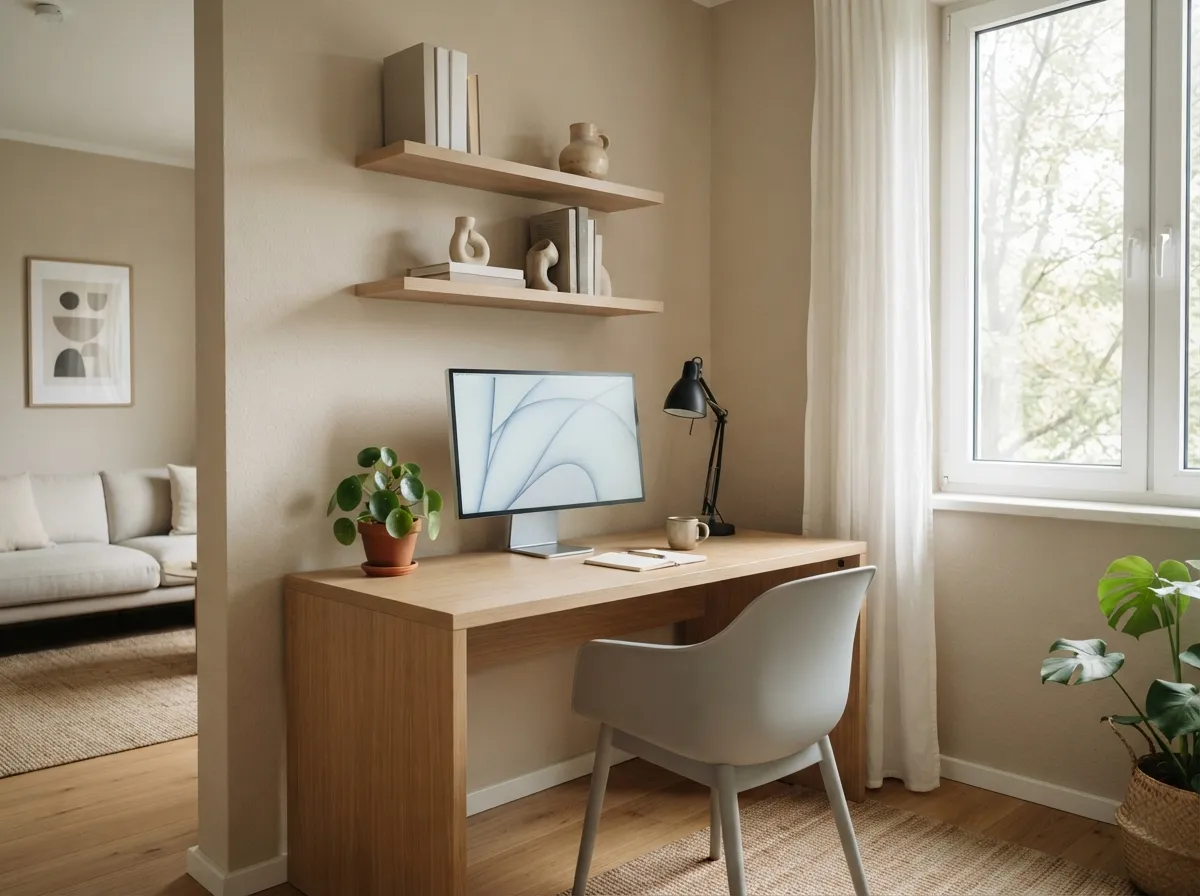
In a first apartment without a dedicated study, every inch counts. Corners, often overlooked, offer prime real estate for a functional workspace.
Consider a compact, light-colored wooden L-shaped desk designed to fit snugly into these areas. This clever setup provides ample surface area without encroaching on the room’s main footprint.
Above the desk, installing minimalist floating shelves can further enhance storage. These shelves can hold essential books, a small decorative object, or even a desk lamp, keeping the workspace tidy and organized.
The soft neutral walls and natural light from a nearby window create an inviting and focused environment.
Use Pegboards for Customizable Storage
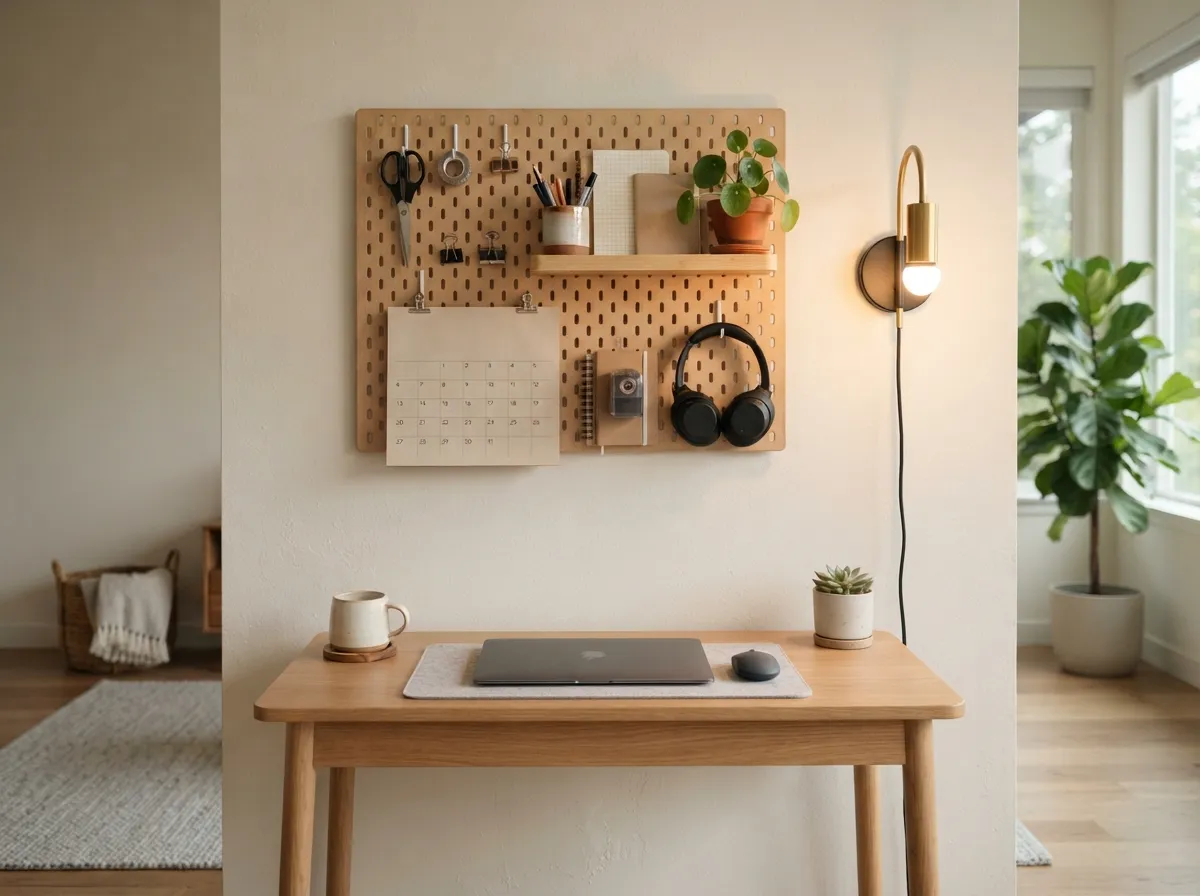
Vertical storage is a game-changer for small home offices. A light wooden pegboard mounted above your desk offers unparalleled flexibility.
You can customize it with hooks and small shelves to hold everything from scissors and pens to small notebooks and a calendar, keeping your desk surface clear and uncluttered. This solution not only organizes your supplies but also makes them easily accessible.
It also adds a subtle textural element to your workspace. The warm white light from a small wall-mounted sconce ensures your essentials are always visible.
Select Slim Profile Filing Cabinets
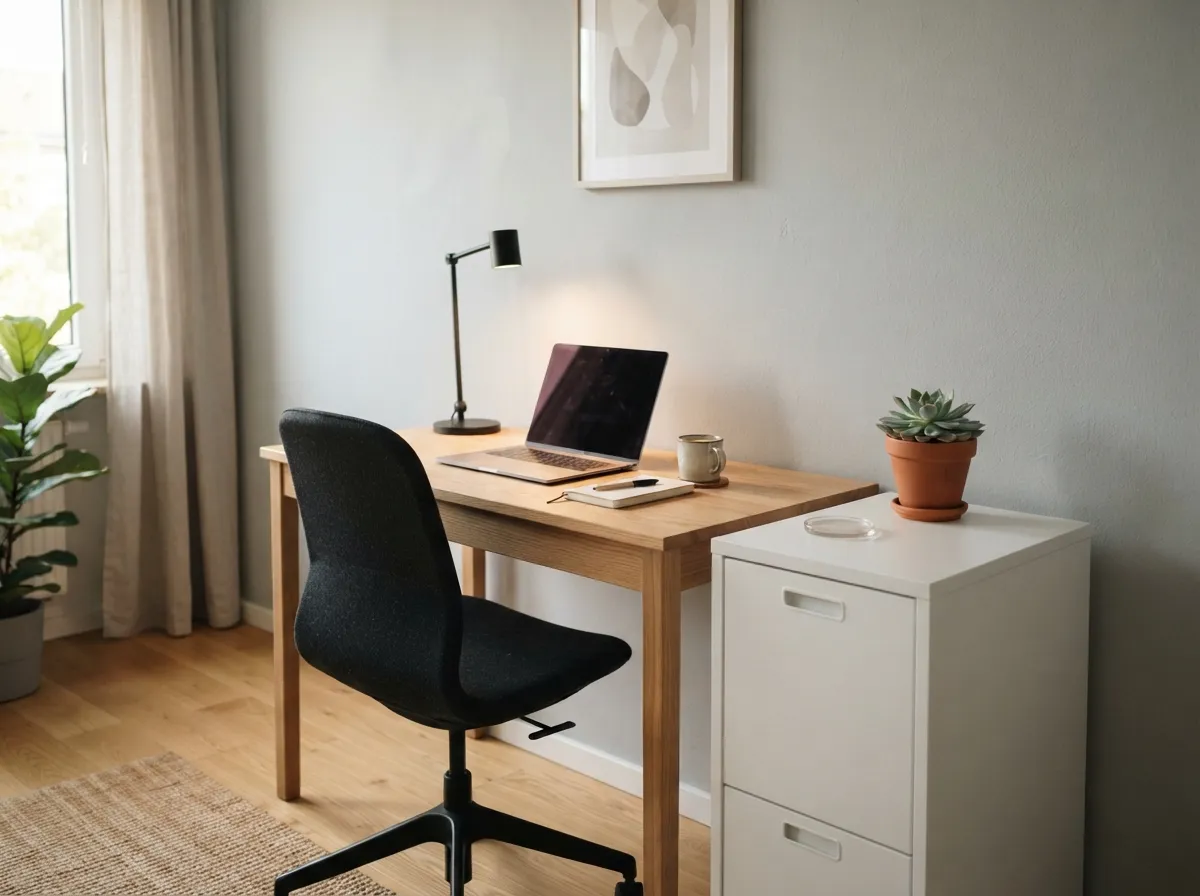
Even in a paperless world, some documents require physical storage. A standard filing cabinet can quickly overwhelm a small apartment.
Opt for a slim profile filing cabinet; these units are designed to be compact and unobtrusive. A sleek, white metal, two-drawer cabinet fits neatly beside or even under a minimalist desk without adding visual bulk.
Its clean lines and matte finish ensure it blends seamlessly with a modern aesthetic. A small potted succulent on top adds a touch of natural beauty to this functional piece.
Designate a Drawer for Office Supplies
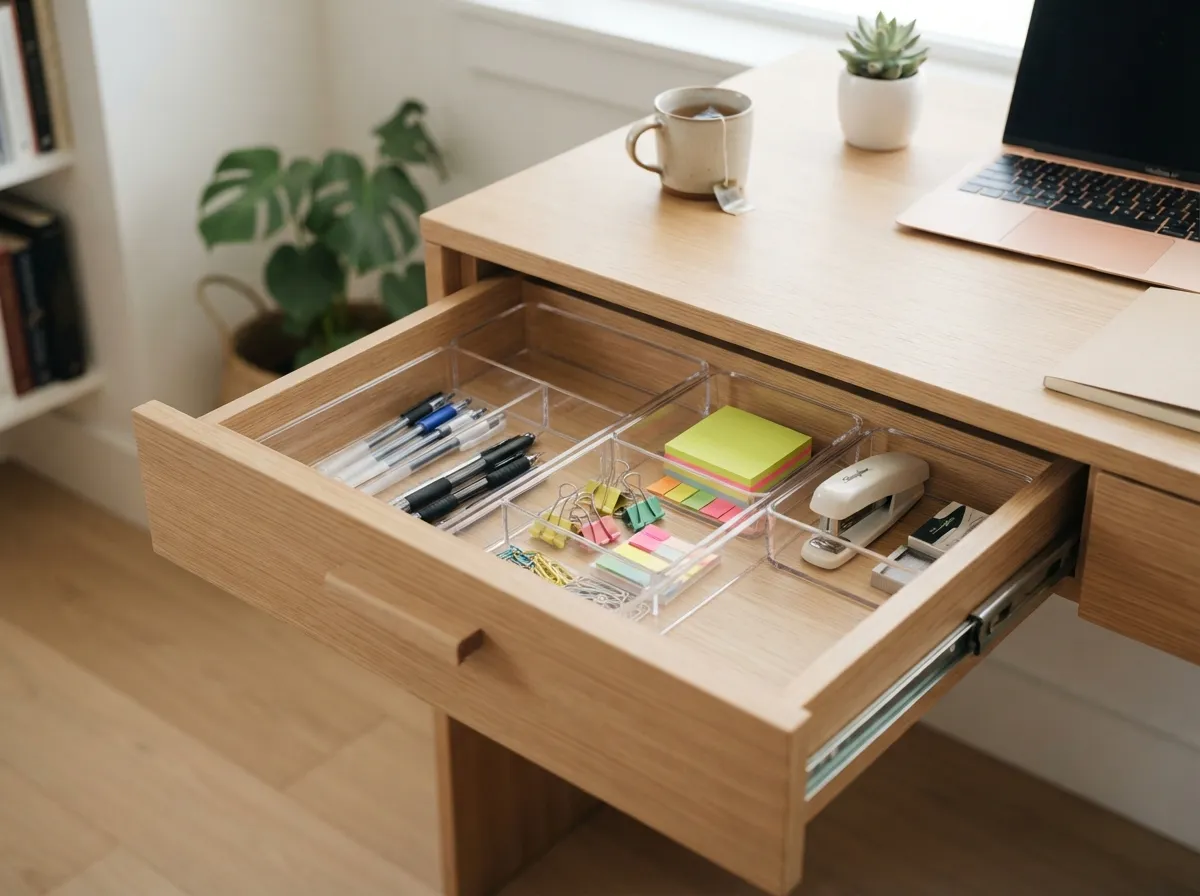
Maintaining a minimalist workspace means keeping clutter out of sight. Designating a specific drawer solely for office supplies is an effective strategy.
When you open a light-colored wooden desk drawer, you’ll find everything neatly contained. Utilizing drawer organizers within this space is key to maximizing efficiency.
Pens, paper clips, sticky notes, and a small stapler each have their own compartment, making them easy to find. This approach adheres to the principle that every item has a home, contributing to an overall calm and productive environment.
Employ a Laptop Stand for Ergonomics
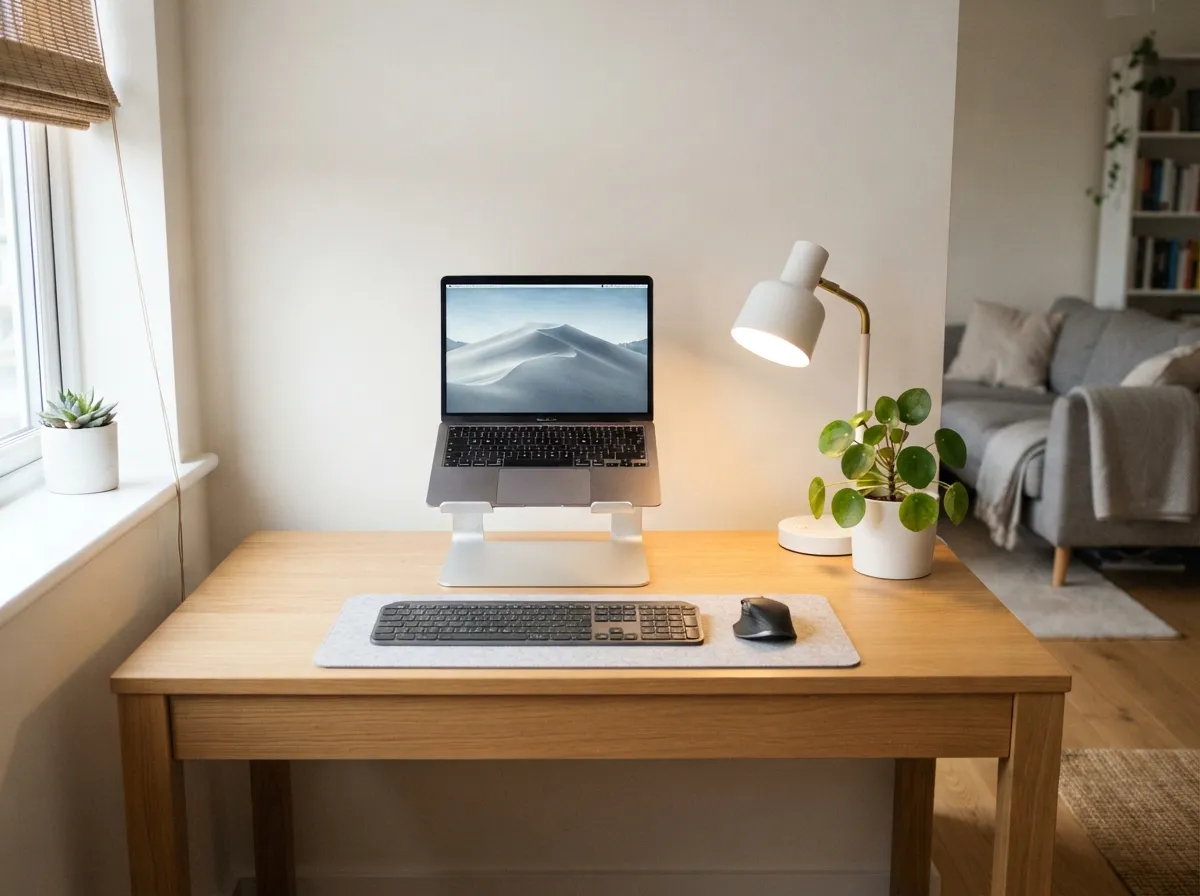
Working from a laptop often leads to poor posture and discomfort. An ergonomic laptop stand is an essential investment for any home office, especially when working for extended periods.
A sleek, silver metal laptop stand elevates your laptop’s screen to eye level, significantly improving your posture and reducing neck strain. This simple addition also frees up valuable desk space beneath the laptop, allowing you to use a wireless keyboard and mouse more comfortably.
It’s a small change that makes a big difference in both your comfort and productivity in a minimalist setting. A small, modern desk lamp provides focused illumination.
Soften the Space with Textiles
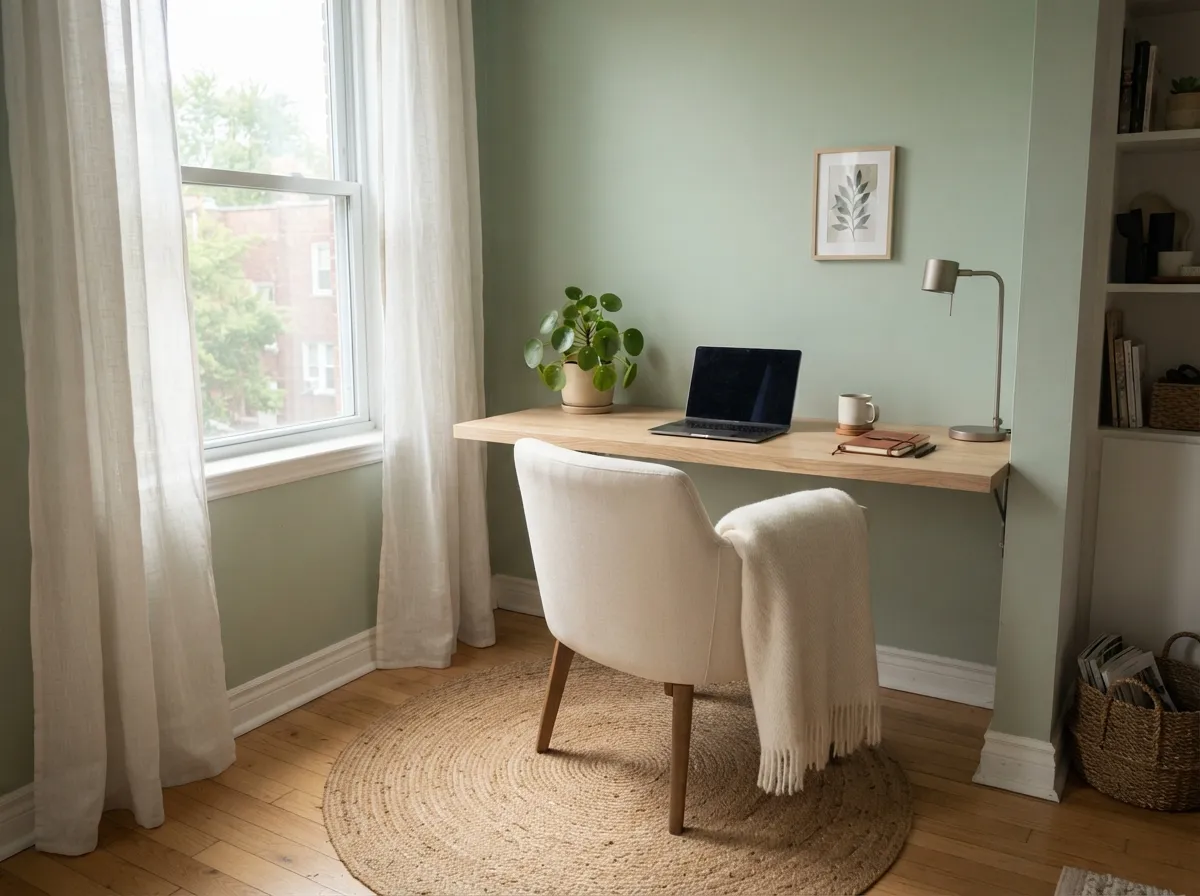
Bringing textiles into your home office in a first apartment is a clever way to add warmth and define your workspace without heavy furniture. A well-chosen rug can anchor the desk area, visually separating it from the rest of the room.
This helps to create a distinct zone for focus and productivity. Consider materials like natural jute or a soft wool blend for both comfort and a grounded aesthetic.
Their textures provide an inviting feel. Drape a woven throw over an accent chair or incorporate linen curtains to soften harsh lines and improve acoustics.
These elements absorb sound, making your small office feel calmer and more contained. Such additions prevent the space from feeling sterile, instead making it a more comfortable and integrated part of your home.
Utilize the Back of a Door for Storage
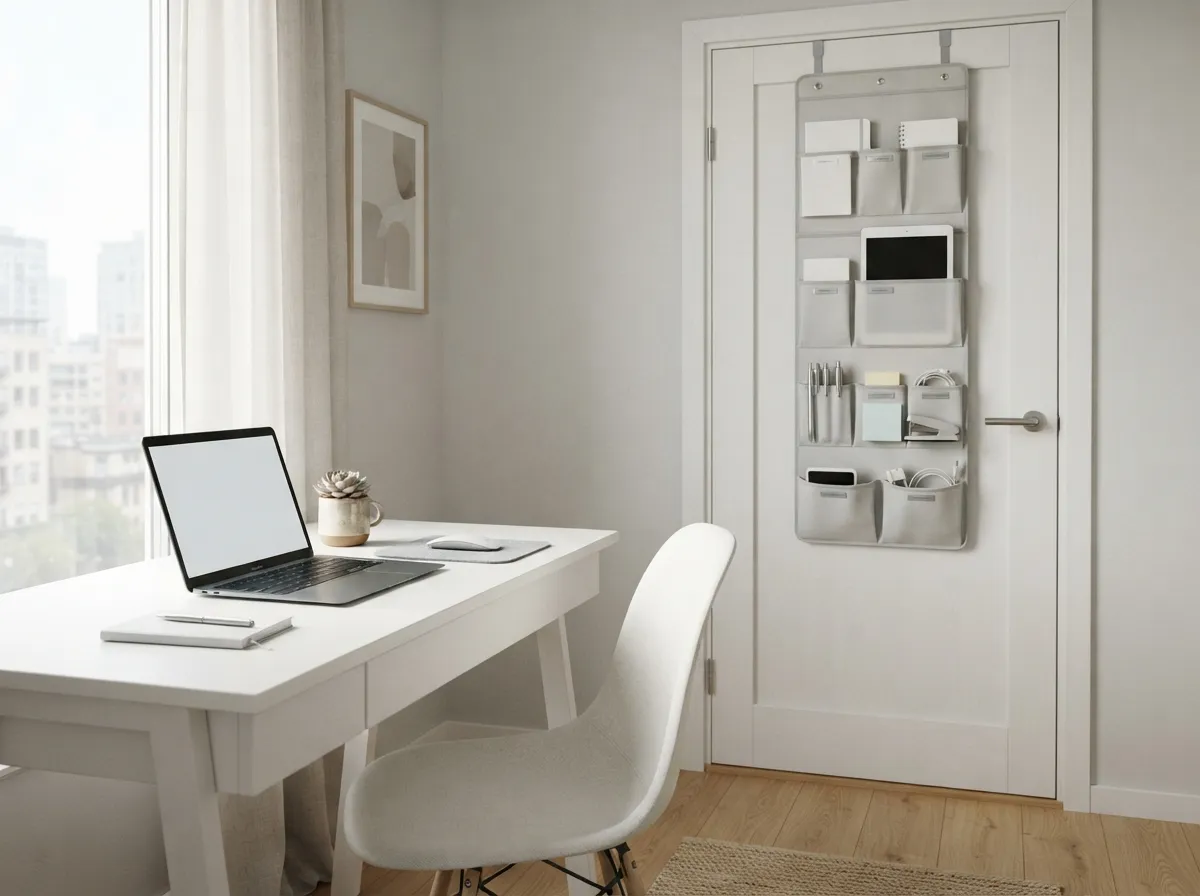
In a first apartment, every inch counts, and the back of a door often remains an untapped storage resource. This vertical space is perfectly suited for discreetly tucking away office essentials, freeing up valuable desk and shelf space.
Install an over-the-door organizer with multiple pockets or shelves to hold notebooks, pens, chargers, or even small reference books. Opt for clear or light-colored organizers to maintain a visually light and airy feel.
This strategy keeps your workspace clear and clutter-free, aligning perfectly with minimalist principles. It ensures that necessary items are always within reach but neatly out of sight when not in use.
Such an approach helps maintain a serene and focused environment, preventing visual overwhelm in a compact area.
Choose Transparent or Light Furniture
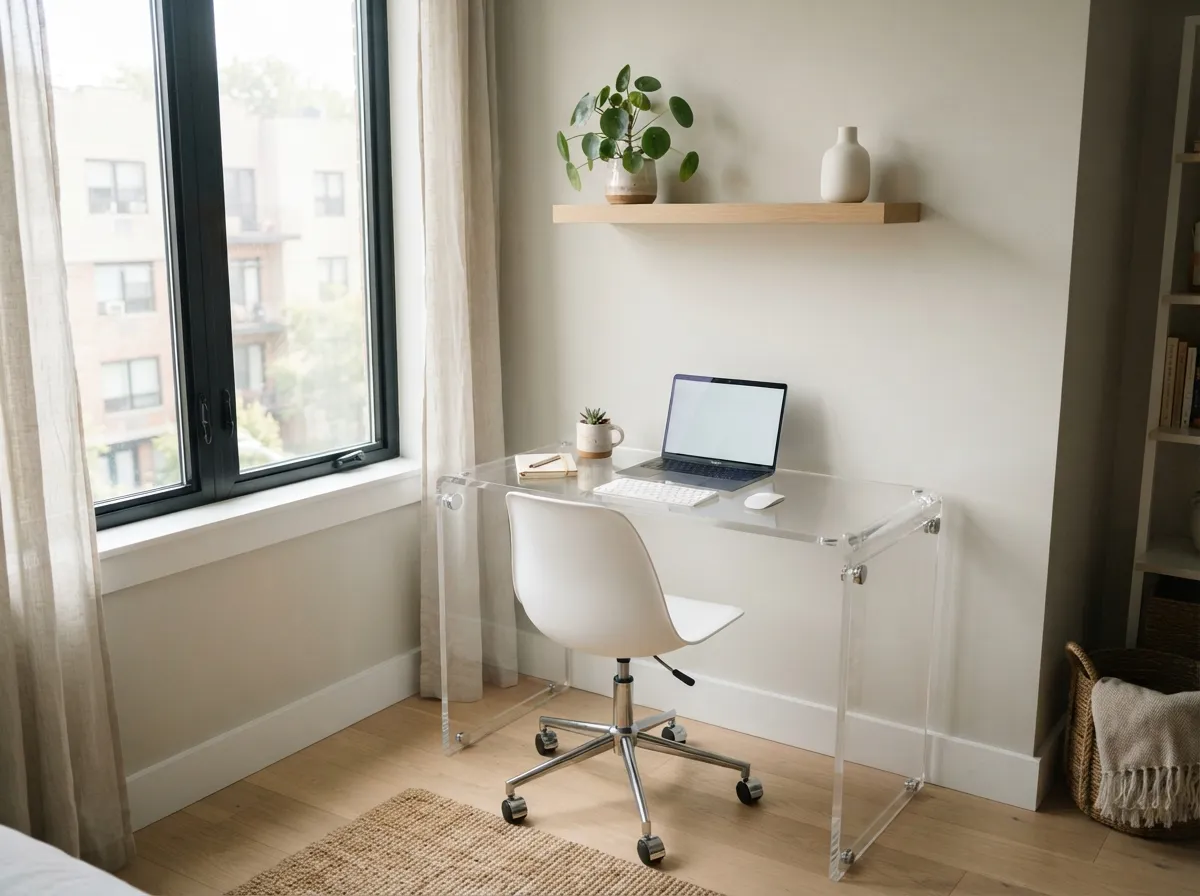
When outfitting a minimalist home office in a compact apartment, the choice of furniture material significantly impacts the perception of space. Transparent items, such as an acrylic or glass desk, allow light to pass through, creating an illusion of openness and making the room feel larger.
This visual lightness prevents the area from feeling heavy or cramped, which is crucial in smaller living quarters. Similarly, opting for furniture with slender profiles and light finishes, like white or natural pale wood, contributes to an airy aesthetic.
Consider a slim desk with thin metal legs or an open-back chair that doesn’t obstruct sightlines. These choices blend seamlessly into the room, rather than dominating it.
The goal is to provide functionality without adding visual bulk, maintaining a clear and expansive feel.
Establish Daily Tidy-Up Routines
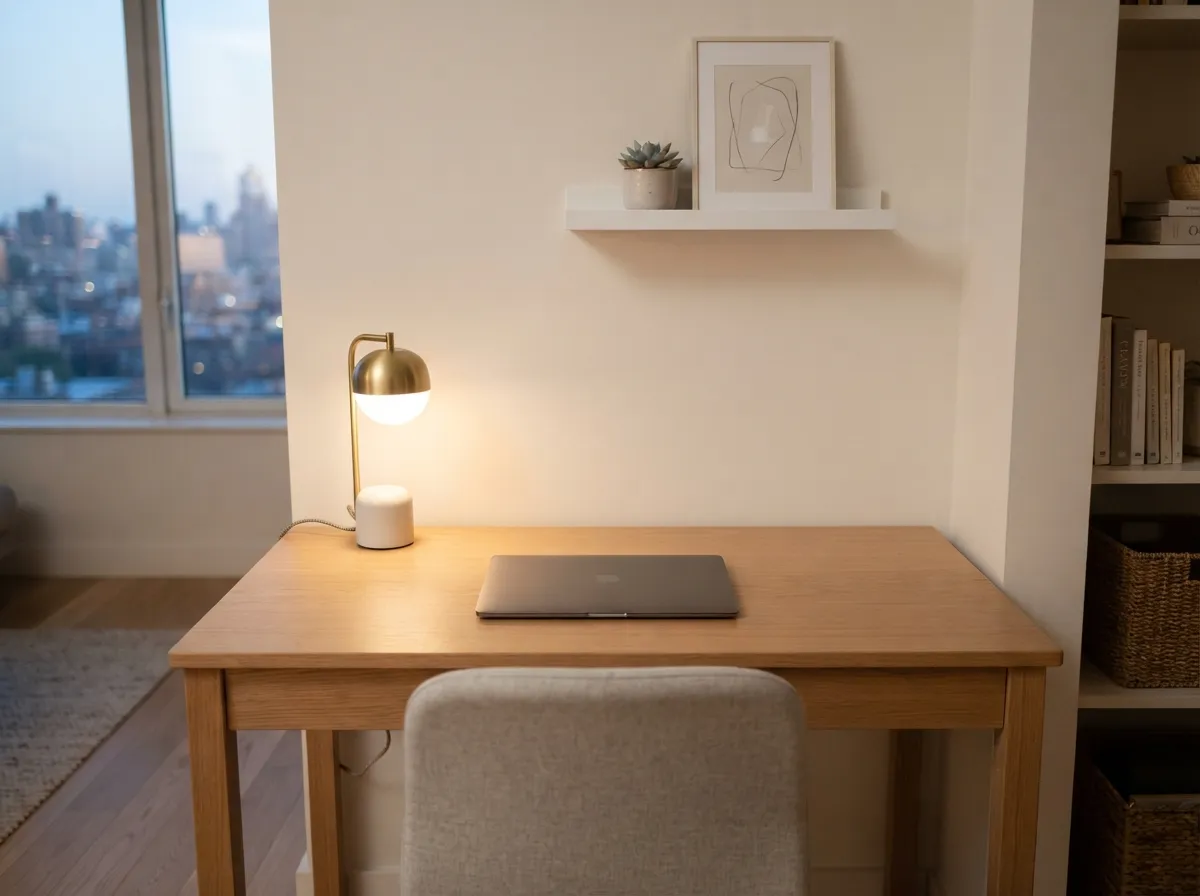
Maintaining a minimalist home office in a small apartment hinges on establishing consistent daily tidy-up routines. Even the smallest accumulation of papers, pens, or accessories can quickly disrupt the calm and order of a compact space.
Before concluding your workday, dedicate five to ten minutes to a quick reset. This involves clearing your desk surface completely, returning items to their designated storage spots, and wiping down any surfaces.
This isn’t about a deep clean, but rather a simple act of resetting your workspace for the next day. It ensures that you start each new session with a clear desk and a clear mind.
A consistent routine prevents clutter from ever taking hold, allowing your minimalist design choices to truly shine. This practice fosters a sense of control and reduces stress, making your home office a more inviting place.
Embracing minimalist principles allows you to craft a productive home office even in the smallest first apartment. By focusing on smart storage, multi-functional pieces, and intentional design, you can achieve a serene, efficient workspace that truly supports your daily tasks without sacrificing precious living space.