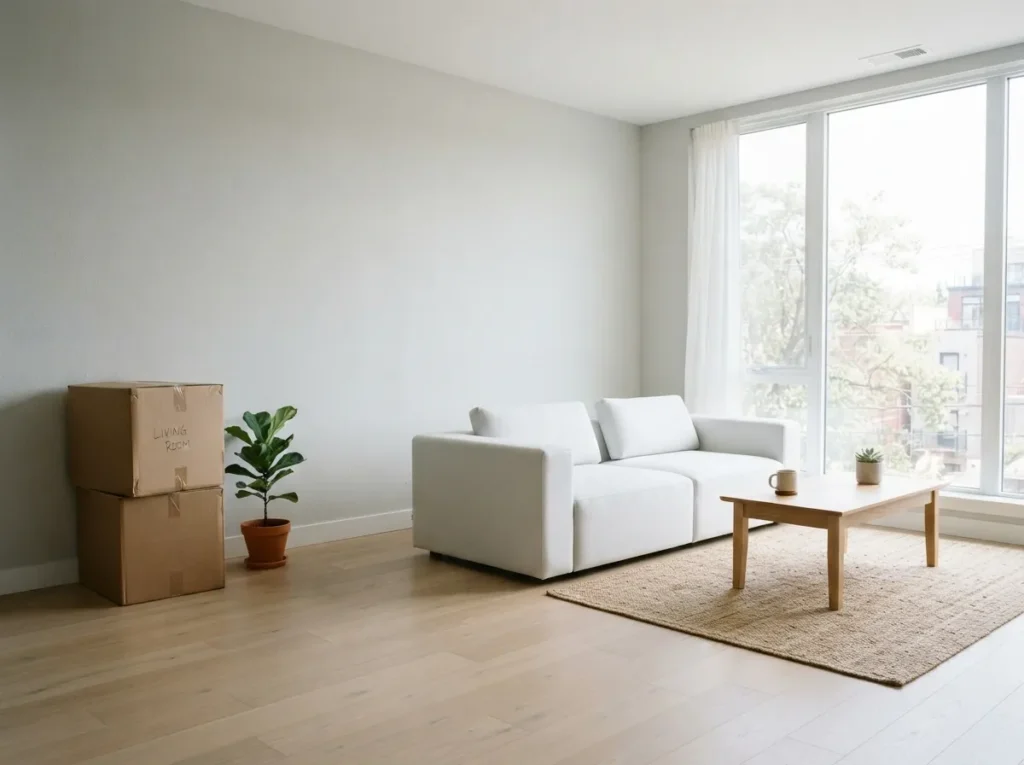
Moving into your first apartment is exciting. Embrace minimalist home decor to create a serene, functional space without clutter. This starter guide offers practical tips to design a stylish yet simple sanctuary, making your new home feel effortlessly chic from day one.
1. Declutter Before You Decorate
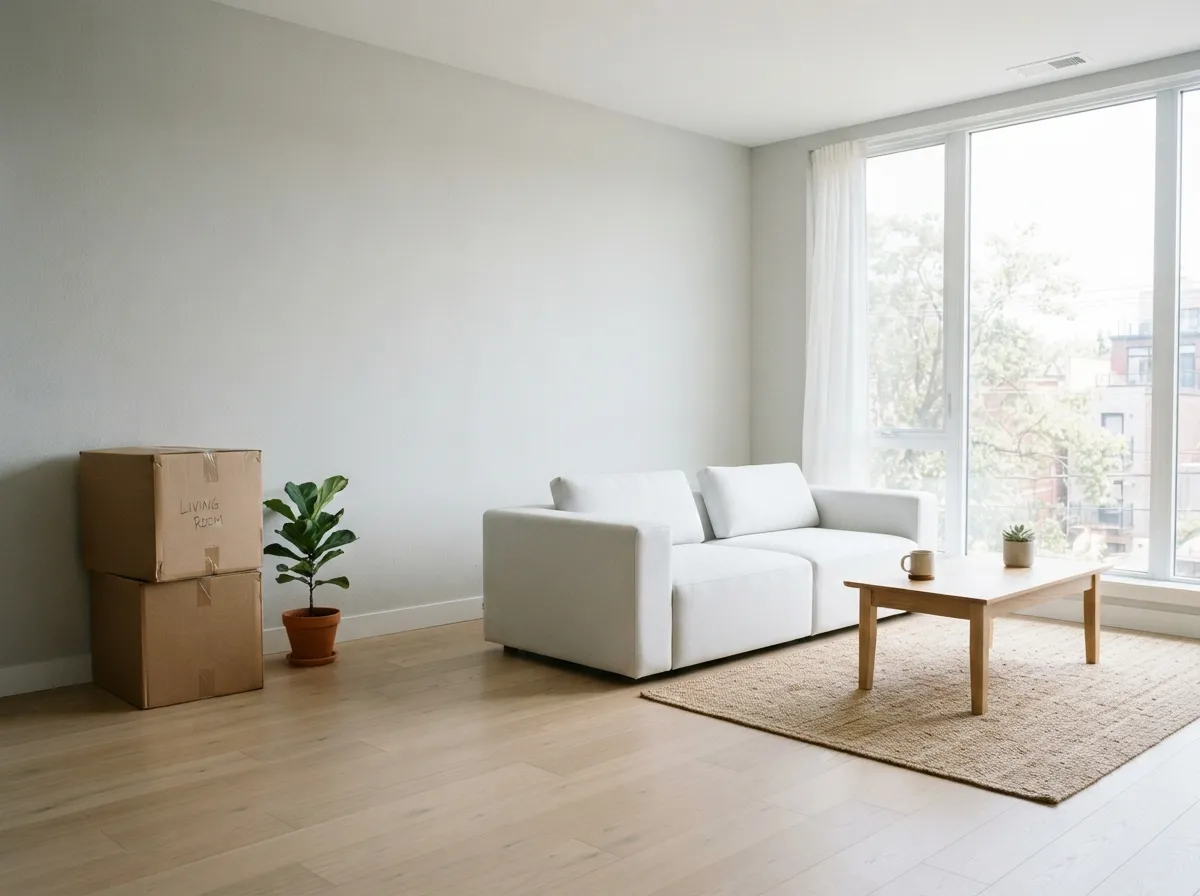
Before placing a single decorative item, consider a thorough declutter. This fundamental step is crucial for establishing a truly minimalist environment.
Removing unnecessary belongings instantly creates a sense of openness and calm.
Begin by categorizing items into keep, donate, or discard piles. A clear space allows you to thoughtfully envision your design.
This initial purge sets the foundation for a cohesive and intentional living area. It ensures that every piece you ultimately bring into your home serves a purpose or brings genuine joy, preventing visual noise and maximizing functionality.
2. Choose a Neutral Color Palette
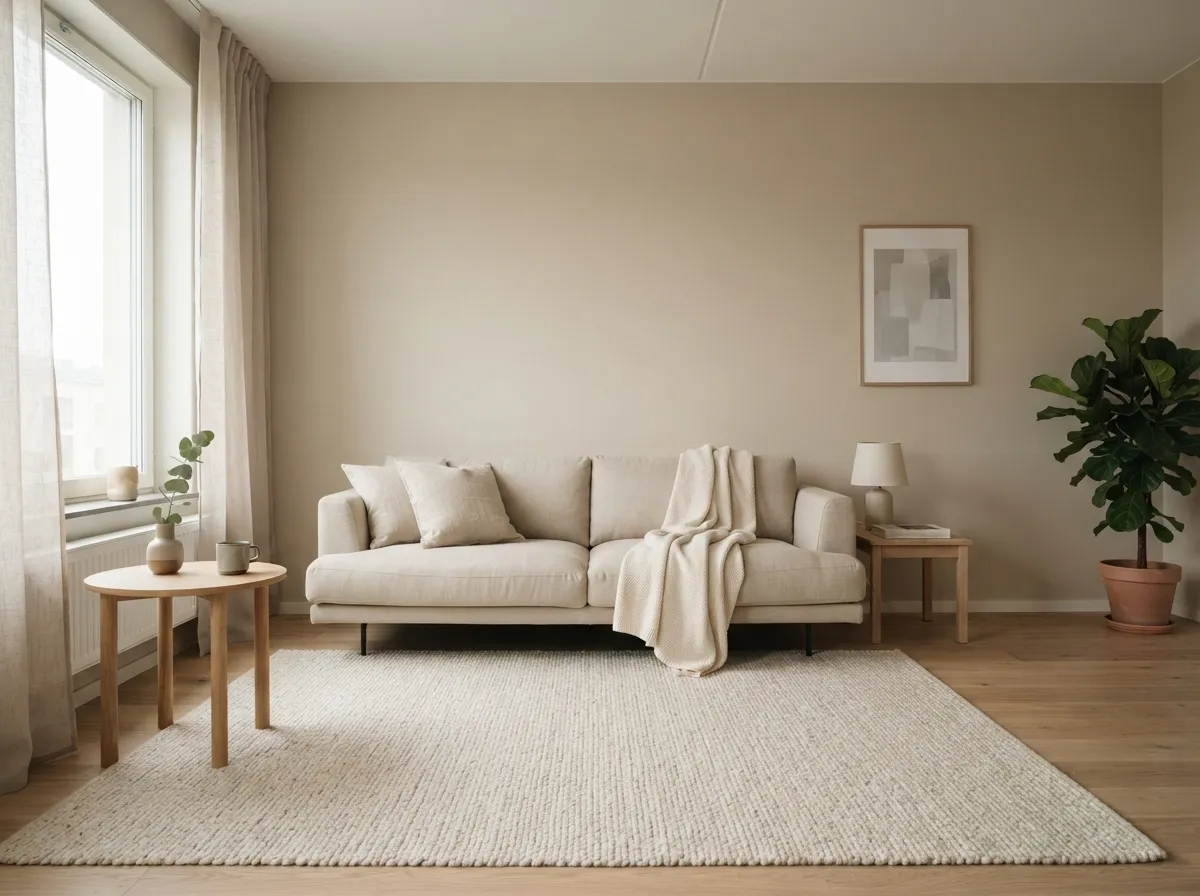
A neutral color palette is the cornerstone of minimalist design, especially for a first apartment. Hues like soft whites, muted grays, warm beiges, and gentle off-whites create an expansive and serene backdrop.
These colors reflect light beautifully, making smaller rooms feel larger and more inviting. They also provide a versatile canvas for any subtle accents you might introduce later.
Selecting a neutral base promotes a tranquil atmosphere. This approach ensures your space feels cohesive and allows for easy updates with small, interchangeable elements, maintaining a fresh aesthetic.
3. Prioritize Multi-Functional Furniture
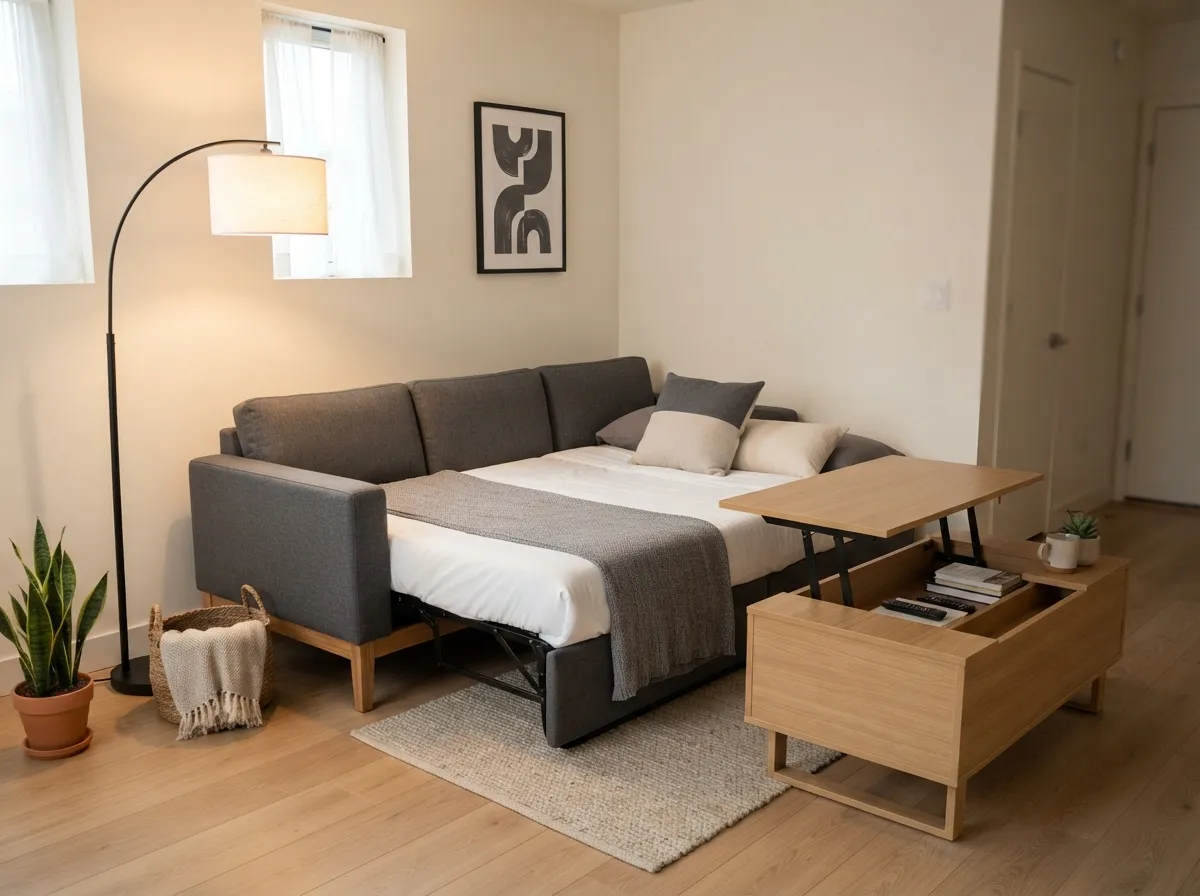
In a first apartment, space is often at a premium, making multi-functional furniture a smart choice. Pieces that serve dual purposes help maximize every square foot available.
Consider items like an ottoman with hidden storage or a coffee table that can adjust to dining height.
Such versatile furniture not only saves space but also reduces clutter by consolidating different needs. A sofa that converts into a guest bed is another excellent example, offering flexibility without compromising on style.
Opting for these practical solutions ensures your home remains organized and efficient. It allows you to adapt your living area to various activities, making your apartment feel larger and more accommodating.
4. Invest in Quality Over Quantity
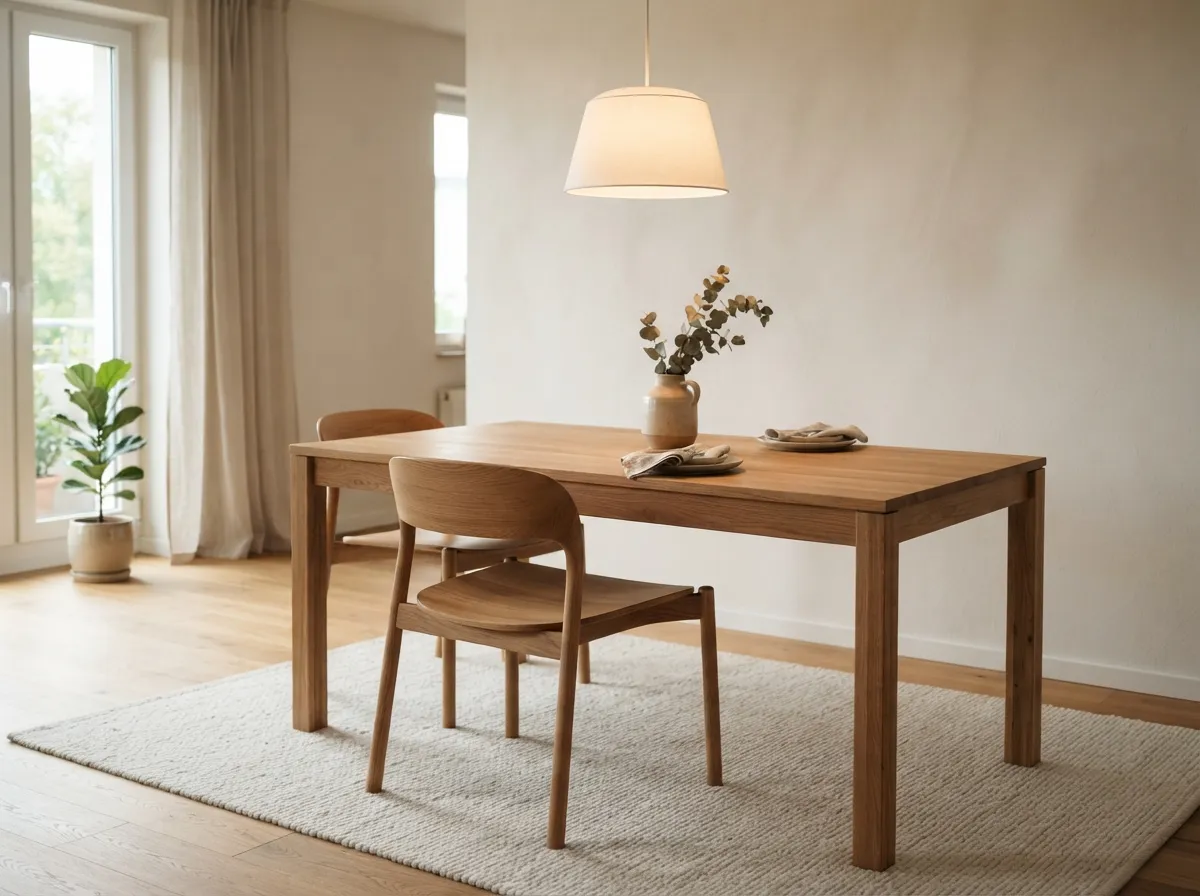
Minimalism isn’t about having nothing; it’s about having fewer, better things. Investing in quality pieces means choosing durable, well-crafted furniture and decor that will last for years.
These items contribute to a more enduring and polished aesthetic.
High-quality materials, such as solid wood, natural fabrics, or sturdy metals, offer both resilience and timeless appeal. While the initial cost might be higher, these pieces often prove more economical in the long run, reducing the need for frequent replacements.
Focus on selecting items that reflect careful craftsmanship and thoughtful design. This approach ensures that every element in your home adds significant value and comfort, aligning perfectly with a sustainable minimalist lifestyle.
5. Embrace Natural Light
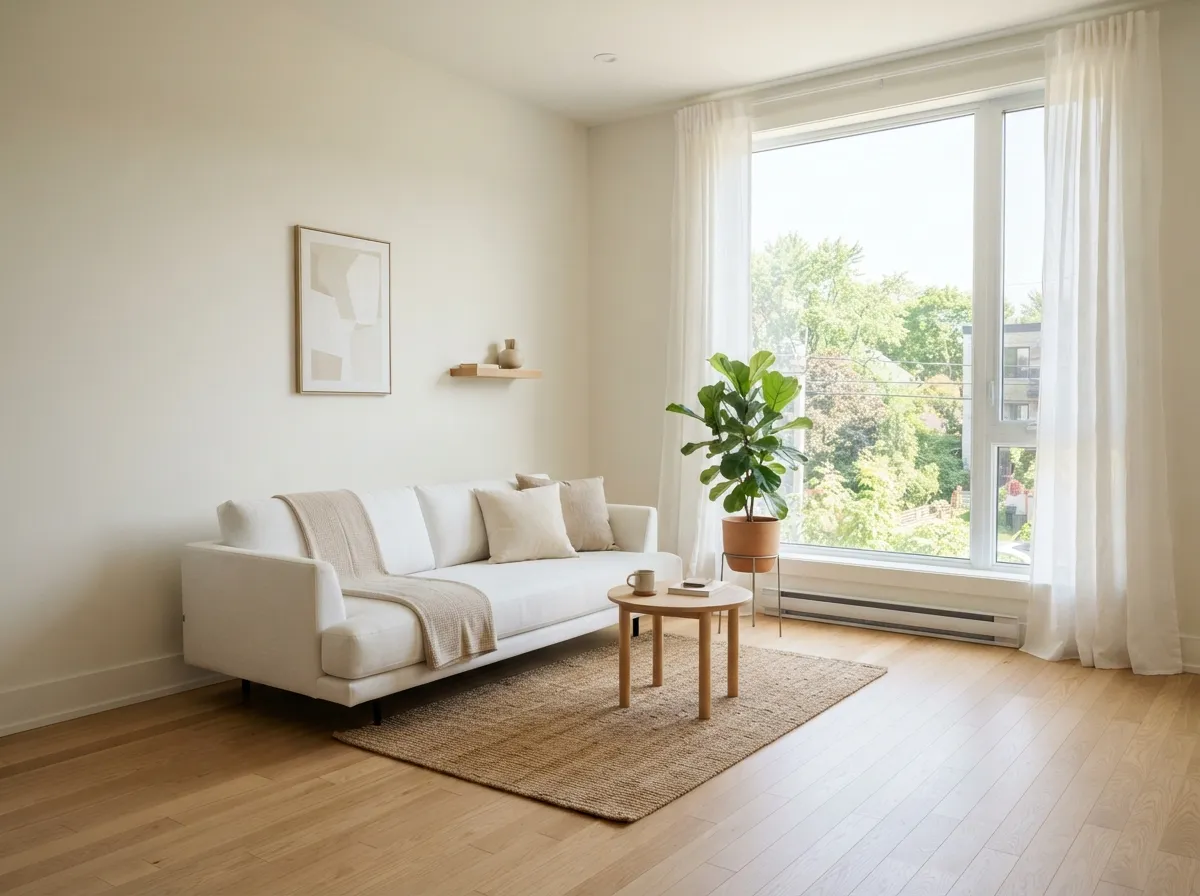
Natural light is a powerful, yet often overlooked, element in minimalist home design. Maximizing it can dramatically enhance the feel of your first apartment, making it appear more open and airy.
Keep windows unobstructed by heavy drapes or excessive decor.
Consider using sheer curtains or blinds that allow ample sunlight to filter through while still offering privacy. The presence of natural light invigorates a space, connecting the interior with the outside world.
This simple principle can make even the smallest rooms feel expansive and inviting. Prioritizing natural illumination reduces reliance on artificial lighting during the day and contributes to a brighter, more uplifting home environment.
6. Use Vertical Space Smartly
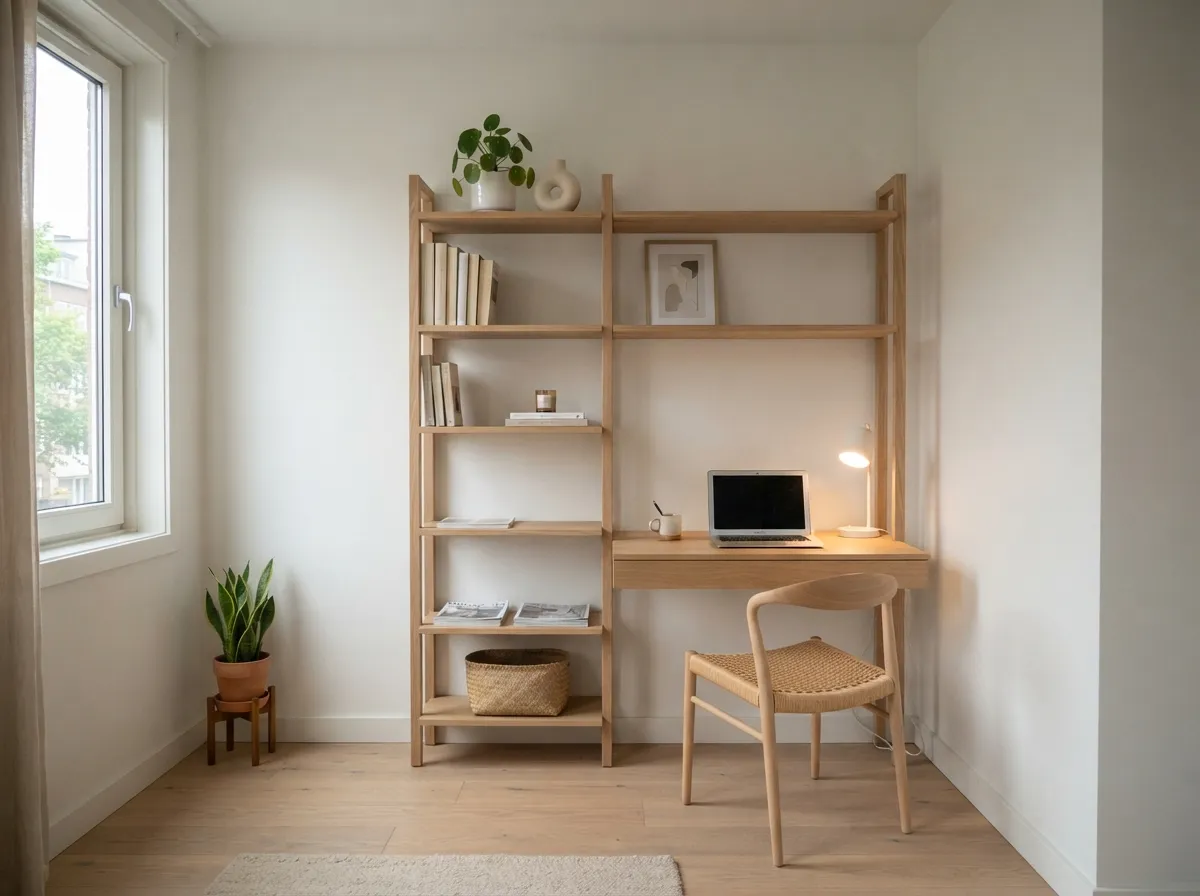
In smaller apartments, thinking upwards is key to maintaining a clean, minimalist aesthetic. Wall-mounted shelves and floating desks are excellent solutions to free up valuable floor space.
They help keep your essentials organized without adding bulk to the room.
Consider tall, slender storage units that draw the eye upwards, creating an illusion of greater height and openness. This strategy allows you to store items vertically, utilizing areas that would otherwise remain unused.
By strategically placing these elements, you can achieve a functional and uncluttered environment. Keep the decor on shelves minimal, with perhaps a few books, a small plant, and a ceramic vase.
Opt for light colors and natural wood finishes on these vertical pieces to ensure they blend seamlessly into your decor, contributing to an airy and expansive feel.
7. Select Minimalist Lighting Fixtures
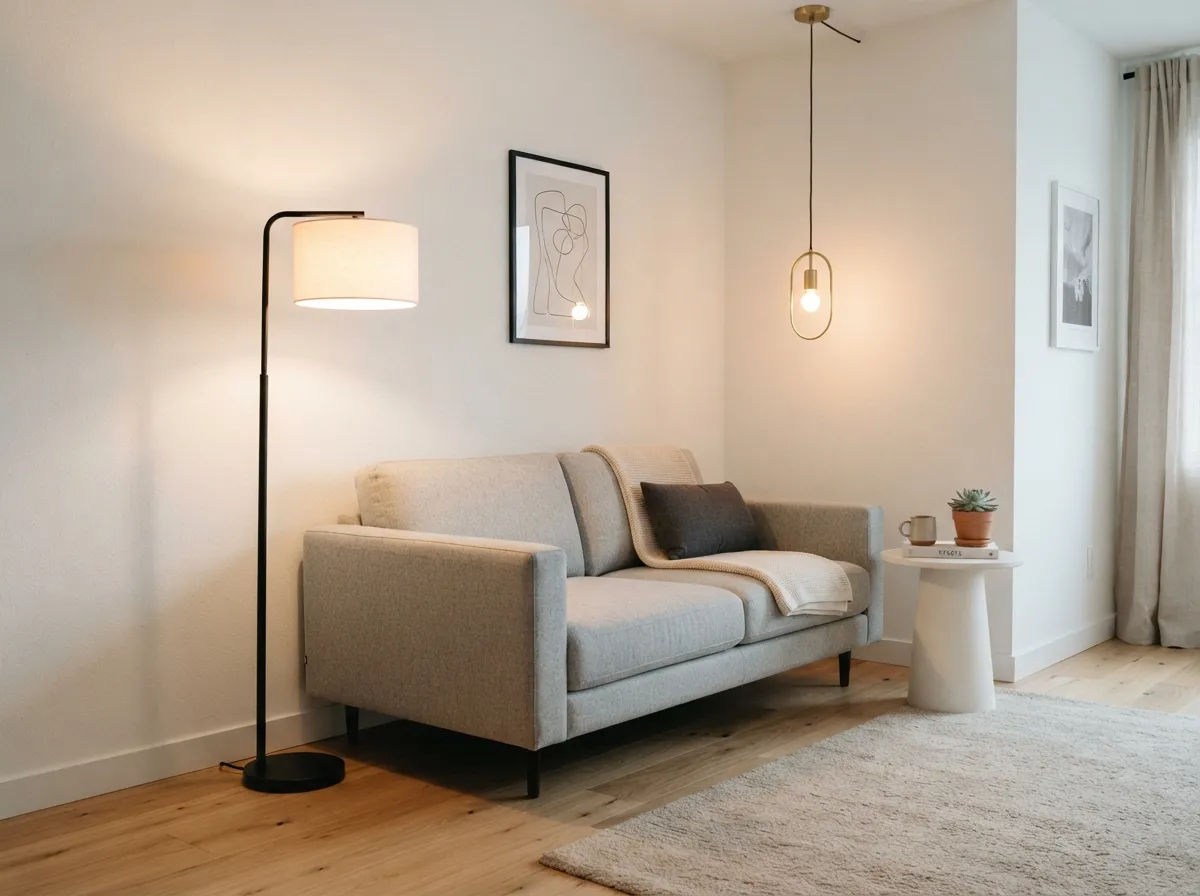
Lighting plays a crucial role in setting the mood and enhancing the perceived size of your minimalist apartment. Choosing fixtures with clean lines and simple forms ensures they complement your decor without overwhelming the space.
Recessed lighting offers a discreet option, while sleek pendant lights over a dining area or a simple floor lamp in a living room corner can add character. Look for geometric shapes in matte black metal or brushed brass finishes.
These materials provide a subtle industrial touch or a hint of warmth, respectively, fitting perfectly into a minimalist scheme. The goal is to provide ample, functional illumination.
Always opt for soft, warm white light to create an inviting and cozy atmosphere. This thoughtful selection contributes significantly to the overall comfort of your home.
8. Incorporate Textures for Depth
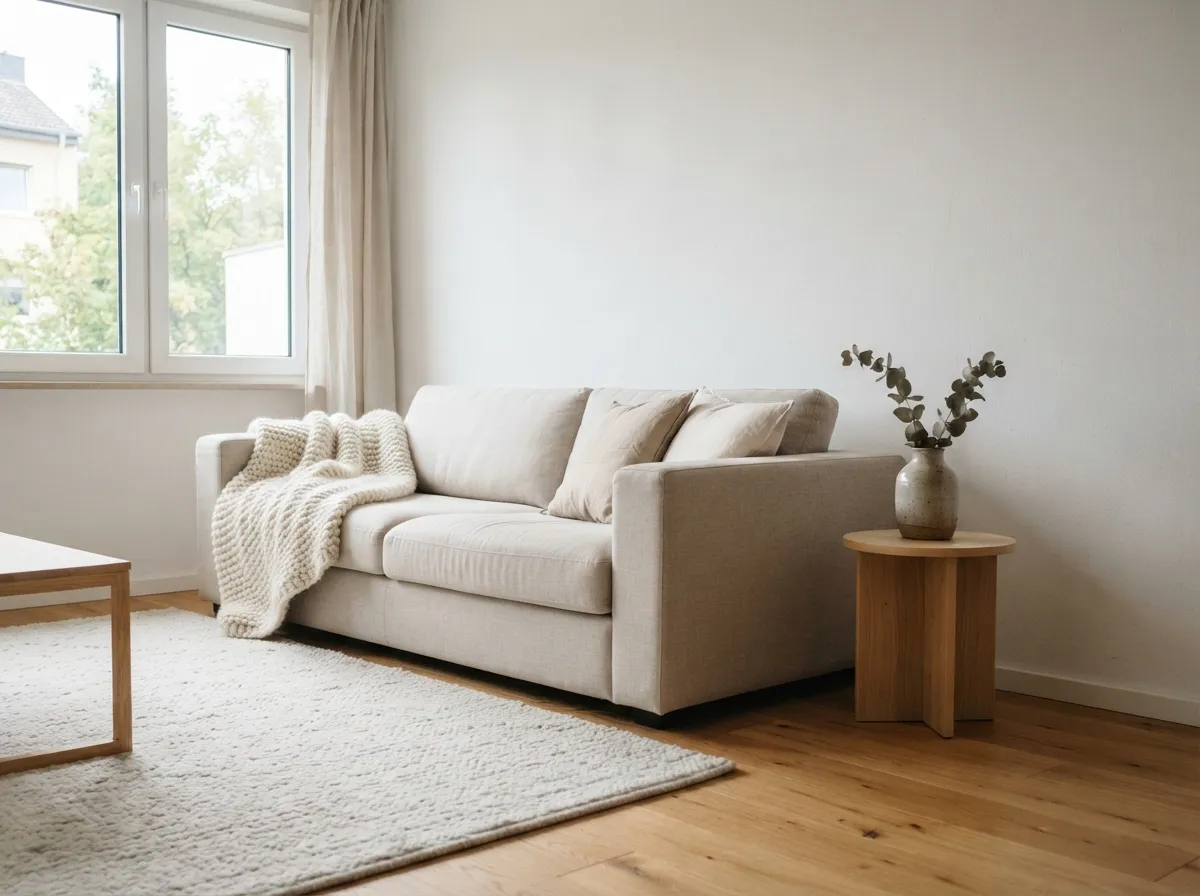
Minimalism doesn’t mean sacrificing warmth or visual interest. Incorporating varied textures is an effective way to add depth and personality to your space without introducing clutter.
Consider materials like linen, wool, cotton, and natural wood.
A chunky knit throw blanket draped over a sofa or a soft, textured rug underfoot can instantly make a room feel more inviting. These tactile elements provide comfort and visual softness.
Look for furniture pieces that highlight the natural grain of wood or the subtle weave of upholstery. These details create a rich sensory experience.
By layering different textures, you can achieve a visually engaging environment that feels grounded and comfortable, proving that a minimalist home can be incredibly welcoming.
9. Add Greenery with Houseplants
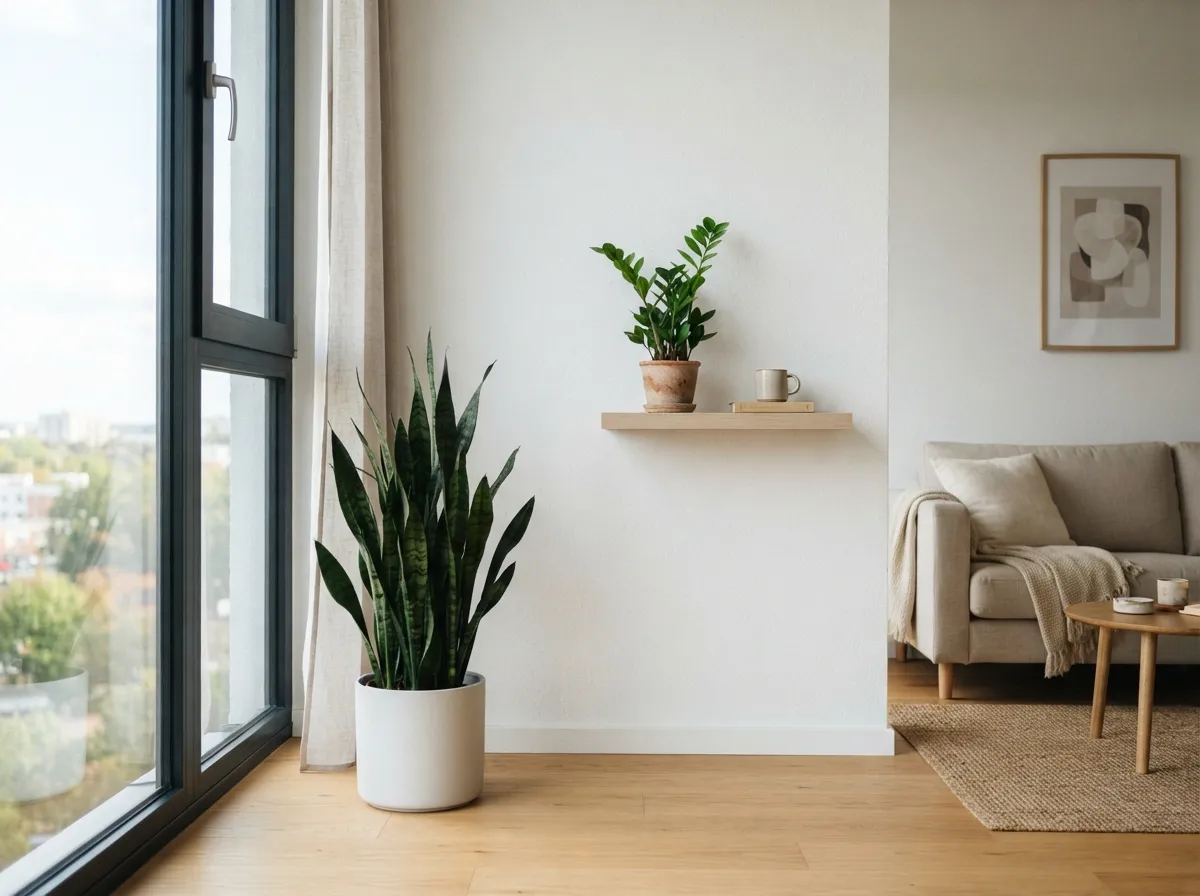
Introducing houseplants is a simple yet impactful way to infuse life and freshness into any minimalist apartment. They bring a touch of nature indoors, adding natural color and organic forms that soften clean lines.
Opt for low-maintenance varieties such as a tall snake plant, a resilient ZZ plant, or a small fig tree. These plants thrive with minimal care, perfect for a first apartment.
Place them in simple ceramic or terracotta pots.
Their presence not only enhances the aesthetic but also contributes to a healthier indoor environment by purifying the air. The natural green hues offer a refreshing contrast against neutral decor.
This greenery creates a sense of calm and vitality, making your minimalist space feel more alive and connected to the outdoors.
10. Define Zones in Open Layouts
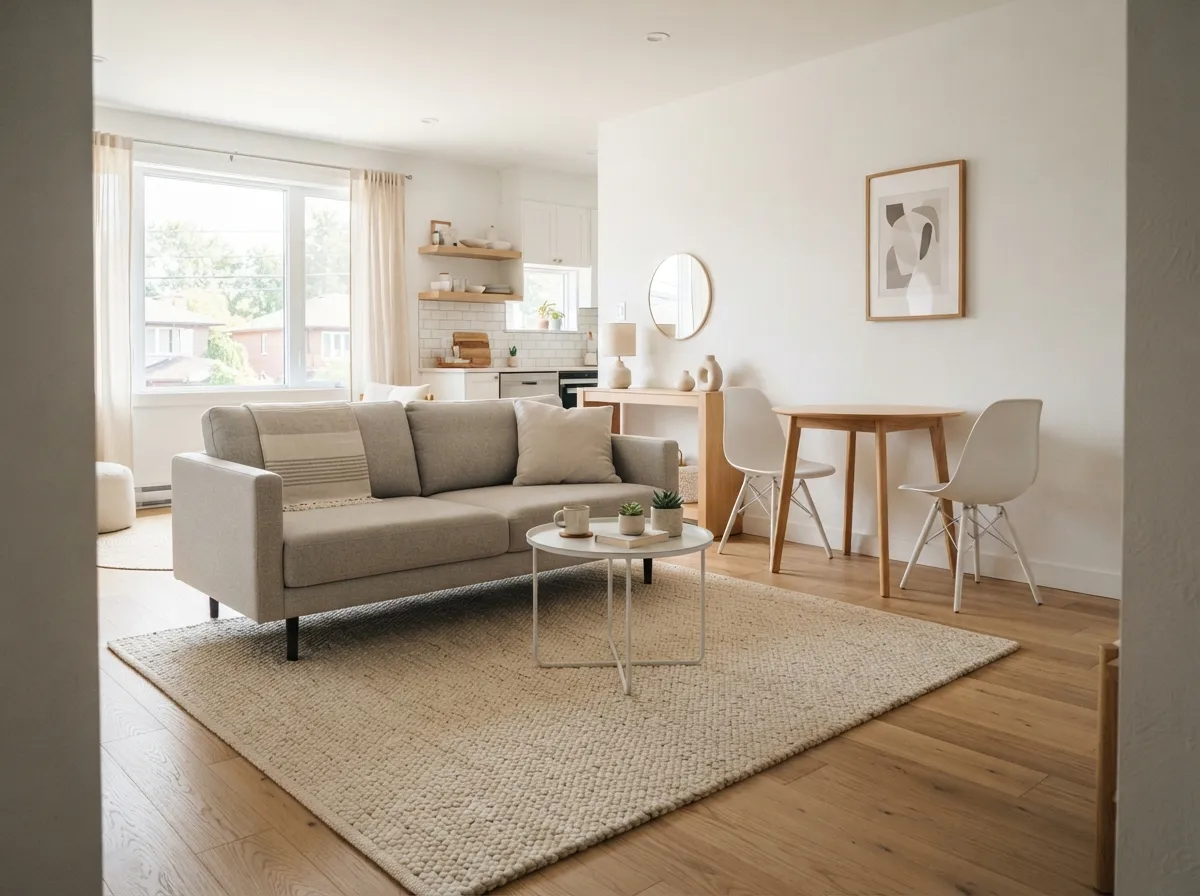
Open-concept apartments benefit greatly from clearly defined zones, which enhance functionality without sacrificing the feeling of spaciousness. Strategic furniture placement is key to achieving this separation.
Use a large, neutral-toned area rug to anchor and delineate your living area, instantly creating a distinct ‘room’ within the larger space. A sofa positioned to face inwards can also act as a natural divider.
Consider a minimalist console table placed behind the sofa to subtly separate the living room from a compact dining or workspace. This approach maintains an airy flow while providing purpose to each area.
These methods create functional divisions that make your apartment feel more organized and purposeful, ensuring every square foot is utilized effectively.
11. Keep Surfaces Clear and Clean
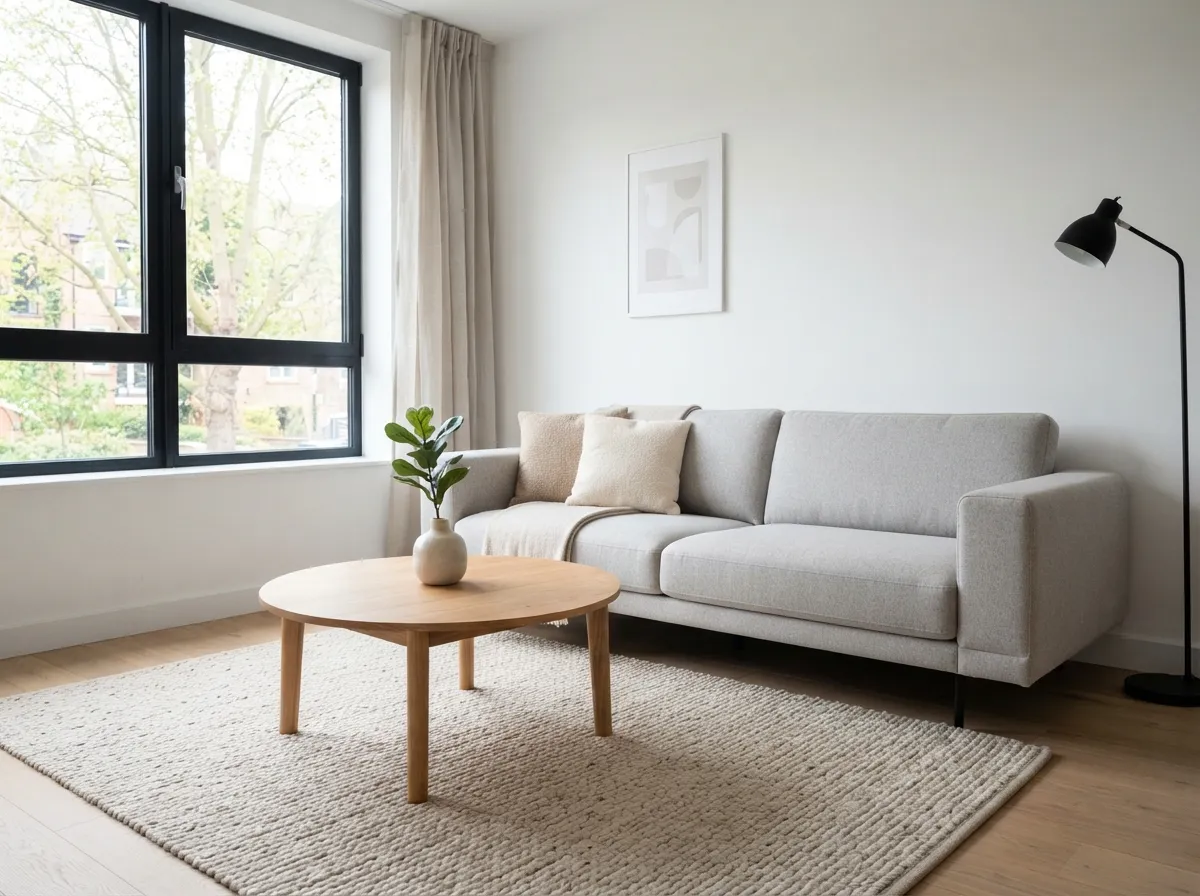
Maintaining clear and clean surfaces is fundamental to a minimalist aesthetic. This approach immediately creates a sense of calm and order in your first apartment.
Consider your coffee table, for example. Instead of cluttering it with magazines or remote controls, embrace simplicity.
A single, well-chosen decorative item, like a small ceramic vase with a fresh green plant, is often all you need. This thoughtful curation extends to all flat areas.
Keeping countertops, shelves, and tabletops largely empty helps to reduce visual noise. It allows the essential elements of your decor to truly stand out.
The overall effect is a serene and inviting environment. This promotes a feeling of spaciousness, even in smaller living areas, making your home feel much larger and more organized.
12. Opt for Hidden Storage Solutions
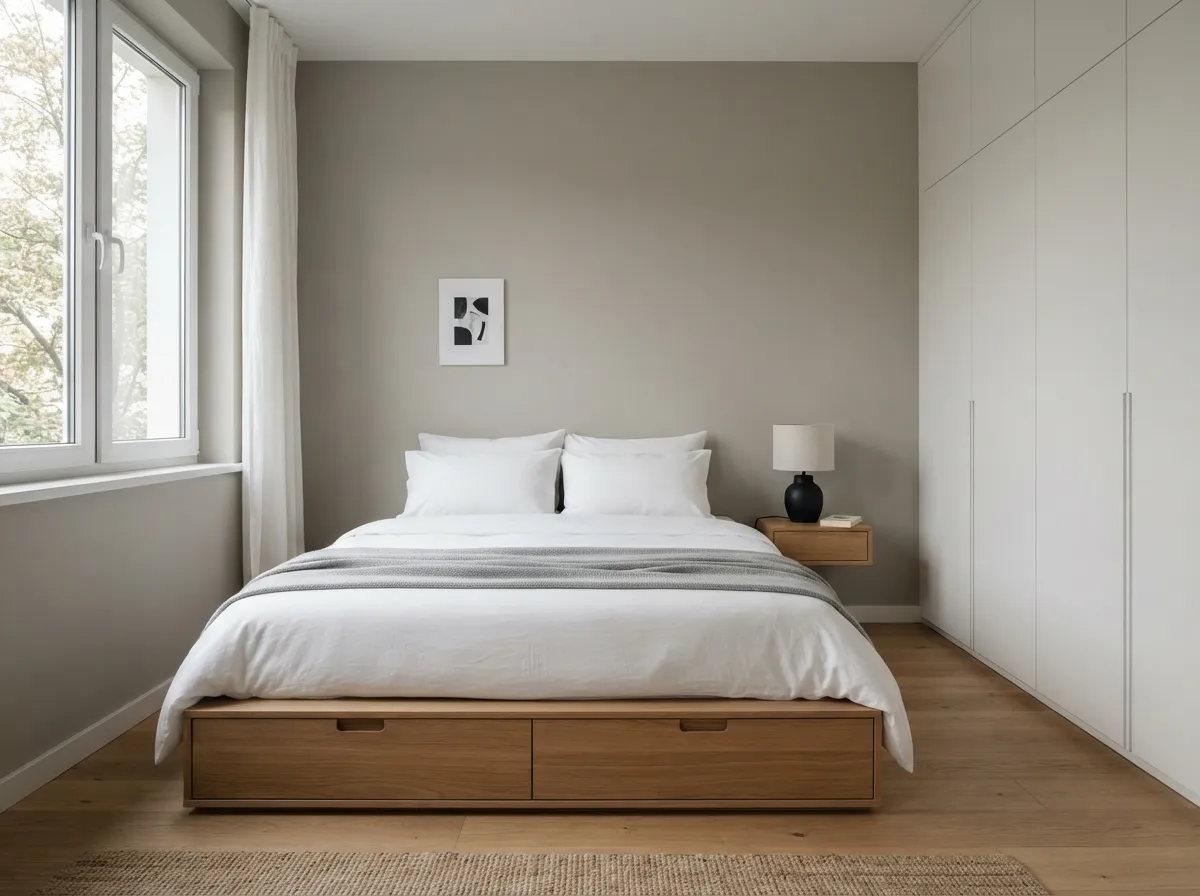
Hidden storage is a game-changer for maintaining a minimalist and uncluttered first apartment. It allows you to keep essential items out of sight, preserving a clean visual line.
Think about furniture pieces that offer dual functionality. A platform bed with integrated drawers underneath, for instance, provides valuable space for linens or seasonal clothing without adding extra bulk to your room.
Custom built-in wardrobes are another excellent option. With flat, handle-less doors that blend into the wall, they provide extensive storage while disappearing into the background.
This design choice creates a sleek and unified appearance. Embracing these solutions means your belongings are neatly tucked away, ensuring your living spaces remain calm and free from visual distractions.
This contributes significantly to a peaceful and orderly home environment.
13. Personalize with Thoughtful Art
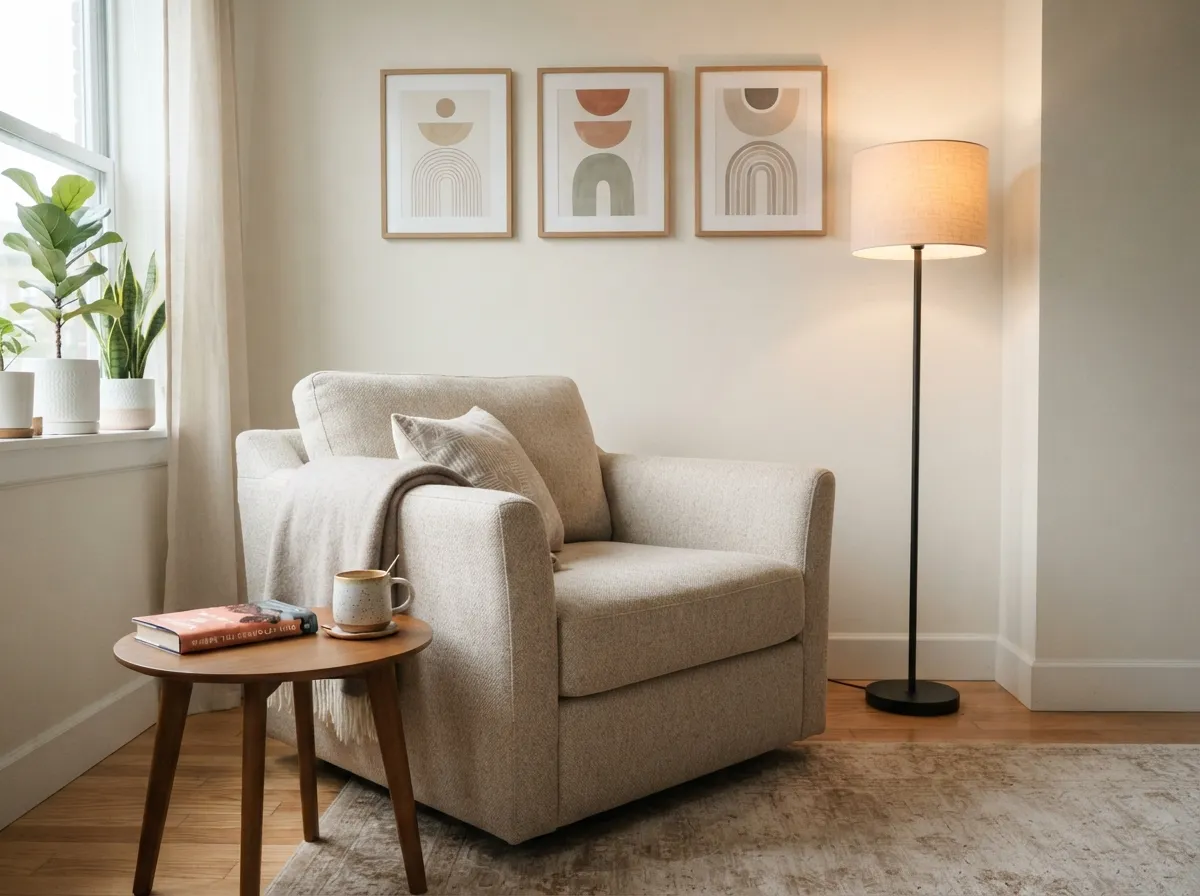
Personalizing your first apartment with thoughtful art is key to making a minimalist space feel truly like home. Choose pieces that resonate with you and reflect your unique personality.
Instead of filling every wall, select a few impactful artworks. A small gallery wall, for example, can feature abstract pieces with earth tones and clean lines, adding character without overwhelming the room.
These selections should complement your overall design aesthetic. The key is curation over quantity.
Each piece should have a purpose and bring you joy. This approach ensures your decor feels intentional and authentic.
Art adds warmth and a personal touch to your surroundings. It transforms a simple room into a welcoming and inspiring area, making your apartment feel uniquely yours.
14. Use Mirrors to Expand Space
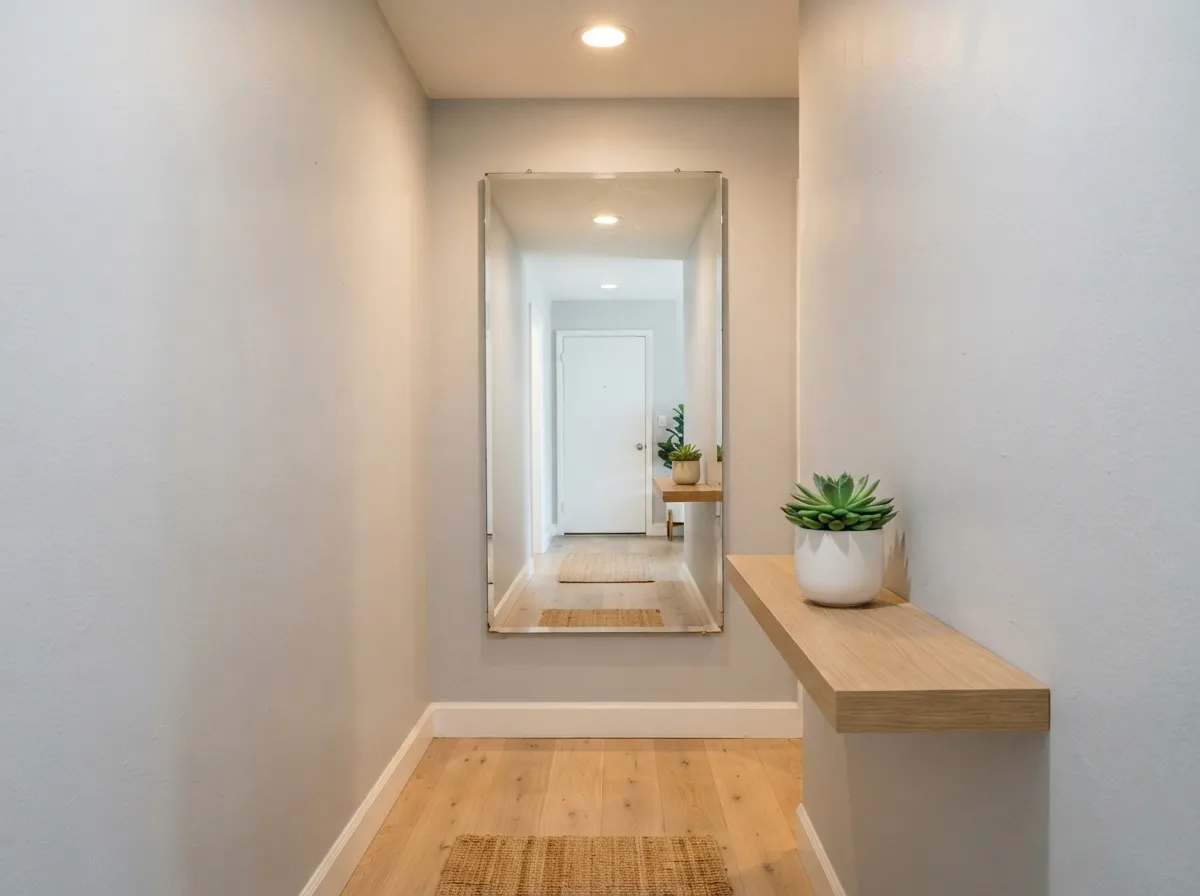
Mirrors are an incredibly effective tool for expanding the perception of space in your first apartment. They cleverly bounce light around a room, making even smaller areas feel more open and airy.
Consider placing a large, unframed rectangular mirror in a narrow entryway. Leaning it against a light-colored wall can dramatically reflect the opposite hallway, instantly creating an illusion of depth and width.
This optical trick is especially useful in compact living situations. Beyond their practical use, mirrors also serve as a minimalist decorative element.
Their reflective surface adds a subtle shimmer without introducing clutter. By strategically positioning mirrors, you can brighten dark corners and enhance the natural light in any room.
This simple addition makes your apartment feel more expansive and inviting.
15. Stick to a Cohesive Design Style
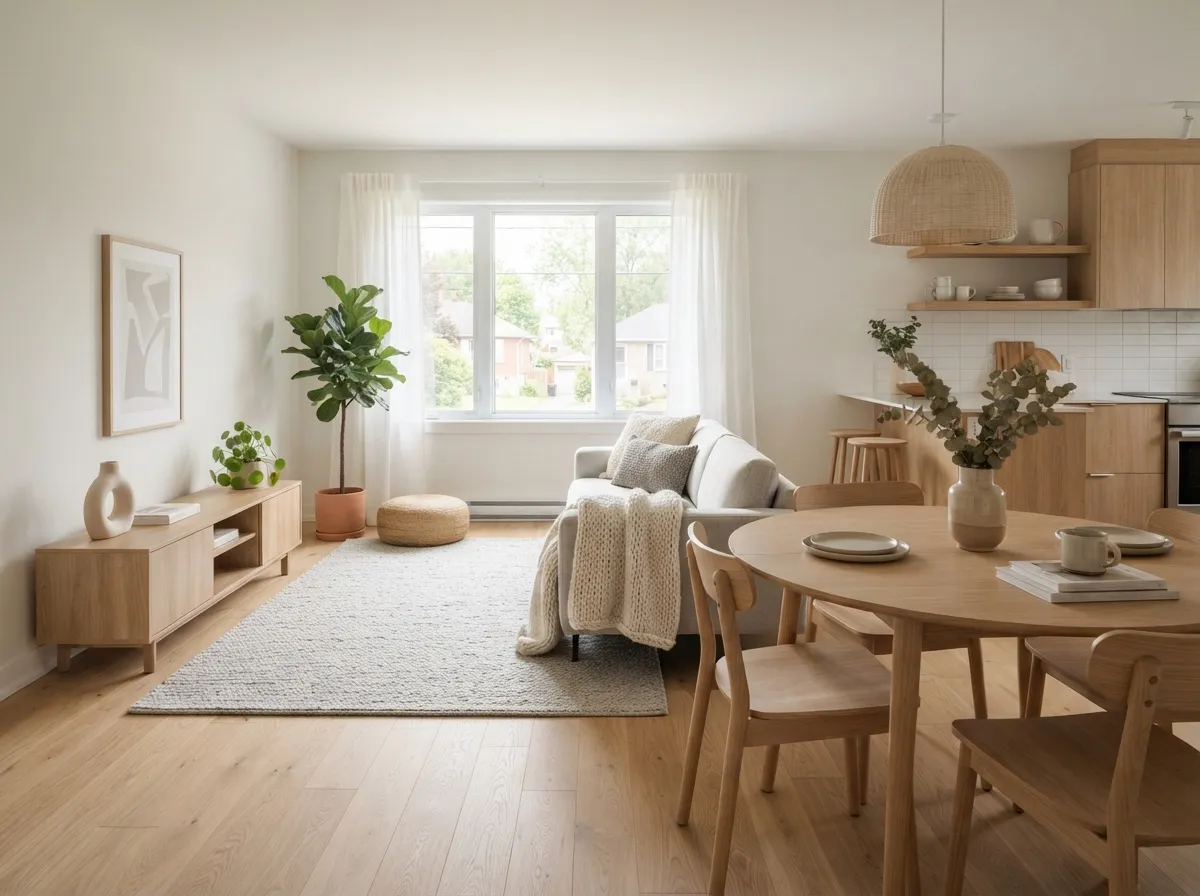
Sticking to a cohesive design style is paramount for achieving a truly minimalist aesthetic in your first apartment. Consistency in your choices creates a unified and calming environment.
For example, adopting a Scandinavian minimalist aesthetic means selecting furniture with clean lines and light wood tones. This applies to everything from your dining table and chairs to your media console, ensuring every piece complements the others.
Maintain a consistent color palette throughout your space. Soft white walls, paired with muted greys and creams in textiles, establish a harmonious backdrop.
This prevents any single element from clashing or standing out too much. This thoughtful approach ensures that every item contributes to the overall sense of order and tranquility.
Your entire apartment will feel intentionally designed and wonderfully inviting.
16. Organize Your Entryway Simply
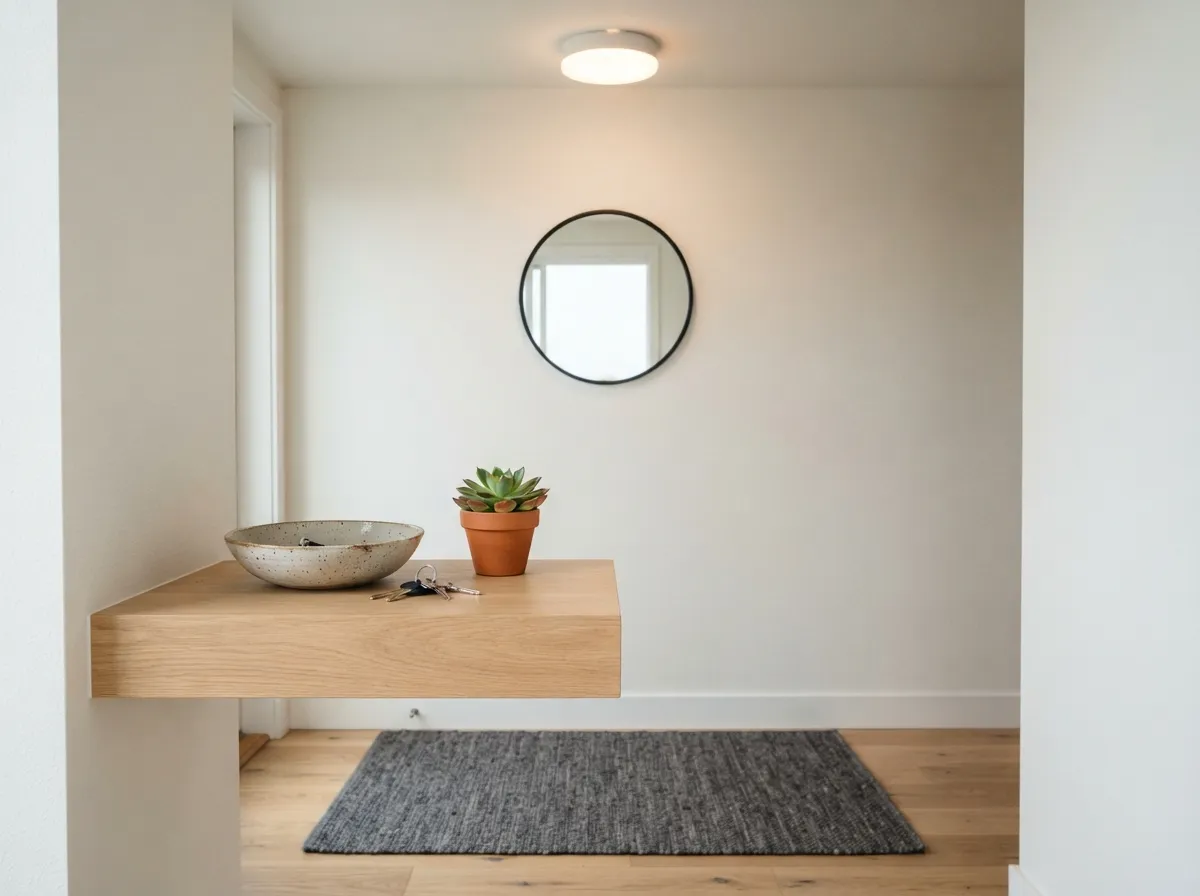
Your entryway sets the tone for your entire home. Keep it inviting and clutter-free, especially in a smaller apartment.
Focus on essential items. A key consideration is a practical spot for everyday necessities like keys and mail.
A wall-mounted floating shelf in light natural wood provides a perfect, unobtrusive solution. Pair it with a simple ceramic bowl and a small, vibrant succulent for a touch of life.
Enhance the space further with a round mirror featuring a thin black frame. This not only adds depth but also reflects natural light, making the area feel larger.
A soft, matte white wall and a dark grey woven rug complete this serene welcome.
17. Create a Cozy Reading Nook
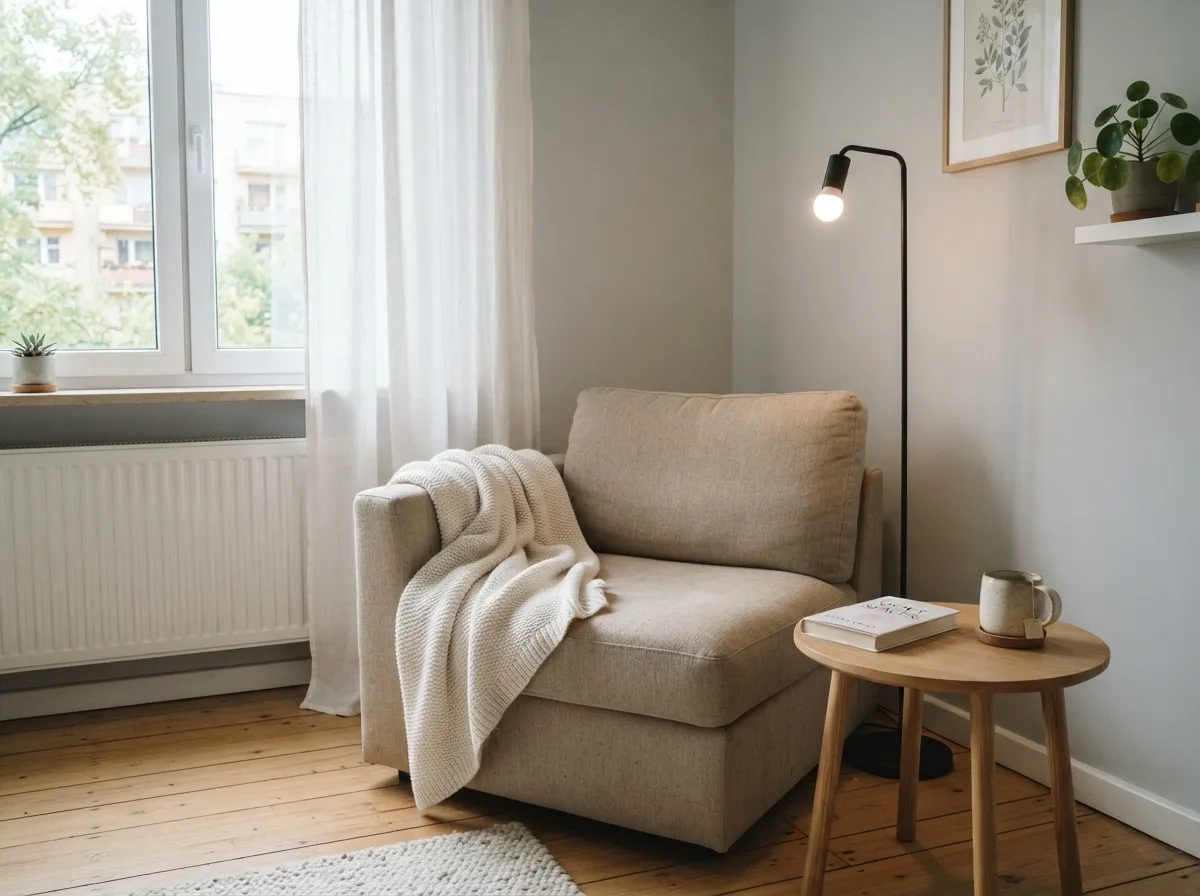
Even in a small apartment, carving out a dedicated spot for relaxation is essential. A reading nook doesn’t require much space, just thoughtful curation.
Choose a comfortable, armless single armchair in a neutral beige fabric to maximize comfort without overwhelming the room. Its sleek profile fits perfectly into a corner.
Illumination is key for reading. A slender, modern floor lamp provides warm, focused light, complementing the natural light from a nearby window draped with sheer white curtains.
Complete the nook with a small, round side table made of light wood for your book and a ceramic mug. A soft, off-white knit throw blanket draped over the chair adds texture and warmth against the calming light grey wall.
18. Simplify Your Kitchen Essentials
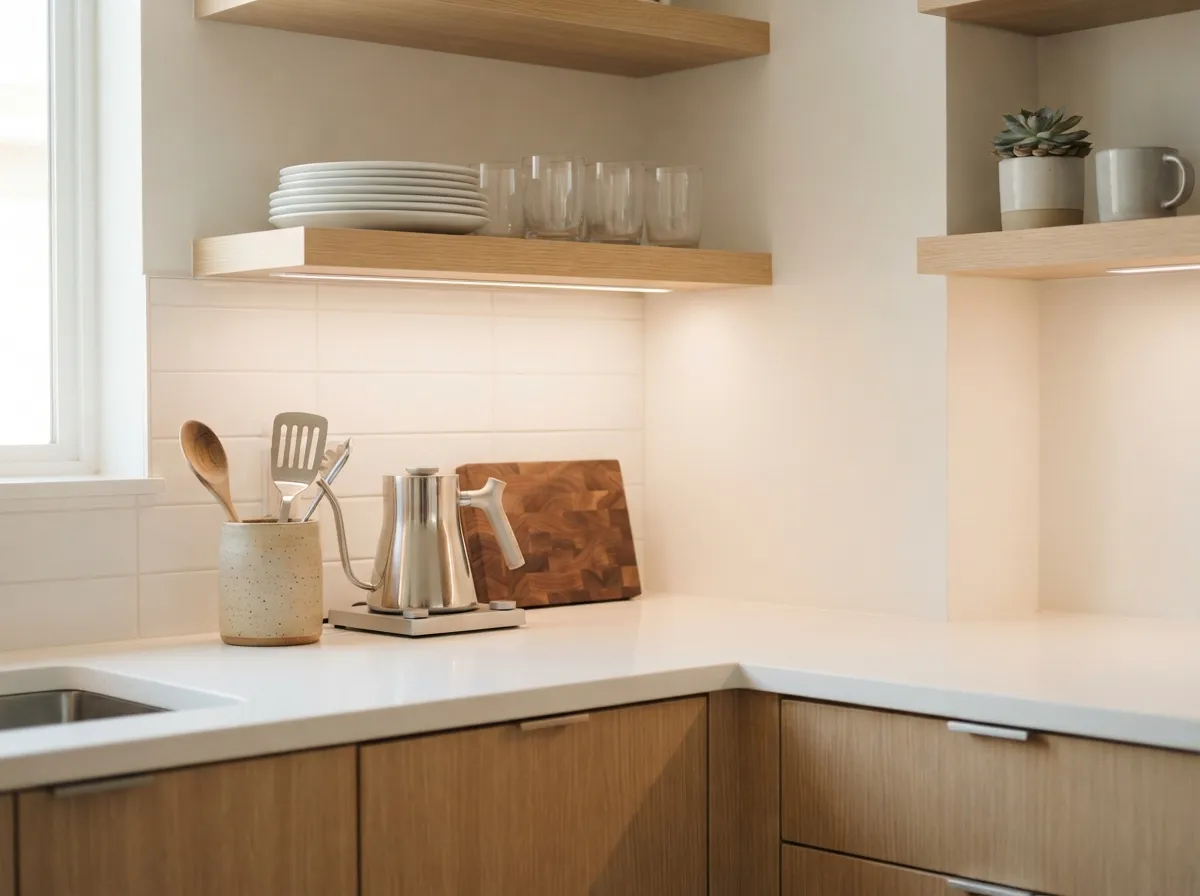
A minimalist kitchen is all about functionality and ease of use. Begin by decluttering, keeping only the items you genuinely use regularly.
Your countertops should be as clear as possible to facilitate cooking and cleaning. Consider light wood cabinetry paired with a clean white countertop for a bright, airy feel.
Display only essential appliances and tools. A sleek stainless steel electric kettle and a small wooden cutting board are practical and aesthetically pleasing.
A ceramic utensil holder keeps a few key cooking tools organized. Utilize open shelving for frequently accessed items like a stack of white ceramic plates and basic glass tumblers.
This organized approach, enhanced by warm under-cabinet lighting, ensures a calm and efficient cooking space.
19. Design a Tranquil Bedroom
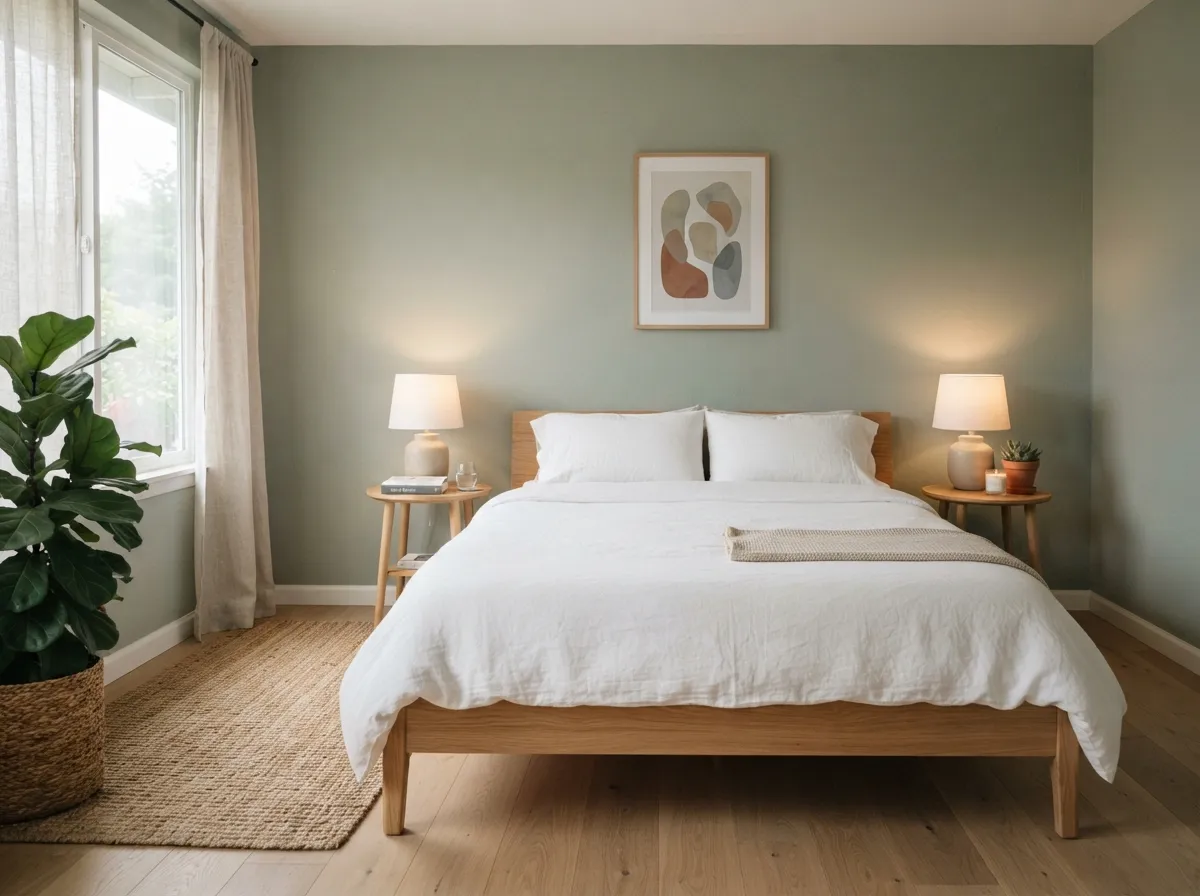
Your bedroom should be a place of ultimate calm and rest. Embrace minimalism to create a truly serene atmosphere.
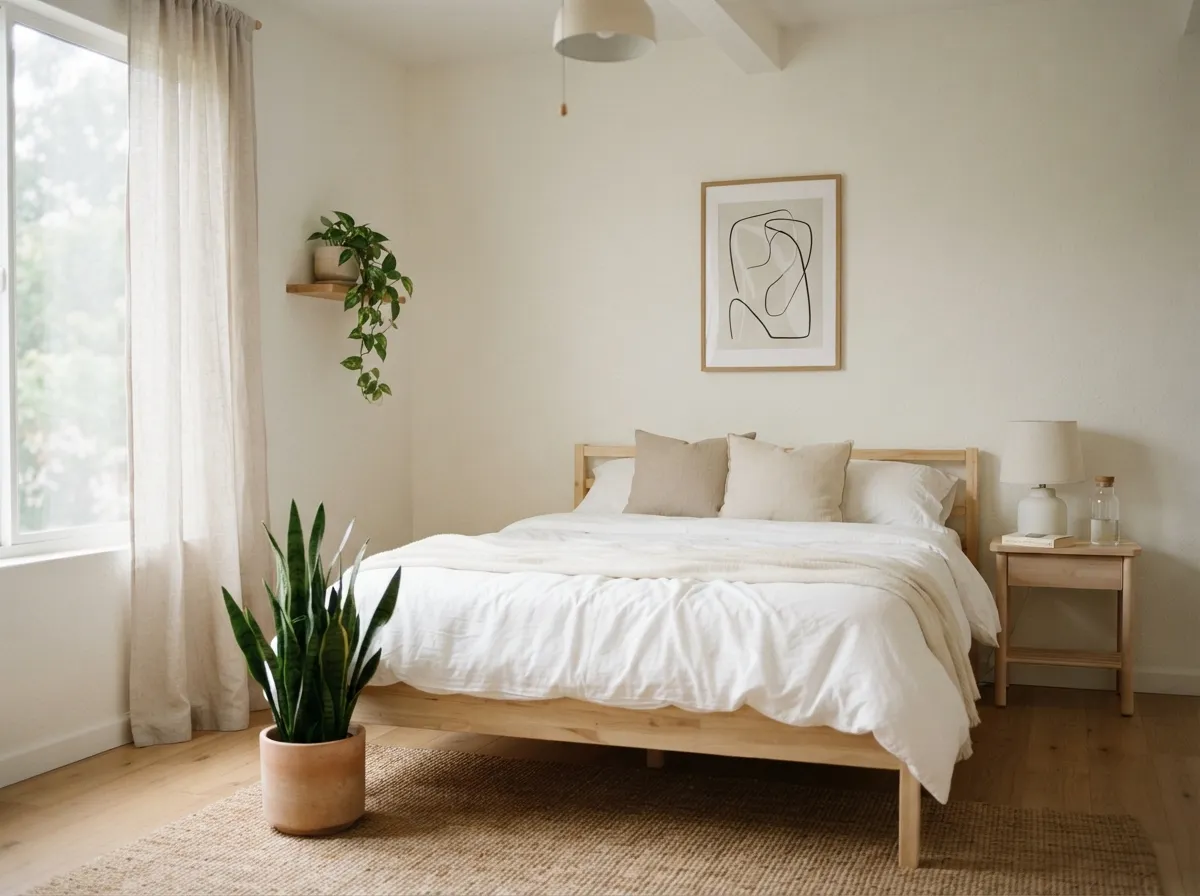
Start with the bed, the focal point of the room. A low-profile bed with a simple wooden frame and a crisp white duvet cover promotes a clean, uncluttered look.
Flank the bed with matching small, round nightstands made of light wood. Each can hold a minimalist ceramic table lamp, providing a soft, ambient glow for evening relaxation.
A single piece of abstract art in muted earth tones above the bed adds personality without visual noise. The calming muted sage green walls and sheer linen curtains on a large window complete this peaceful setting, allowing soft morning light to fill the room.
20. Choose Functional Bathroom Decor
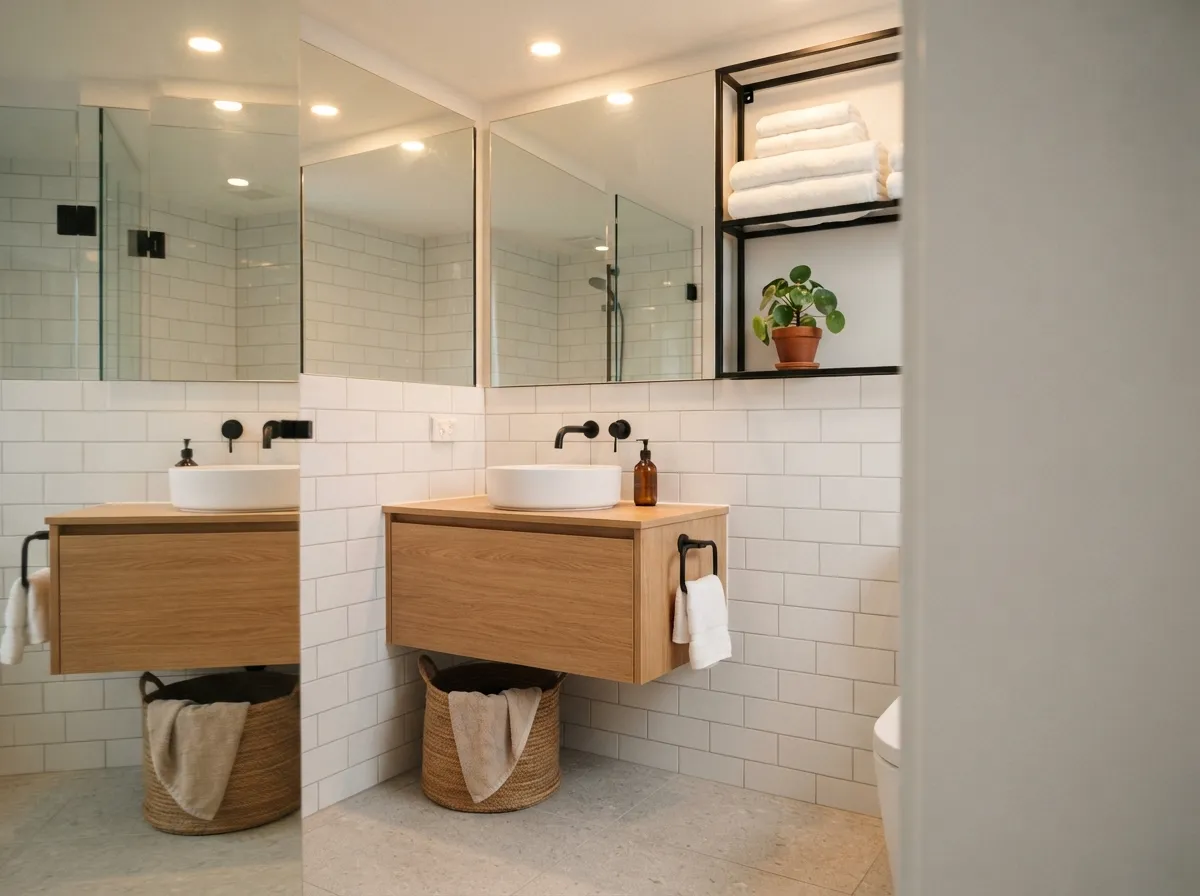
In a minimalist bathroom, every item serves a purpose and contributes to a clean, organized aesthetic. Focus on functionality without sacrificing style.
Consider a floating vanity with a light wood finish and a clean white basin. This maximizes floor space, making the bathroom feel larger and more open.
A large, frameless mirror above the vanity not only serves its practical purpose but also reflects light, further enhancing the sense of space. The backdrop of white subway tiles adds a classic, clean texture.
Utilize open shelving made of thin black metal for neatly folded white towels and a touch of greenery from a small potted plant. A simple, round woven basket on the floor keeps laundry discreetly contained, all illuminated by subtle, warm recessed lighting.
21. Embrace Bare Walls Where Possible
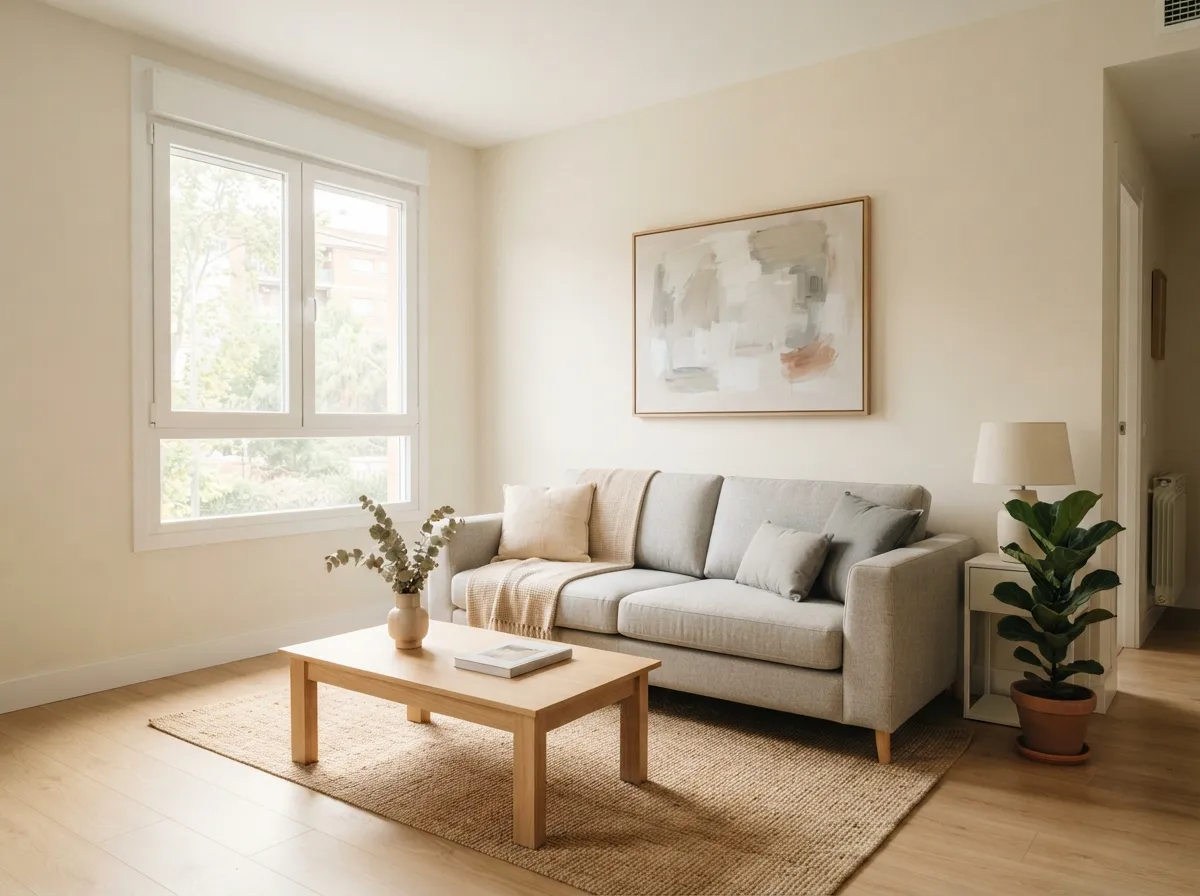
In a minimalist apartment, the absence of clutter extends beautifully to your walls. Embracing bare walls creates an immediate sense of spaciousness and calm, making your first apartment feel larger and more serene.
This approach allows the architectural features of your space to truly shine without competition. Consider leaving most walls unadorned, painted in a light, neutral shade like soft white or a gentle grey.
If you choose to display art, select one significant piece rather than a gallery wall. A single, thoughtfully chosen abstract print or a simple, elegant wall clock can serve as a focal point without overwhelming the room.
22. Select Simple Window Treatments
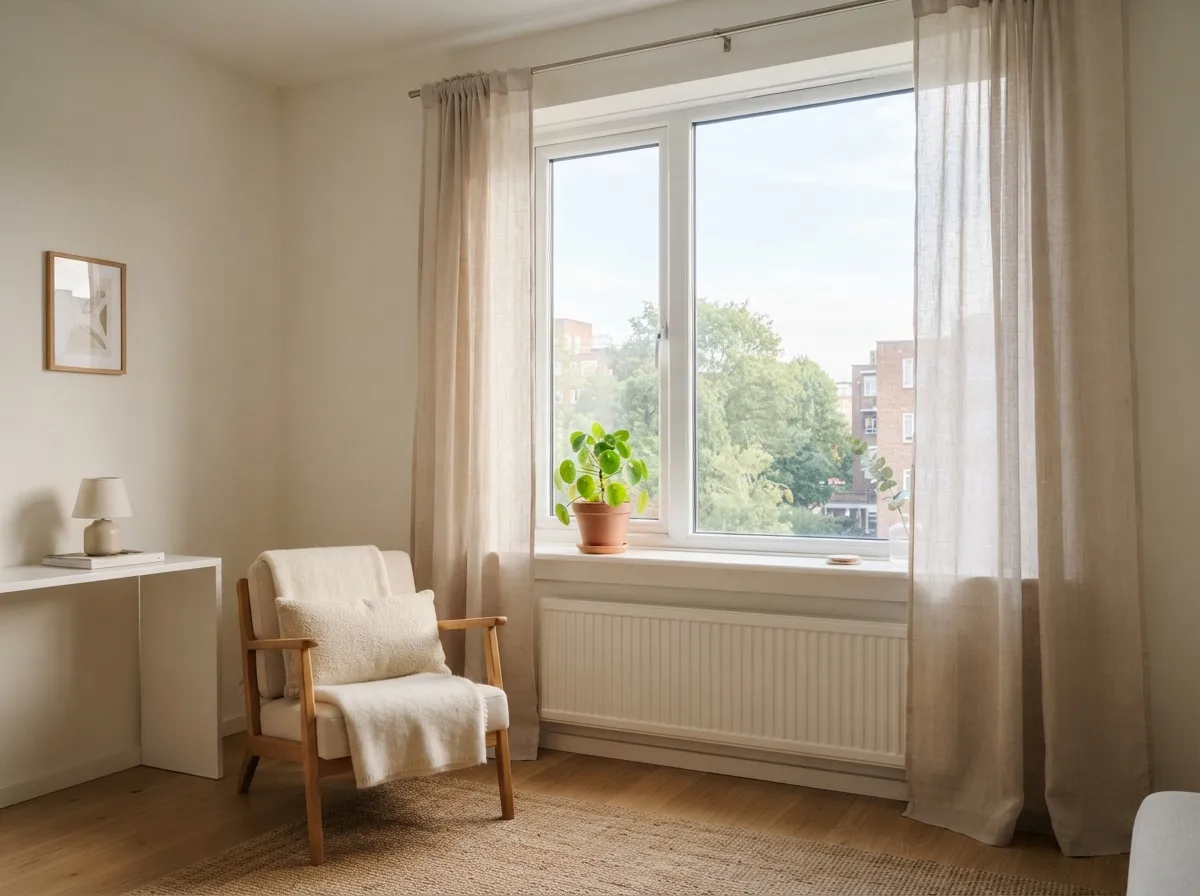
Window treatments play a pivotal role in controlling light and privacy while maintaining a minimalist aesthetic. The key is simplicity and functionality, ensuring your windows enhance the room’s open feel rather than detracting from it.
Opt for treatments that are uncluttered and easy to operate. Think about sleek roller blinds in a neutral color, or perhaps delicate sheer linen curtains that gently diffuse natural light.
These choices provide privacy when needed but otherwise allow maximum light to flood your living space. Avoiding heavy drapes or ornate valances helps to maintain the clean lines essential to minimalist decor, contributing to an expansive and airy atmosphere in your first apartment.
23. Focus on Clean Lines in Furniture
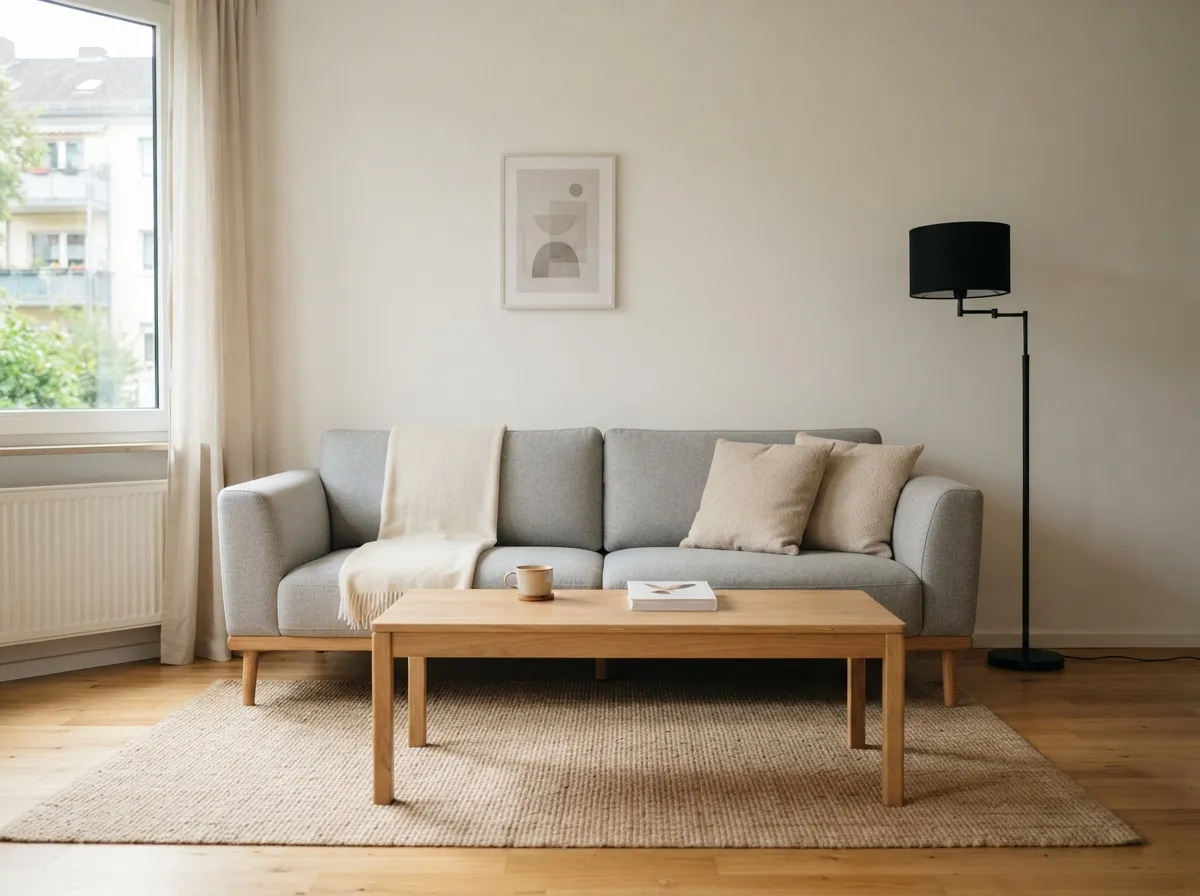
When selecting furniture for your minimalist first apartment, prioritize pieces that boast clean, uncluttered lines. This design principle is fundamental to the minimalist aesthetic, as it promotes a sense of order and visual simplicity.
Look for items with straightforward shapes, flat surfaces, and minimal ornamentation. A sofa with slim arms and exposed legs, or a rectangular coffee table made of light-toned wood, are excellent examples.
Such furniture prevents visual bulk and allows the eye to flow smoothly through the room. Materials like light-colored wood, metal, or simple upholstery in solid, neutral tones further enhance this refined and functional approach, creating a serene environment.
24. Arrange Furniture for Flow
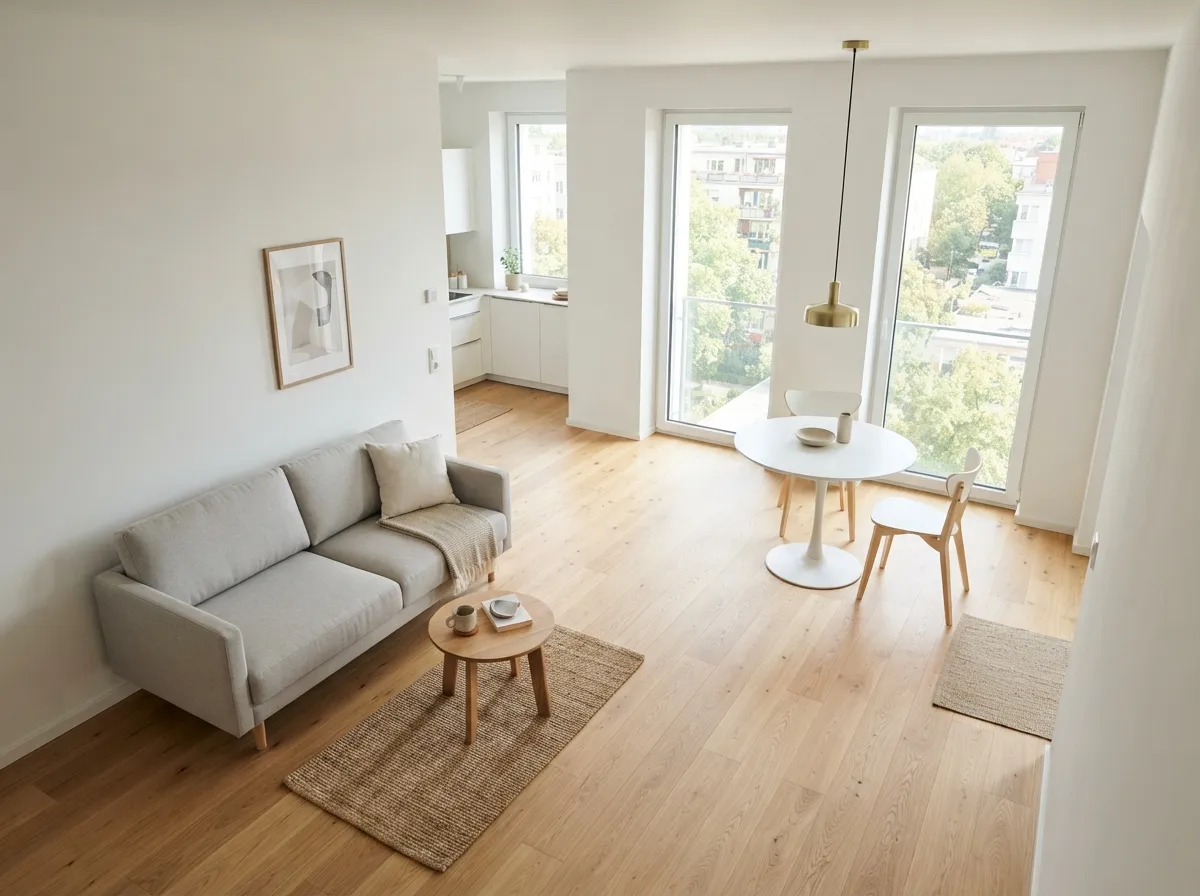
In a minimalist apartment, thoughtful furniture arrangement is crucial for creating a sense of openness and ease of movement. The goal is to establish clear pathways and ensure that each piece serves a purpose without obstructing the natural flow of the space.
Consider the journey through your rooms and arrange furniture to guide the eye and body smoothly. Avoid placing large items in the middle of a room or blocking windows, which can impede both physical movement and natural light.
This strategic placement helps maintain the light and airy feel of your home. By allowing ample space between pieces, you enhance the overall feeling of calm and spaciousness, making your apartment feel more inviting and organized.
25. Use Area Rugs for Definition
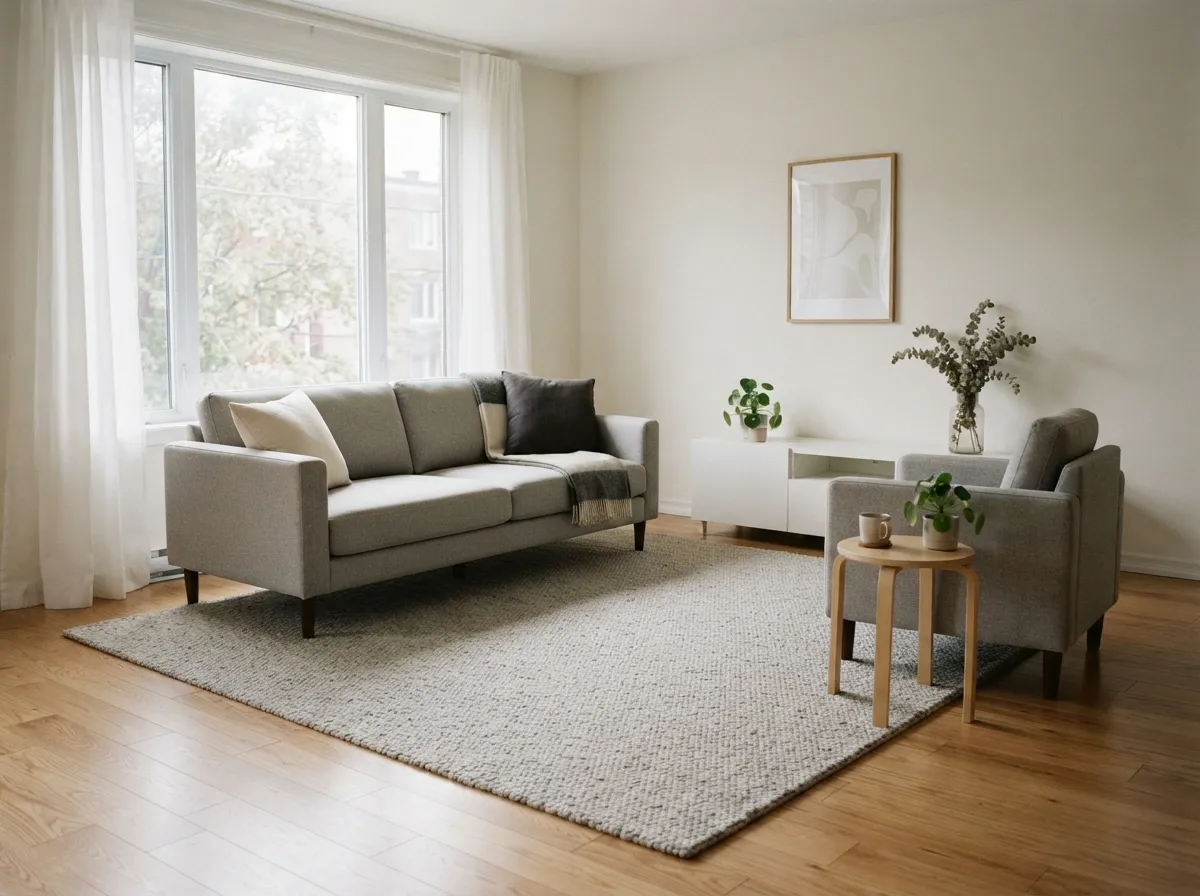
Area rugs are invaluable tools in a minimalist apartment, particularly in open-concept layouts, for defining distinct zones without adding visual clutter. They can anchor a seating arrangement or mark off a dining area, effectively creating ‘rooms within a room.
‘ Choose rugs in neutral colors like cream, light grey, or soft beige. These tones blend seamlessly with the minimalist palette, providing warmth without overwhelming the space.
Consider subtle textures, such as a low-pile wool or a woven jute rug, to introduce tactile interest. This approach adds comfort and a grounded feel to your first apartment.
A well-placed rug helps to delineate functions while maintaining an overall cohesive and simple aesthetic.
26. Edit Your Decor Regularly
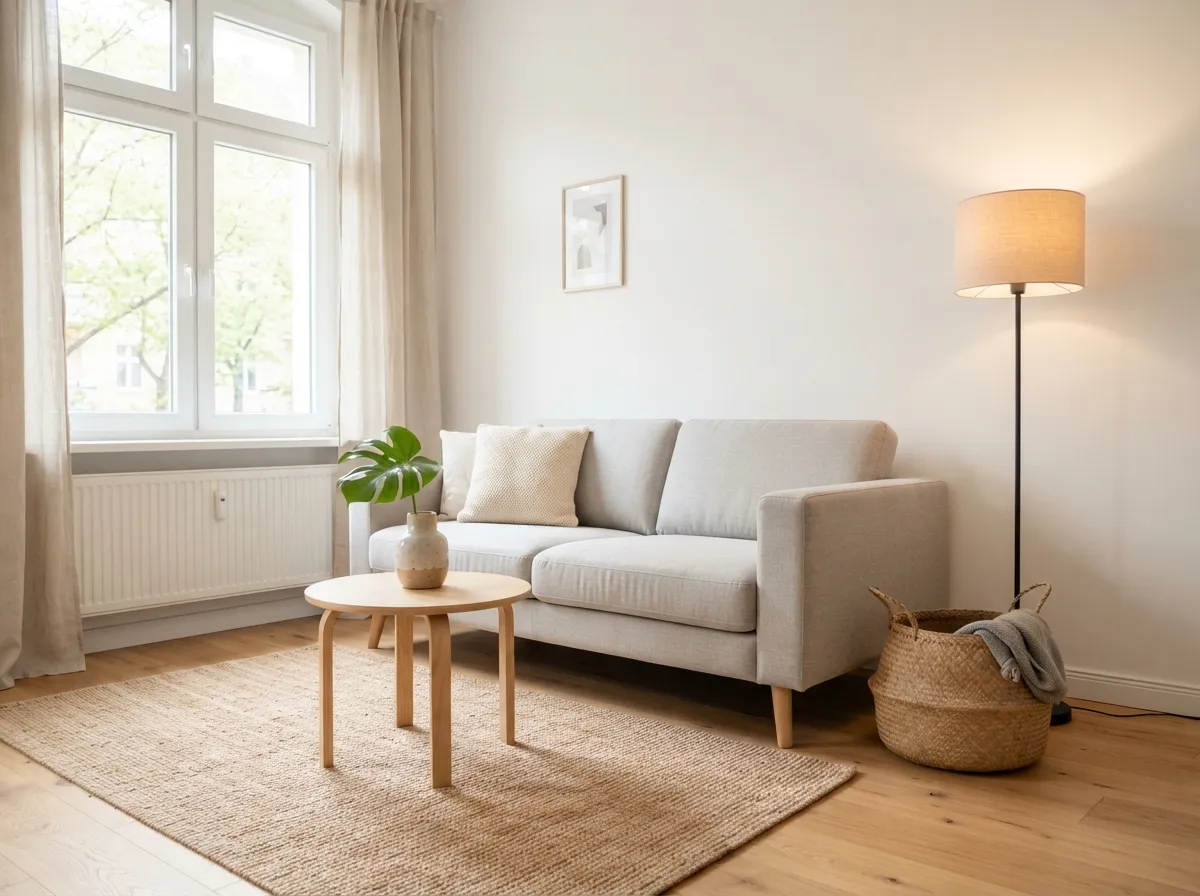
Maintaining a minimalist aesthetic means ongoing effort. Your first apartment is a dynamic space, and your needs will evolve over time.
Periodically take a fresh look at your belongings. Consider reviewing what you have every few months.
Are there items on your shelves that no longer serve a purpose or bring you joy? Remove them to maintain clarity.
This regular editing process keeps your space feeling intentional and uncluttered. It ensures that every object in your home holds value and contributes to the overall calm atmosphere.
For instance, that clean, light-colored sofa remains inviting because stray items are routinely put away. The natural light from the window illuminates a truly serene environment, free from visual noise.
27. Start Small and Build Gradually
When decorating your first apartment with a minimalist approach, resist the urge to fill every corner immediately. Begin with the absolute essentials that make your space functional and comfortable.
Live in your apartment for a few weeks or even months before making significant purchases. This allows you to truly understand the flow, natural light, and how you use each area.
You will discover what you genuinely need, rather than buying items out of habit or perceived necessity. This thoughtful process leads to more meaningful and lasting additions to your home.
Imagine a calm bedroom with just a simple bed frame, crisp neutral bedding, and a single light wood nightstand holding a small lamp. This intentional beginning sets the stage for a truly personal and uncluttered environment.
Adopting minimalist principles for your first apartment creates a calm, organized, and beautiful living space. By focusing on quality over quantity and intentional choices, you’ll build a home that reflects tranquility and personal style, providing a peaceful retreat from the world.