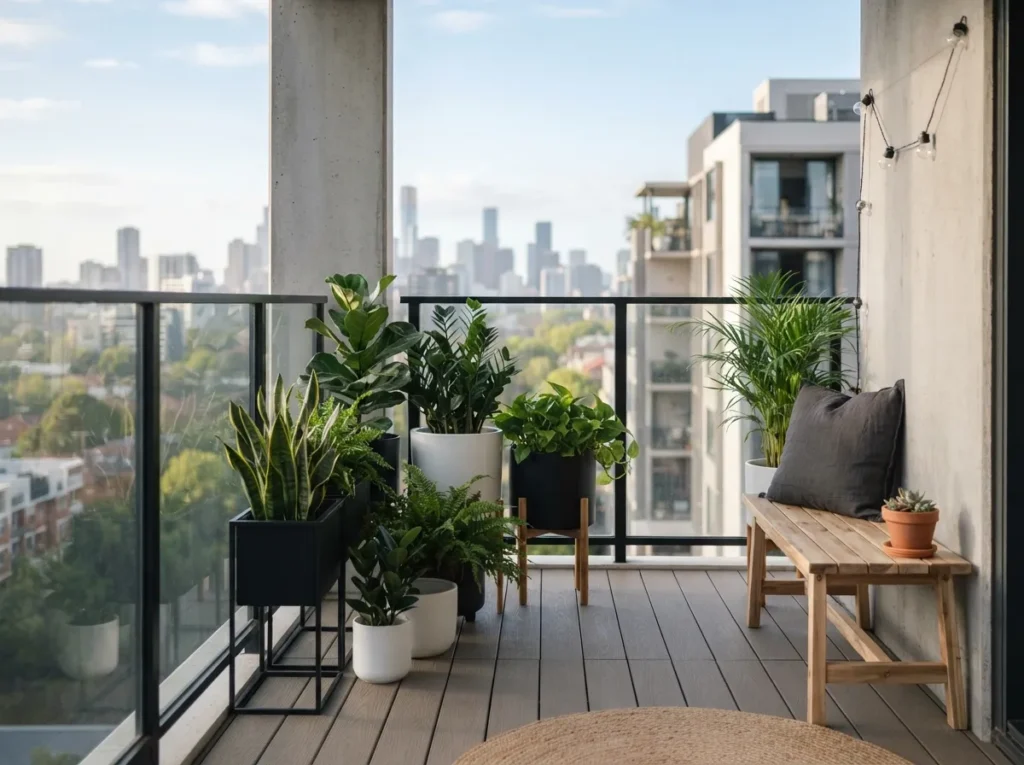
Starting a minimalist balcony garden is an easy way to bring nature home without cluttering your outdoor space. These practical, beautiful design ideas will help beginners create a serene, green retreat using simple plants, functional containers, and clean layouts that maximize even the smallest balconies.
1. Choose a Monochromatic Color Palette
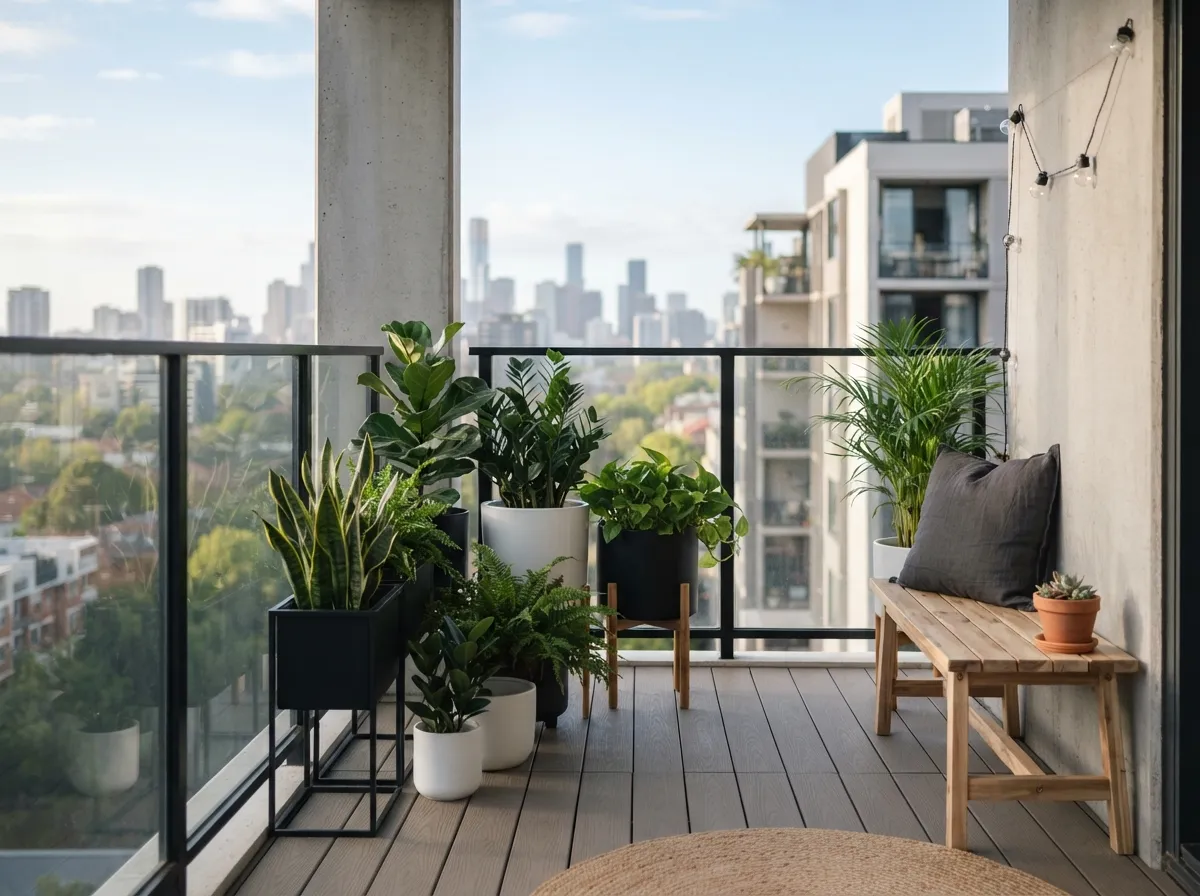
Creating a cohesive look on your balcony begins with a simple color scheme. Choosing a single color theme, like shades of black, white, and grey, keeps the small space looking tidy and organized.
When your containers share the same neutral tone, the vibrant green foliage of your plants becomes the main focus. This approach prevents visual clutter and makes planning your layout much easier.
You can mix different textures of pots while keeping the colors identical. This simple trick adds depth without overwhelming your limited outdoor area.
2. Utilize Vertical Wall Planters
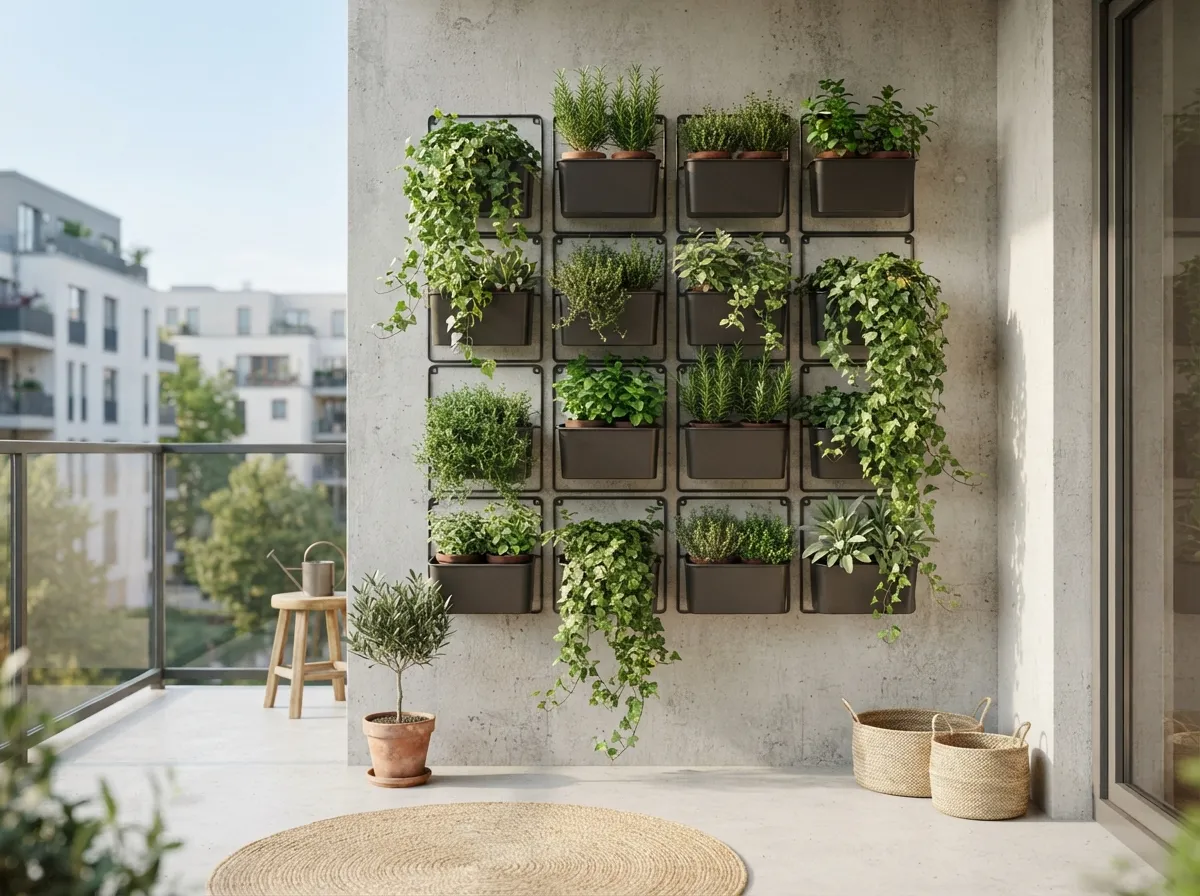
When floor space is limited, look to your walls for extra room. Mounting vertical grid planters is an excellent way to grow herbs and small trailing vines upward.
This setup keeps your balcony floor clear for a small chair or side table. It also draws the eye upward, making your outdoor area feel much larger than it actually is.
Select modular wall pockets that match the color of your balcony wall. This helps the planters blend in seamlessly, leaving only the beautiful greenery visible.
3. Select Low-Maintenance Succulents
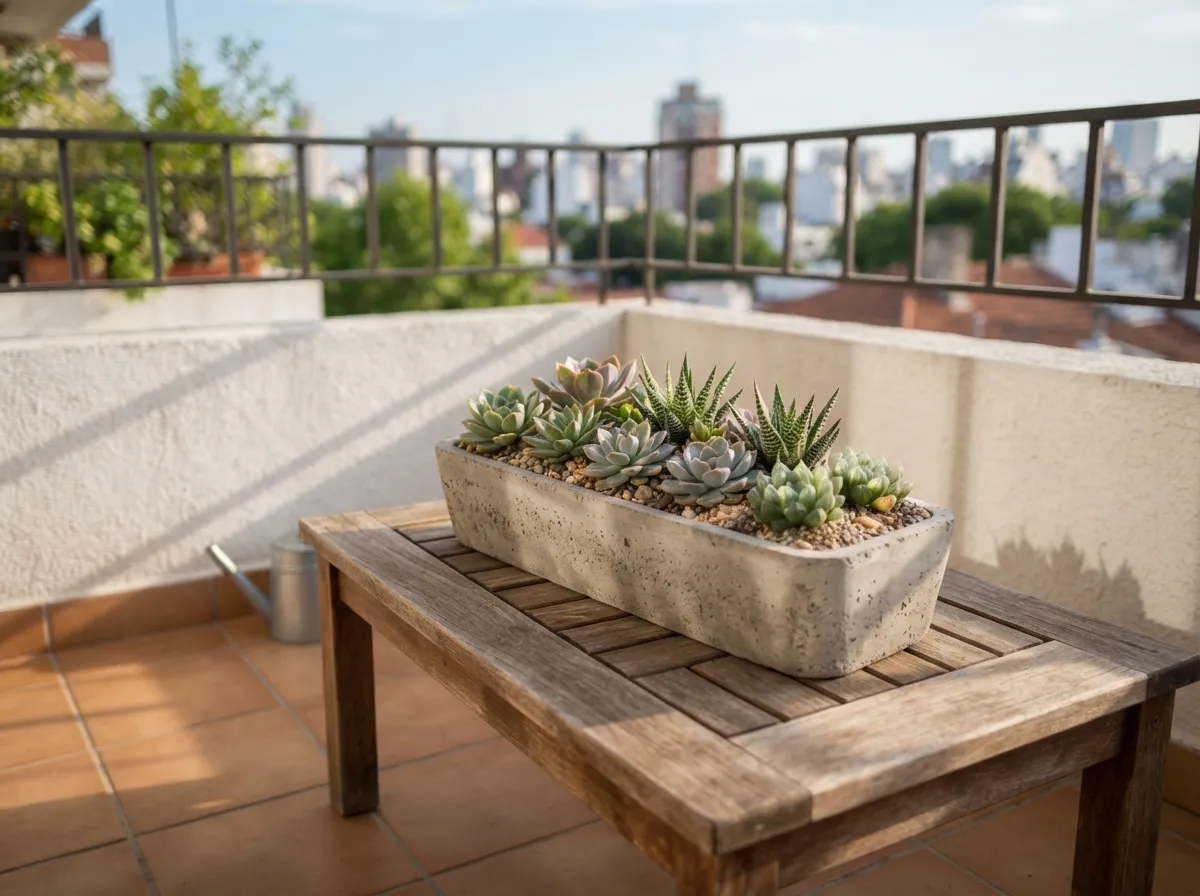
Succulents are the perfect choice for beginners who want a green space without the hassle of constant watering. These hardy plants store water in their thick leaves, allowing them to survive dry spells easily.
You can group different varieties in a single low concrete trough. The mix of shapes and subtle colors creates an interesting display on an outdoor table.
They thrive in sunny spots and require very little soil. This makes them highly practical for small, sunny apartment balconies.
4. Install Sleek Railing Planters
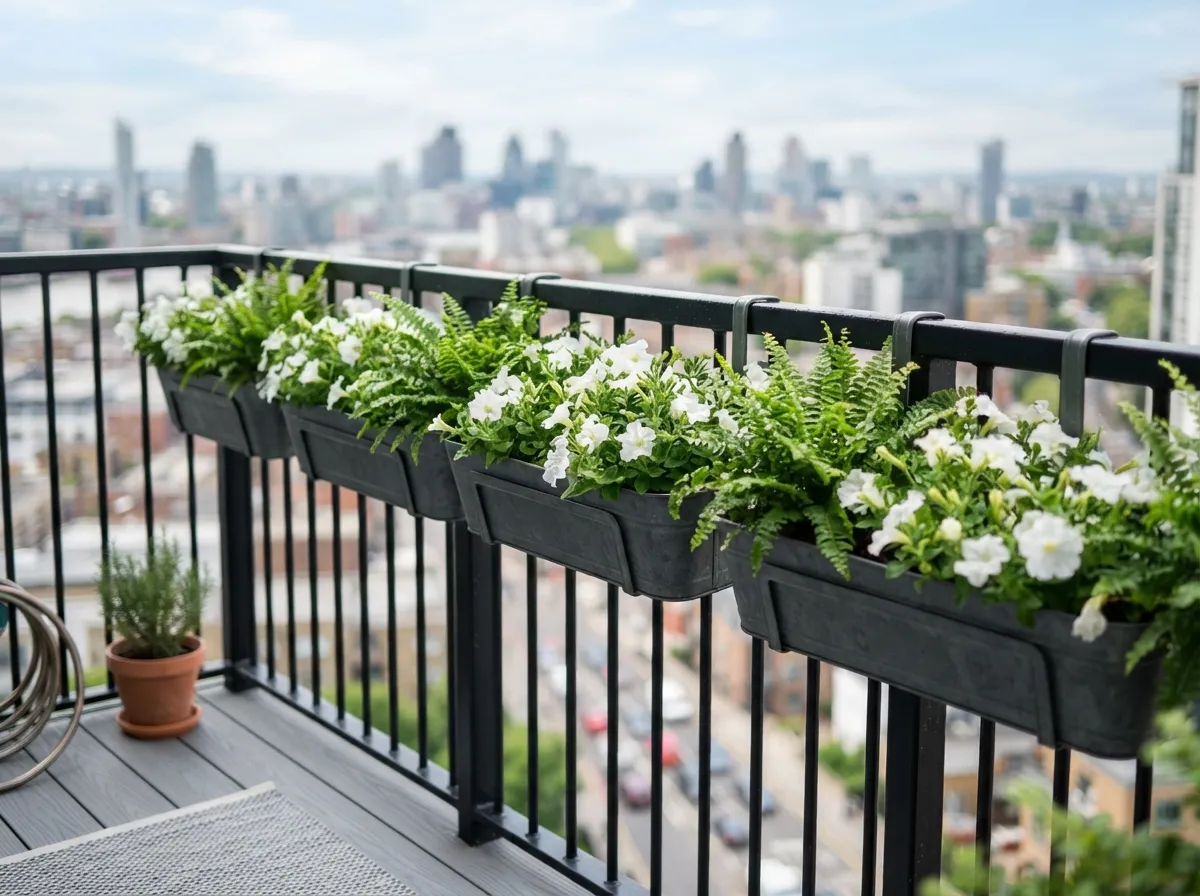
Railing planters are a smart way to maximize your balcony square footage. By hanging your plants on the outer edge, you free up valuable floor space for relaxation.
Choose sleek, rectangular designs that securely clamp onto your existing metal bars. Matte black or charcoal grey containers offer a modern look that complements most building designs.
Fill these long boxes with hardy grasses or cascading flowers. This creates a natural screen that adds privacy to your outdoor living space.
5. Place a Single Statement Plant
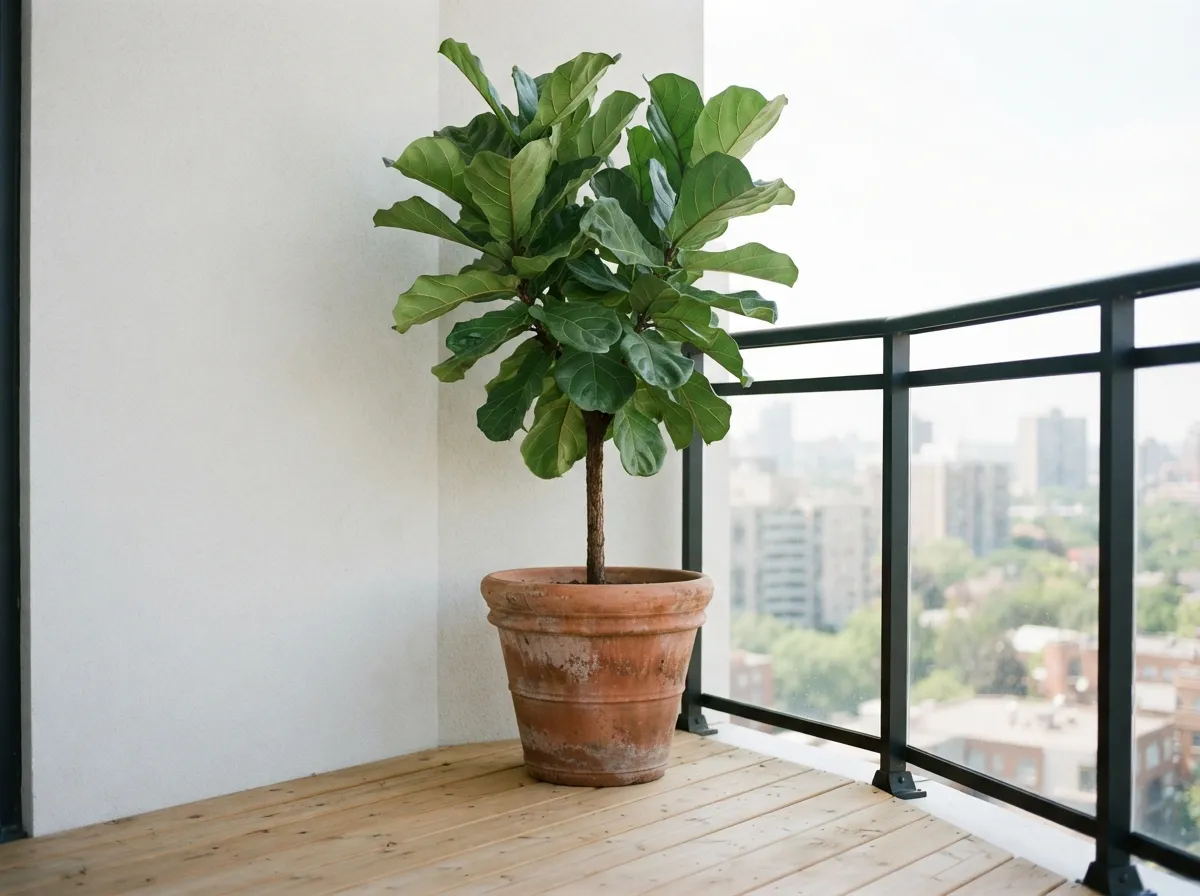
Sometimes, less is truly more when designing a calm outdoor space. Instead of crowding your balcony with many small pots, try using one large statement plant.
A single tall plant, like a fiddle leaf fig or a robust palm, creates an instant focal point. This design choice keeps your layout clean, spacious, and uncluttered.
Place your chosen plant in a corner using a high-quality terracotta or ceramic pot. This simple arrangement brings a sense of order and natural beauty to your home.
6. Use Groupings of Three
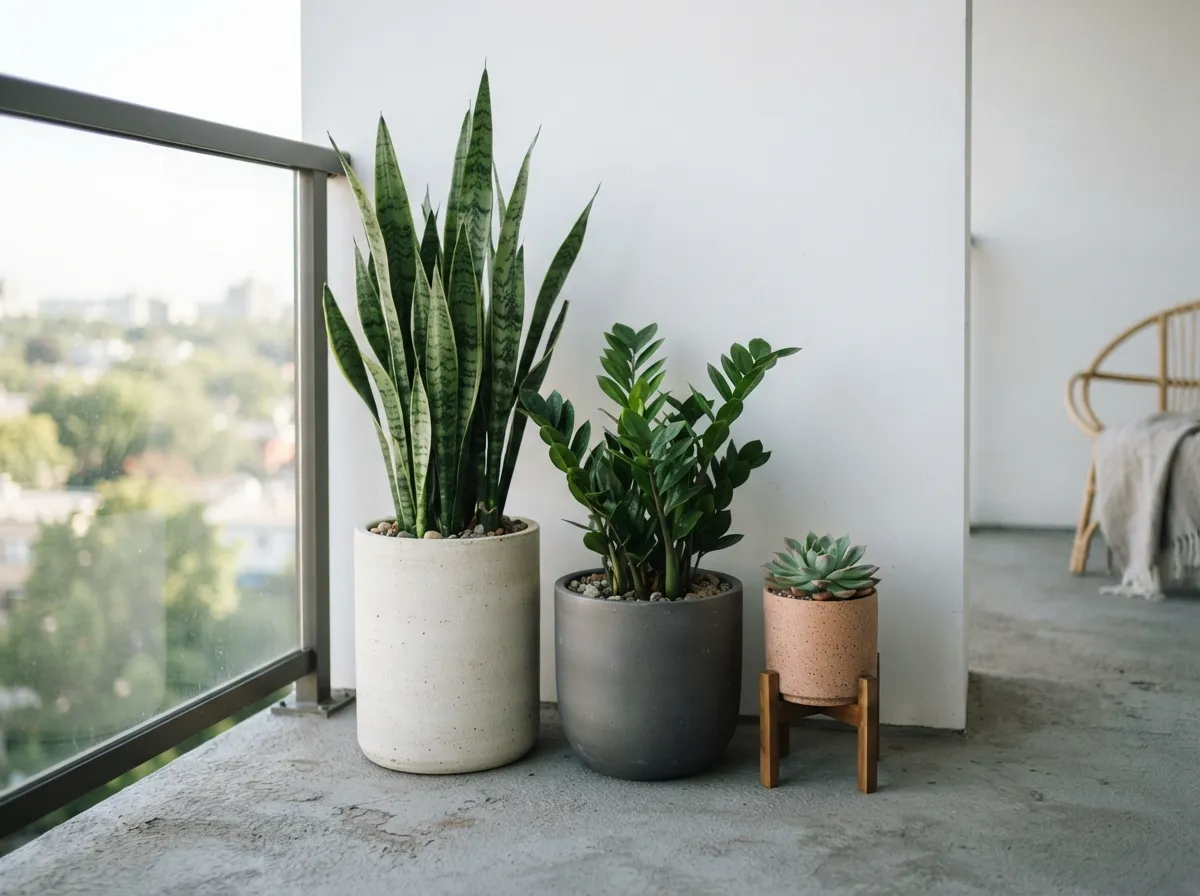
Arranging your plants in odd numbers creates an instant sense of visual balance. The rule of three is a simple design trick that prevents your balcony from looking cluttered.
Choose three pots of different heights but similar textures to keep the look cohesive. Place the tallest plant in the back and the smallest in the front.
This classic arrangement guides the eye naturally across the space. It is an effortless way to organize your outdoor greenery.
7. Opt for Geometric Pots
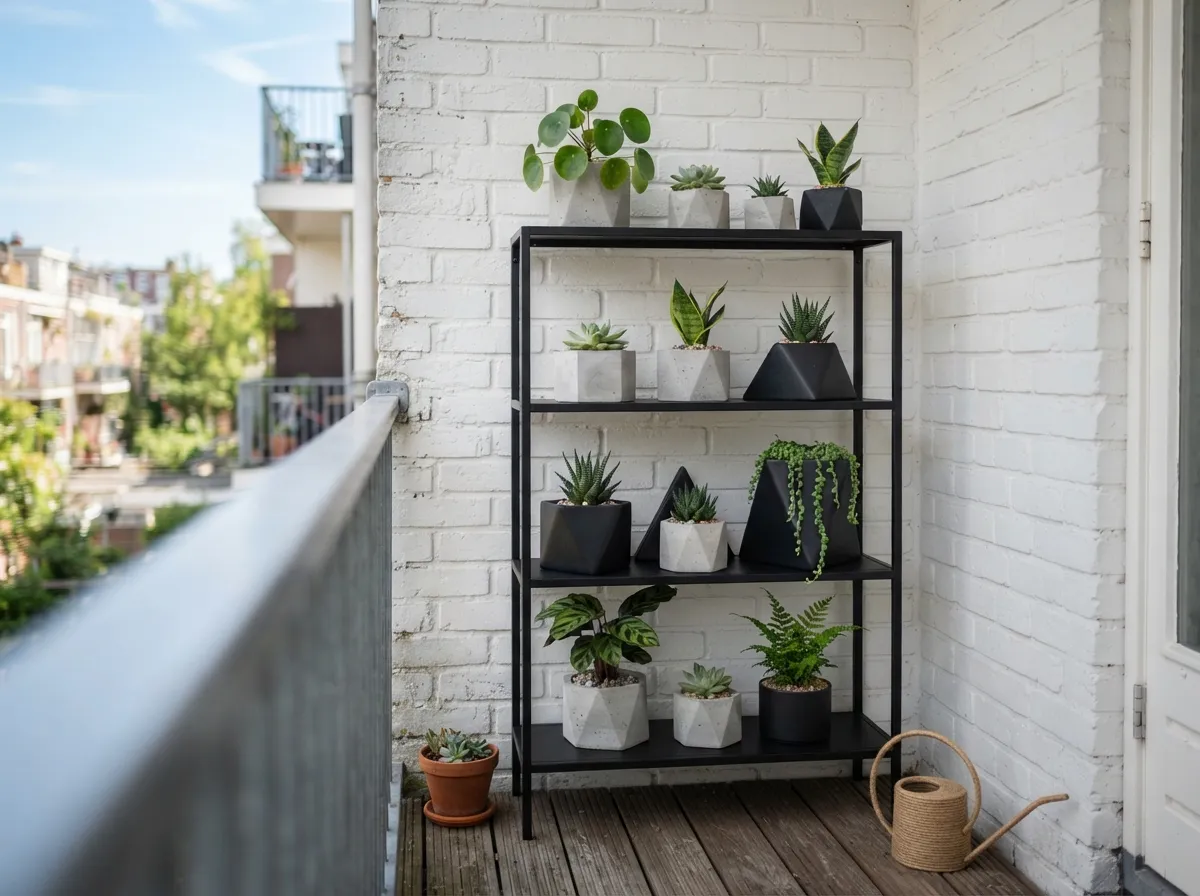
Clean lines are essential for achieving a modern aesthetic on your balcony. Geometric pots offer sharp angles and structural shapes that look organized and neat.
Select containers with hexagonal, square, or triangular silhouettes to add subtle architectural interest. Neutral tones like charcoal, cream, or soft grey work best here.
These distinct shapes keep the layout looking intentional and tidy. They provide a beautiful contrast to the organic forms of your plants.
8. Incorporate Built-In Seating with Storage
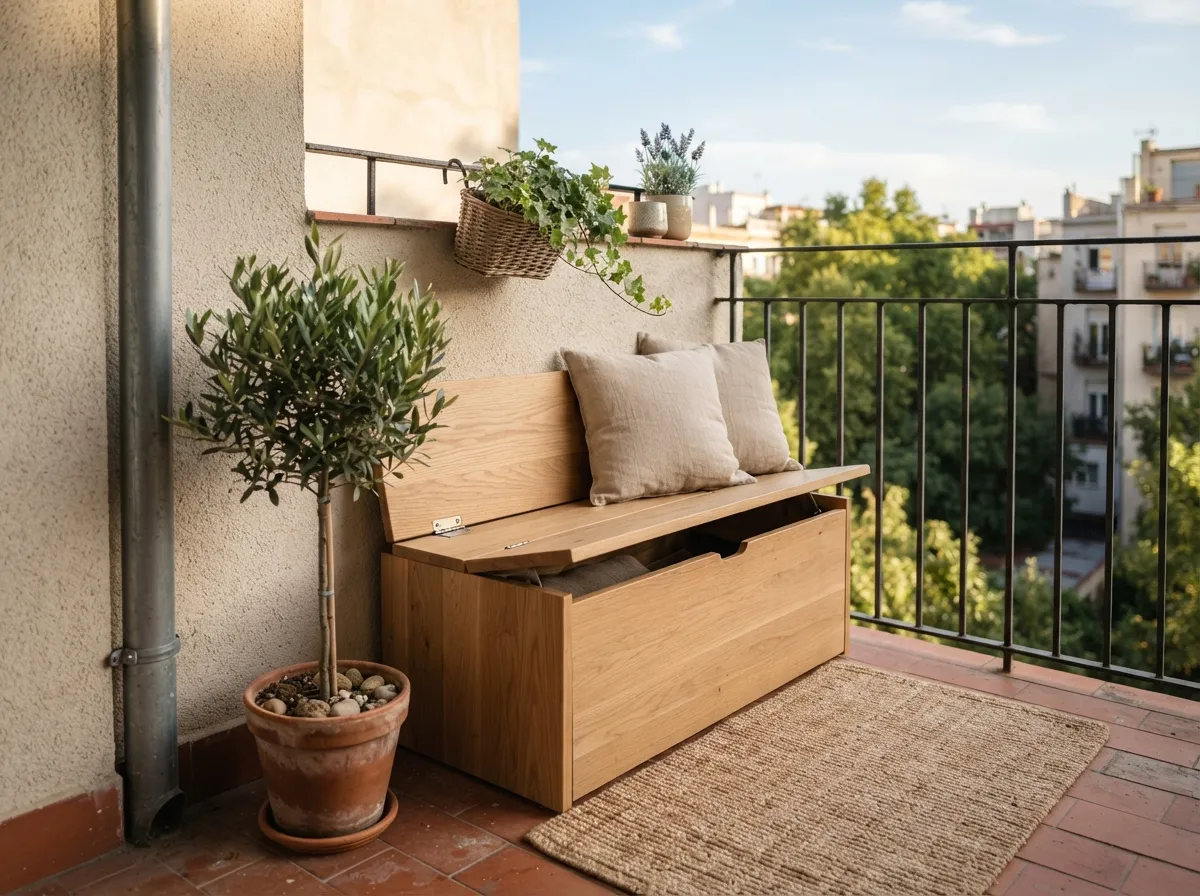
Maximizing space is a top priority when designing a small outdoor area. Built-in benches with hidden compartments offer a clever dual-purpose solution.
You can easily store extra soil, watering cans, and gardening tools out of sight. This keeps your balcony looking tidy and completely uncluttered.
Top the wooden bench with neutral, weather-resistant cushions for a comfortable spot to relax. It merges functionality with a clean design aesthetic.
9. Hang Lightweight Macrame Planters
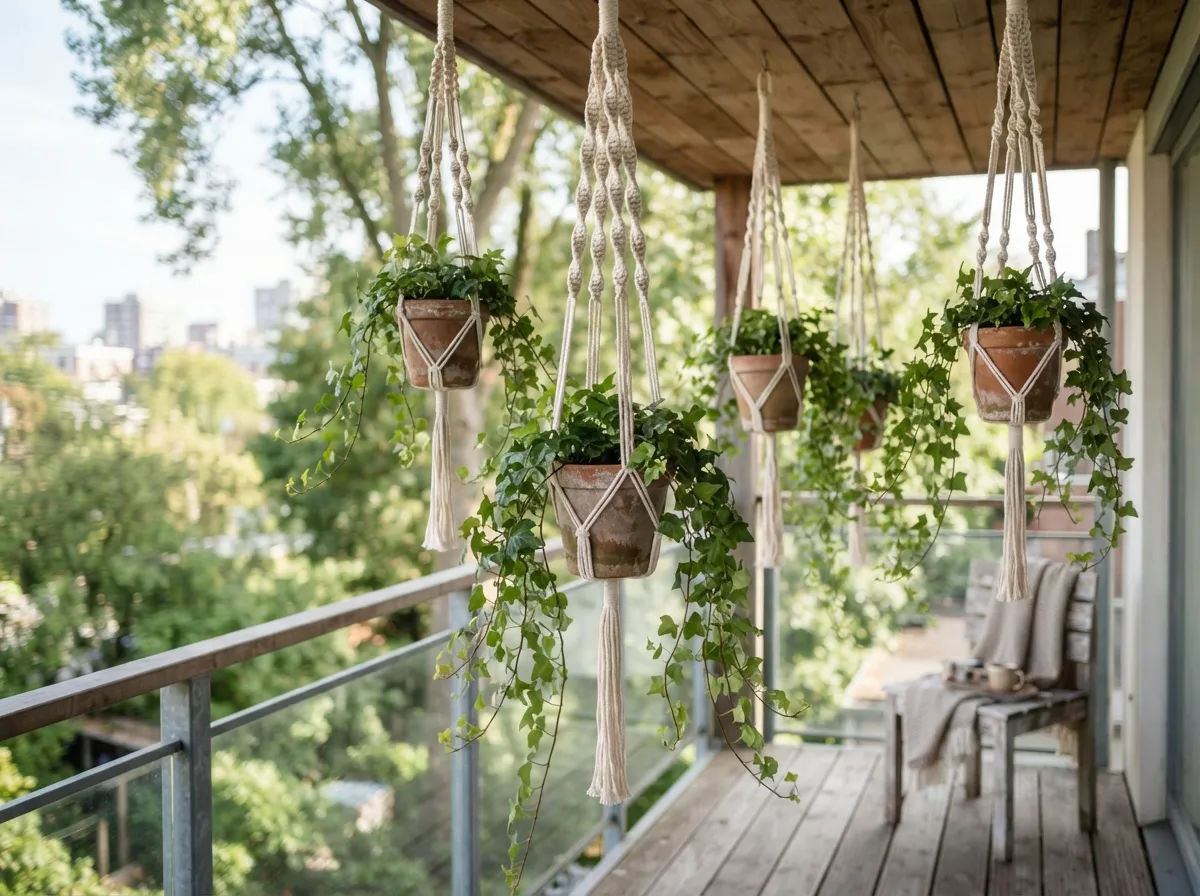
Using vertical space is a smart way to display plants without taking up valuable floor area. Lightweight macrame hangers bring a soft, organic texture to your balcony.
Opt for simple, cream-colored cotton cords with minimal knotting to maintain a clean appearance. Hang them at varying heights to create a gentle sense of movement.
This approach allows trailing vines to cascade beautifully. It adds a touch of natural warmth to any small outdoor wall.
10. Layer with Natural Wooden Deck Tiles
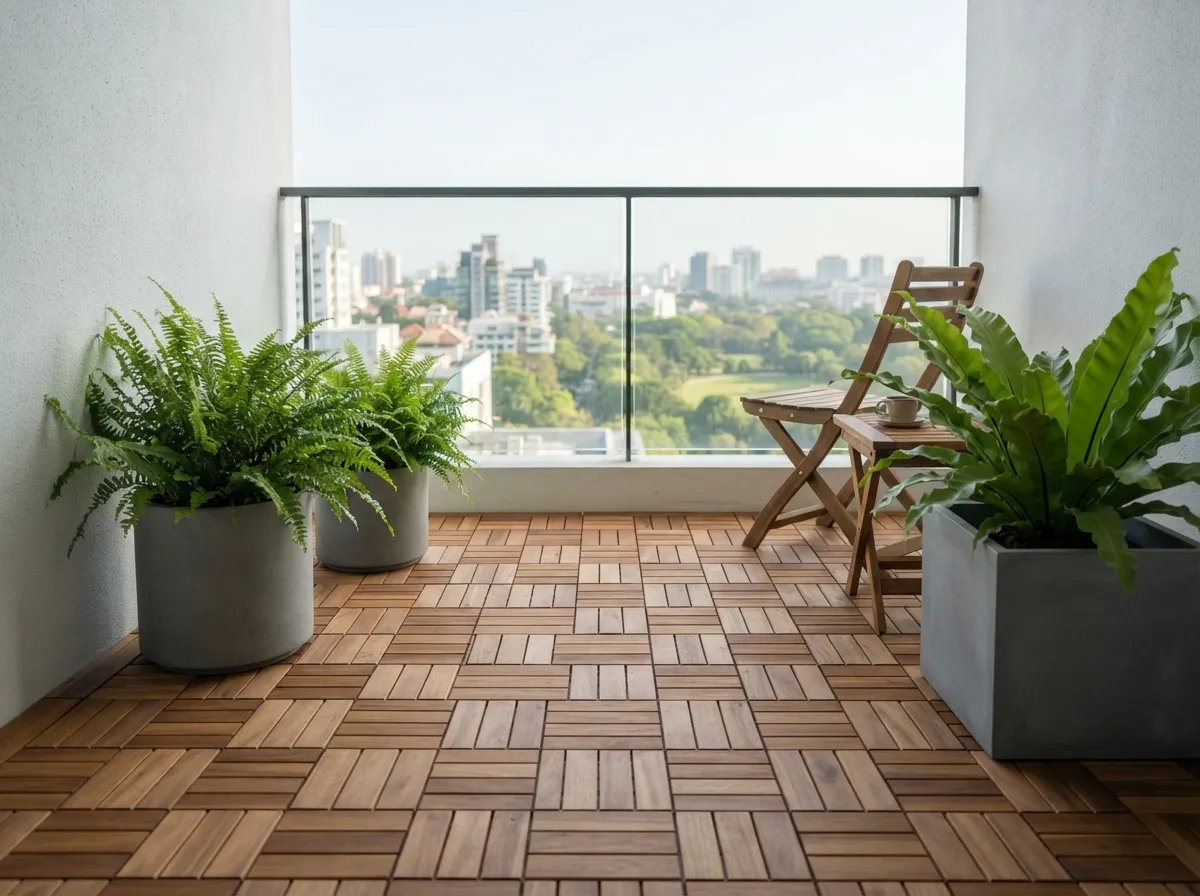
Upgrading your balcony floor can completely change the atmosphere of the entire space. Interlocking wooden deck tiles are simple to install and instantly warm up cold concrete surfaces.
These weather-resistant wooden squares click together easily without any professional tools. They create a clean, structured foundation for your minimalist pots.
The natural wood grain provides a beautiful background for your green foliage. It makes the entire outdoor area feel cohesive and inviting.
11. Create a Dedicated Herb Corner
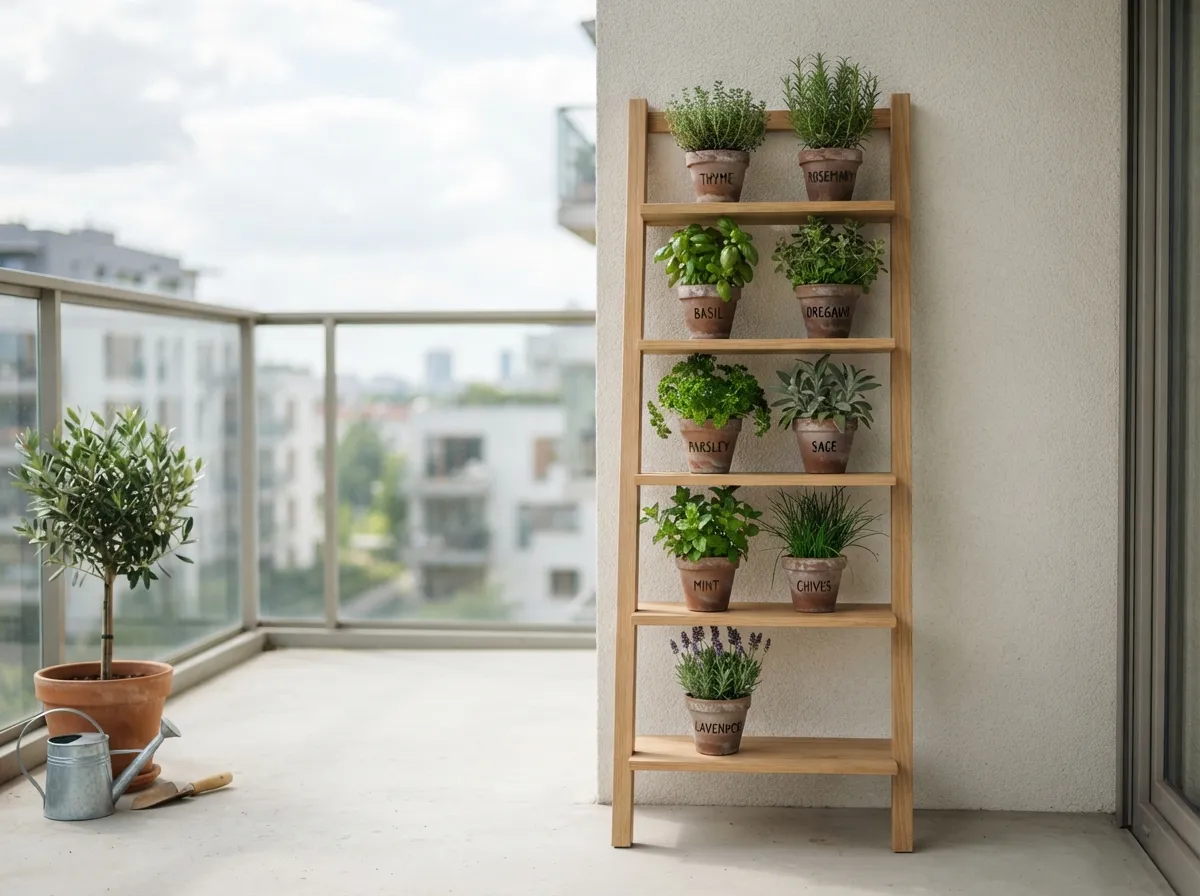
Growing your own herbs is one of the easiest ways to start gardening. By dedicating a single corner of your outdoor area to edible plants, you keep the layout neat and purposeful.
A vertical wooden ladder shelf works beautifully for this setup. It organizes your basil, thyme, and rosemary without consuming precious floor space.
This simple arrangement keeps your fresh ingredients organized and within easy reach from the kitchen. It provides both practical value and a splash of vibrant green to your daily routine.
12. Frame the View with Tall Grasses
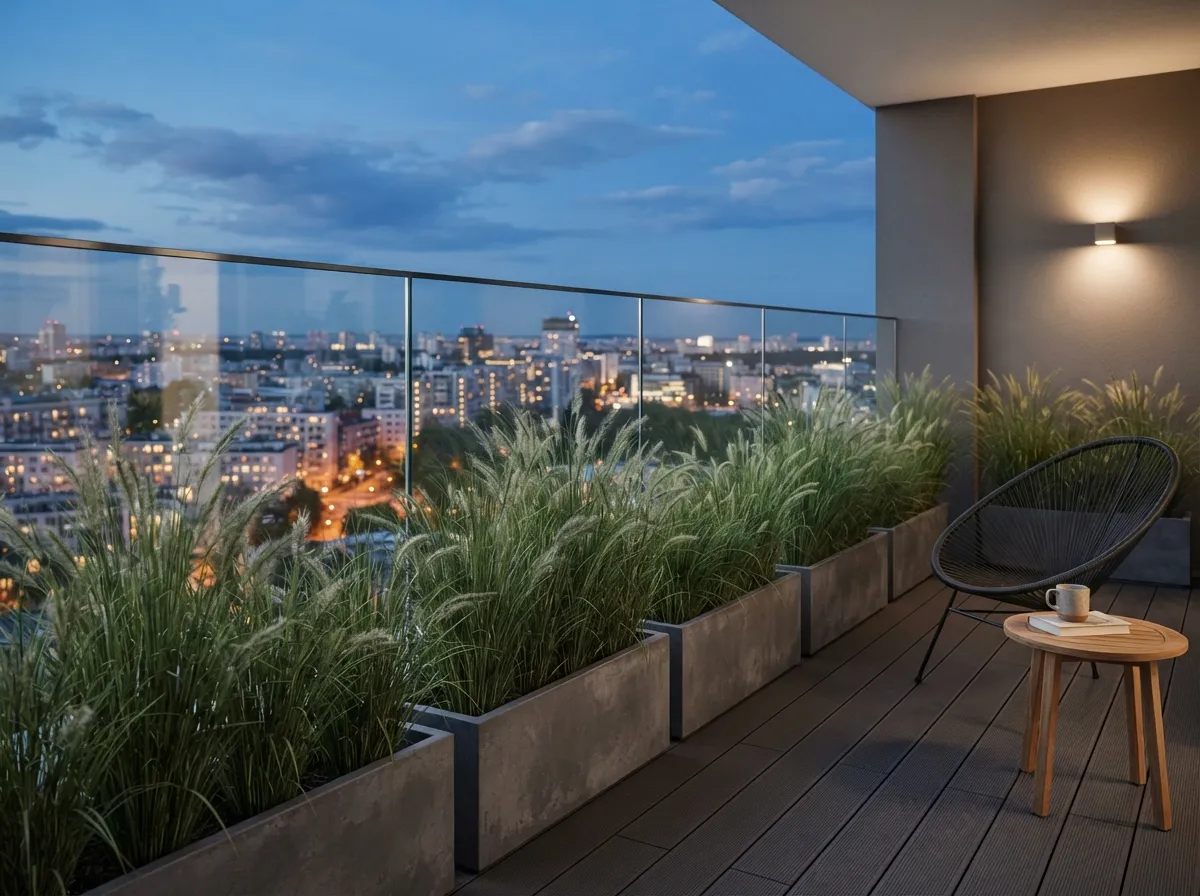
Framing your outdoor view with tall ornamental grasses creates a natural screen. These slender plants sway gently in the breeze, adding subtle movement to your space.
Placing them in matching rectangular charcoal gray planters along the railing defines the edge of your balcony. It helps to soften the hard lines of the surrounding architecture.
This approach keeps the center of your balcony open and uncluttered. It offers a calm connection to nature while preserving your view of the surrounding city.
13. Focus on Clean-Lined Metal Stands
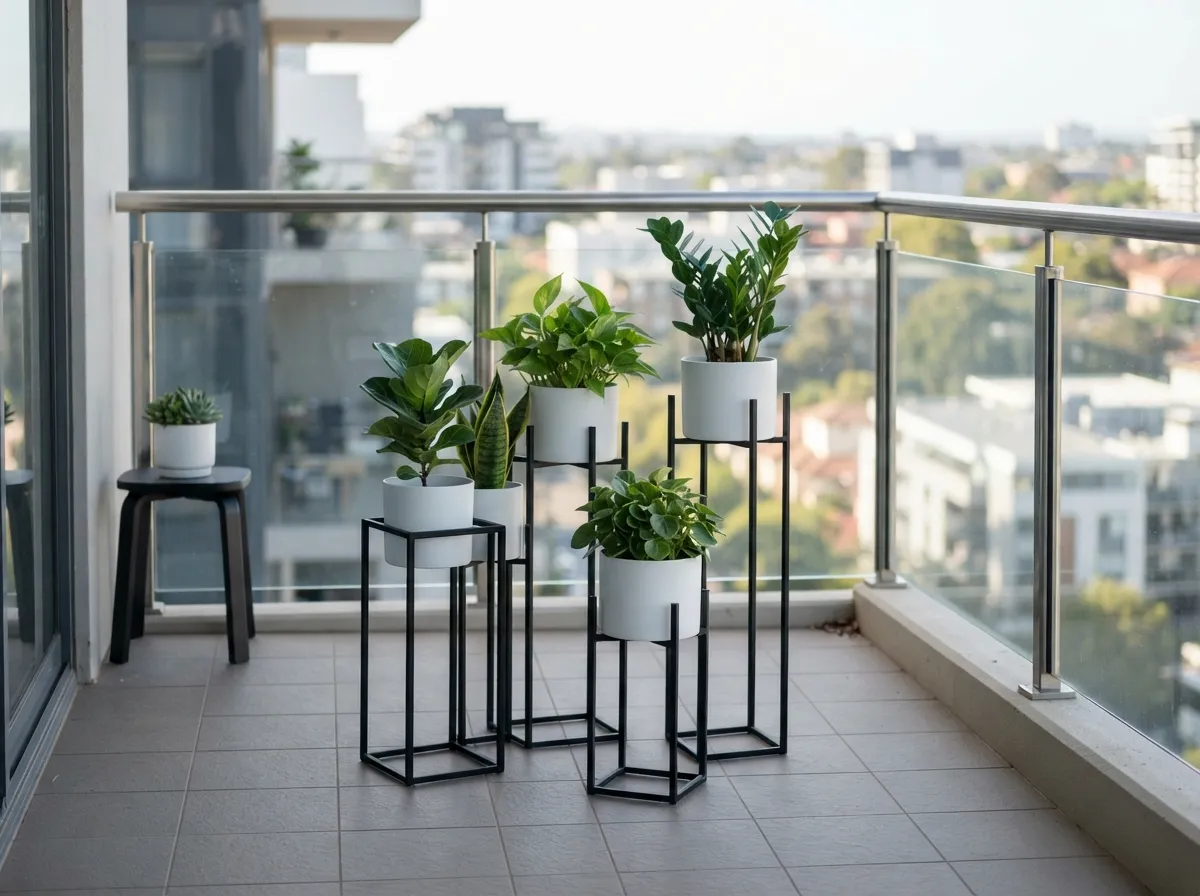
Minimalism thrives on clean geometric shapes and light structures. Choosing slim metal plant stands is an excellent way to elevate your favorite greenery.
Matte black metal frames offer a striking contrast against pale balcony walls. They lift your plants off the floor to create visual layers without adding bulk.
Using stands of different heights adds a subtle sense of depth to the arrangement. This design choice keeps your outdoor space feeling airy, light, and perfectly balanced.
14. Introduce Soft Fairy Lights
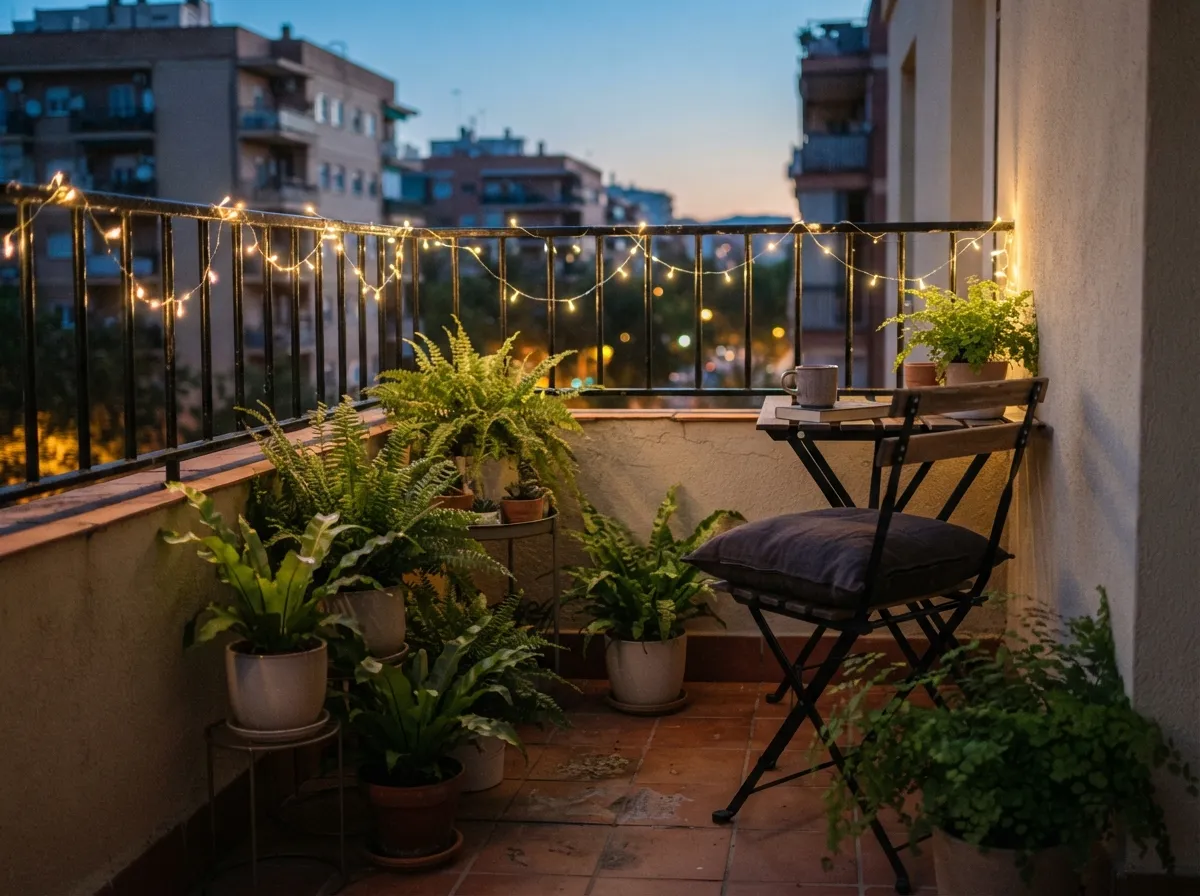
Outdoor lighting should enhance your garden design rather than overpower it. Delicate string lights offer a gentle glow that makes your balcony inviting after sunset.
Draping these tiny warm bulbs along the railing creates a soft border. It highlights the silhouettes of your potted ferns and leafy plants without being too bright.
This subtle illumination extends the hours you can enjoy your outdoor space. It establishes a peaceful atmosphere that feels cozy yet retains a very clean aesthetic.
15. Stick to Uniform Clay Pots
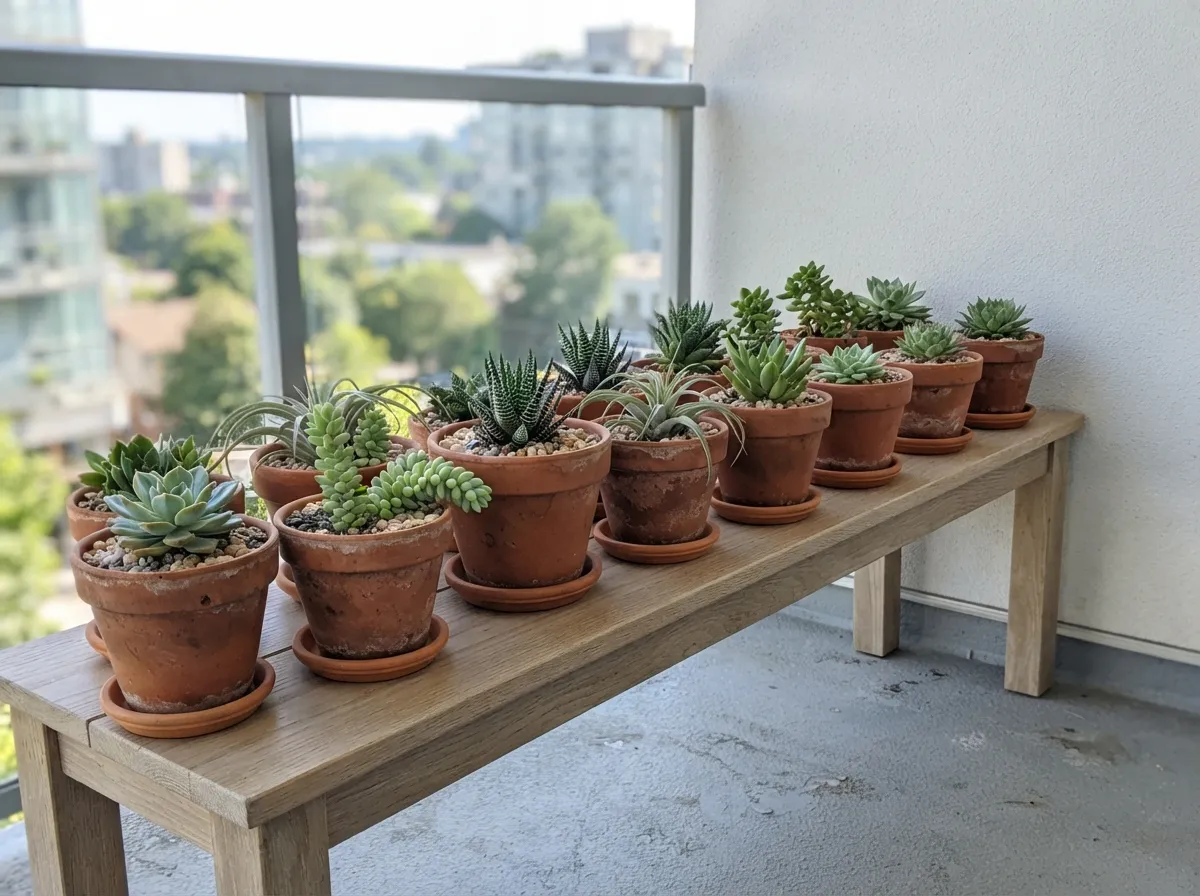
Using a single type of planter is a classic technique to achieve visual harmony. Matching clay pots create an instant sense of order on your balcony.
Terracotta pots bring a warm, earthy texture that complements green foliage beautifully. Arranging them in a neat row on a low wooden bench keeps the look structured.
This simple repetition prevents your small garden from looking chaotic or cluttered. It is a cost-effective way for beginners to build a cohesive and stylish outdoor display.
16. Grow Slow-Growing Dwarf Conifers
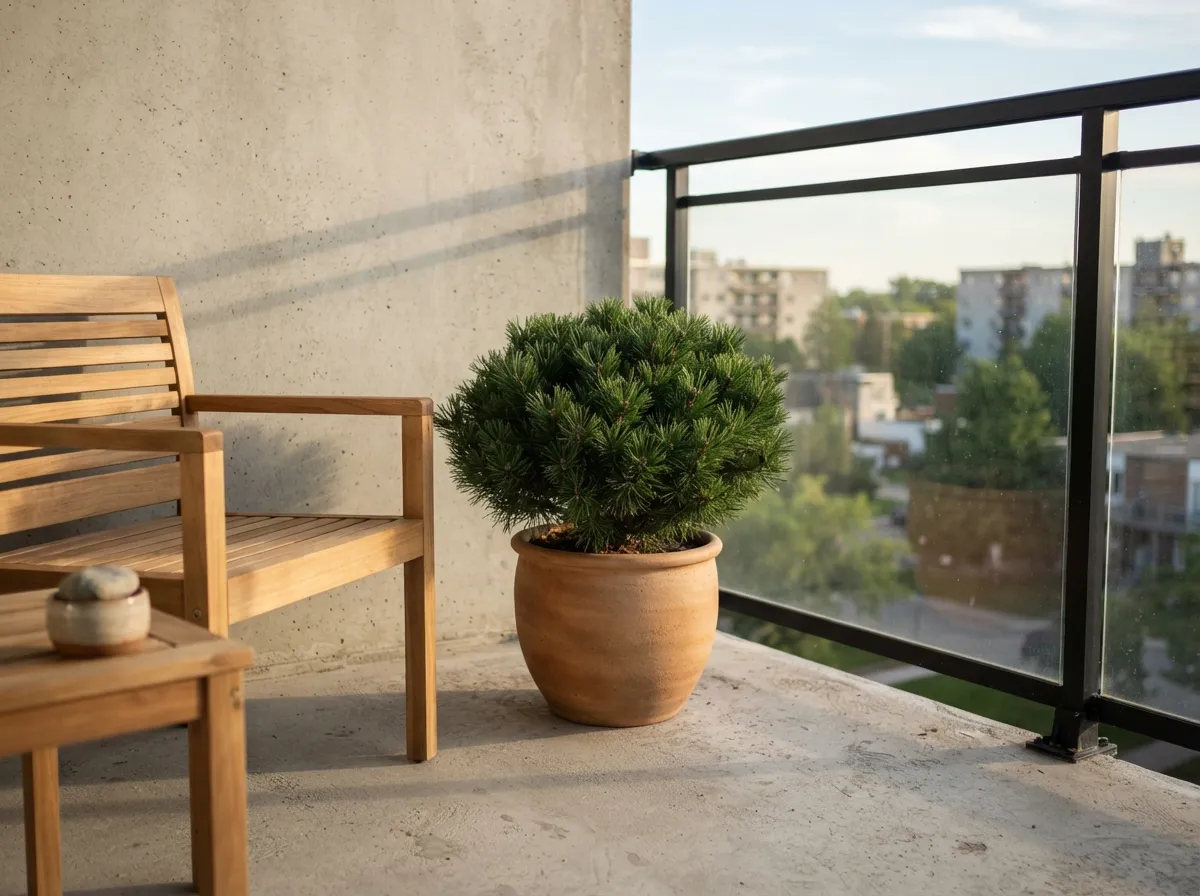
Dwarf conifers are excellent choices for a low-maintenance balcony garden. These slow-growing evergreen plants maintain their compact shape and deep green color throughout the entire year.
You can plant a single dwarf pine in a neutral ceramic pot to create a strong structural focal point. They require minimal pruning and thrive in sunny outdoor spots.
This approach keeps your balcony looking tidy and structured without demanding constant gardening work. It is a practical way to enjoy year-round greenery.
17. Add a Miniature Water Feature
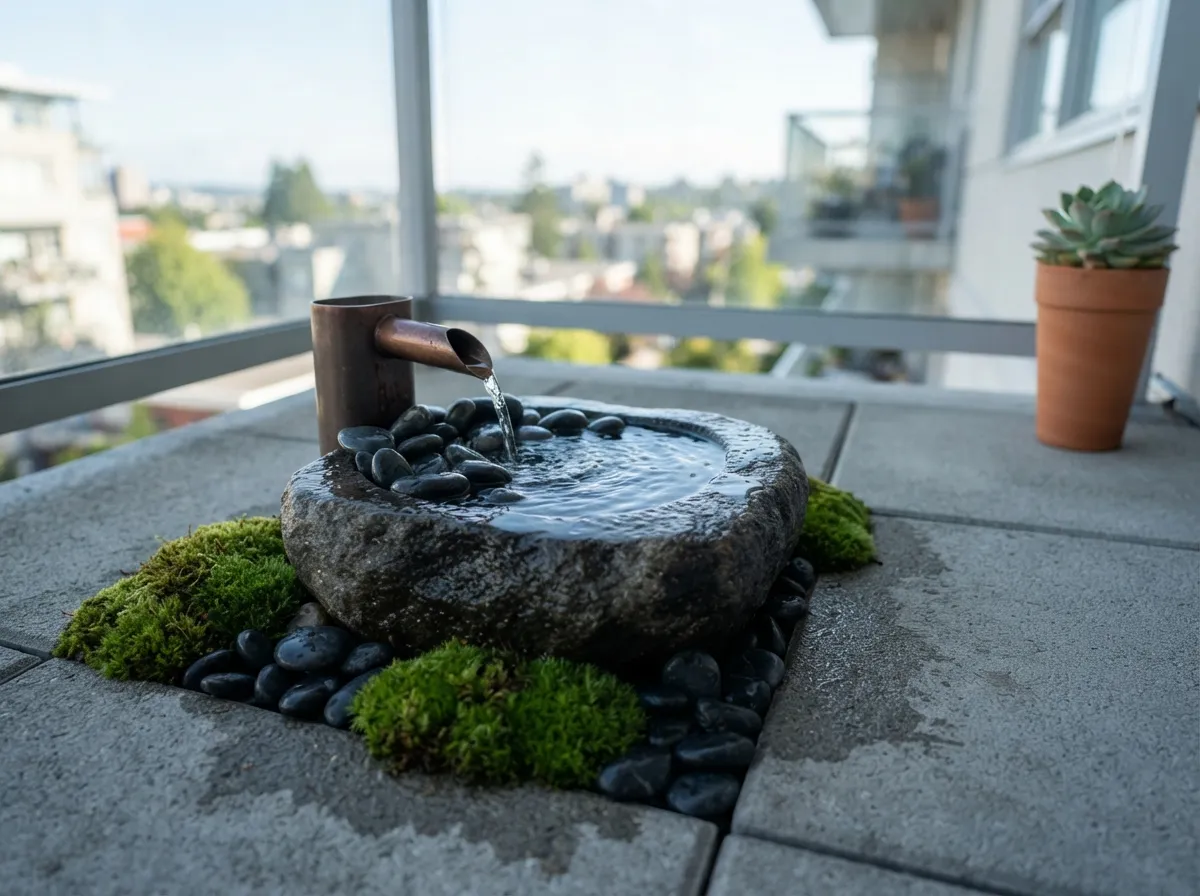
Introducing a quiet water element brings a sense of calm to your compact outdoor area. A small stone basin with a gentle recirculating trickle fits easily into any corner.
You can surround the base of the fountain with smooth dark pebbles to hide the pump mechanism. This keeps the design looking clean and simple.
The soft sound of moving water helps mask city noises. It creates a peaceful outdoor space where you can unwind after a busy day.
18. Place a Simple Bamboo Screen
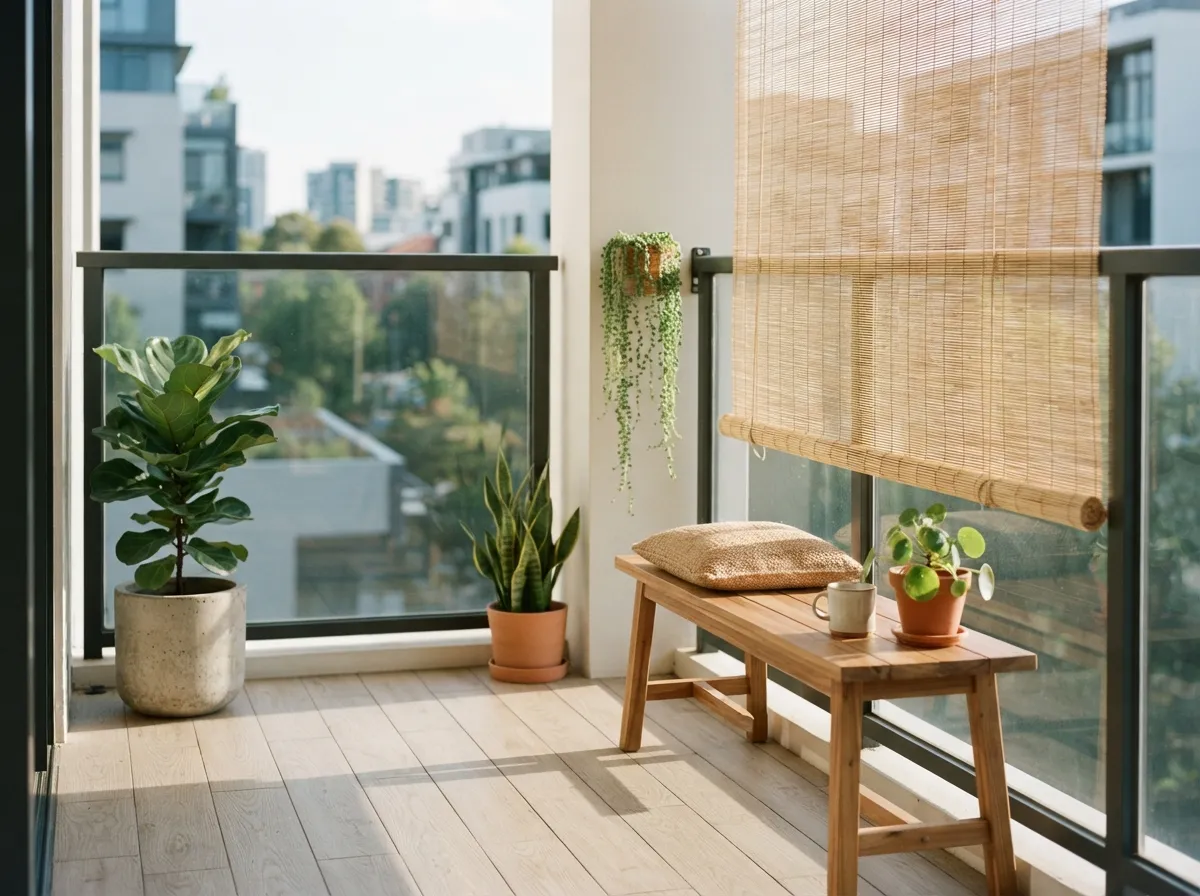
Privacy is essential when you want to enjoy your outdoor space. A simple bamboo screen offers an organic way to block unwanted views from neighbors.
The natural texture of bamboo complements green foliage beautifully. You can easily secure the lightweight screen to your existing balcony railing.
This setup filters harsh sunlight while letting gentle breezes pass through. It establishes a comfortable, private boundary without making the area feel enclosed.
19. Keep Floor Space Open and Clear
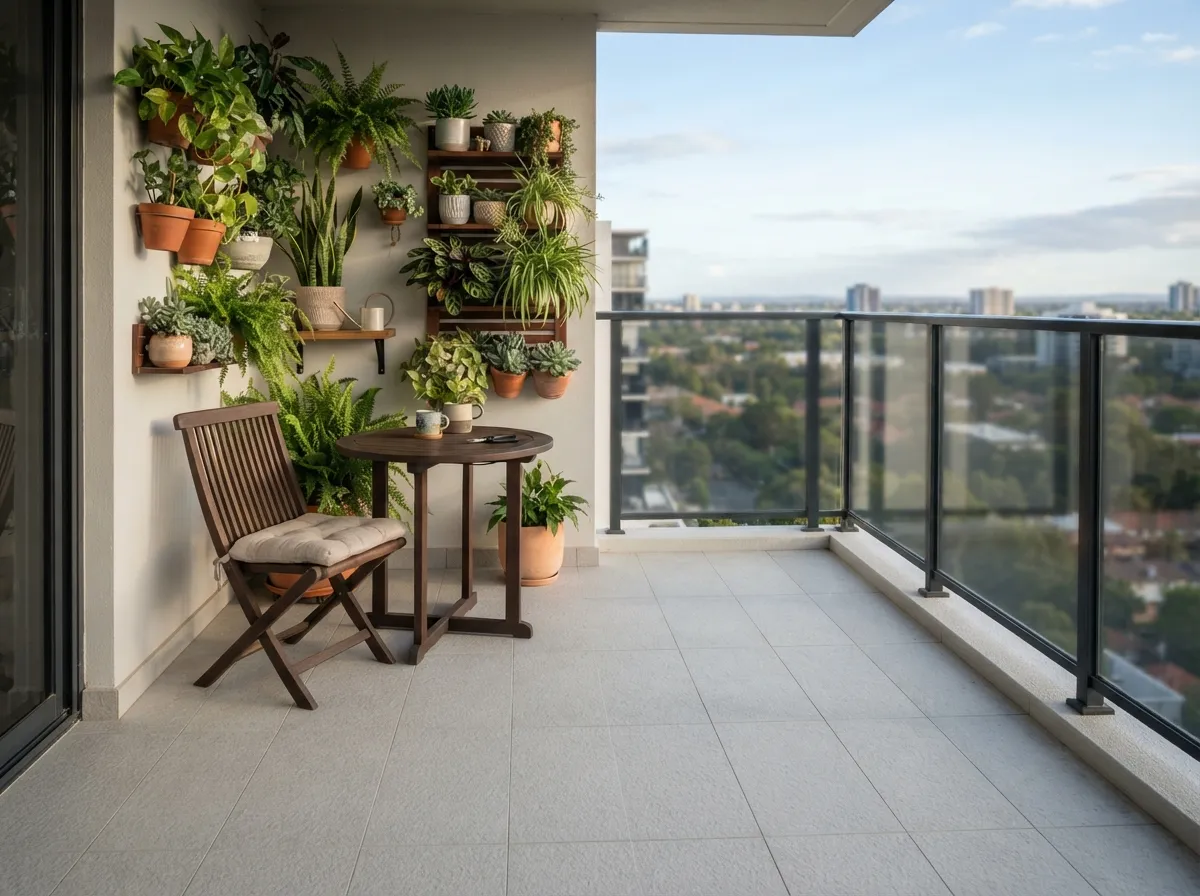
A true minimalist balcony relies on open space to create a feeling of freedom. Avoid cluttering the floor with too many individual plant pots.
Instead, try keeping your walking path completely unobstructed. You can arrange your seating and larger plants along the outer perimeter.
This layout makes even the smallest balcony feel much larger. It allows you to move around easily and enjoy the fresh air.
20. Select Air Plants for Zero Soil
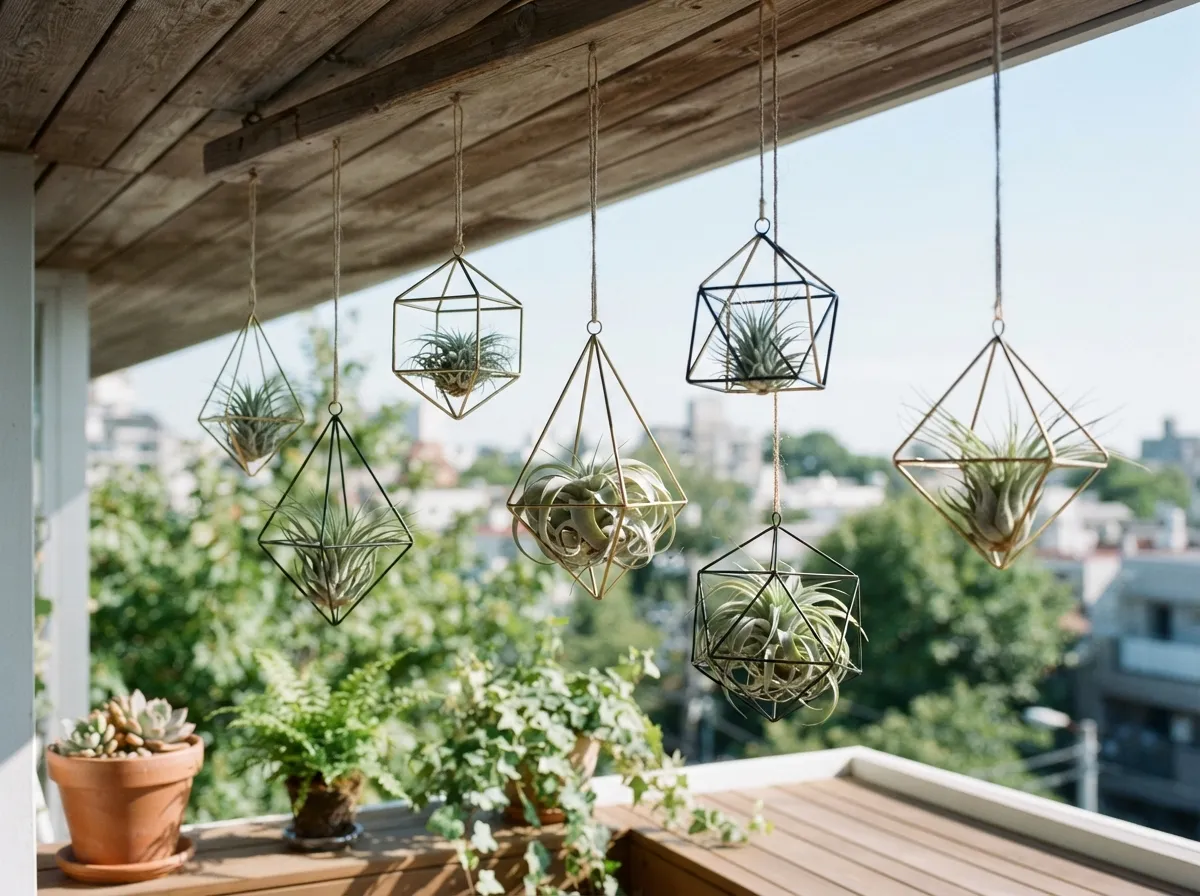
Air plants are a fantastic option for modern balcony gardens. These unique plants do not require any soil to grow and thrive.
You can display them in lightweight metal frames or rest them on wooden ledges. They simply absorb moisture and nutrients directly from the air.
Caring for them is incredibly simple, requiring only occasional misting. This soil-free gardening style keeps your outdoor balcony clean and mess-free.
21. Choose Slender Tiered Plant Shelves
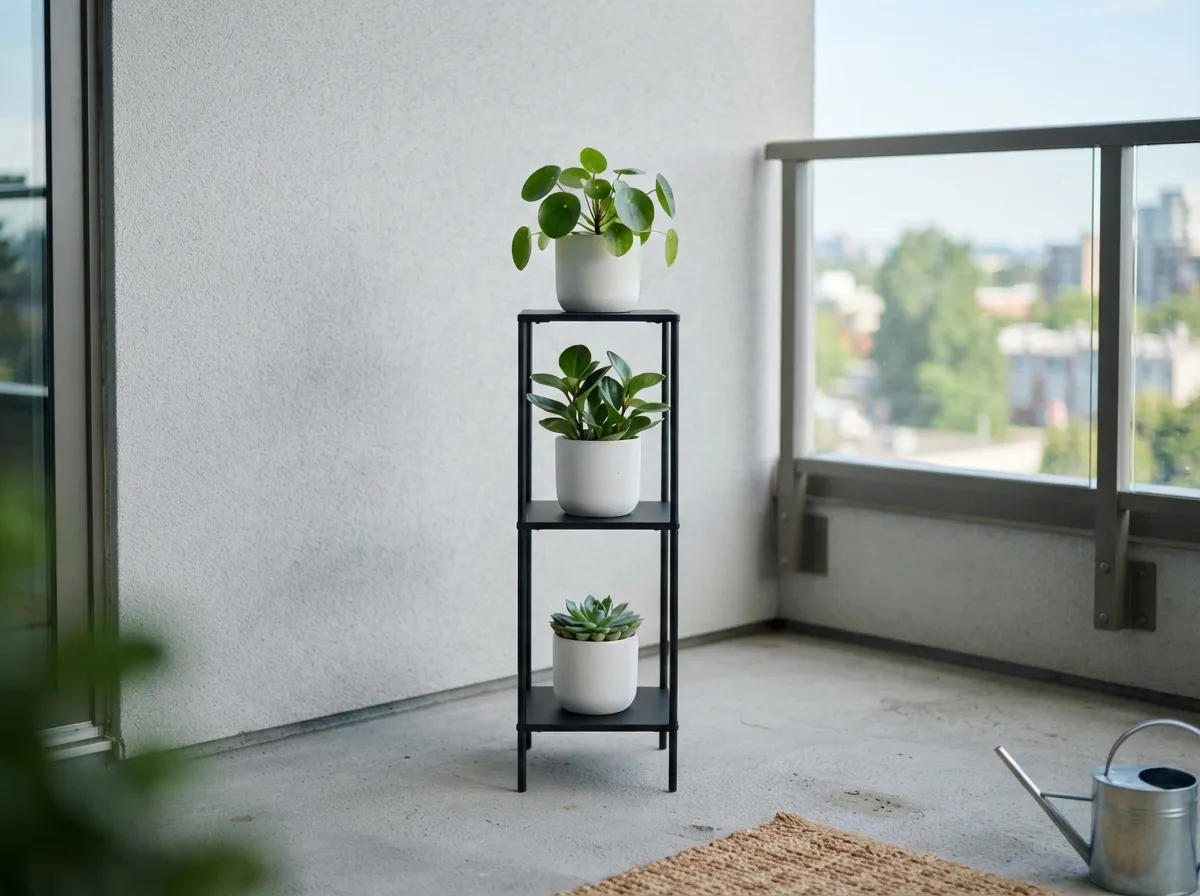
Maximalist floor displays can quickly crowd a small outdoor layout. Opting for slender tiered plant shelves allows you to utilize your vertical space efficiently.
These narrow metal structures keep your pots beautifully organized without blocking the path. By lifting your greenery upward, you maintain a clean floor plan while showcasing multiple plants.
It creates a structured look that feels intentional and highly organized.
22. Use Neutral-Toned Gravel Accents
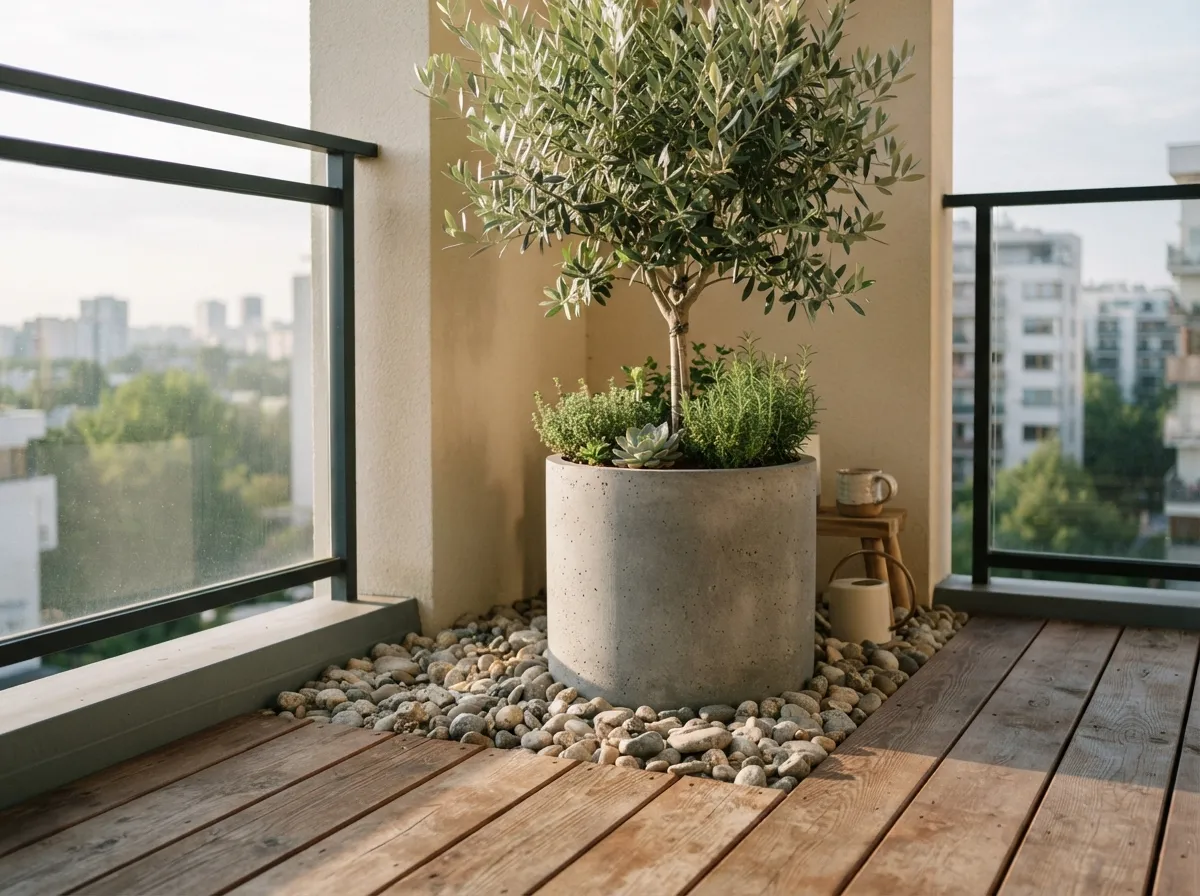
Adding texture to a simple balcony garden can be achieved with small details. Neutral-toned gravel accents provide a clean border around your potted plants.
You can place these smooth stones in the base of larger planters or along the edge of the floor. This simple addition introduces an organic element that grounds the entire design.
It helps define the gardening zone while keeping the overall aesthetic tidy.
23. Hang a Single Floating Shelf
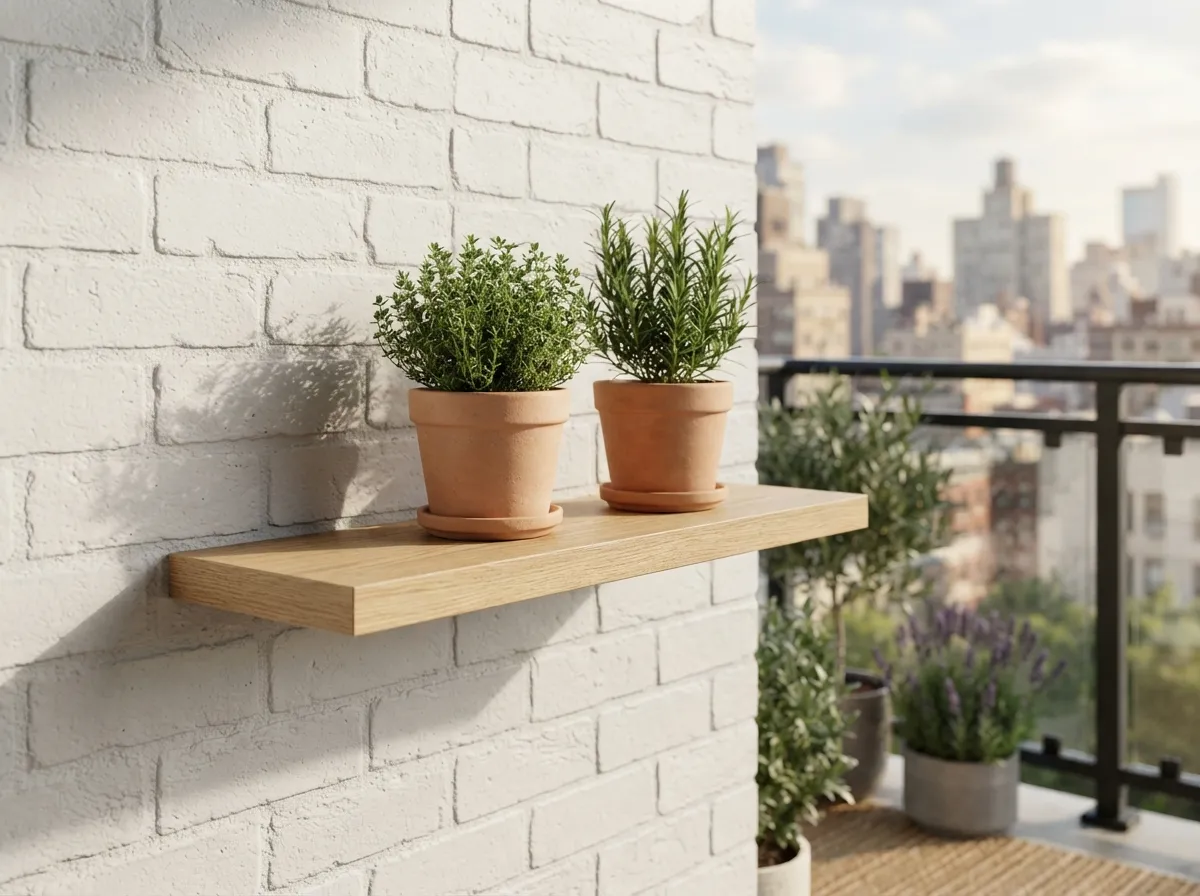
When floor space is at a premium, walls offer the perfect alternative. Hanging a single floating shelf creates a dedicated spot for your favorite herbs or small pots.
A clean wooden or metal plank keeps the look exceptionally simple. This approach prevents the balcony from feeling cluttered with heavy furniture.
It acts as a functional design feature that highlights your greenery at eye level.
24. Grow Trailing Vines from Corner Hooks
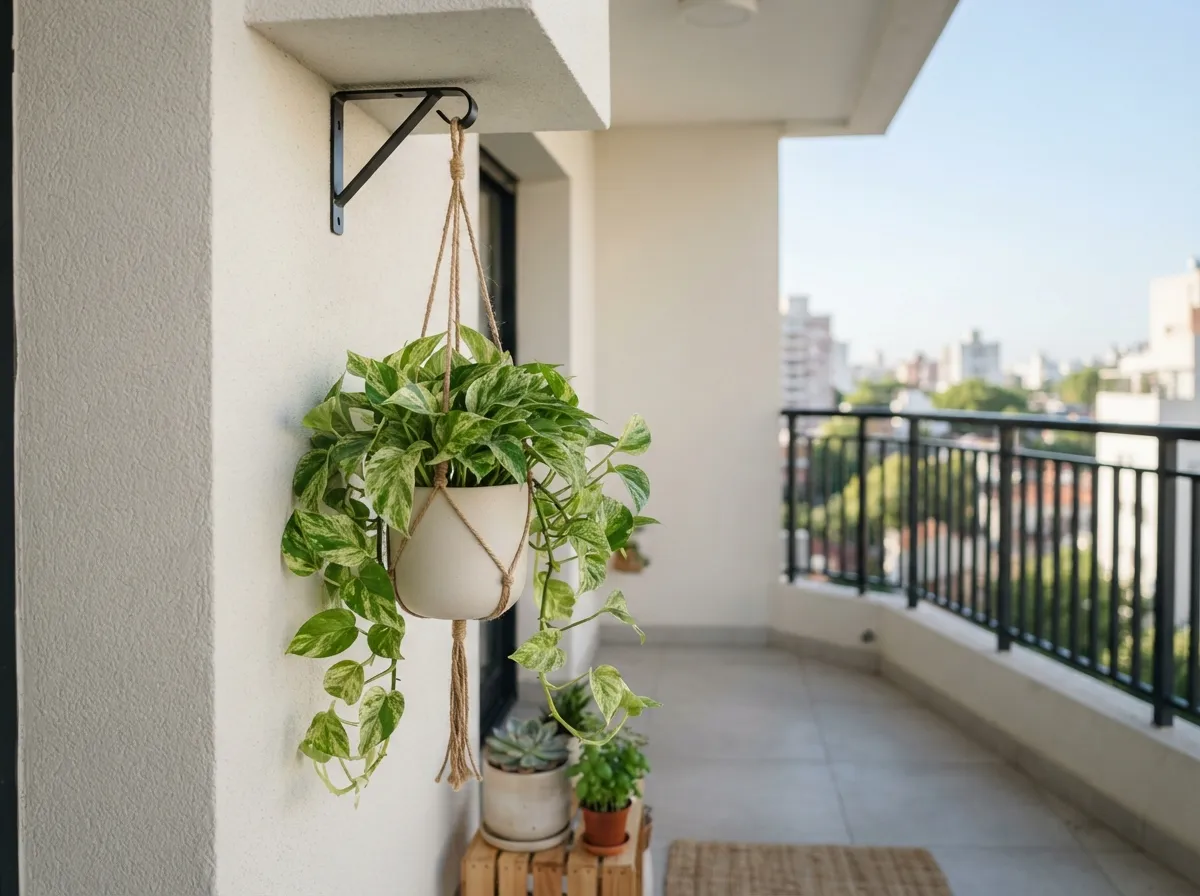
Corners are often underutilized in small outdoor areas. Installing simple corner hooks allows you to hang trailing vines that gracefully drape downward.
This setup draws the eye upward and makes the balcony feel more spacious. Plants like ivy or pothos work wonderfully for this minimalist approach.
They soften the sharp angles of the building without taking up any usable floor space.
25. Limit Your Plant Palette to Three Species
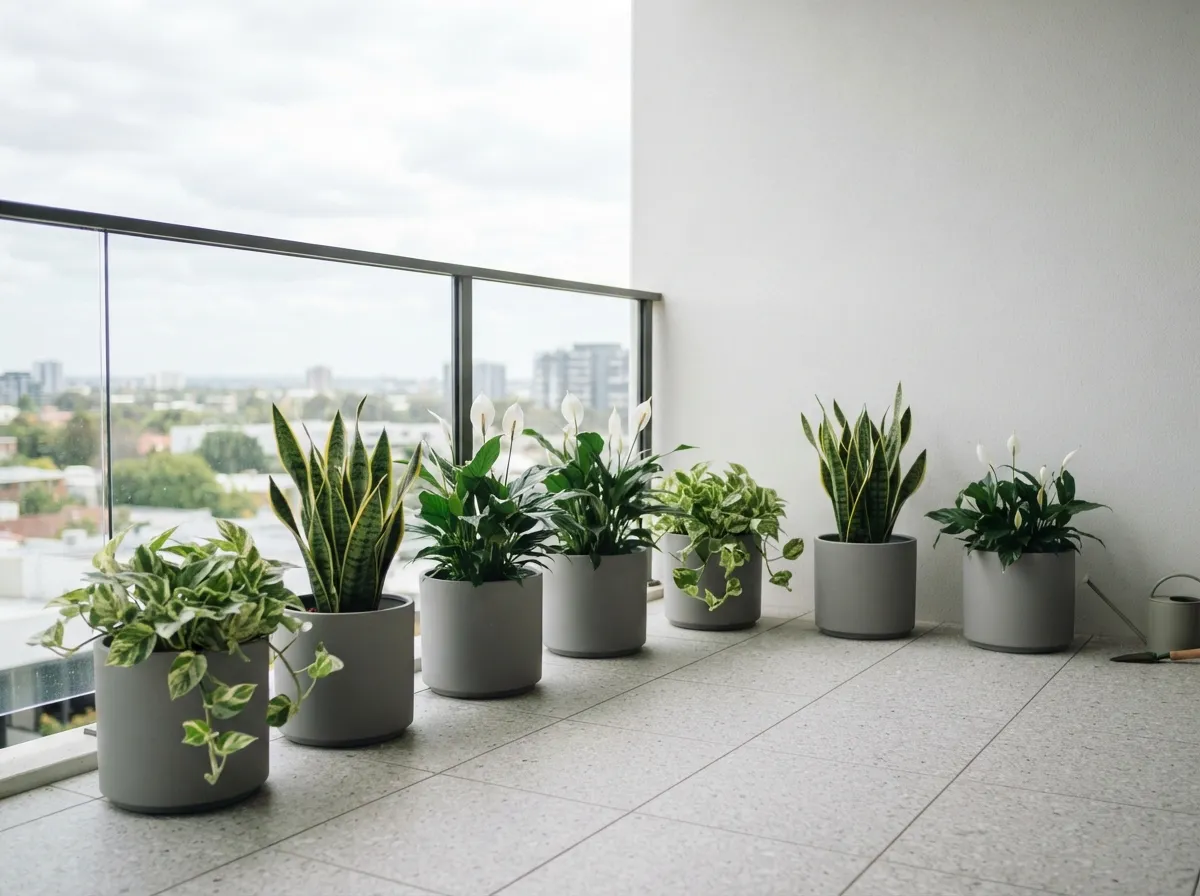
A common mistake for beginners is collecting too many different plant varieties. To achieve a cohesive look, limit your plant palette to just three species.
This repetition creates a sense of harmony and visual order across your space. It also simplifies your care routine, making maintenance much easier to manage.
A curated selection of foliage ensures a unified and peaceful environment.
26. Integrate Subtle Solar Lanterns
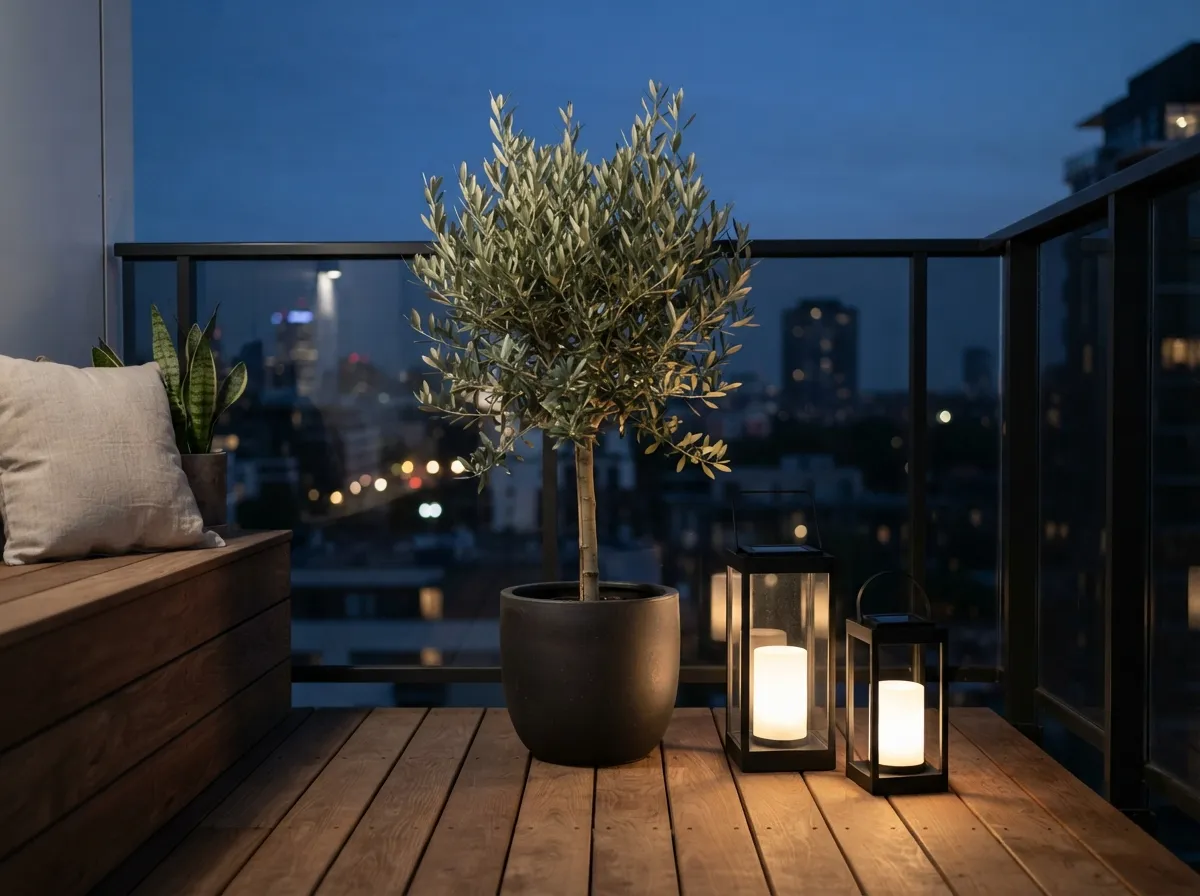
Lighting plays a crucial role in creating a cozy atmosphere on your balcony after sunset.
Solar lanterns offer an effortless way to introduce warmth without messy cords or electrical outlets.
These clever fixtures absorb sunlight during the day and cast a gentle glow when darkness falls.
Selecting fixtures with clean lines and matte black finishes maintains a clean aesthetic.
27. Place a Compact Bistro Set
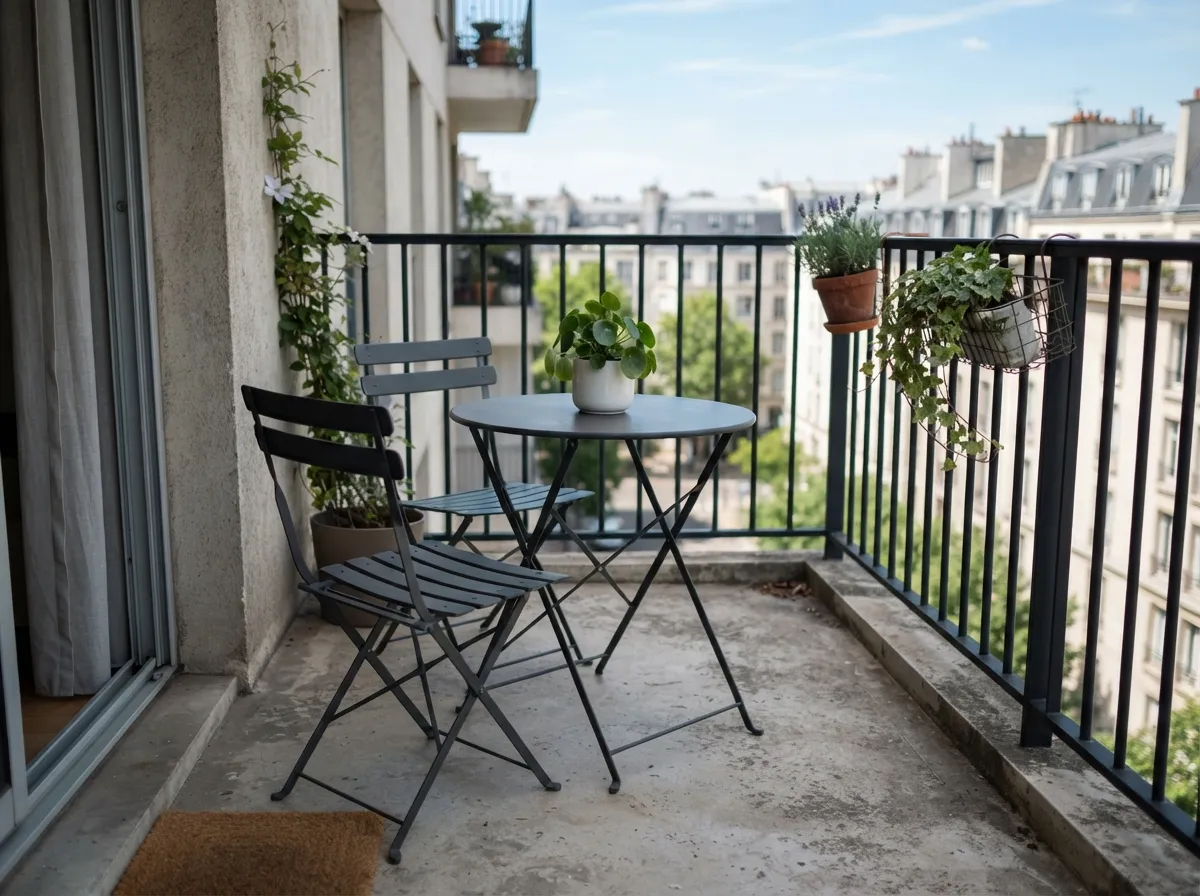
Even the smallest outdoor spaces can accommodate a place to sit and enjoy your morning coffee.
A compact bistro set with a slender metal frame provides functionality without overcrowding.
Opt for foldable chairs and a matching table that can be easily tucked away when you need more room.
Neutral colors like charcoal or warm taupe blend seamlessly with any plant collection.
28. Frame the Railing with Climbing Ivy
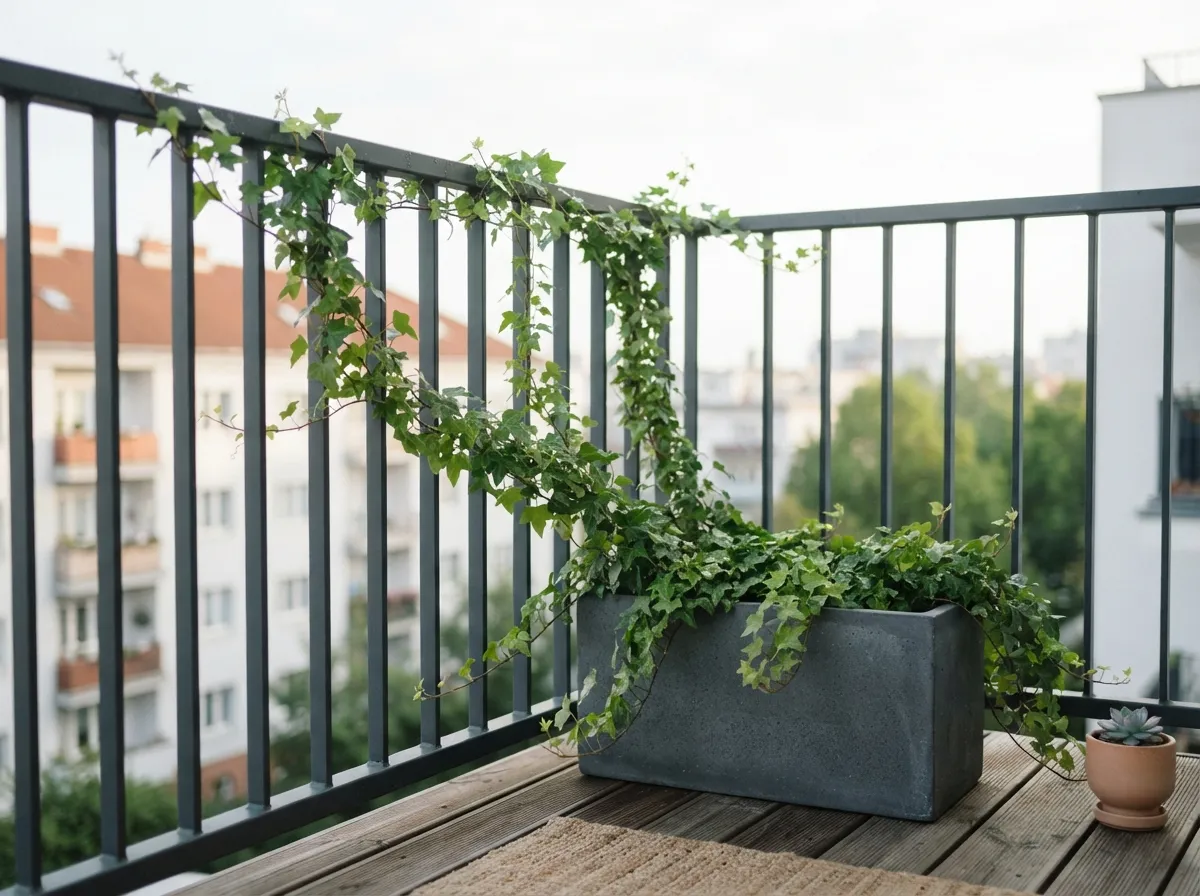
Utilizing vertical elements is an excellent strategy for small-scale gardening.
Climbing ivy can be trained to weave gently along your existing metal balcony railing.
This technique brings nature up to eye level and creates a natural privacy screen.
The delicate green leaves soften the hard edges of metal and concrete structures.
29. Use Lightweight Fiberstone Pots
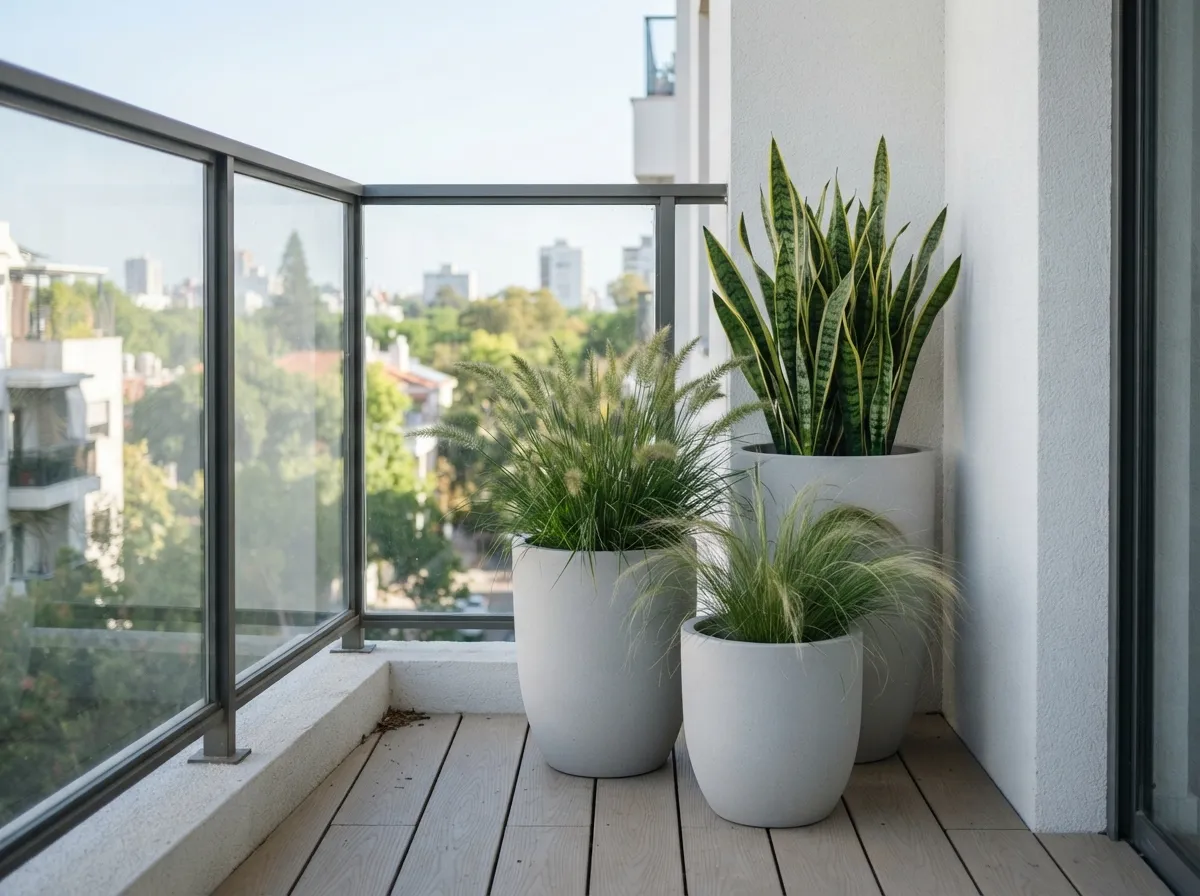
Heavy clay and concrete pots can make redesigning your balcony layout a difficult chore.
Lightweight fiberstone containers offer the perfect solution for modern gardeners.
These innovative pots combine the strength of stone with lightweight fiberglass.
Using a unified color palette of soft greys or off-whites helps create a cohesive look.
30. Add a Simple Woven Outdoor Rug
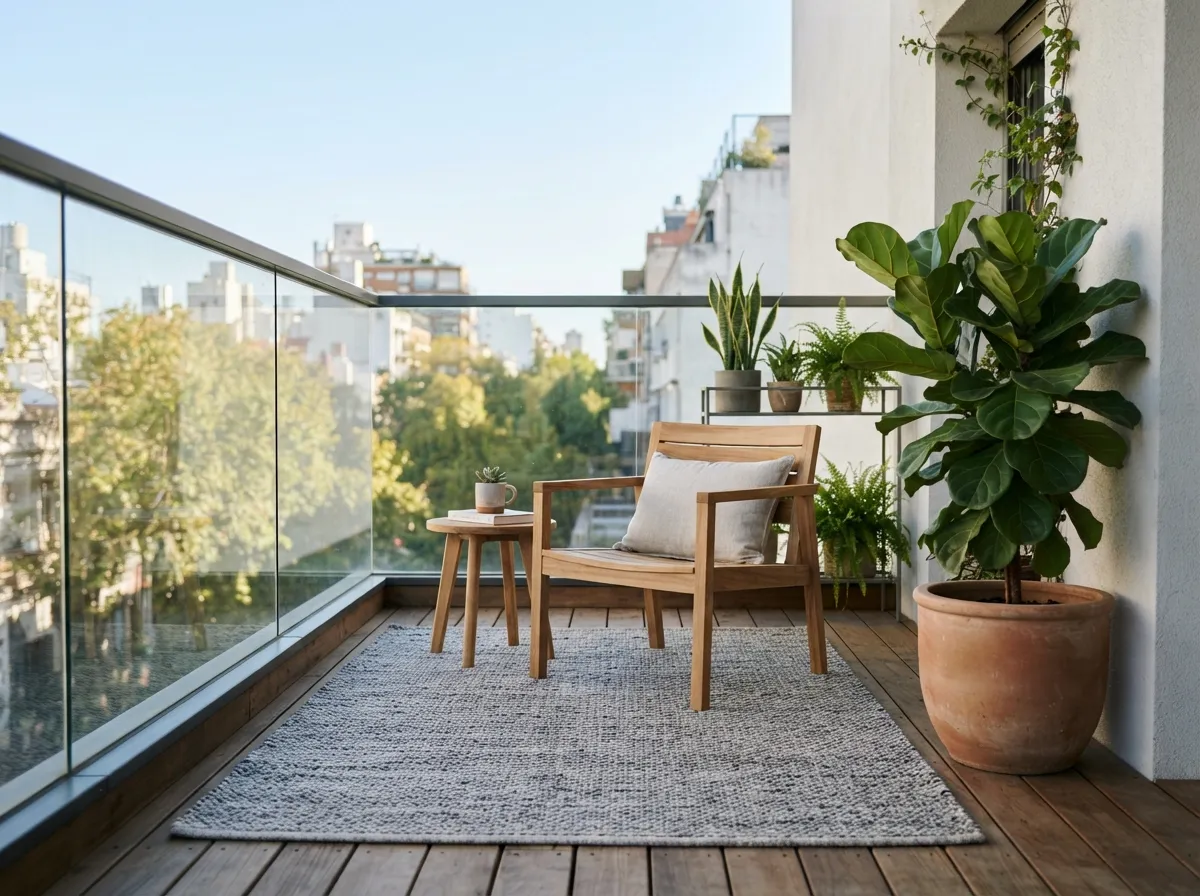
An outdoor rug is a fantastic tool for defining your balcony garden layout.
A simple woven rug made from weather-resistant materials anchors your furniture and plants beautifully.
Choose flat-weave designs with subtle geometric patterns or solid neutral tones to keep the look clean.
It acts as a visual frame that ties your pots and seating together beautifully.
31. Keep Tools Hidden in a Sleek Bench
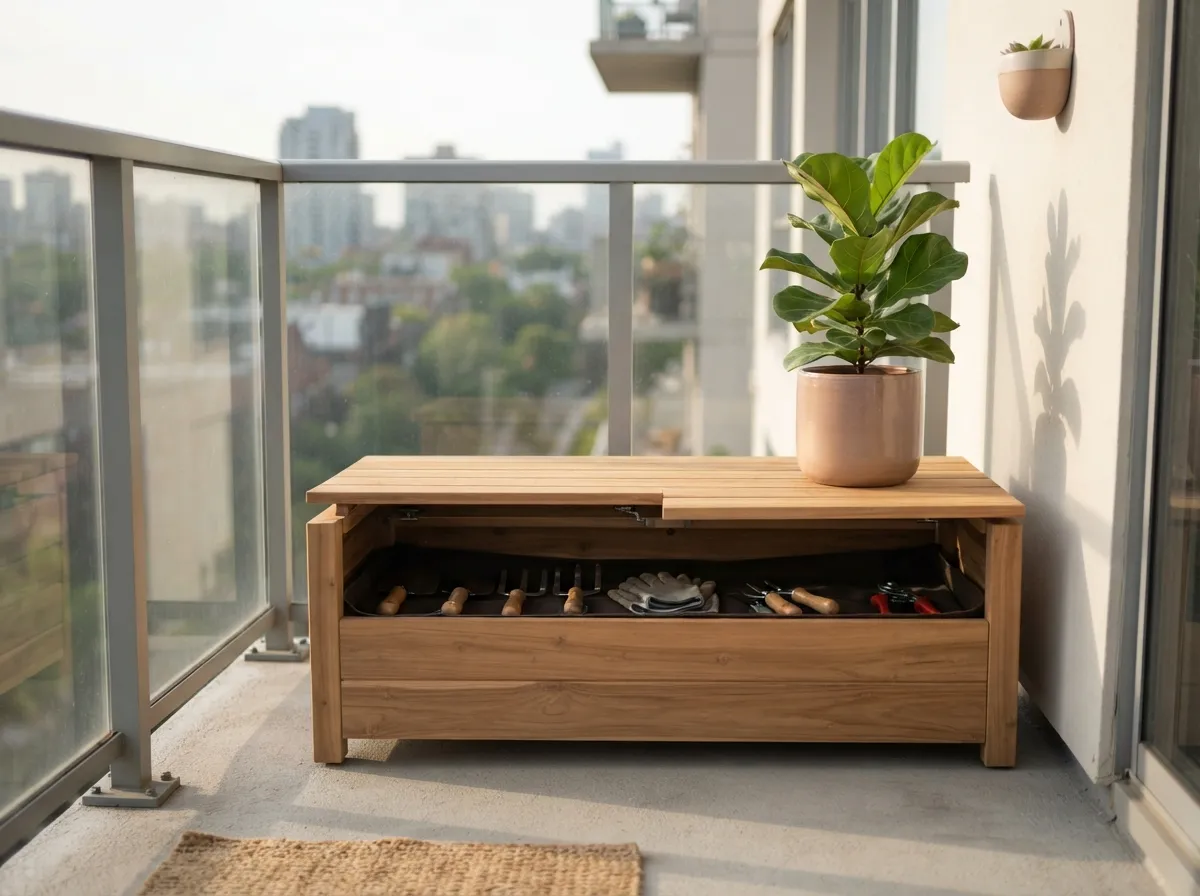
Clutter can quickly ruin the clean lines of a small outdoor space. A dual-purpose storage bench offers the perfect solution for keeping your gardening essentials organized and out of sight.
This keeps the floor area completely clear and maintains a tidy aesthetic. Choose a bench made from durable, weather-resistant wood like teak or cedar.
It serves as both a comfortable spot to relax and a functional storage hub. Top the bench with a simple potted plant or a neutral cushion to complete the streamlined look.
Creating a minimalist balcony garden is all about simplicity, intentionality, and choosing the right plants for your space. By focusing on clean lines and functional design, you can enjoy a peaceful outdoor retreat that feels curated, spacious, and incredibly easy to maintain year-round.