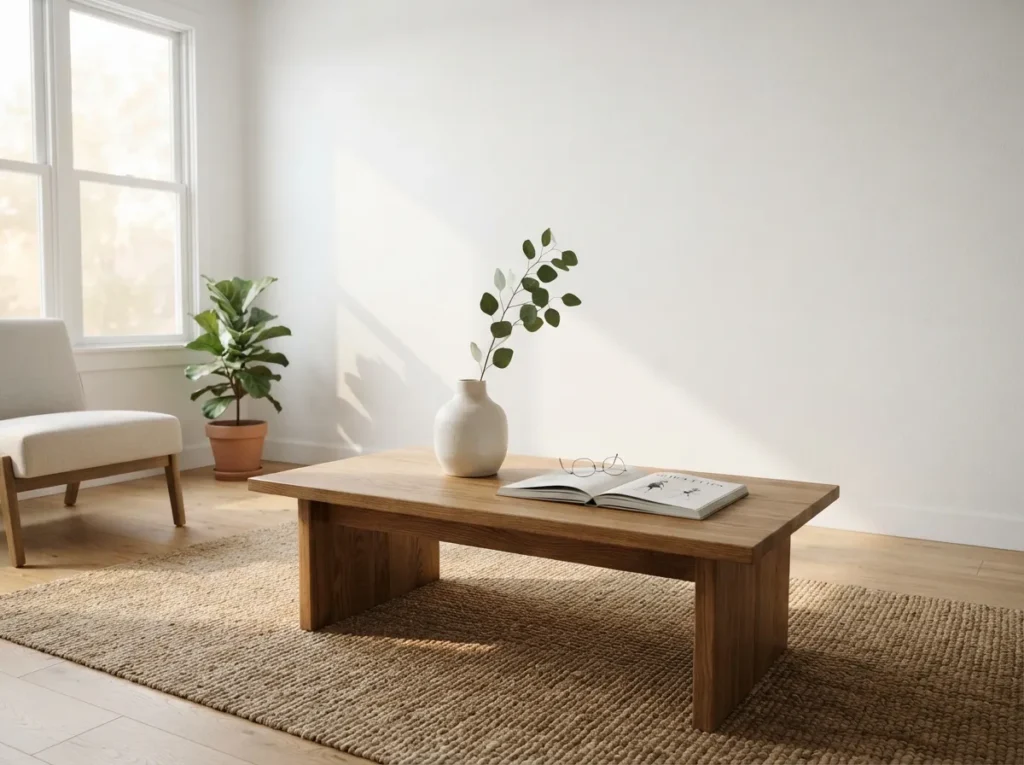
Master minimalist home staging for photography by decluttering surfaces, balancing natural light, and highlighting architectural features to capture clean, warm, and inviting interior spaces for your content.
Decluttering Surfaces and Clearing Visual Noise
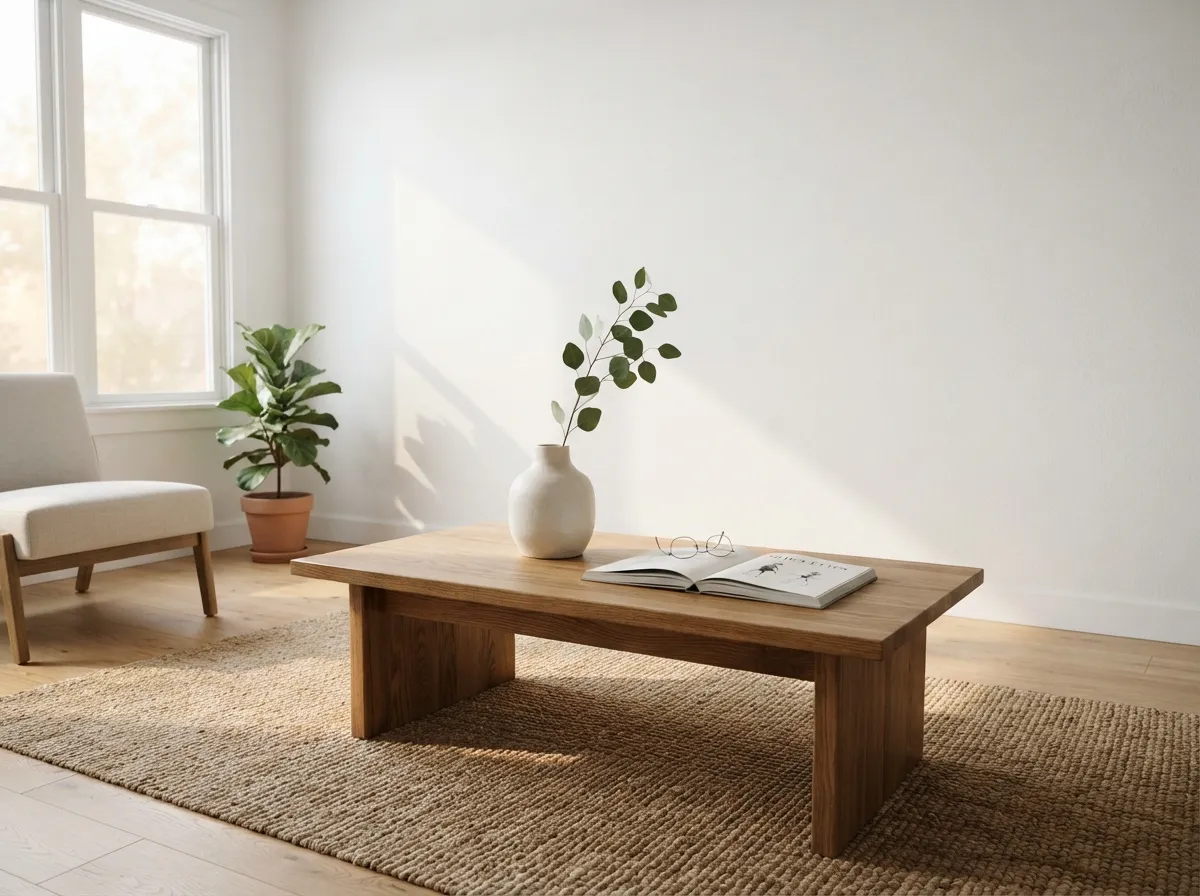
When staging your home for the camera, every single item on a table or shelf matters. Excess items create digital clutter that distracts viewers instantly.
Removing random everyday objects from countertops allows the true architecture of the room to shine. Clean surfaces help the lens focus on form and line instead of random mess.
Leaving only a few carefully chosen decor pieces creates breathing room in the frame. This simple practice ensures your interior photography looks calm, intentional, and highly professional.
Maximizing Natural Light and Softening Shadows
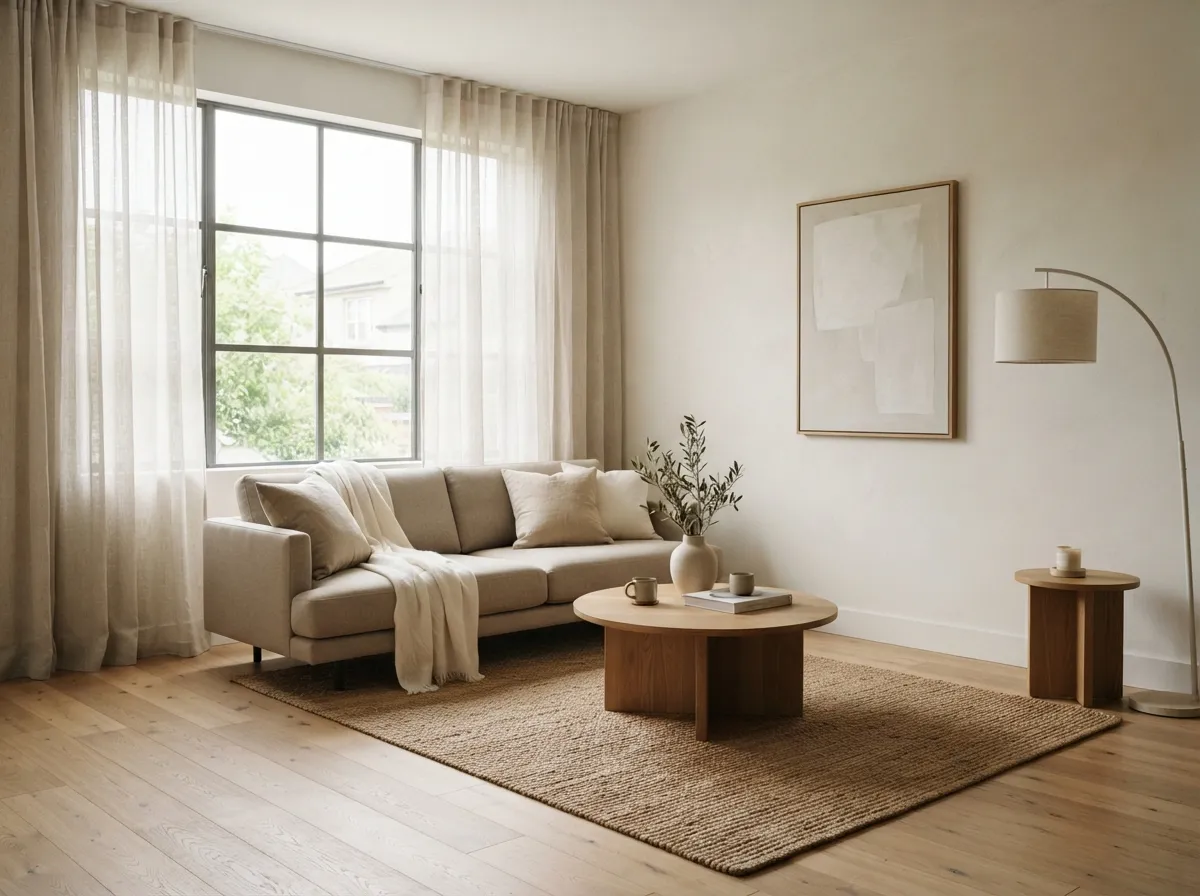
Lighting dictates the entire mood of your home content and photography. Pulling back heavy drapes invites maximum sunlight into the living space.
Bright, airy rooms look significantly larger and much more inviting on camera. Sheer white curtains can diffuse harsh rays to prevent unwanted glare on your floors.
Positioning furniture near windows highlights natural textures and creates pleasant contrast. Good illumination makes every minimalist design element look crisp and well defined.
Selecting Warm and Neutral Color Palettes
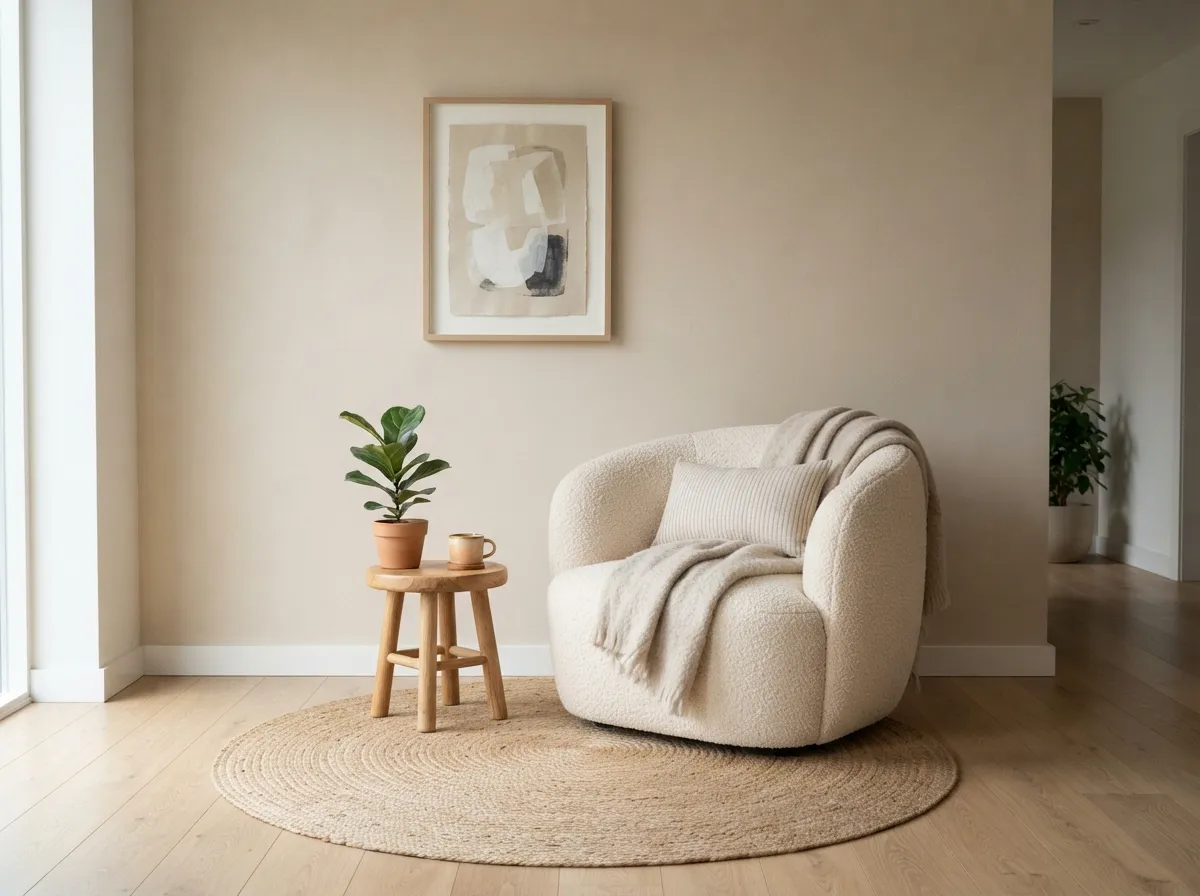
A cohesive color scheme is vital for capturing clean interior imagery. Sticking to warm neutrals like beige, cream, and soft taupe provides a timeless backdrop.
These gentle tones reflect light evenly across the room without creating strange color casts in your photos. They also help different pieces of furniture blend together harmoniously.
Avoiding overly bright or clashing wall colors keeps the viewer focused on shape and texture. Neutral spaces simply read better through a camera lens every single time.
Curating Textures for Depth in Photos
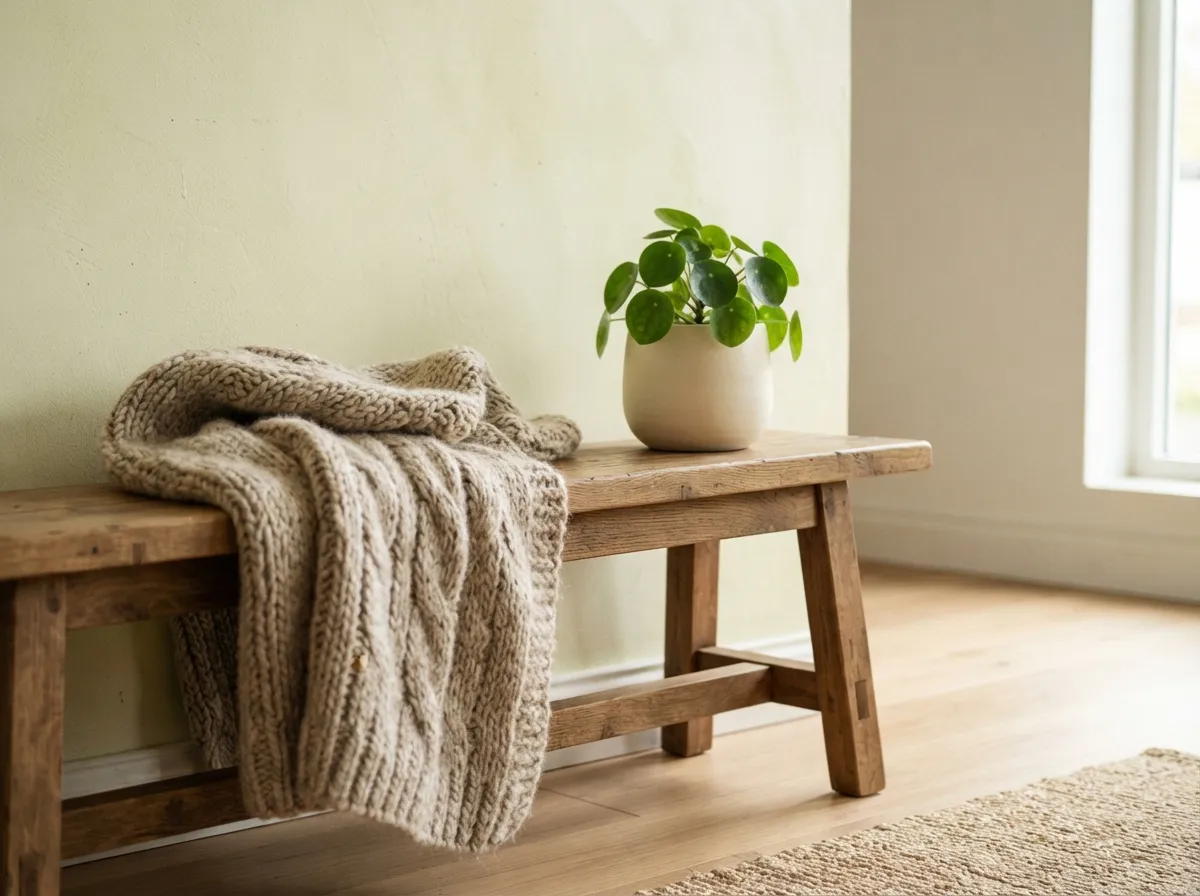
Minimalist spaces can sometimes feel flat or sterile if they lack tactile variety. Introducing multiple textures adds essential visual depth to your images.
Combine smooth ceramic vases with coarse woven blankets and brushed metal accents. This thoughtful mix catches the camera light from different angles.
Subtle tactile layers prevent the scene from looking boring or overly sparse. You achieve a cozy and inviting atmosphere while keeping the overall design clean.
Arranging Furniture for Optimal Camera Angles
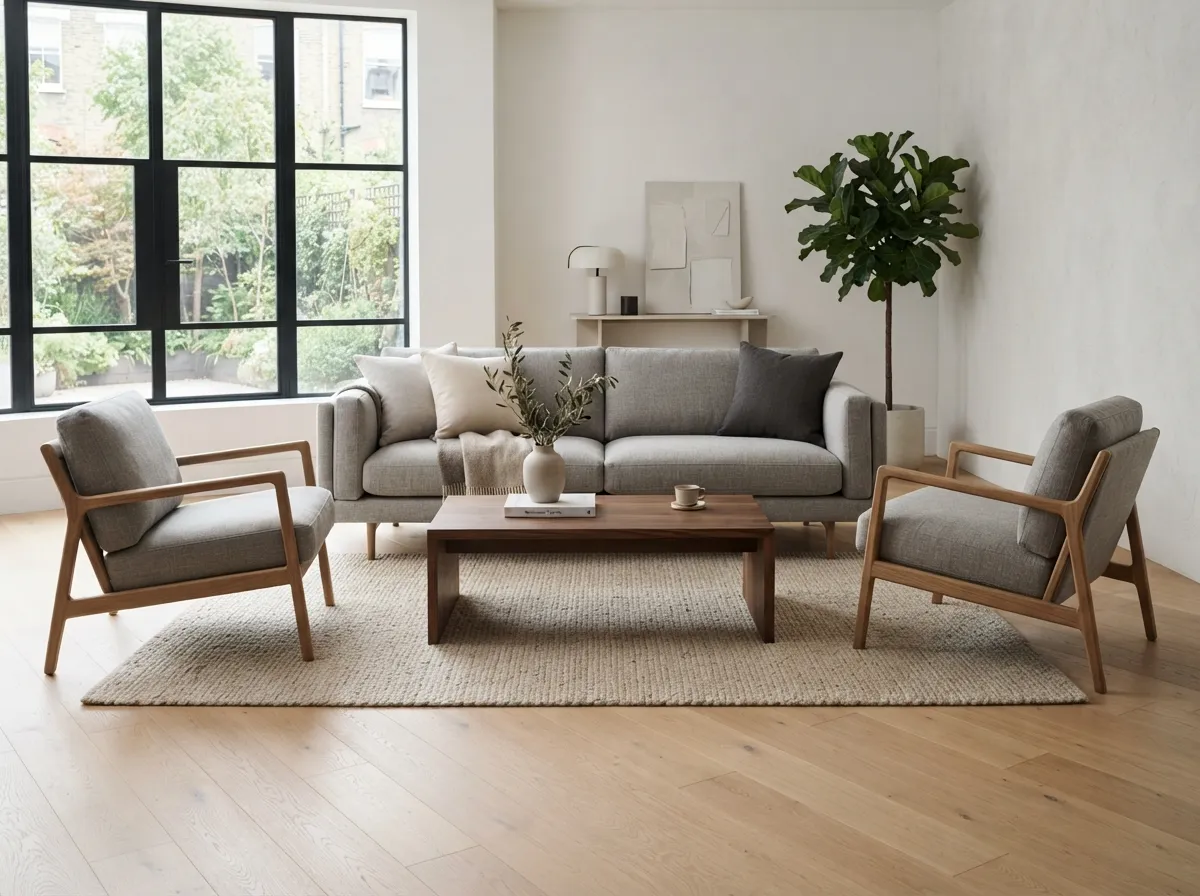
How you place your furniture directly affects the perspective of your final shots. Pulling seats slightly away from walls opens up the center of the room.
Creating open pathways guides the viewer eye naturally through the captured frame. Symmetrical layouts often produce the most balanced and satisfying interior compositions.
Keep bulky items out of the immediate foreground to maintain a sense of space. Proper spatial arrangement makes even compact rooms feel balanced, open, and ready for publication.
Styling Intentional Focal Points and Accent Pieces
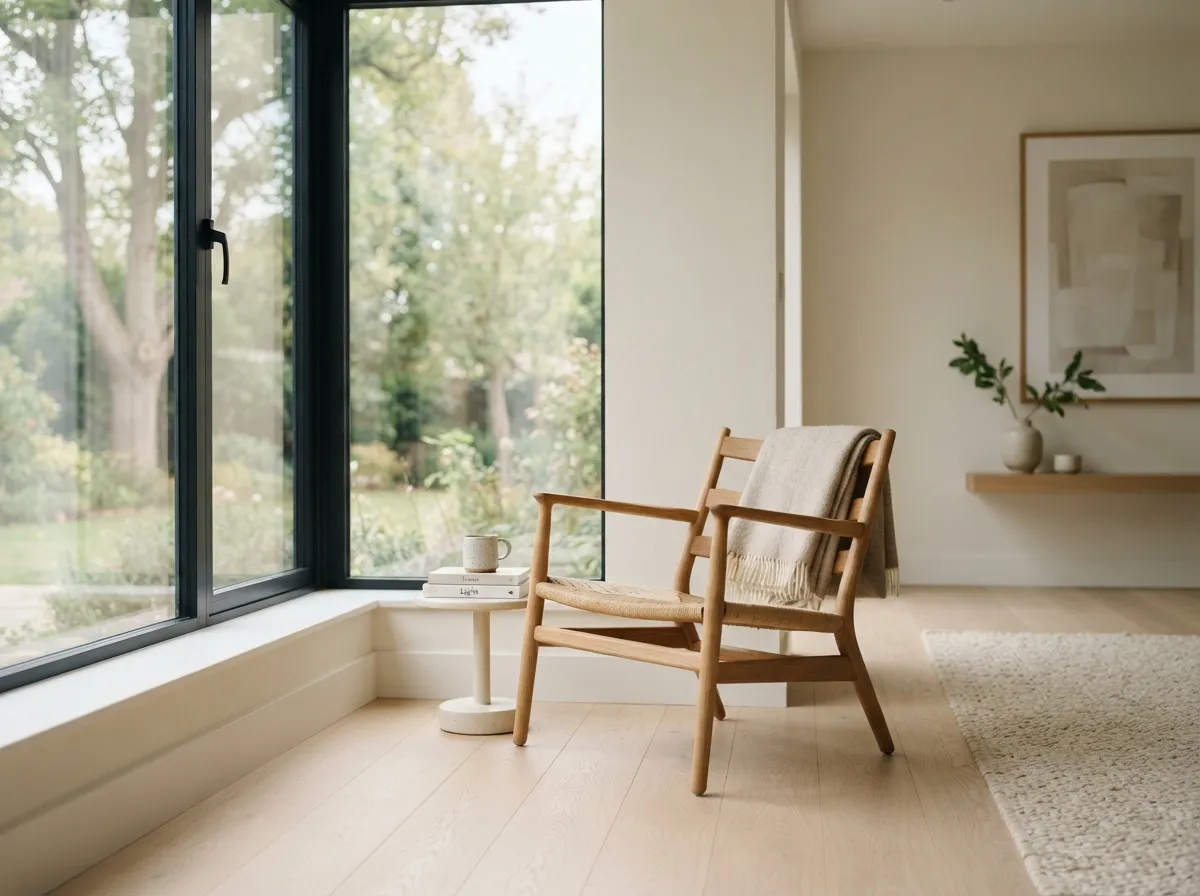
Minimalist home staging requires a careful balance of open space and deliberate detail. By choosing a single accent piece, you draw the camera directly to the room’s best architectural feature.
Less clutter ensures that the viewer’s eye rests naturally on the curated design elements without feeling overwhelmed.
Selecting the right focal point sets the visual tone for your entire photograph. A single ceramic vase or a structured wooden chair creates depth in an empty corner.
This thoughtful approach highlights the craftsmanship of your furniture while keeping the room feeling light and airy.
Remember to test your angles through the camera lens before locking in the final placement. Small shifts in lighting and positioning can completely change how an accent piece reads on camera.
Keep your staging purposeful and let the natural architecture speak for itself.
Editing for Realistic and Cozy Interior Atmospheres
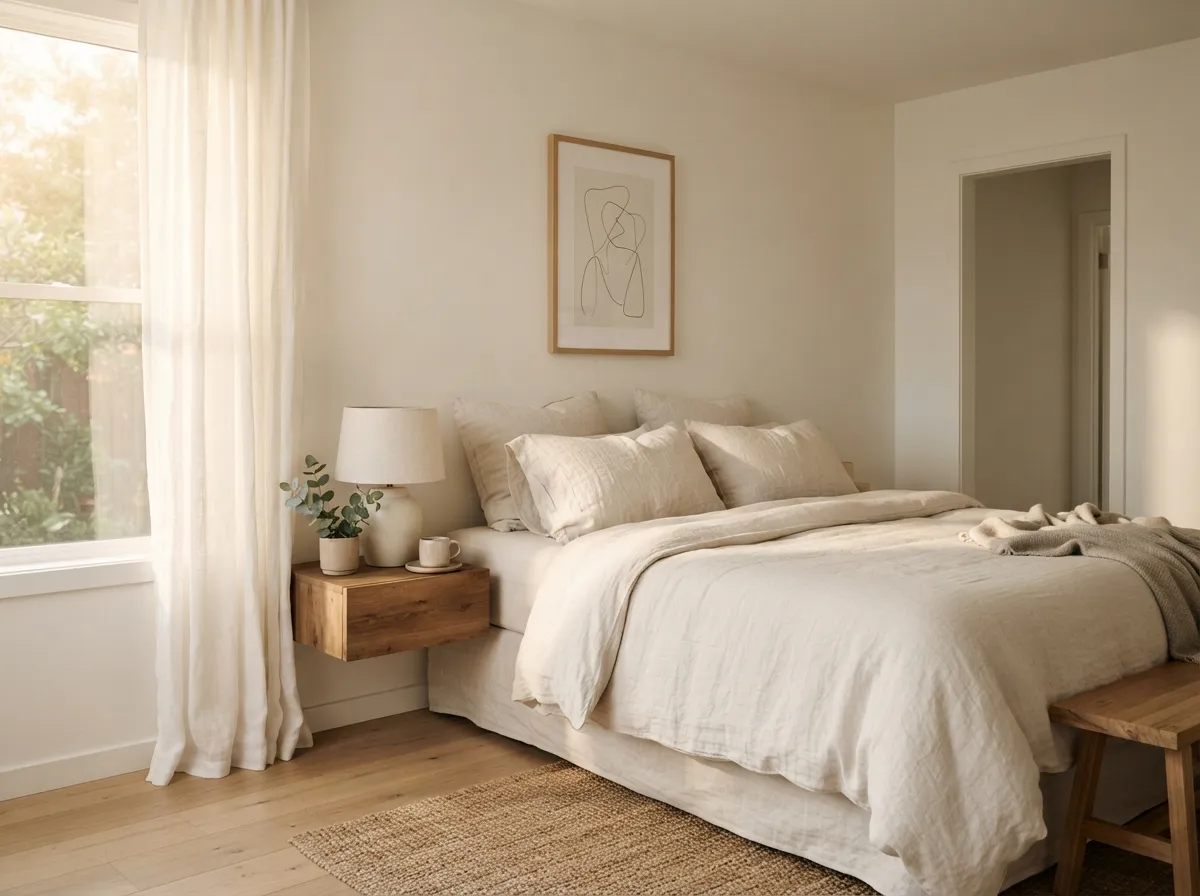
Post-processing should always prioritize warmth and realism over excessive digital manipulation. Softening harsh shadows helps replicate the gentle ambiance of natural daylight in a lived-in home.
Viewers connect much faster with spaces that feel genuinely comfortable and inviting rather than sterile.
Layering in subtle warmth during your edit brings out the natural textures of linen, wood, and clay. Avoid over-saturating colors to maintain an authentic, organic look throughout the frame.
Authenticity builds immediate trust with your audience and elevates your content quality.
Finalize your images by checking the contrast levels to ensure the whites remain crisp without blowing out details. A well-balanced room photograph showcases texture and tone in equal measure.
This simple editing habit guarantees your content stands out for all the right reasons.
Applying these practical minimalist staging techniques ensures your interior photography looks balanced, authentic, and visually engaging. By focusing on lighting, texture, and purposeful decor, you can easily capture warm spaces that resonate with viewers.