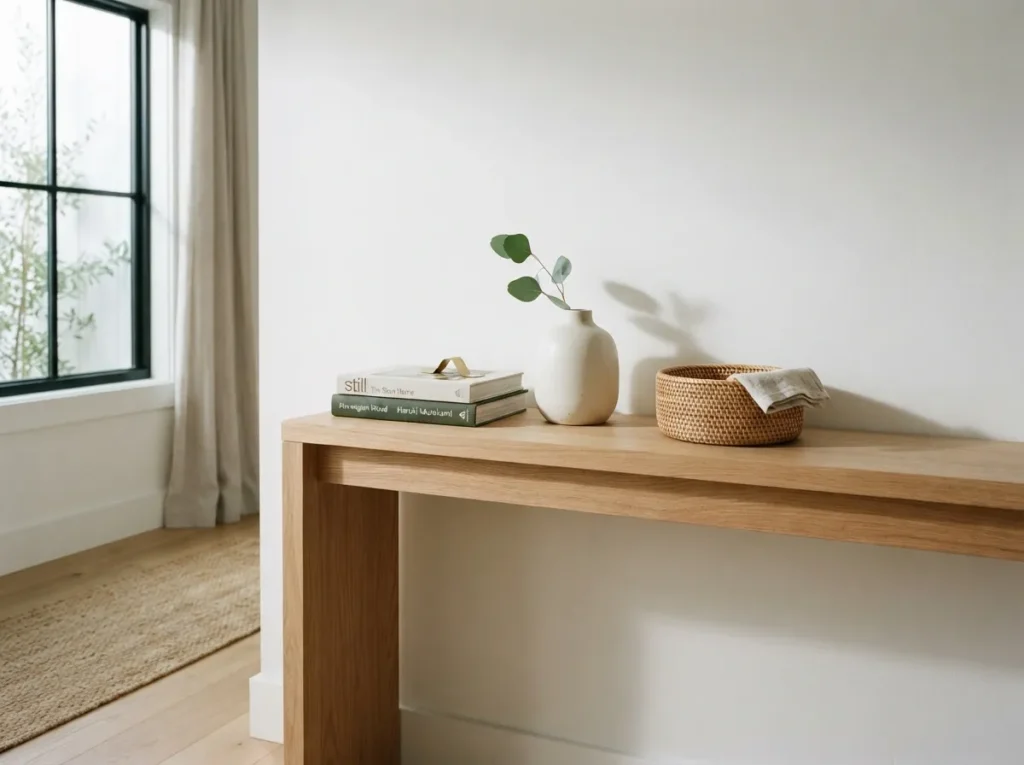
Minimalist home decor begins with a clear space. Start with decluttering before you decorate. This guide offers 25 practical ideas to create a calm, functional home.
1. One In, One Out Rule for Every New Purchase
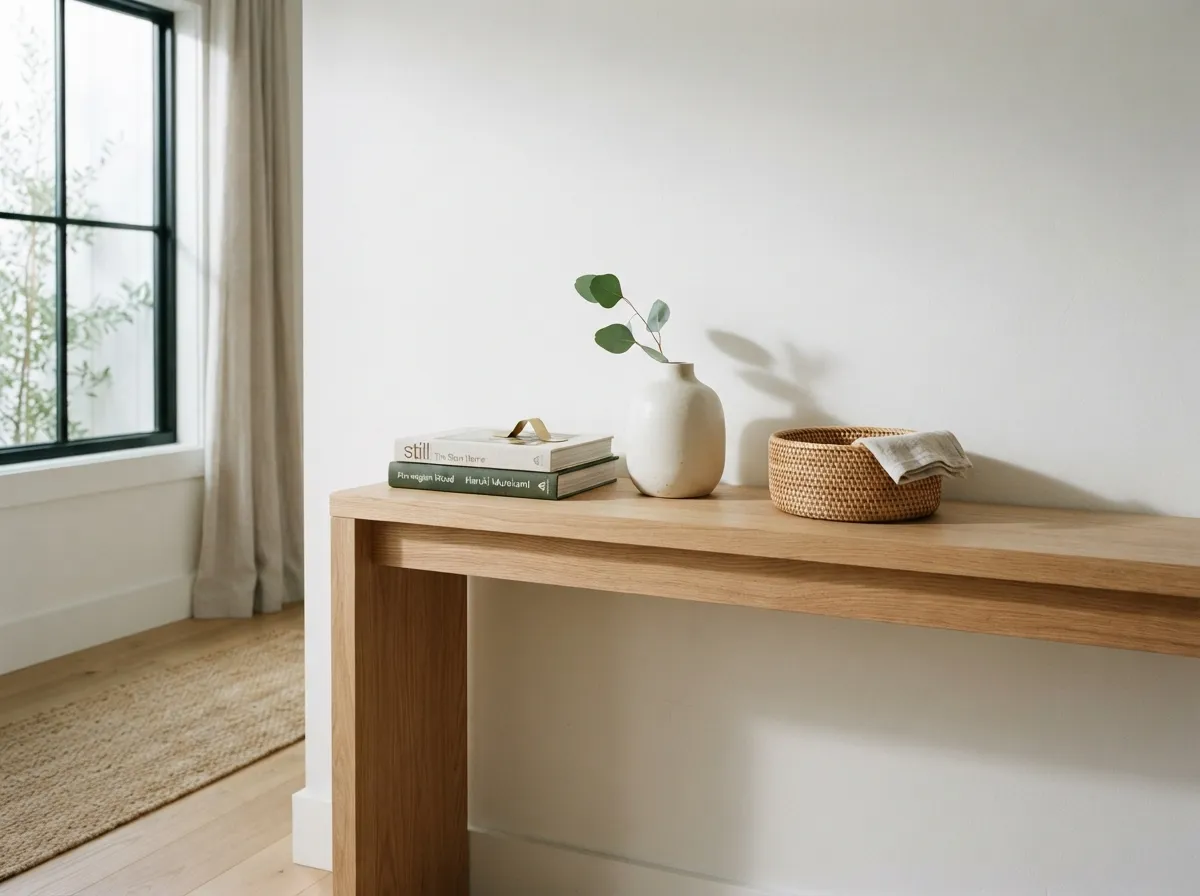
Adopt a simple, powerful habit for lasting order. The One In, One Out rule creates natural balance.
Every time a new item enters your home, an older, similar item must leave. This prevents slow, invisible accumulation.
Think of it as a conversation between objects. A new mug means donating an old one.
A new book means passing one along.
This rule keeps your space dynamic and intentional. You consciously choose what stays, curating your environment with each purchase.
2. Clear Countertops for a Calm Kitchen
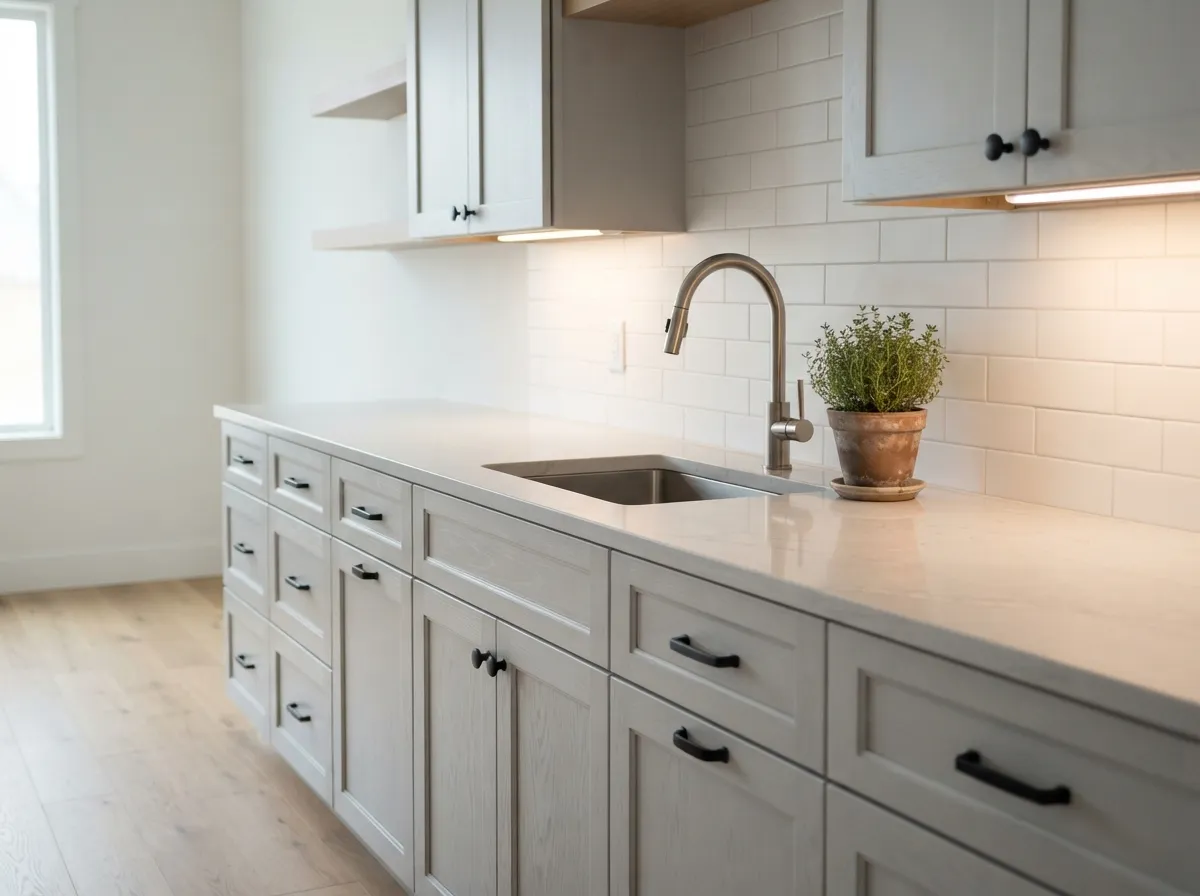
A clear countertop is a canvas for calm. Visual clutter creates mental clutter, especially in busy kitchens.
Keep daily-use appliances to a minimum. Store the toaster blender or coffee maker in a cabinet if used less than weekly.
A single, beautiful material can anchor the space. Think of a solid oak cutting board or a smooth marble slab left bare.
The result is immediate relief. Your kitchen feels larger, cleaner, and more welcoming for cooking and conversation.
3. Use Baskets to Corral Small Items
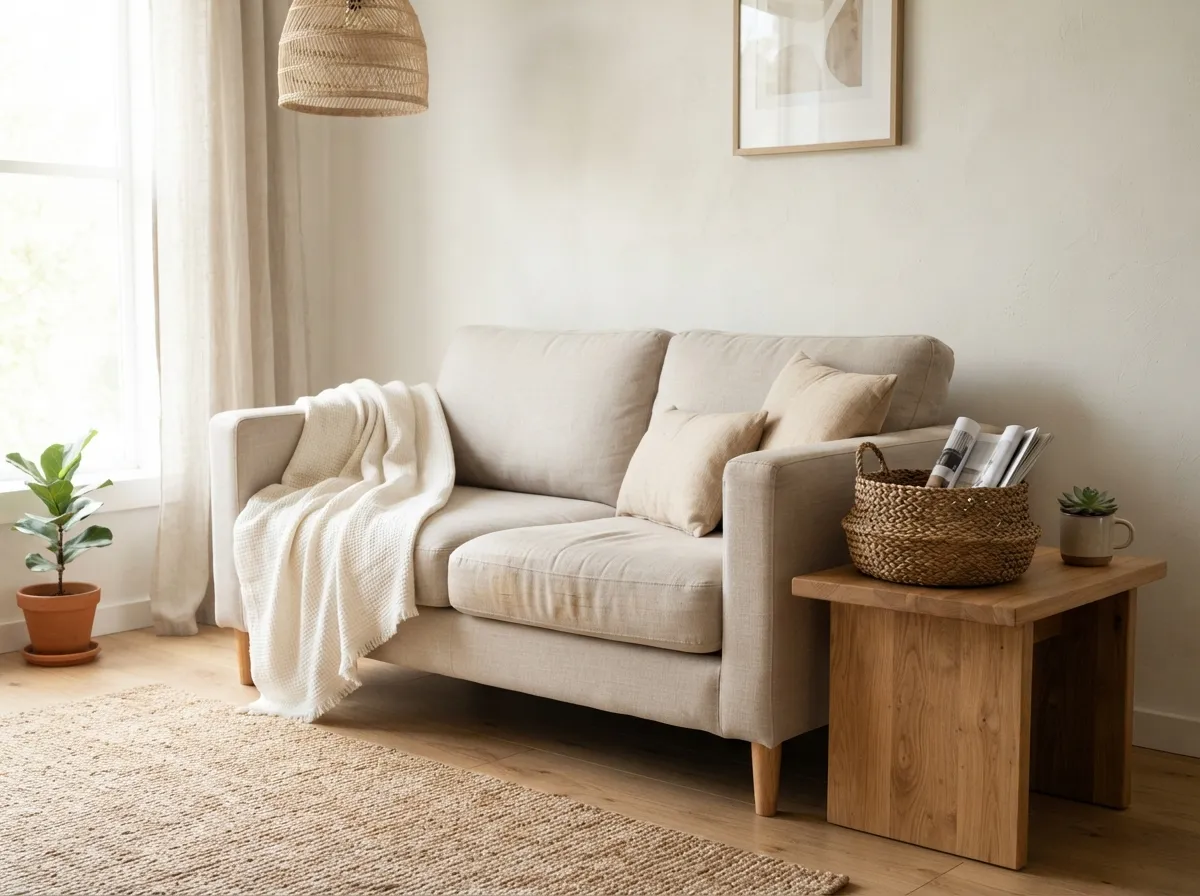
Small items often cause big chaos. Keys, mail, remote controls—left loose, they scatter.
A woven seagrass or rattan basket is a simple solution. It contains the clutter while adding natural texture.
Place one on a shelf or side table. Assign it a specific purpose: holding magazines or tech accessories.
This method hides mess without hiding the items completely. Everything has a designated home, making tidying effortless.
4. Create a Dedicated Entryway Drop Zone
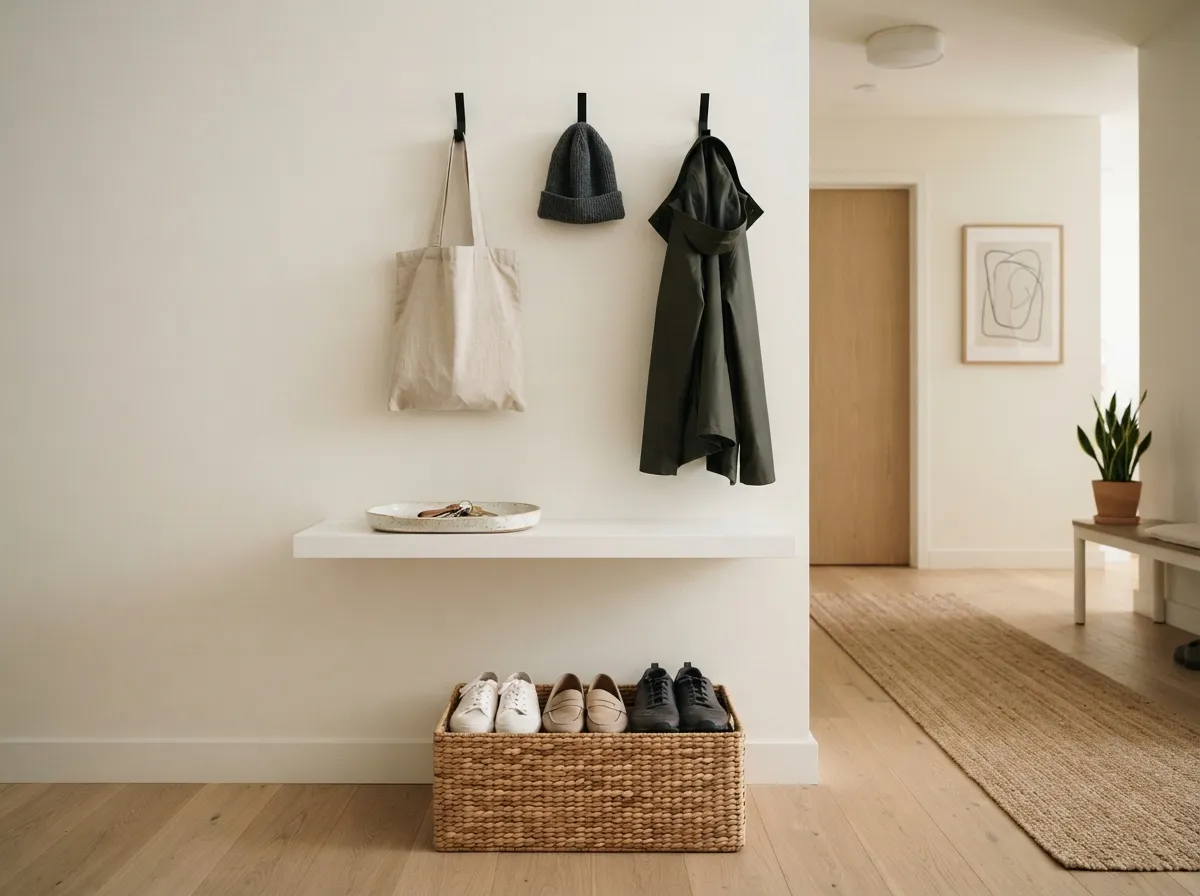
The entryway sets the tone for your entire home. Without a system, it becomes a dumping ground.
Create a dedicated drop zone with intention. A simple wall-mounted shelf or a slim console table works perfectly.
Add a few wall hooks for coats and bags. Place a low, sturdy basket for shoes right below.
This defined space corrals outdoor gear immediately. It prevents clutter from migrating into your living areas and maintains order.
5. Digitize Old Papers and Photos
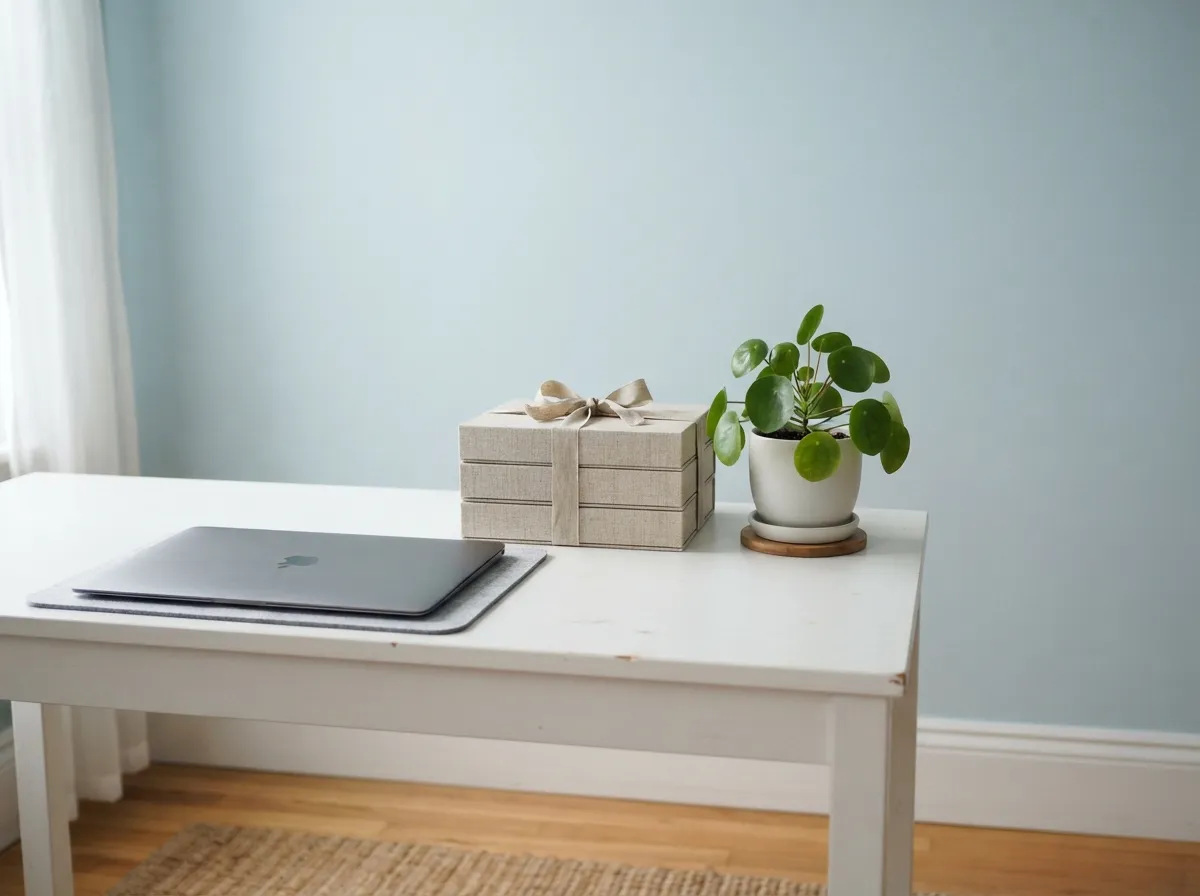
Paper piles are a primary source of visual stress. Old photos, bills, and documents accumulate over years.
A simple scanner or a reliable smartphone app can digitize everything. Save files to a secure cloud service or external drive.
Once scanned, the originals can be recycled or stored in one small, archival box. This physically frees up shelves and drawers.
The digital versions are easier to organize, search, and preserve. You reduce physical weight while safeguarding memories.
6. Choose Furniture with Hidden Storage
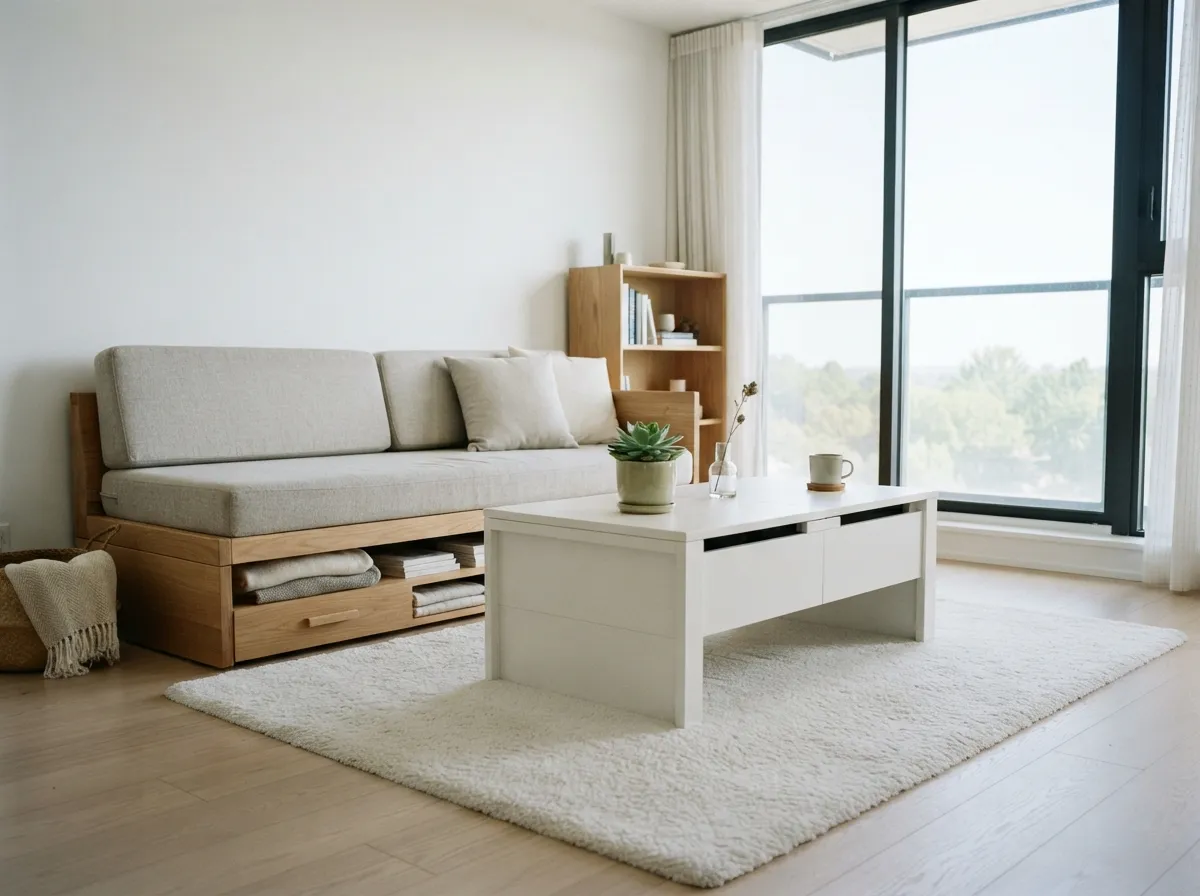
Minimalist living starts with smart furniture choices. Think pieces that work double duty.
A sofa with under-seat storage hides blankets and books. A coffee table with lift-top or hidden compartments stashes remote controls and coasters out of sight.
Choose pieces in light oak or white finishes to keep the room airy. The storage remains invisible, but clutter stays off surfaces.
The goal is less visual noise. Every item has a place, even if that place is cleverly concealed.
7. Apply the 90/90 Rule to Possessions
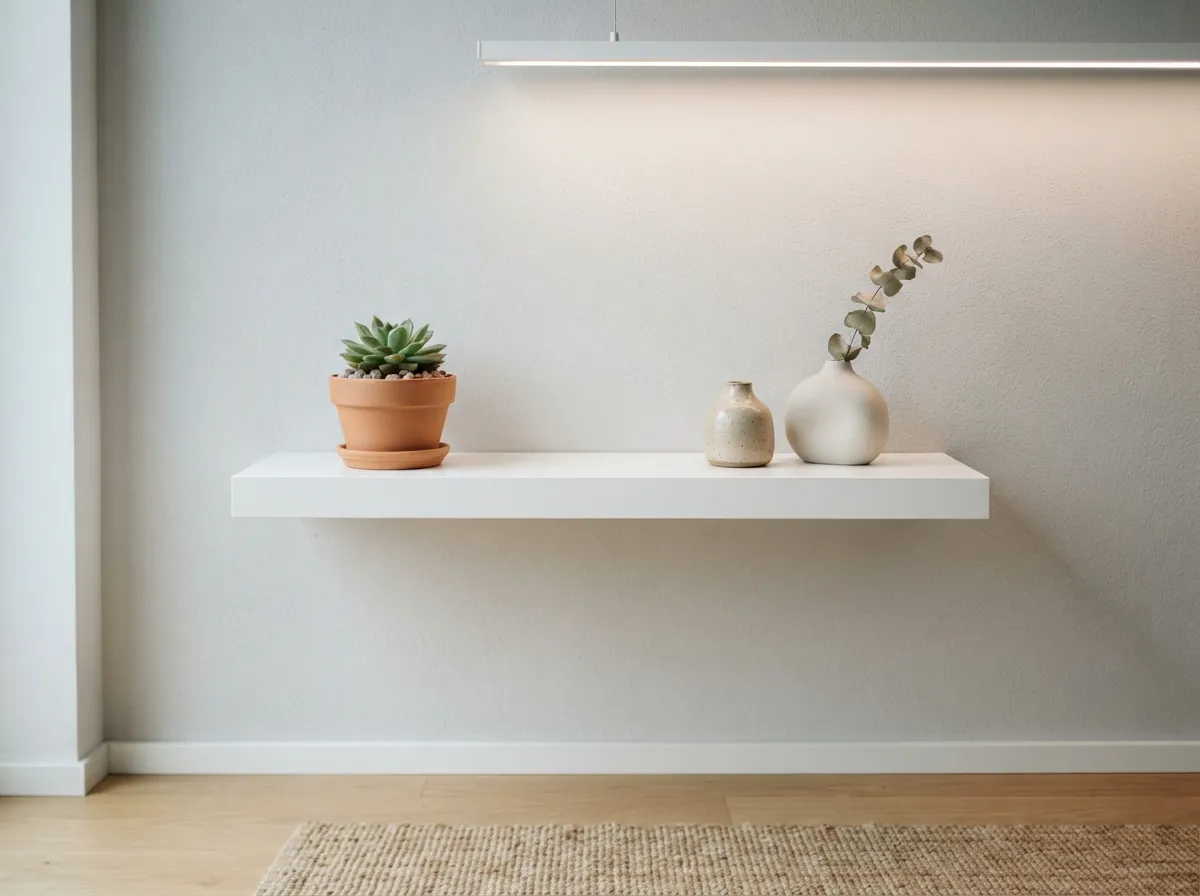
The 90/90 Rule simplifies decluttering decisions. Pick up an item and ask two questions.
Did you use it in the last 90 days? Will you use it in the next 90 days?
If both answers are no, it likely needs to go.
This rule removes emotional attachment from the process. It focuses purely on current utility and practical need.
Apply it to one shelf or drawer per session. Small wins build momentum toward a decluttered home.
8. Streamline Your Book Collection
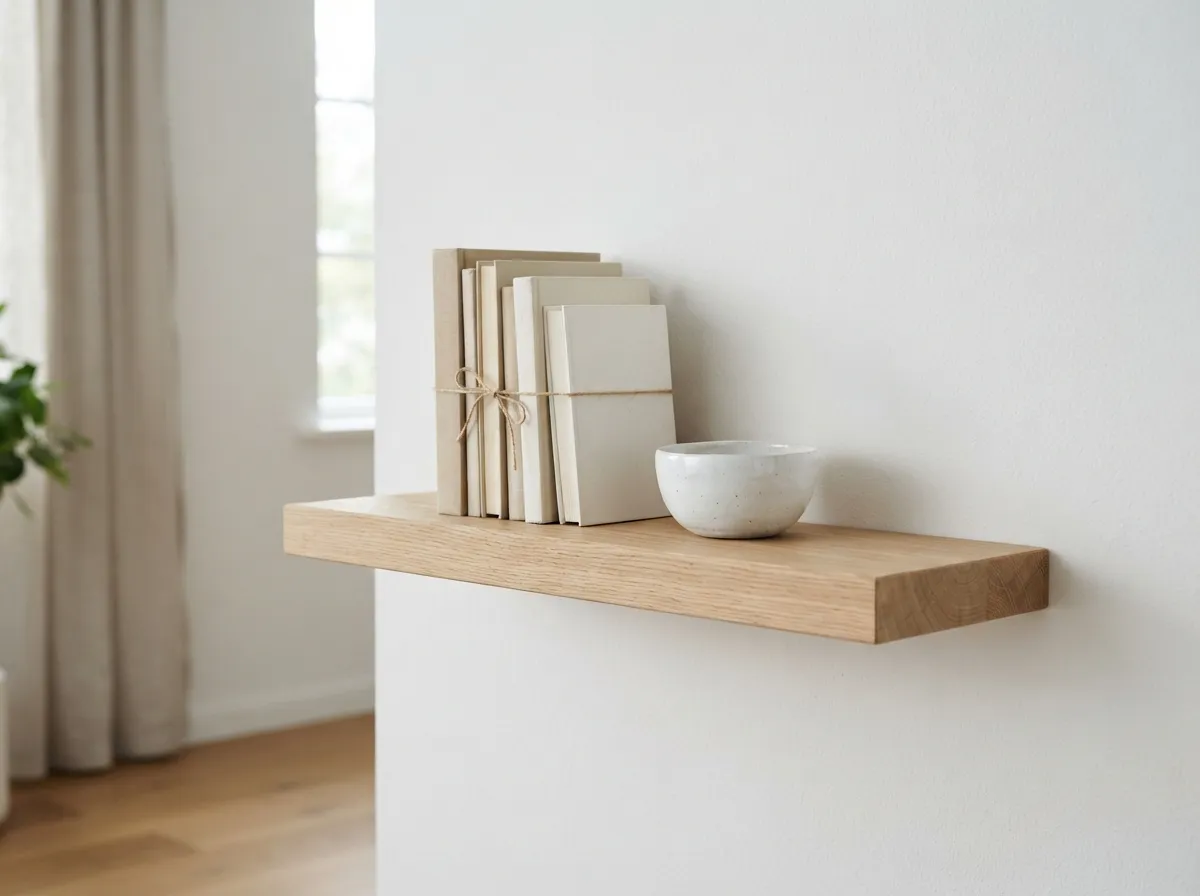
Books add personality but can quickly overwhelm a space. Streamlining means keeping only what you truly love or reference often.
Select a limited color palette for book spines if you keep them on display. Or, face books inward for a uniform neutral tone.
Place your curated collection on a simple floating shelf in natural wood. Leave negative space around it.
This approach treats books as intentional decor rather than accumulated clutter. Quality over quantity.
9. Organize Closets with Uniform Hangers
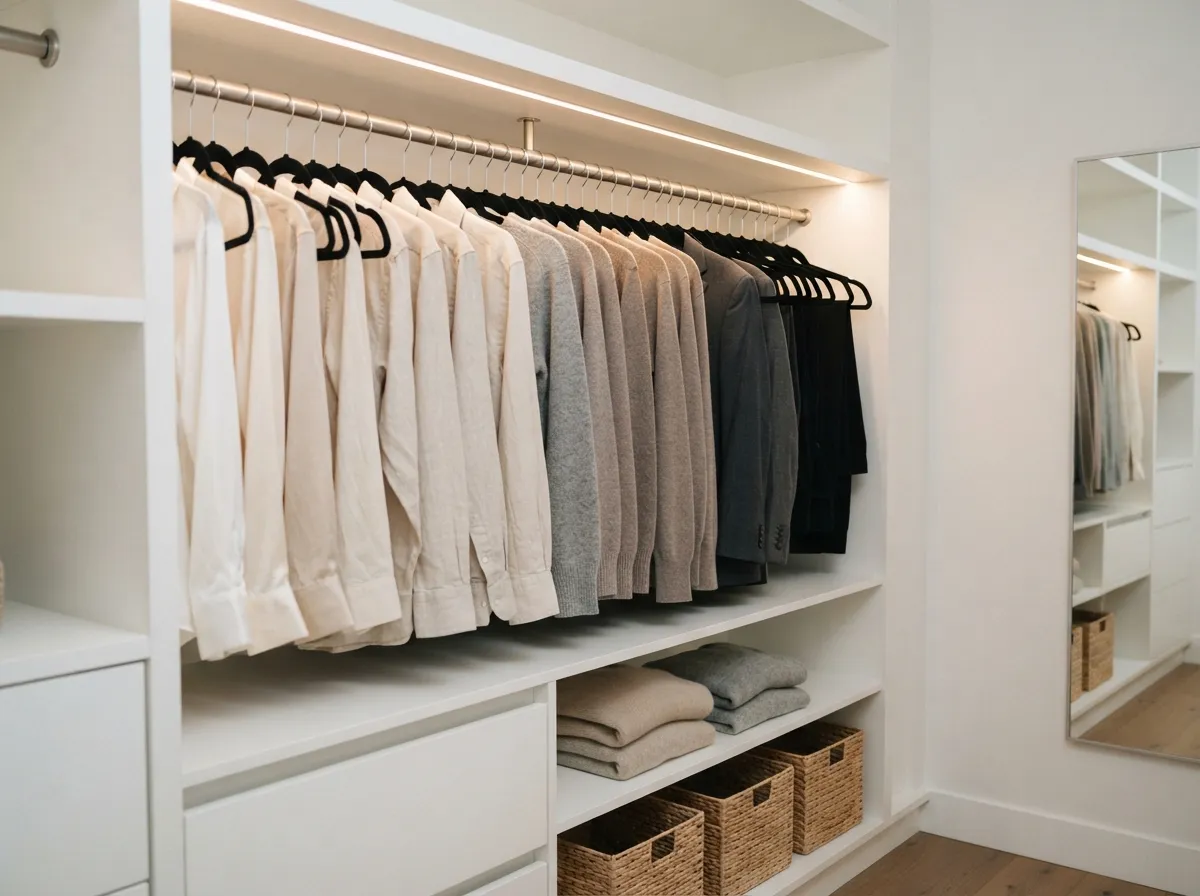
Closet chaos starts with mismatched hangers. Uniform hangers create instant visual order.
Choose slim, velvet non-slip hangers in one color, like black or grey. They save space and keep clothes from sliding.
Group garments by type and color. Leave space between each item for easy browsing.
A tidy closet makes getting dressed faster. It also reduces the temptation to keep excess clothing you rarely wear.
10. Simplify Bathroom Surfaces
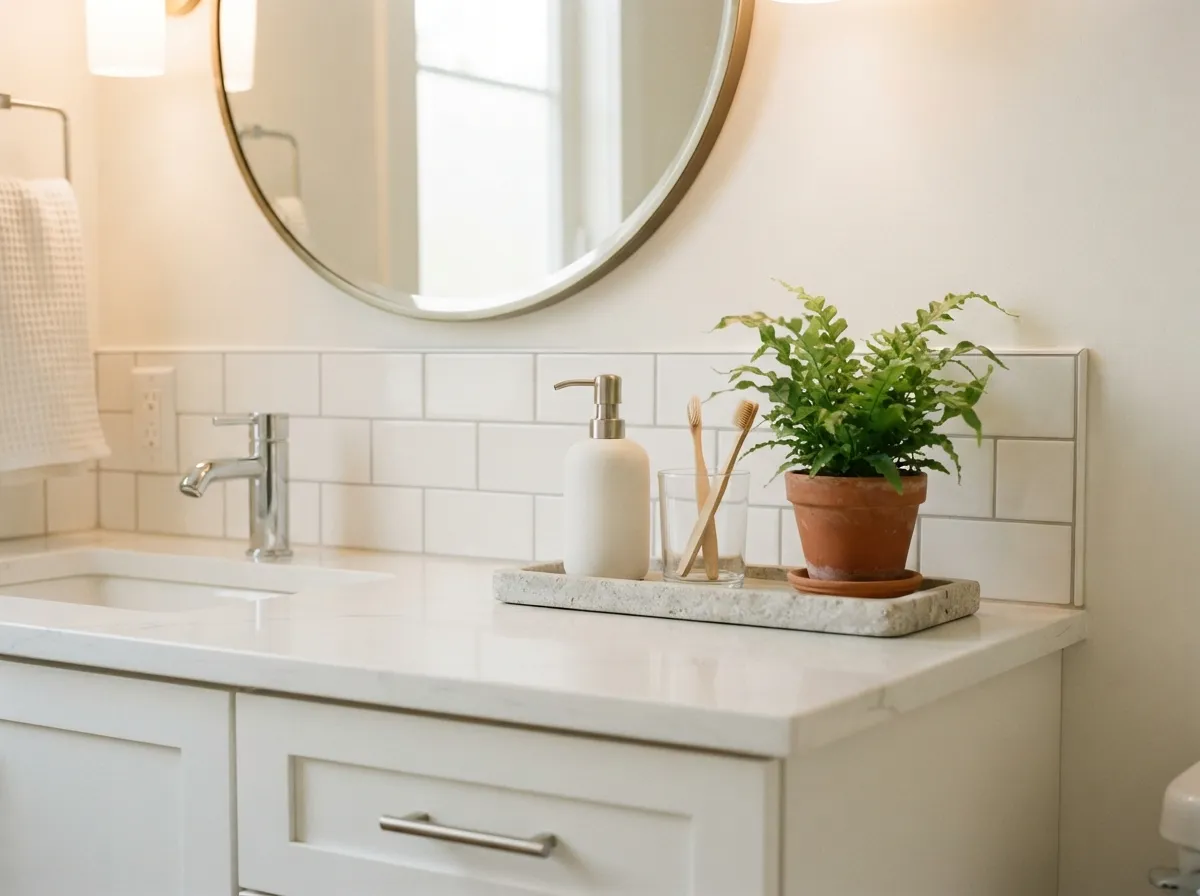
Clear bathroom counters immediately reduce visual stress. Surface clutter makes small spaces feel cramped.
Keep only daily essentials out: a soap dispenser, a toothbrush holder, and perhaps one small plant.
Store everything else in medicine cabinets or drawers. Use simple white or glass containers for any items that stay visible.
A stone tray or wooden board can corral the few items you keep out. It creates a finished, intentional look.
11. Use Wall Hooks for Everyday Items
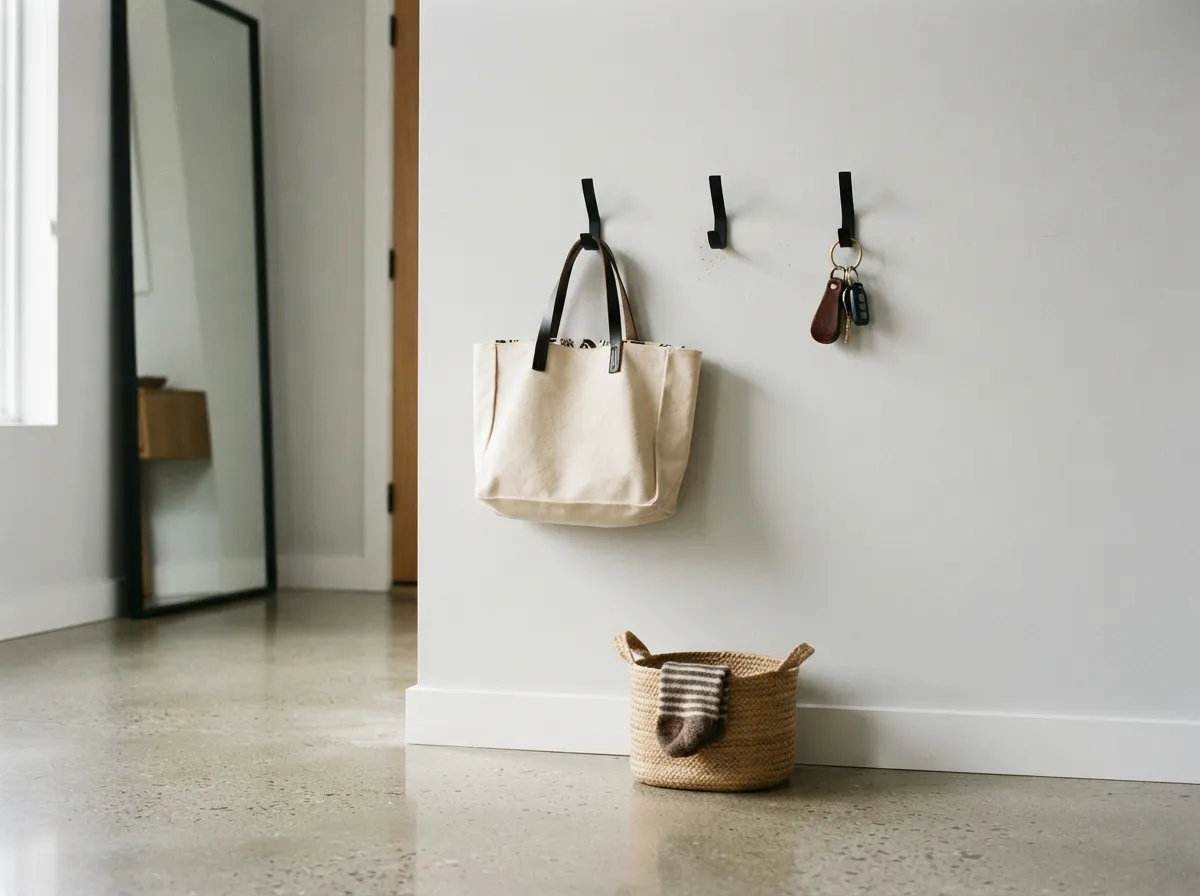
Wall hooks offer a simple, visual way to keep daily essentials organized and off surfaces. This approach reduces countertop and floor clutter instantly.
It’s a practical solution that fits seamlessly into a minimalist aesthetic.
Consider installing a row of sleek, matte black hooks in your entryway. They can hold keys, bags, and lightweight jackets.
This creates a designated drop zone, preventing items from migrating throughout your home.
For a warmer look, opt for natural wood pegs. Mount them in the kitchen to hang aprons or in the bathroom for towels.
This small addition maximizes vertical space without adding visual bulk.
The result is a cleaner, more intentional space. Everything has a visible home, making daily routines more efficient.
It’s a foundational habit for maintaining a decluttered environment.
12. Create a Simple, Focused Gallery Wall
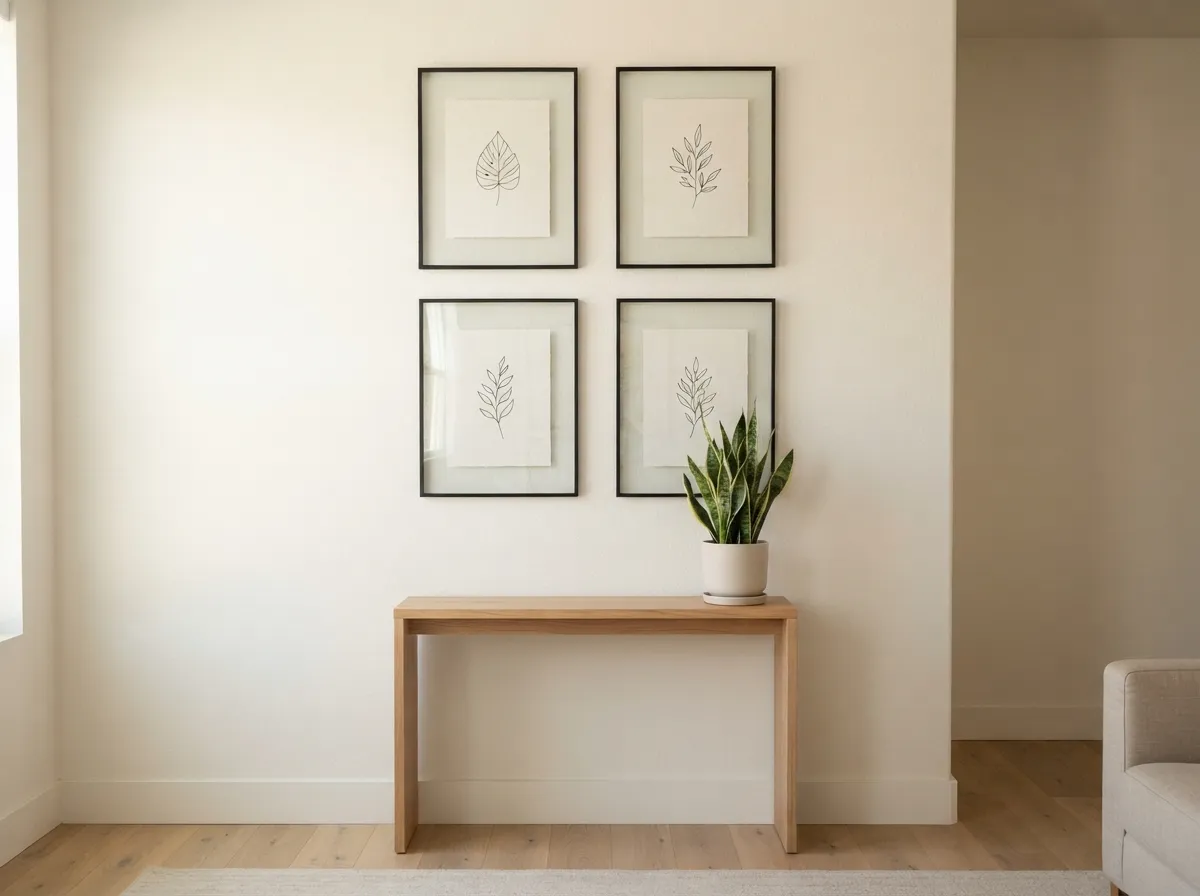
A gallery wall doesn’t need to be overwhelming. For a minimalist approach, focus on a curated collection rather than a crowded display.
This turns a blank wall into a point of interest without creating visual noise.
Choose a limited number of pieces, perhaps three to five. Select frames that share a common element, like the same thin profile or a consistent color.
A simple black or white frame works well against most wall colors.
The artwork itself should have cohesion. This could be a series of botanical prints, abstract line drawings, or personal black-and-white photographs.
Leave generous space between each frame to let each piece breathe.
This restrained arrangement adds personality thoughtfully. It becomes a focal point that reflects your taste while upholding the principle of less is more.
The wall feels intentional, not cluttered.
13. Opt for Multi-Functional Furniture Pieces
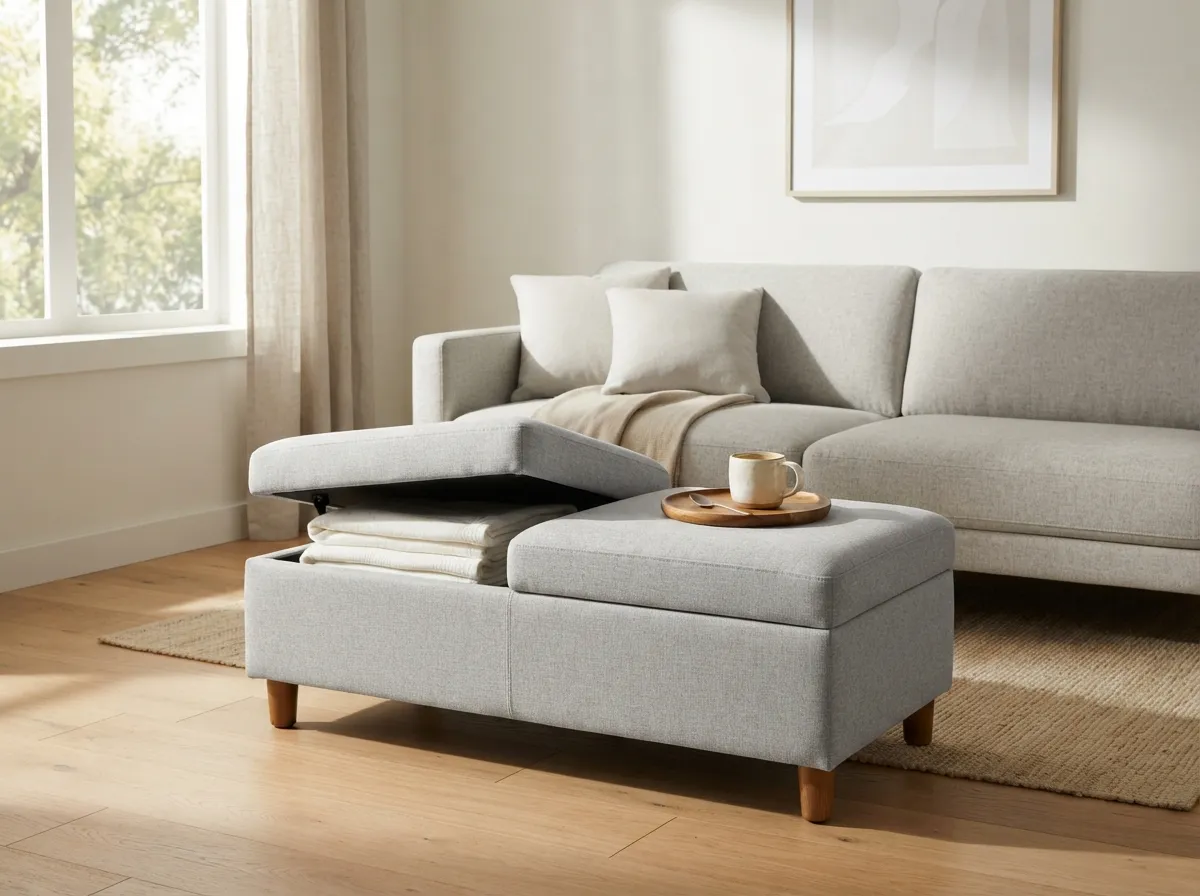
In a minimalist home, each piece of furniture should earn its place. Multi-functional furniture is key to achieving this.
It allows you to have fewer, more purposeful items in your space.
Think of an ottoman with a removable top that provides hidden storage for blankets. Or a sturdy wooden bench that doubles as both seating and a surface for a tray and lamp.
These pieces solve two problems at once.
A sofa with built-in storage in the base is another excellent choice. It keeps items like extra pillows or seasonal throws tucked away and out of sight.
This maintains clean lines and open floor space.
Choosing such items reduces the need for extra storage units. Your room feels more open and airy.
It’s a smart strategy for maintaining both function and a clutter-free look.
14. Store Cables and Chargers Neatly
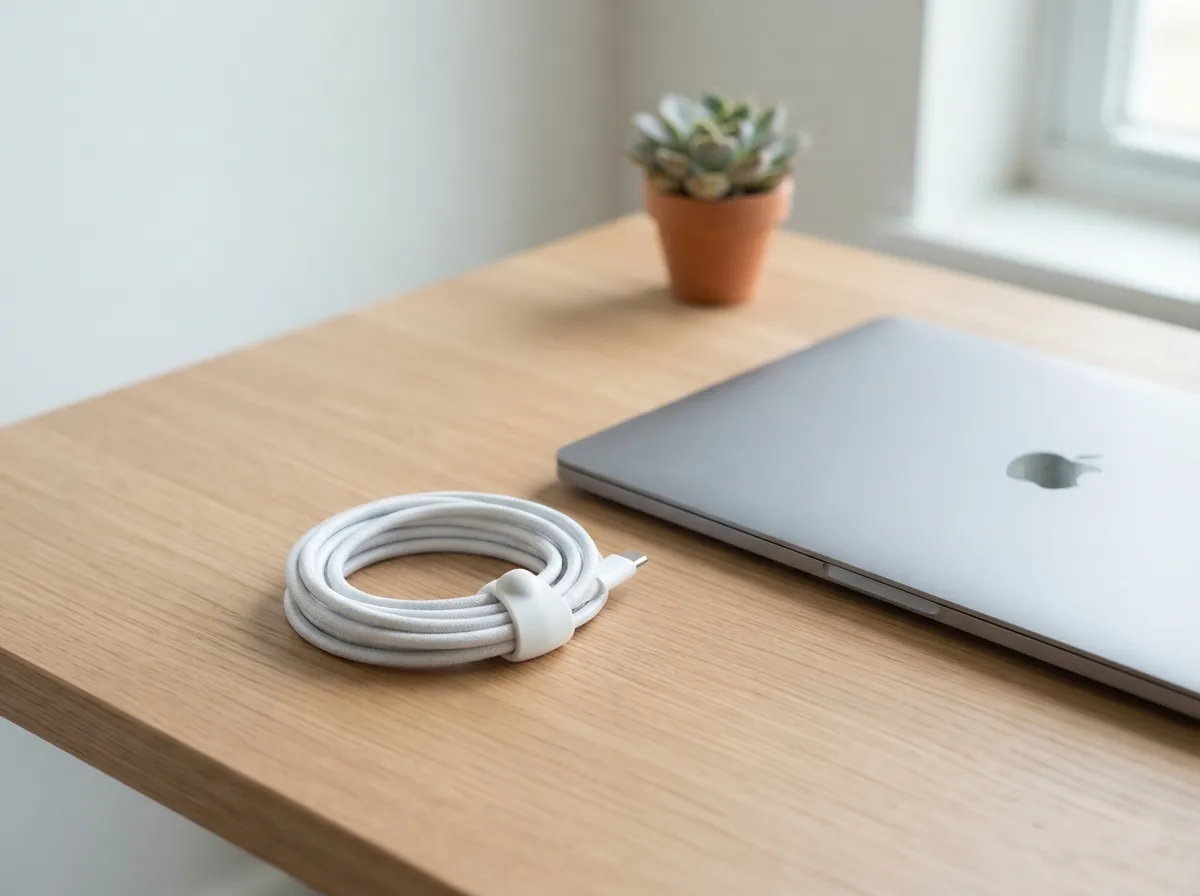
Visible cables and chargers create instant visual clutter. Taming them is a crucial step in minimalist home care.
The goal is to make technology invisible when not in use.
Start by using simple cable clips or a discreet cable management box. These can be placed behind a media console or desk.
They gather loose cords into one neat bundle or container.
For charging stations, choose a single, elegant hub. Look for one with a clean wood or matte finish.
This replaces a tangle of individual chargers with one organized spot.
Consider using short, fabric-covered cables that match your decor. They reduce excess length and blend in better.
The result is a calm, orderly surface free from wire chaos.
15. Define Spaces with Simple Rugs
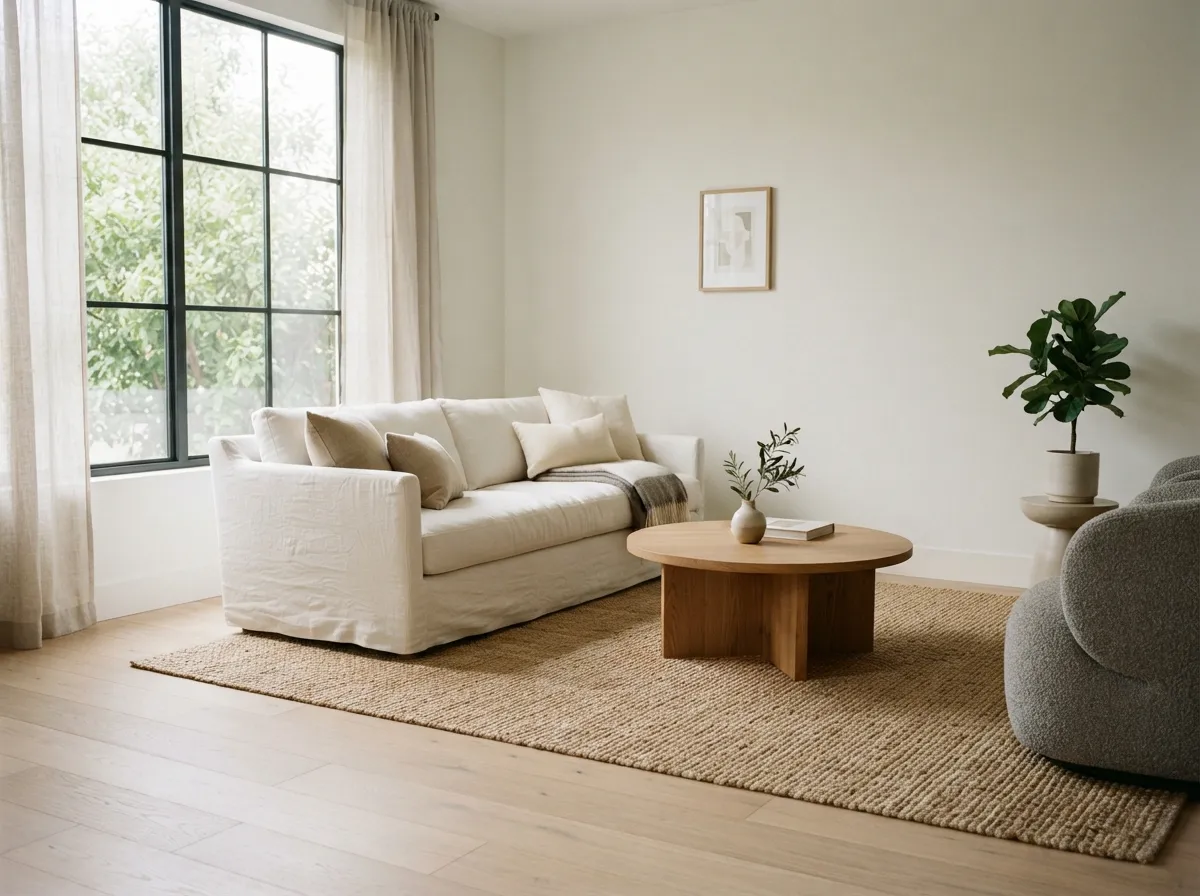
Rugs are powerful tools for defining areas in an open or minimalist space. They create visual boundaries without physical barriers.
This helps organize a room’s layout effortlessly.
Choose a rug with a solid color or a very subtle texture. Natural materials like jute, sisal, or low-pile wool are excellent choices.
They add warmth and tactile interest without competing patterns.
Place a rug under a seating area to anchor the furniture group. In a dining space, ensure the rug is large enough for all chair legs to remain on it when pulled out.
This creates a cohesive, intentional zone.
The simple presence of a well-chosen rug adds grounding and comfort. It softens hard flooring and delineates function.
This subtle layering contributes significantly to a calm, structured interior.
Reduce Decorative Knick-Knacks
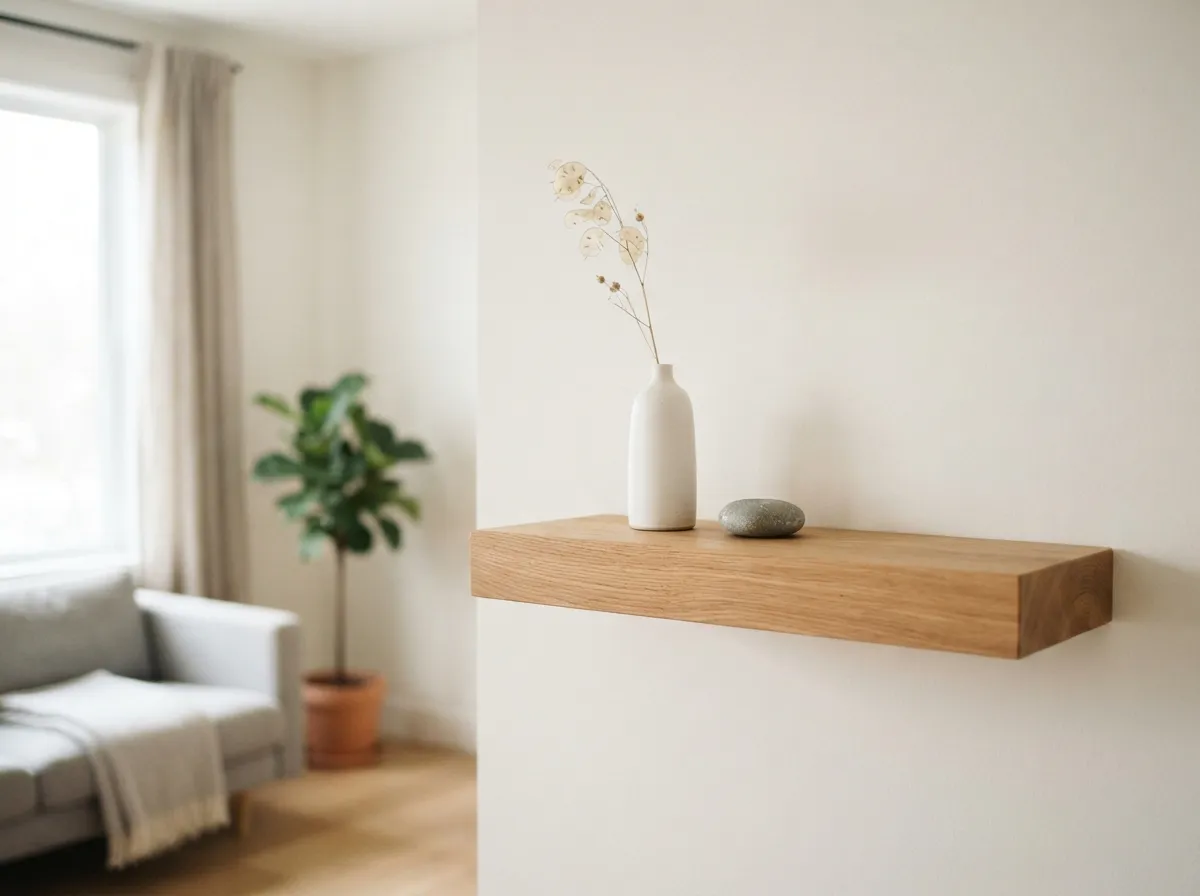
Start by looking at your shelves and surfaces. A single, meaningful object can speak louder than a crowded collection of small items.
Consider a few well-placed items like a ceramic vase or a simple wooden box. This allows the eye to rest and appreciate each piece’s form and texture.
The goal is to create visual calm, not visual noise. A curated shelf feels intentional and balanced, making your space feel more open and thoughtful.
Let Natural Light Be a Focal Point
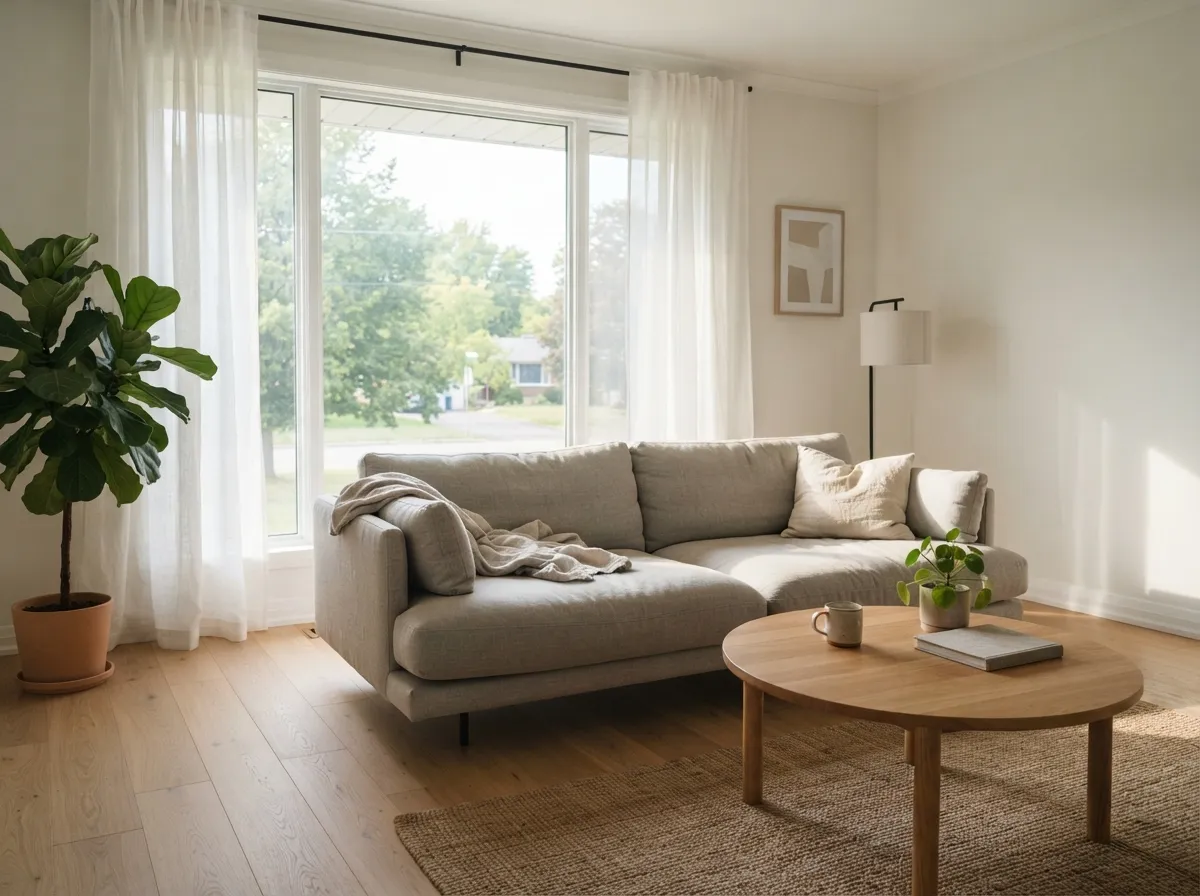
Natural light is your most powerful design element. Arrange your main seating area to face a large window, making the view and sunlight the room’s centerpiece.
Use sheer, lightweight curtains to filter the light softly without blocking it. This maintains privacy while keeping the atmosphere bright and airy.
Avoid placing tall furniture directly in front of windows. Let the light flow freely across the room to enhance the sense of space and warmth.
Choose a Neutral Color Palette
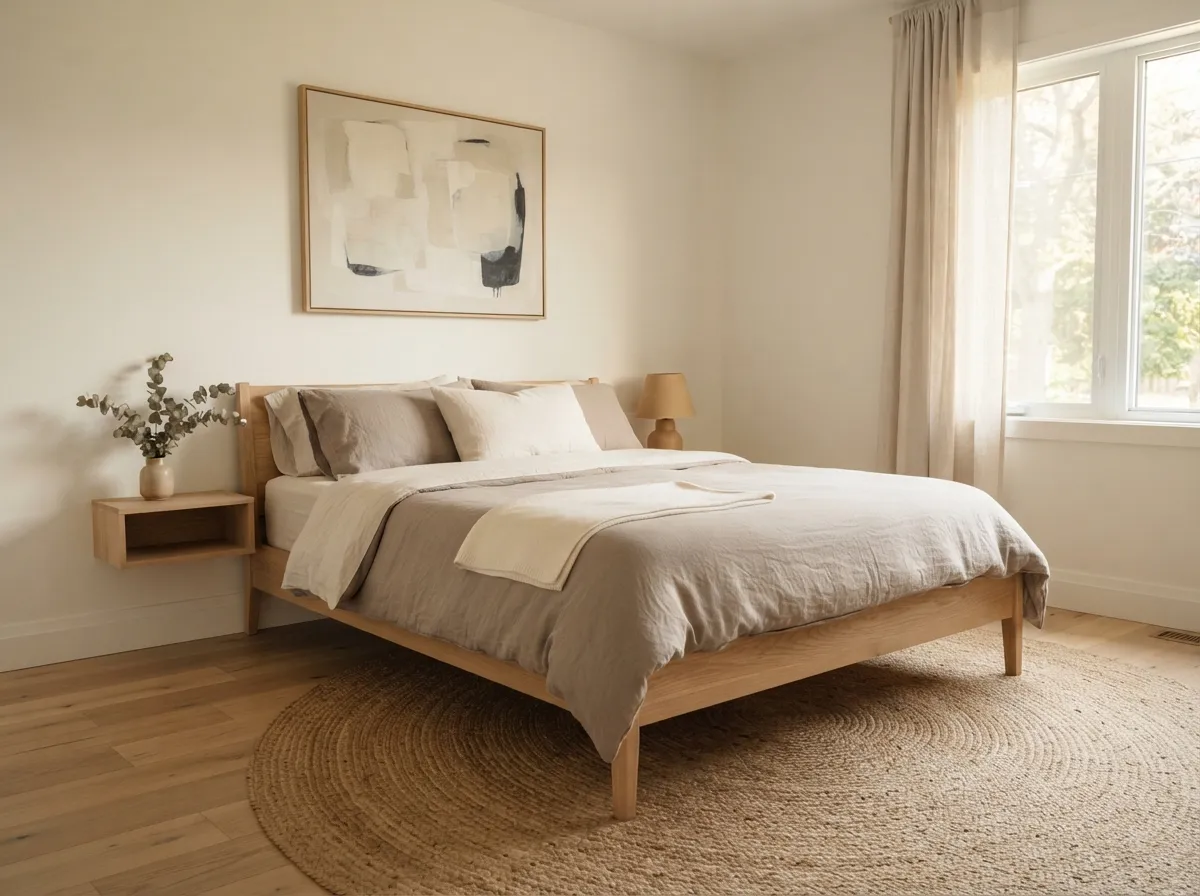
A neutral palette forms a timeless foundation for minimalism. Think of soft whites, warm beiges, gentle grays, and muted earth tones.
This color scheme makes rooms feel larger and more cohesive. It creates a calm backdrop that allows texture and natural materials to stand out.
Introduce subtle warmth with materials like light wood or woven jute. The result is a space that feels clean yet inviting, not cold or sterile.
Implement a Regular 10-Minute Tidy
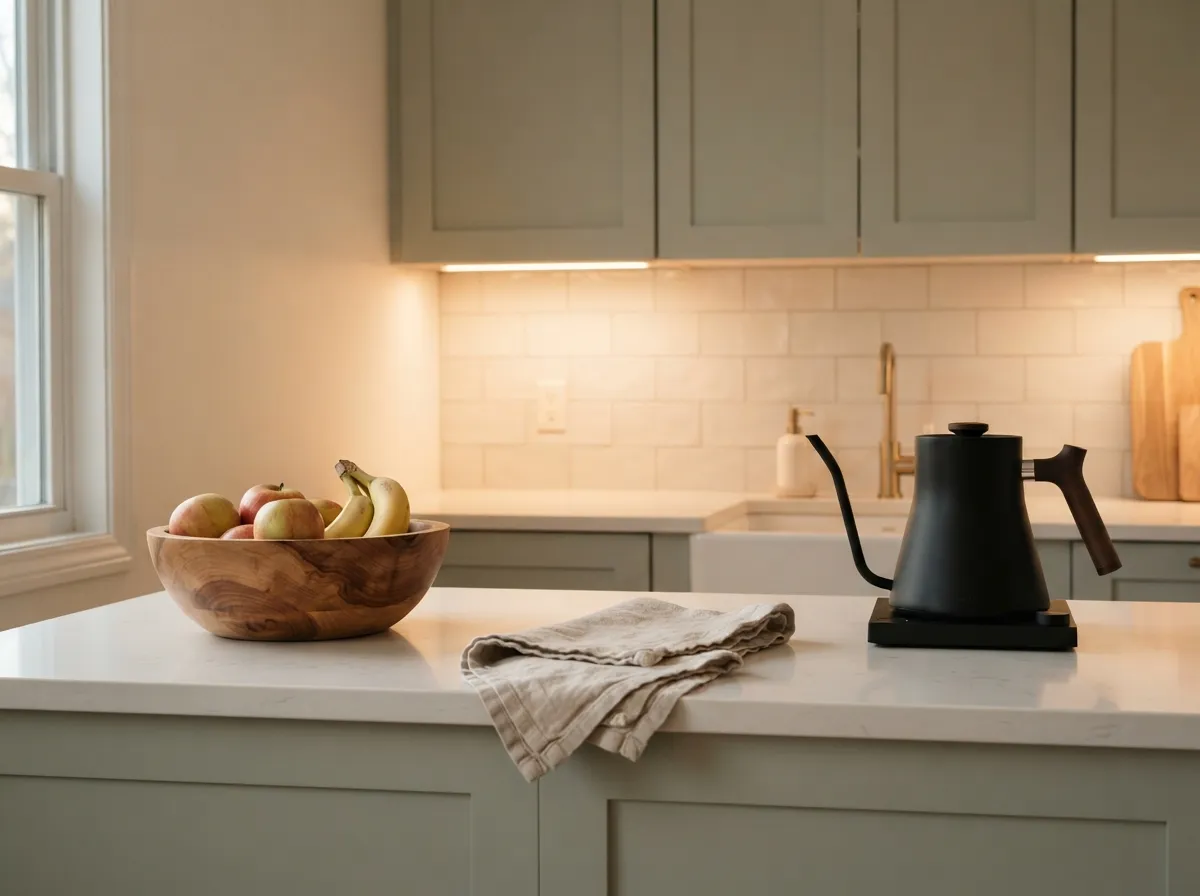
Clutter often builds gradually. A quick 10-minute tidy each evening can reset your space and prevent visual chaos from accumulating.
Focus on one area per day, like clearing the kitchen counter or folding a blanket. Small, consistent actions have a major impact over time.
This habit maintains the peace you created. It keeps surfaces clear and ensures your minimalist efforts stay in place.
Use Closed Storage to Hide Clutter
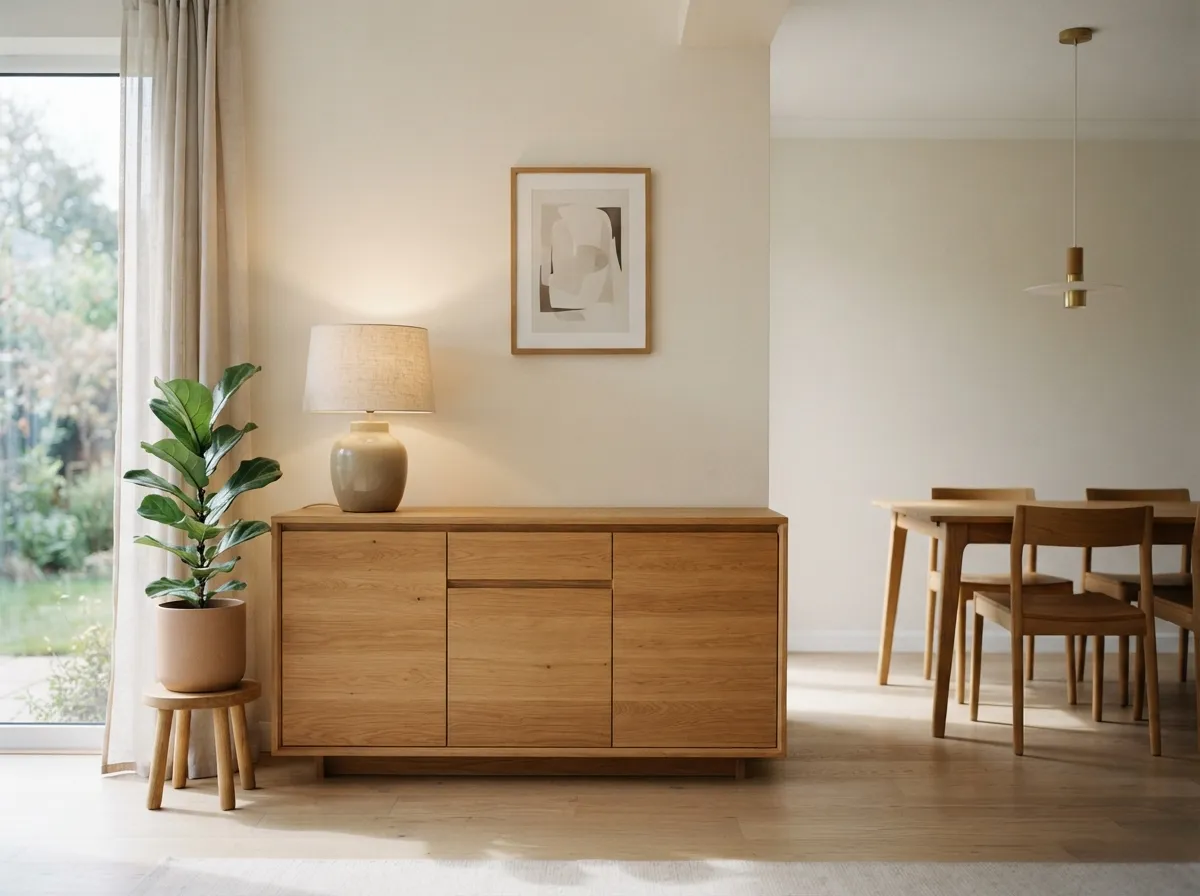
Closed storage is essential for maintaining a calm visual field. Choose sideboards or cabinets with solid doors to conceal everyday items.
This approach keeps necessary objects accessible but out of sight. It allows your open spaces to remain clean and uncluttered.
Opt for simple, handle-less designs in natural wood or matte finishes. The storage becomes part of the decor, contributing to a streamlined and orderly look.
21. Display Only Meaningful Art and Objects
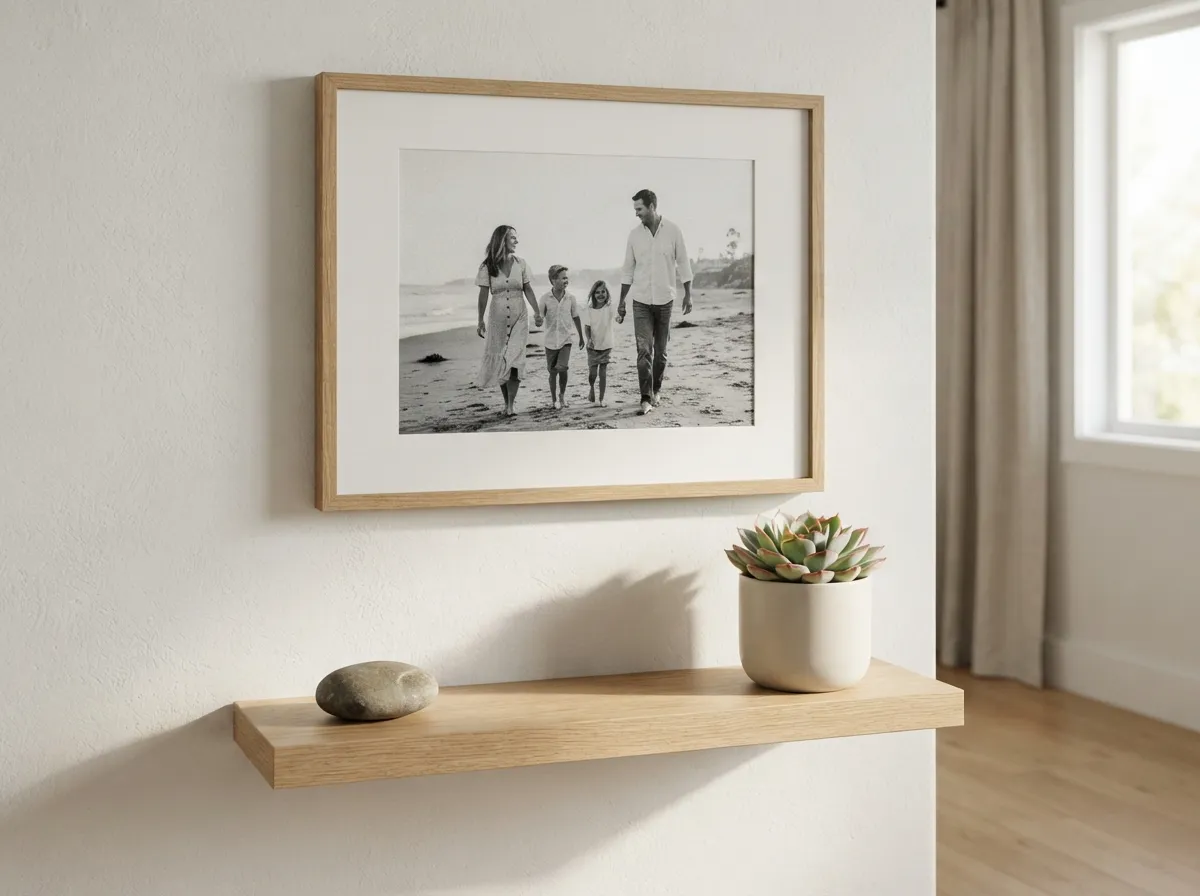
Minimalist decor isn’t about removing all personality. It’s about curating what stays.
Choose pieces that hold genuine meaning or memory.
A single framed photograph or a small sculpture can speak volumes.
Avoid cluttering surfaces with random trinkets. Each item should earn its place through story or sentiment.
Think about the story your space tells. A few meaningful objects create a focused, intentional atmosphere.
Your home becomes a gallery of your life, not a store shelf.
22. Opt for Simple, Clean-Lined Lighting
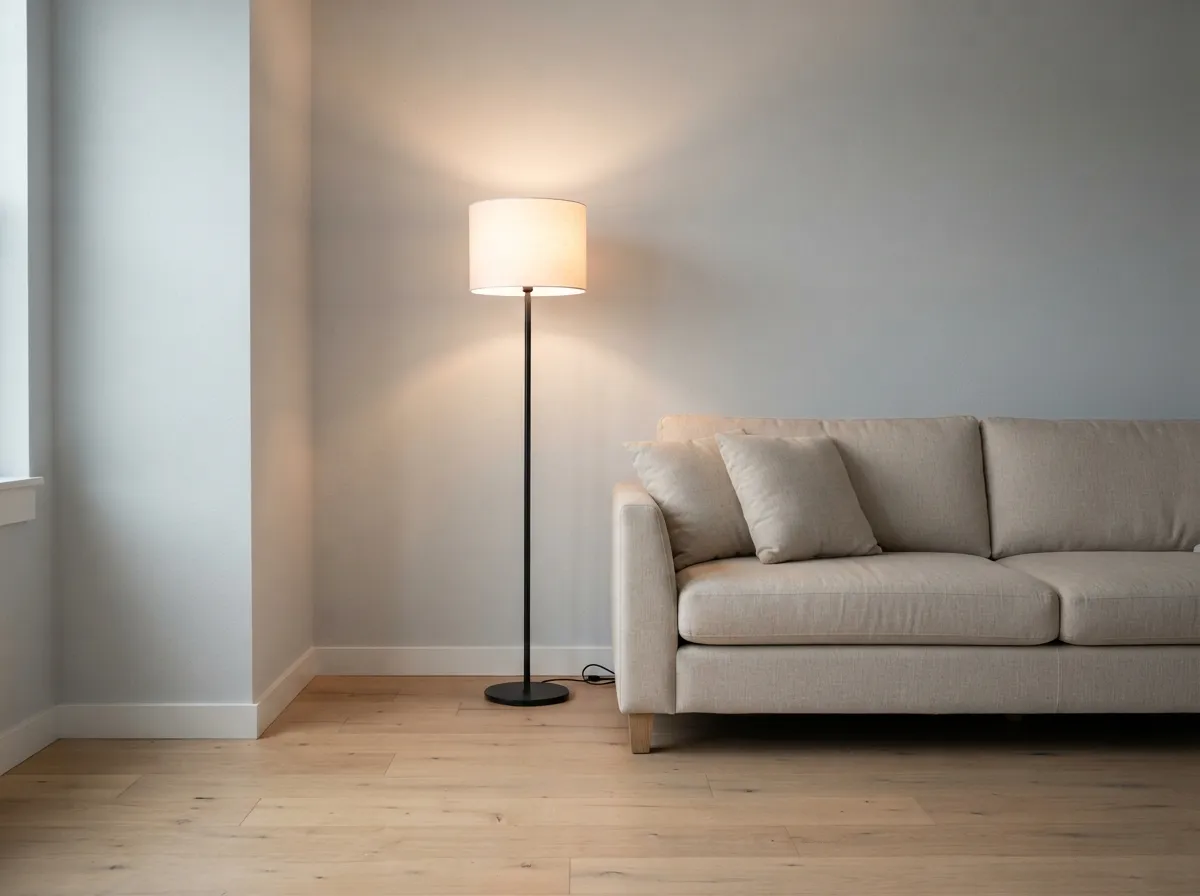
Lighting is functional sculpture in a minimalist room. Choose fixtures with clean lines and simple forms.
Avoid overly ornate or complex designs.
A single pendant with a linen shade or a floor lamp with a slim metal base provides ample light without visual noise.
The goal is illumination, not decoration.
Consider the fixture’s silhouette against the wall.
A simple, geometric lamp can serve as a focal point while maintaining calm. Light becomes a design element through its restraint.
23. Keep Only What You Use Daily
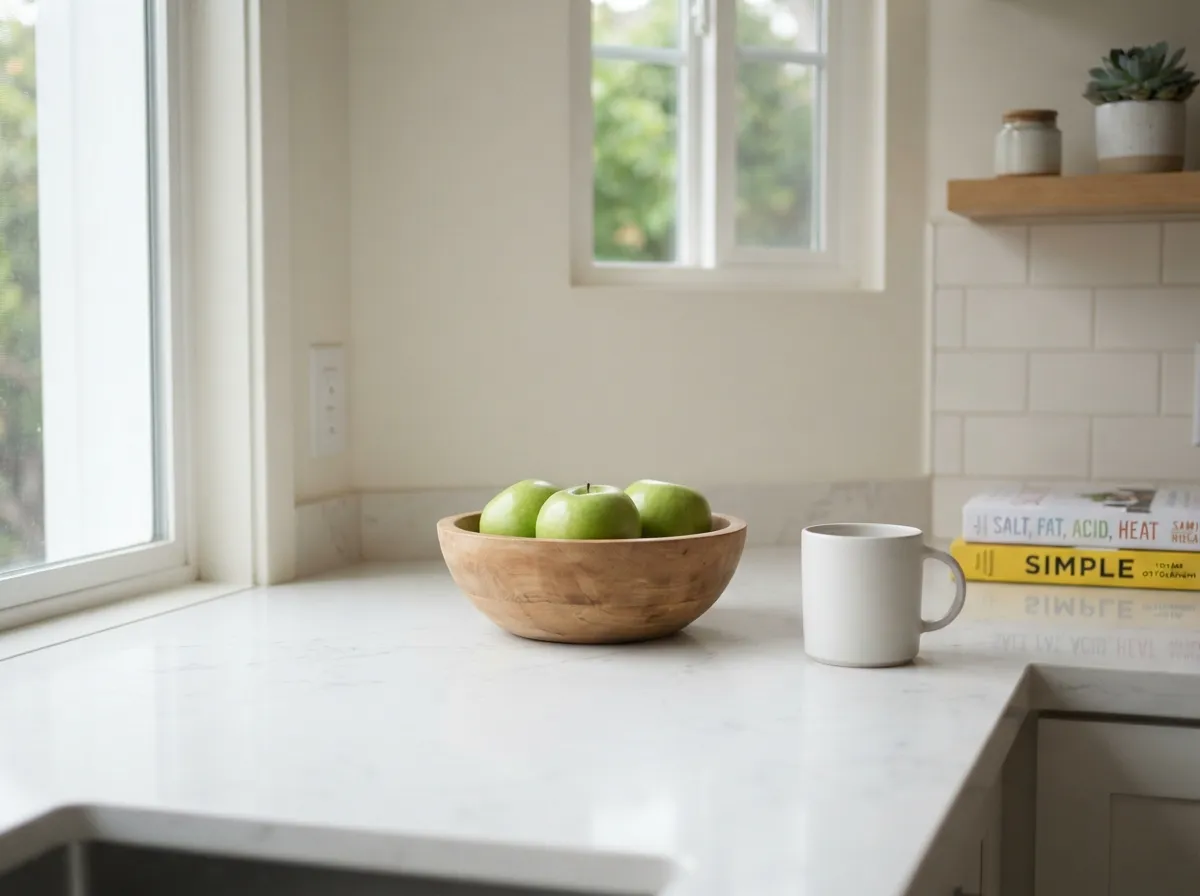
The core of minimalism is ruthless editing. Ask of each item: Do I use this every day?
If not, it can live elsewhere.
Reserve prime counter and shelf space for daily essentials.
Your favorite mug, a bowl of fruit, a lamp you switch on each evening. Everything else gets stored away.
This practice reduces visual clutter instantly. Surfaces become calm and usable.
Your space serves your daily routine directly, without distraction or unnecessary steps.
24. Create a Calm, Uncluttered Bedroom
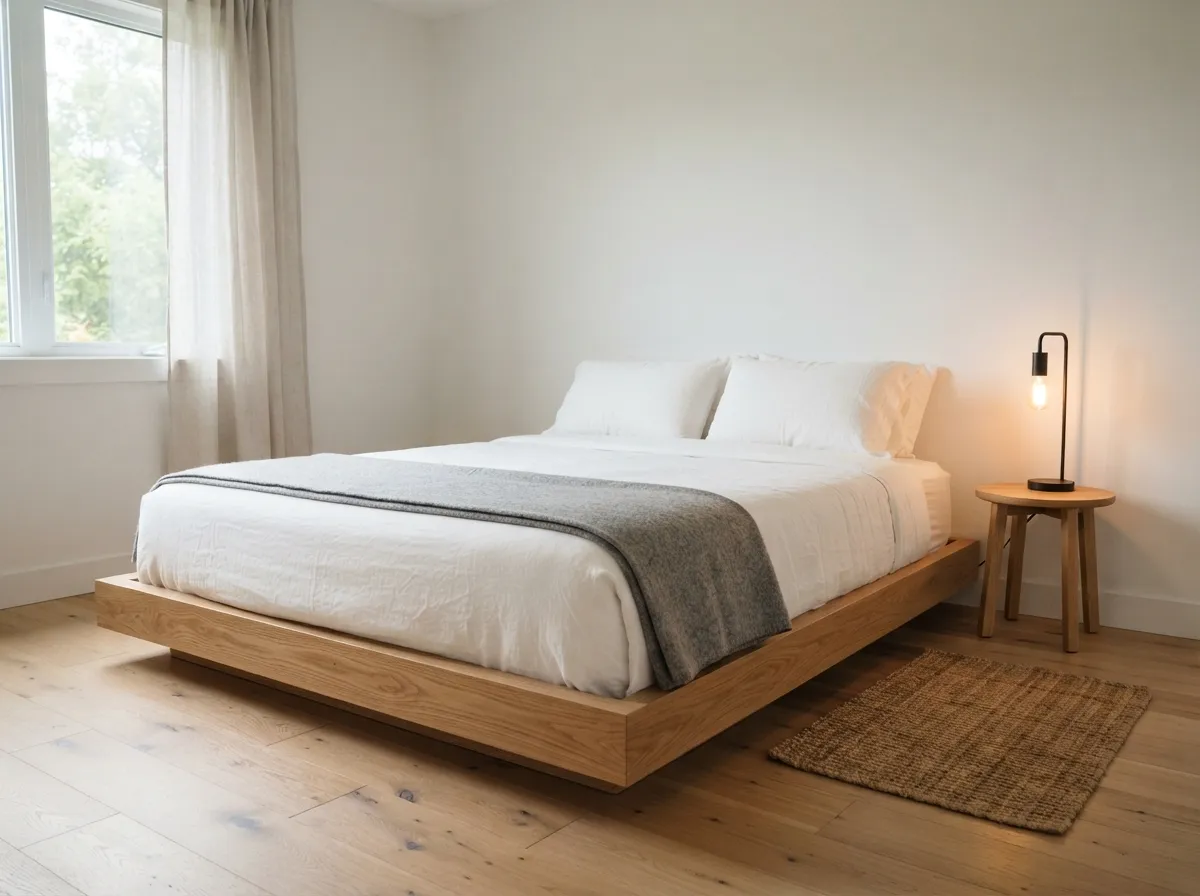
Your bedroom should promote rest, not stimulation. Begin by removing everything from surfaces except absolute necessities.
A nightstand can hold a lamp, a book, and perhaps a glass of water. That is all.
Clear walls of excessive art or shelving.
Choose bedding in solid, neutral tones like white, gray, or beige.
The absence of pattern and clutter creates a calm environment that signals to your mind it’s time to unwind and sleep.
25. Maintain Minimalism with Seasonal Edits
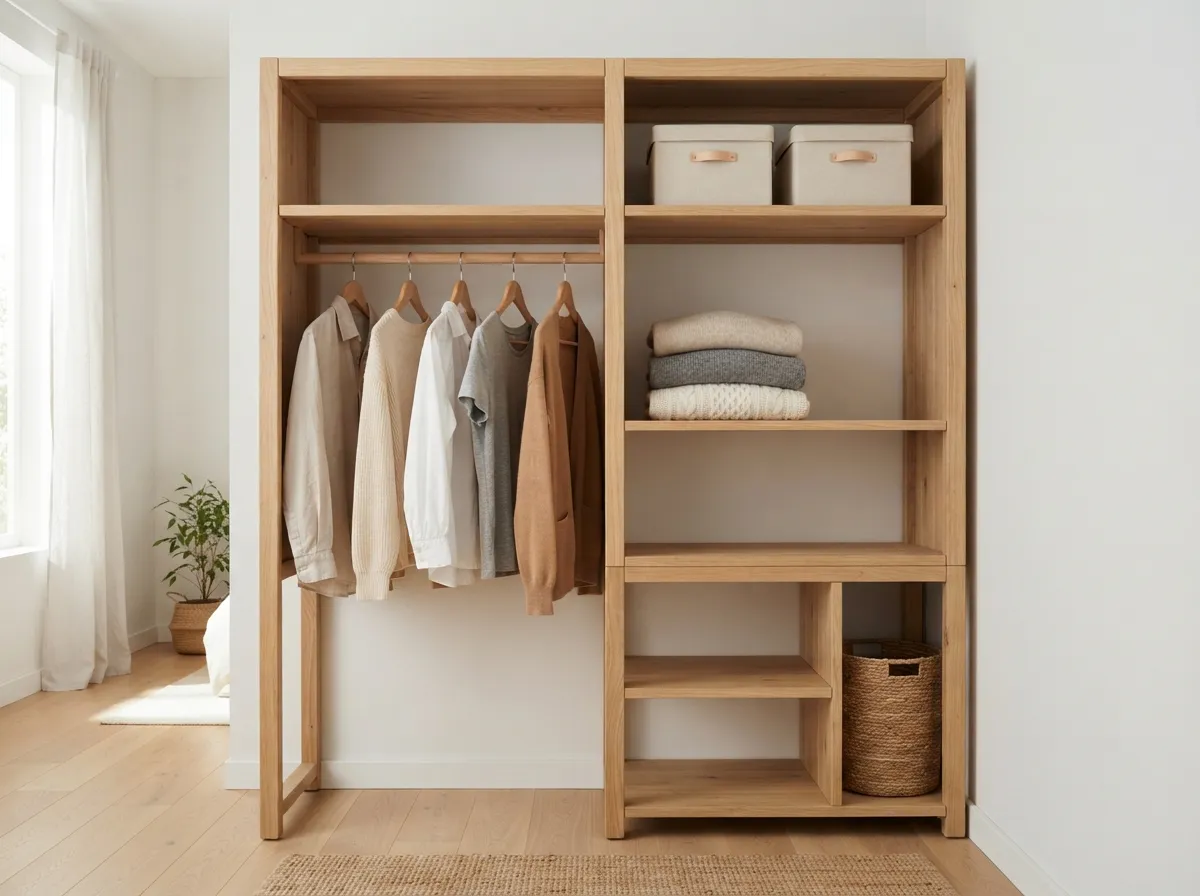
Minimalism isn’t a one-time purge; it’s an ongoing practice. Schedule a seasonal edit to reassess your space.
Every few months, review shelves, closets, and drawers. What have you not used or looked at since the last season?
Let it go.
This prevents gradual accumulation and keeps your space intentional.
A seasonal edit is like hitting refresh. It ensures your home remains a clear reflection of your current needs, not your past habits.
A minimalist home feels open and peaceful. Begin with simple decluttering steps, then add thoughtful decor. These 25 ideas help you build a space that is both clean and inviting.