Creating a minimalist kids’ room in a pet-friendly household can be both stylish and practical. Discover simple, functional design solutions that ensure a serene space for children and a safe, comfortable environment for your beloved pets. Embrace clutter-free living with these thoughtful ideas.
1. Durable and Washable Rugs
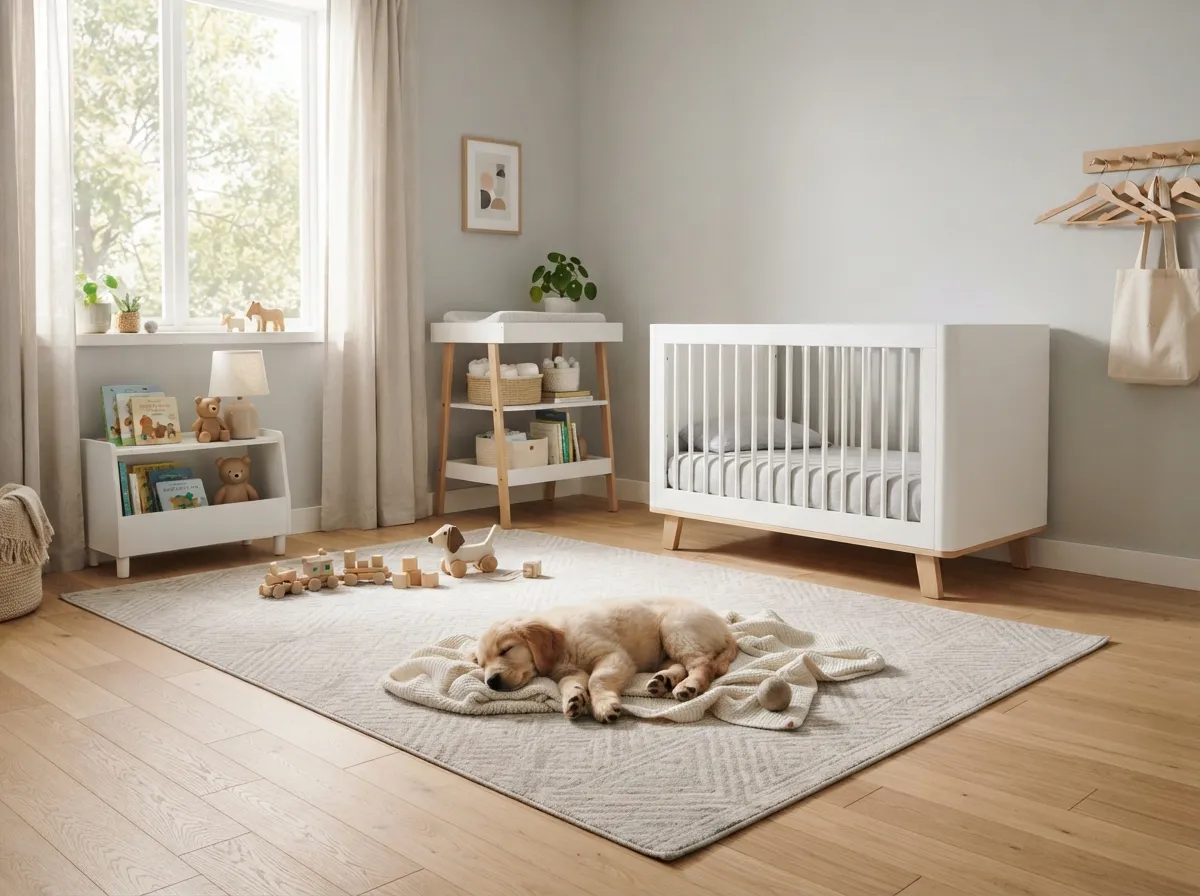
Creating a minimalist kids’ room that coexists peacefully with pets begins with foundational choices like durable and washable rugs. These elements are crucial for maintaining hygiene and aesthetic appeal in a bustling household.
Selecting a rug crafted from materials such as polypropylene, jute, or even washable cotton blends ensures longevity against spills and playful pet antics.
Consider a neutral-toned rug with a subtle pattern, like a geometric design in soft grey and cream, which beautifully complements the clean lines of minimalist decor.
Such a rug provides a comfortable, warm spot for both children and pets to relax, while also being incredibly practical for routine cleaning and unexpected messes.
2. Elevated Pet Beds for Cleanliness
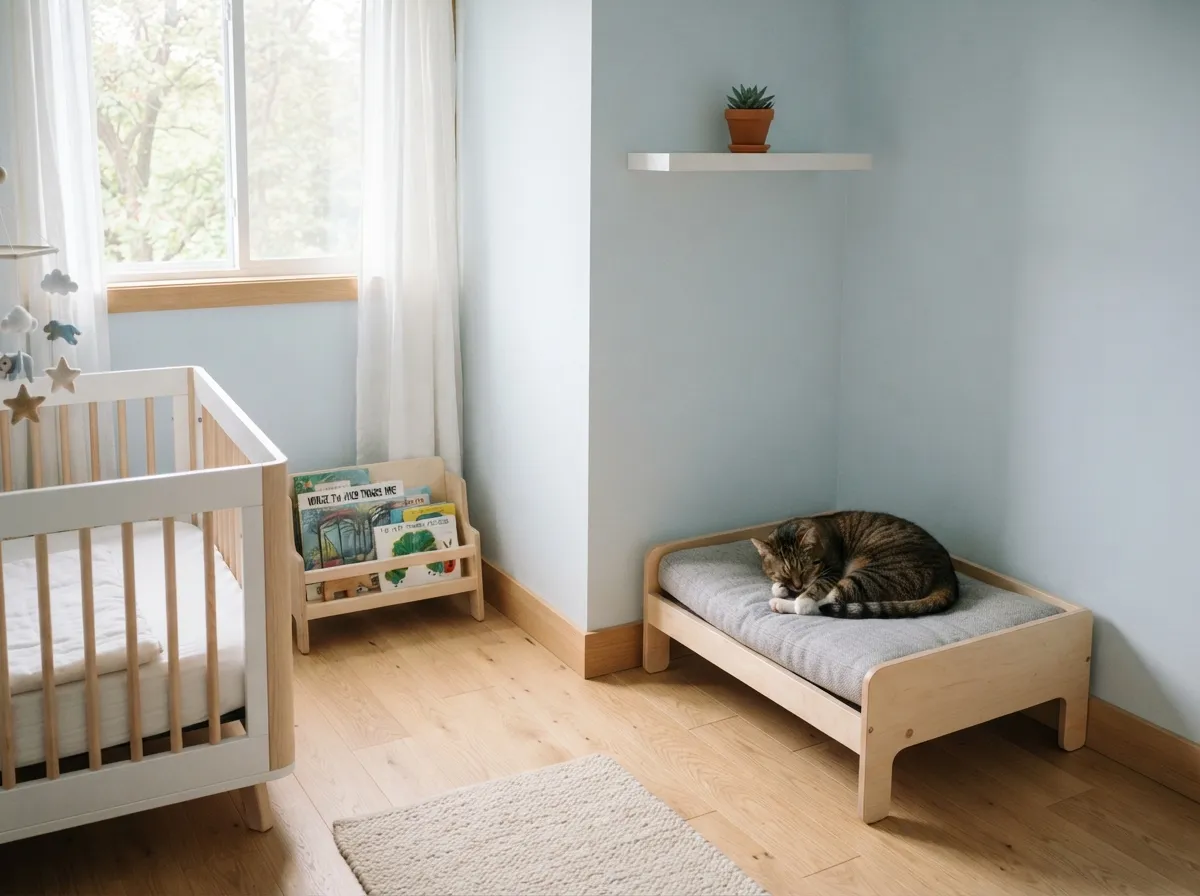
For pet-friendly minimalist kids’ rooms, an elevated pet bed is a smart addition that promotes both cleanliness and comfort. Lifting your pet’s sleeping area off the floor has multiple advantages, especially in a child’s space.
This design allows for better airflow, which helps to minimize the accumulation of pet hair, dander, and dust underneath. It also makes floor cleaning significantly easier, contributing to an overall tidier room.
An elevated bed with a sleek, sturdy wooden frame and a washable cushion integrates seamlessly into a modern, uncluttered design.
Providing a designated, comfortable spot for your pet can also deter them from resting on children’s beds or spreading allergens onto other furniture.
3. Integrated Storage Solutions
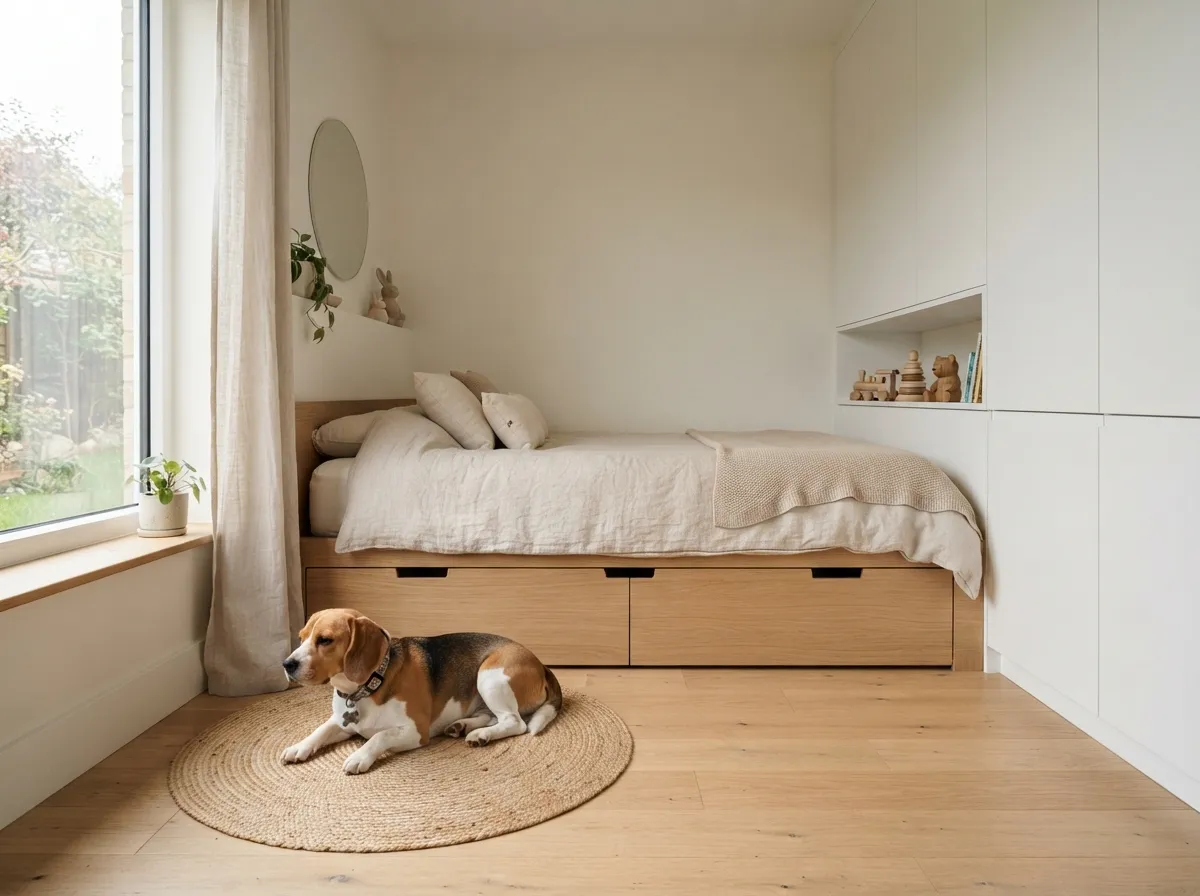
Maintaining a minimalist aesthetic in a kids’ room with pets relies heavily on effective integrated storage solutions. These design choices are paramount for keeping clutter at bay and ensuring a functional, calm environment.
Think about custom built-in cabinetry, under-bed drawers, or modular storage units that blend seamlessly with the room’s architecture. These options hide toys, books, and pet accessories, preventing visual chaos.
Such solutions reduce the likelihood of pets scattering items or getting into things they shouldn’t, while also keeping pathways clear for play.
Opt for clean, handle-less designs in neutral tones like matte white or light wood to maintain the minimalist feel, ensuring everything has a designated, concealed home.
4. Wall-Mounted Shelving for Toys
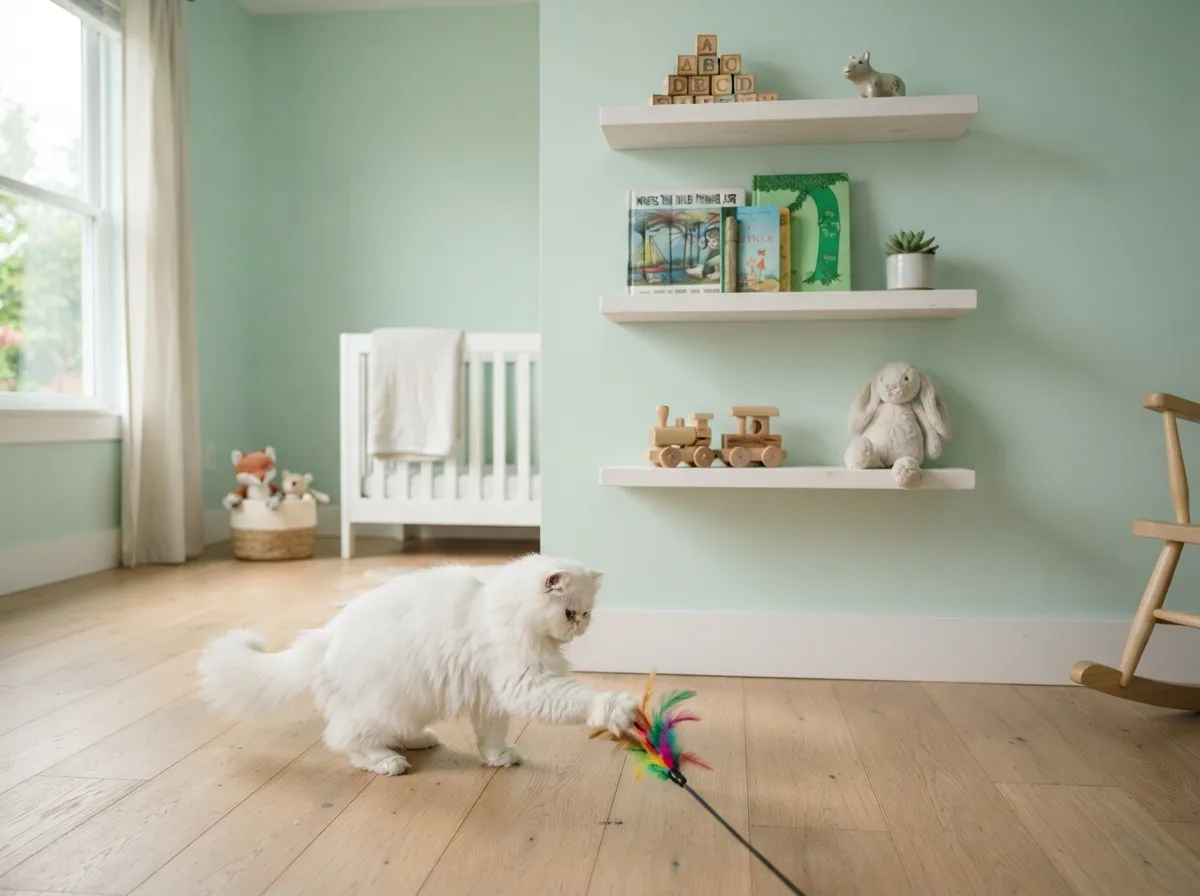
Wall-mounted shelving is an intelligent design choice for a minimalist kids’ room, especially when accommodating pets. By elevating toys and books, you instantly free up valuable floor space, making the room feel more expansive and uncluttered.
This approach helps to keep items out of reach from curious paws, preventing messes and potential hazards for both children and animals. It also simplifies daily cleaning routines, as there are fewer obstacles on the floor.
Choose simple, sturdy shelves in materials like natural wood or white painted MDF to complement the room’s clean lines. Arrange a few carefully selected toys and decorative items, creating a curated display rather than an overwhelming collection.
This thoughtful placement contributes significantly to a harmonious and organized environment for everyone.
5. Pet-Safe Paint Choices
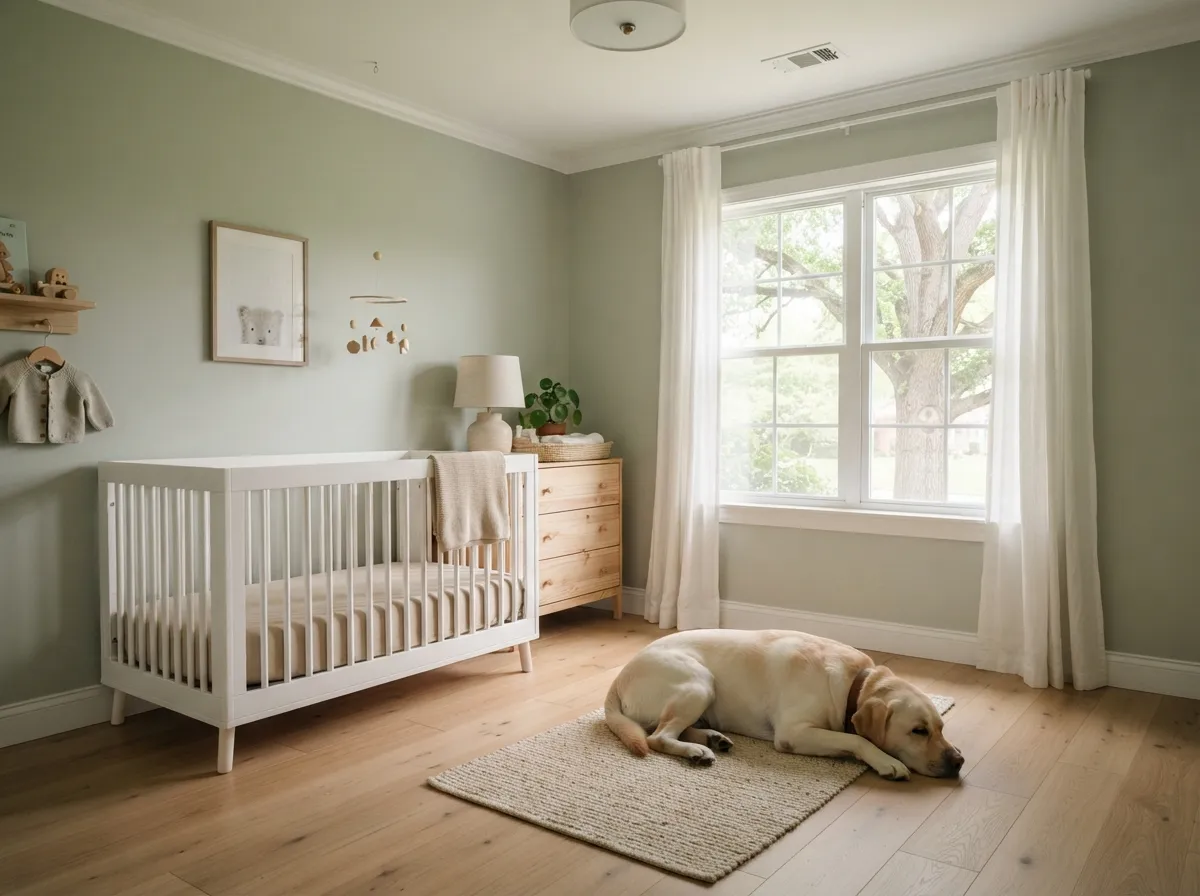
When designing a minimalist kids’ room for a pet-friendly home, selecting pet-safe paint is a critical consideration for health and well-being. Low-VOC (volatile organic compound) paints are essential to ensure a healthy indoor air quality for both children and animals.
These paints significantly reduce the release of harmful fumes, which can be irritating or even detrimental to sensitive respiratory systems. Opting for washable finishes also provides practical benefits, allowing for easy cleanup of fingerprints or paw prints.
Consider calming, neutral shades like soft sage green, pale grey, or warm off-white to maintain the minimalist aesthetic. These colors create a serene backdrop that feels fresh and inviting.
Prioritizing pet-safe paints underscores a commitment to creating a truly healthy and comfortable living space for every member of your household, furry or otherwise.
6. Easy-to-Clean Furniture Materials
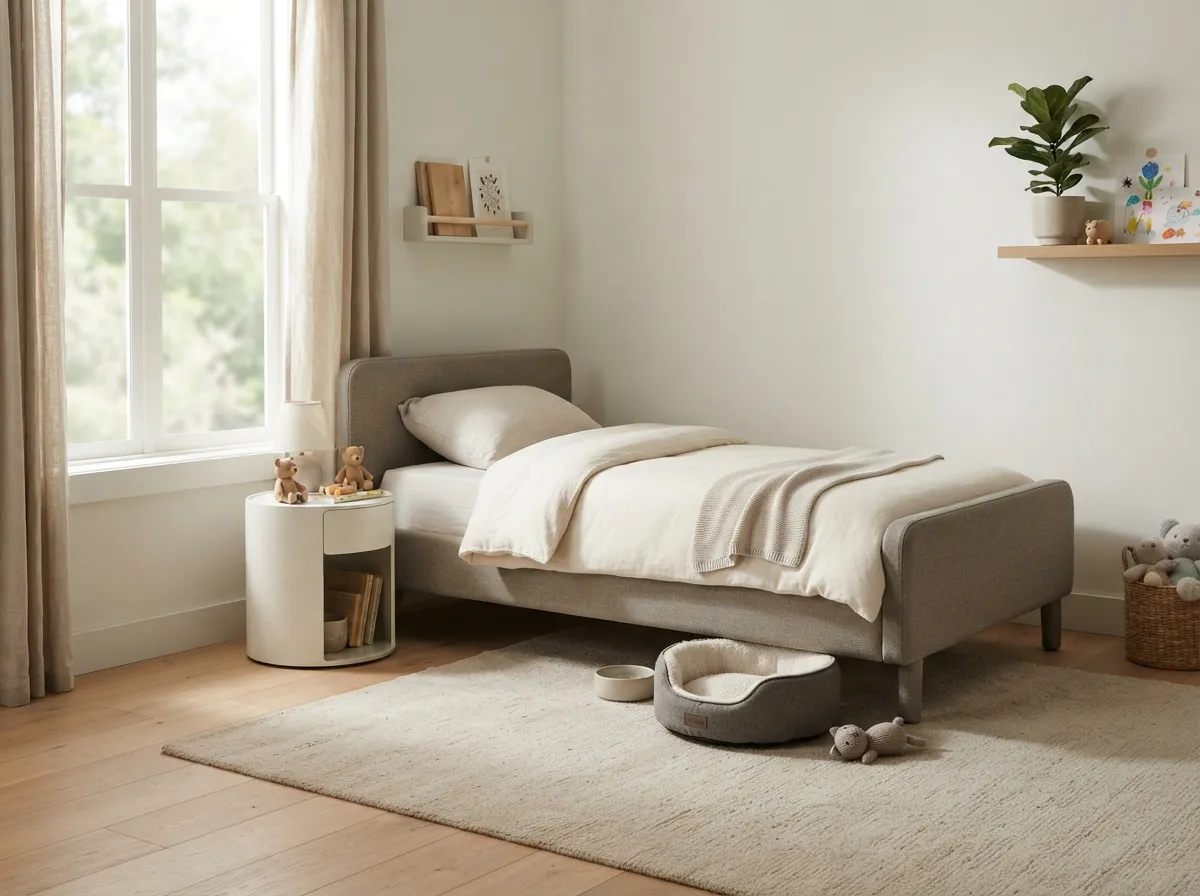
Choosing the right furniture materials is paramount in a busy, pet-friendly home. Opt for surfaces that can be wiped down quickly and fabrics that resist stains and pet hair.
Performance fabrics like microfiber or tightly woven synthetics are excellent choices for sofas and chairs. They offer durability and are often treated to repel liquids and resist wear.
For tables and shelving, consider materials such as lacquered wood, laminate, or metal. These smooth, non-porous surfaces prevent pet dander and spills from settling in, making daily cleaning a breeze.
Such practical selections ensure your children’s room remains fresh and inviting, even with playful pets around. This attention to material helps maintain a consistently tidy and minimalist aesthetic.
7. Designated Play Zones
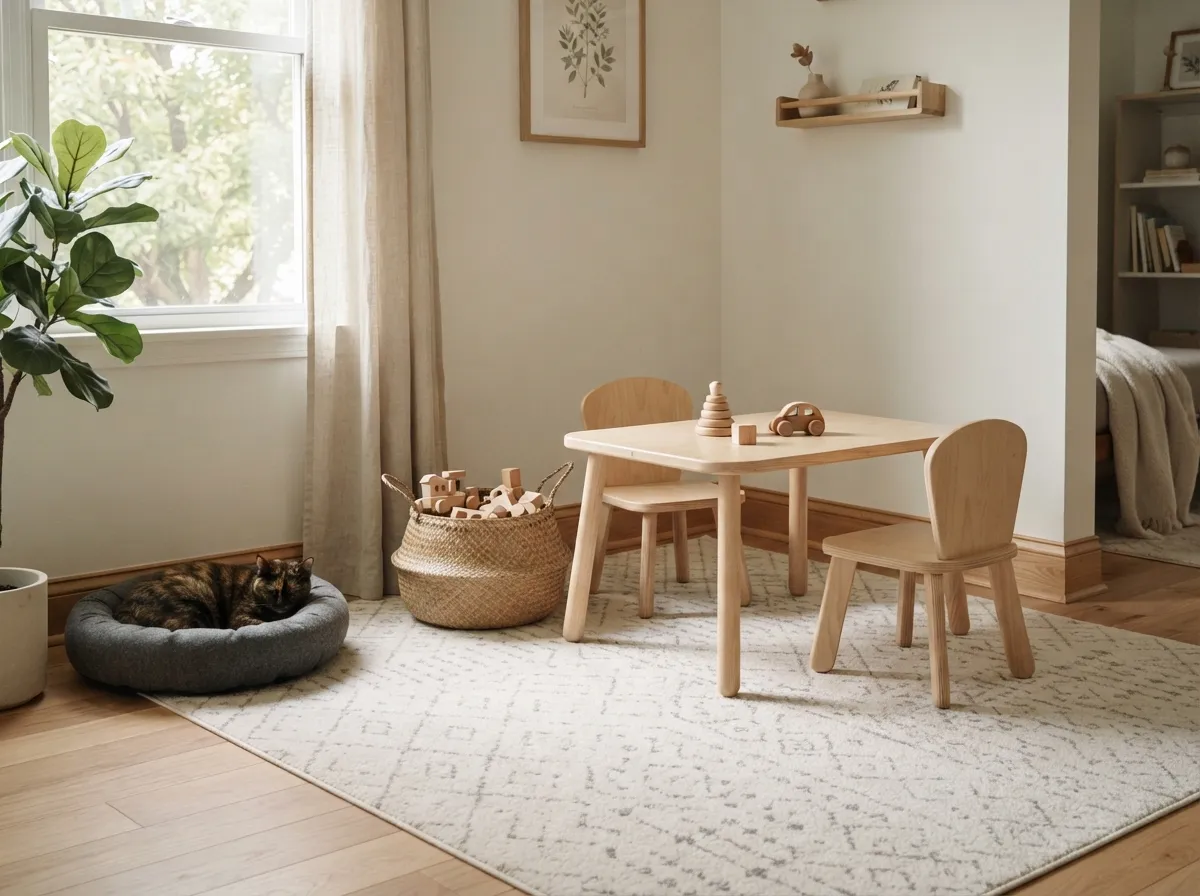
Creating designated play zones helps manage clutter and provides clear boundaries for both children and pets. This approach keeps activities contained and prevents toys from spreading throughout the entire room.
Utilize soft, washable rugs or interlocking foam mats to define these areas. These provide a comfortable, cleanable surface for play while protecting the main flooring underneath.
Within these zones, you can place a low, child-sized table with chairs for crafts or reading. A cozy pet bed can also be integrated nearby, offering a comfortable spot for your furry friend to observe.
This structured layout fosters independence for children and encourages pets to understand their boundaries, contributing to a harmonious, minimalist environment.
8. Vertical Storage for Pet Supplies
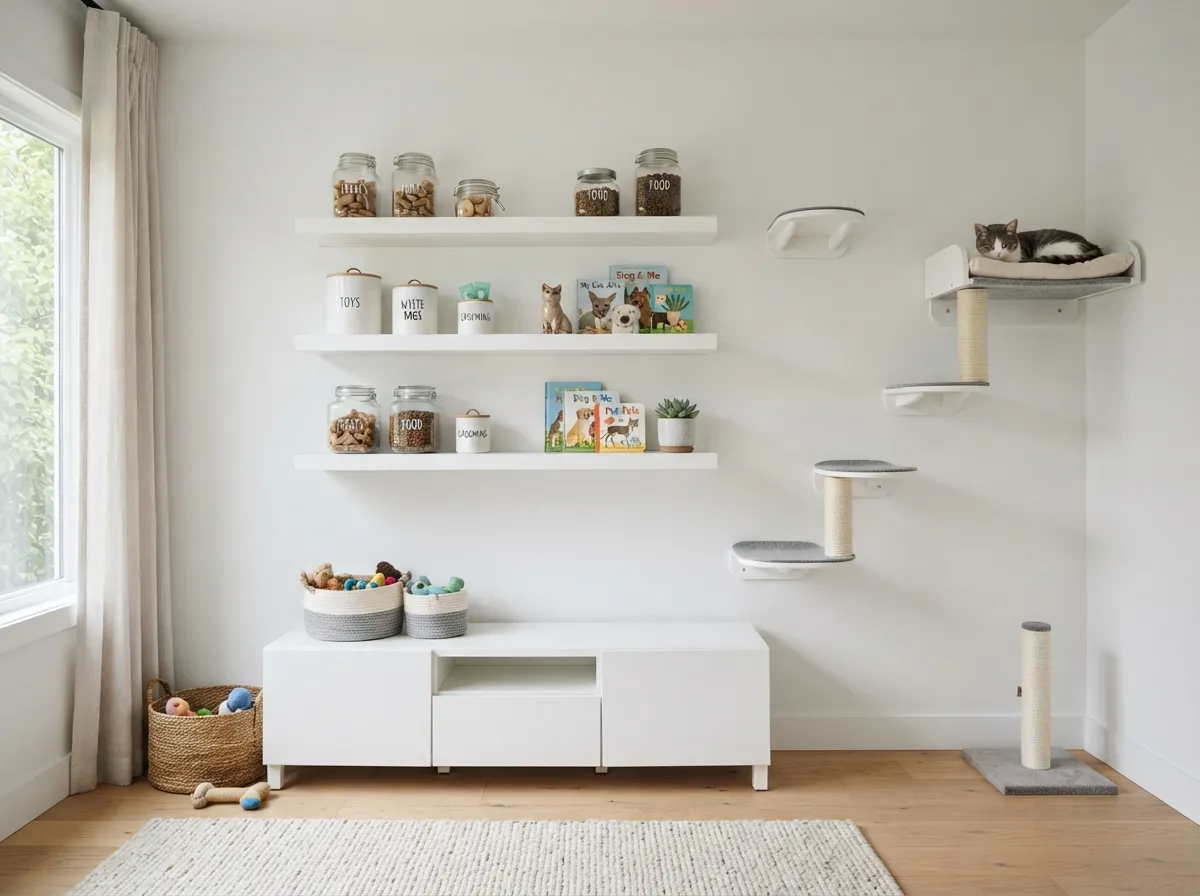
Embracing vertical storage is a smart strategy for organizing pet supplies in a minimalist kids’ room. This approach maximizes space and keeps items off the floor, reducing visual clutter.
Install sturdy wall-mounted shelves or floating cubbies to store essentials like treats, grooming tools, and spare leashes. This keeps them accessible yet out of reach from curious paws or small hands.
Tall, slim cabinets or bookcases with doors can also conceal larger items such as food bags or pet carriers. This ensures a clean, streamlined appearance while providing necessary storage.
Integrating a wall-mounted cat tree or climbing shelf into the design offers pets their own elevated space without taking up valuable floor area. This verticality promotes a tidy and organized room.
9. Minimalist Toy Rotation System
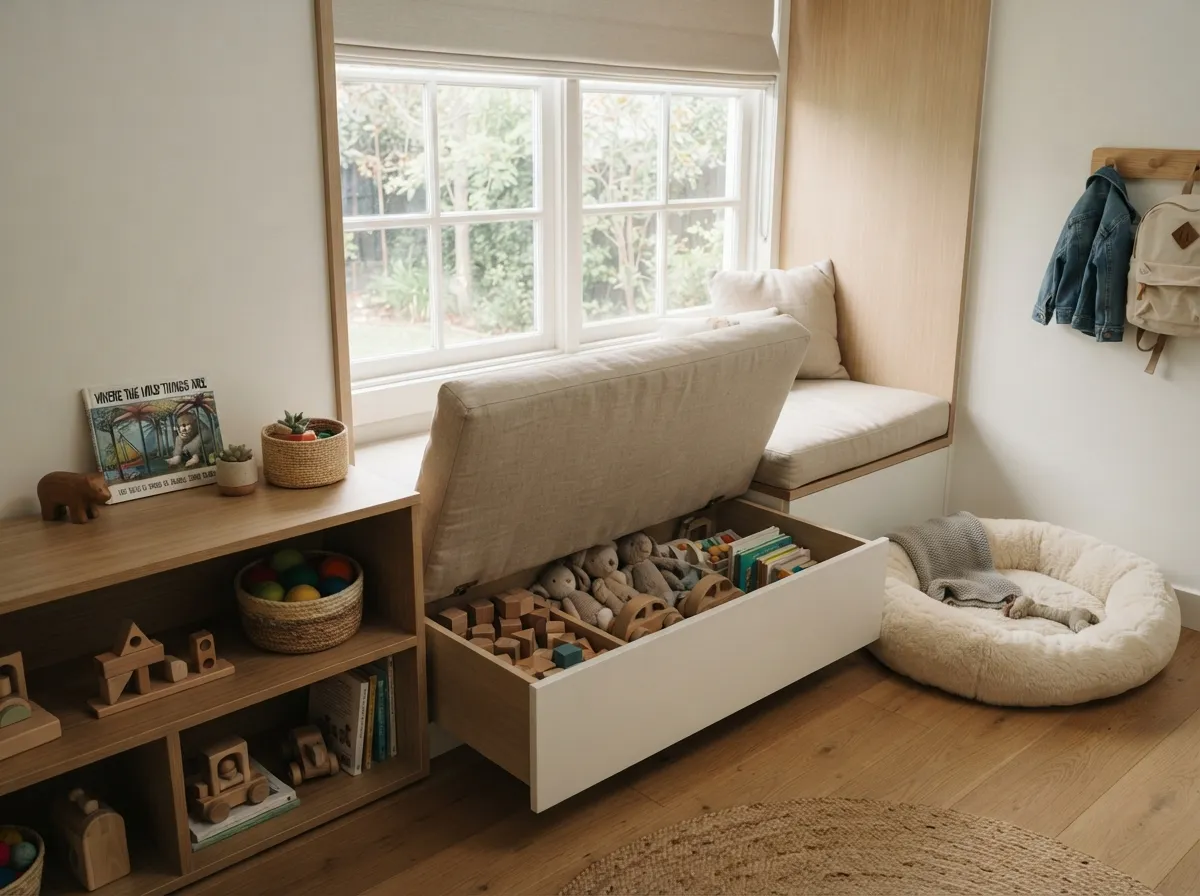
A minimalist toy rotation system is ideal for keeping a kids’ room tidy and engaging, especially with pets. It involves displaying only a select few toys at a time, while the rest are stored out of sight.
This method prevents overwhelming both children and pets with excessive clutter. It also encourages deeper engagement with the toys currently available, sparking imagination.
Utilize simple, opaque storage bins, baskets, or built-in drawers to house the rotating collection. These storage solutions maintain a clean aesthetic while keeping unused toys neatly tucked away.
When toys are rotated, children rediscover old favorites, and the room always feels fresh and uncluttered. This system works in harmony with a pet-friendly home by minimizing floor obstacles and visual noise.
10. Scratch-Resistant Flooring Options
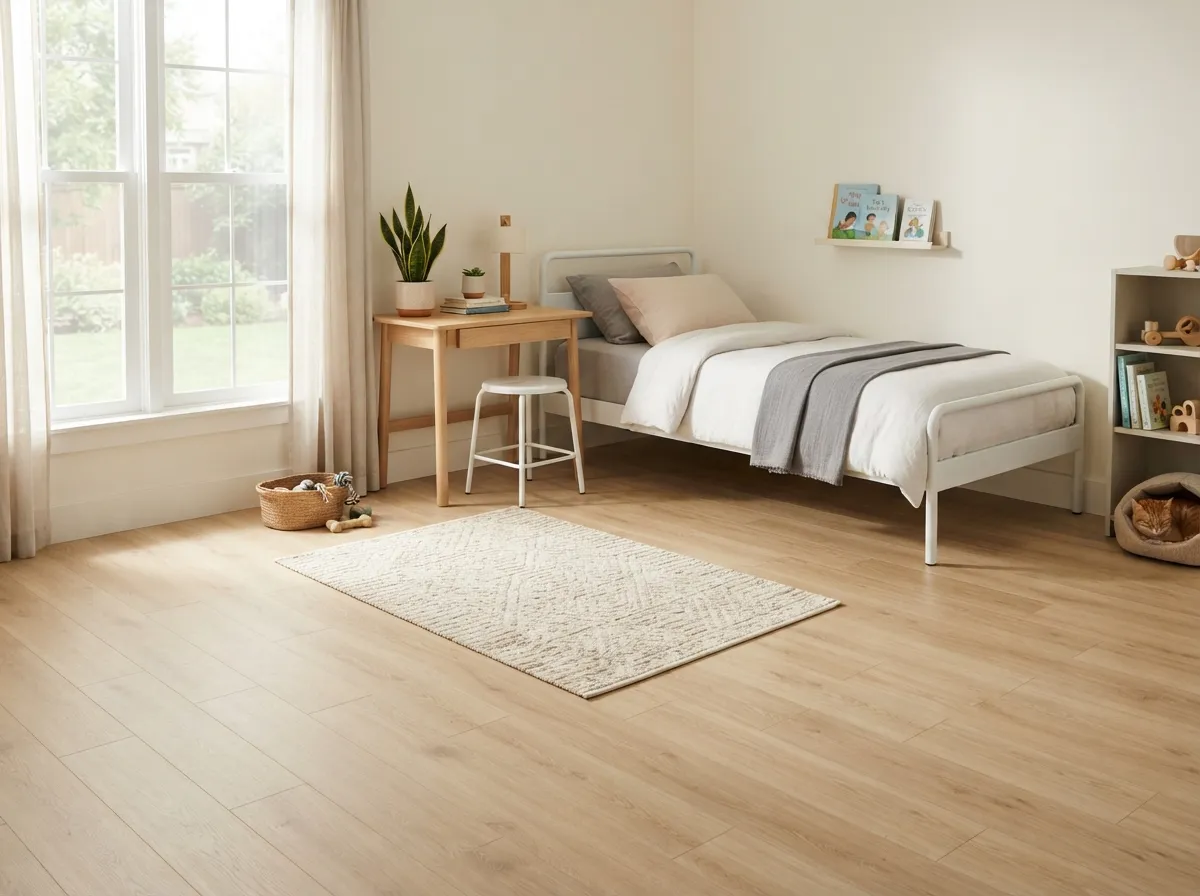
Selecting scratch-resistant flooring is crucial for maintaining a beautiful and durable kids’ room in a pet-friendly household. This ensures your floors can withstand daily wear from playful pets and active children.
Luxury vinyl plank (LVP) is an excellent choice, offering the look of natural wood or stone with superior durability. It is highly resistant to scratches, dents, and moisture, making it practical for spills and pet accidents.
Engineered wood with a strong, protective finish can also be considered. Look for options with high Janka hardness ratings and multiple protective layers to enhance longevity.
Polished concrete or certain types of ceramic and porcelain tiles are also incredibly robust and easy to clean. These materials provide a long-lasting foundation that stands up to the demands of a busy home, promoting a consistently well-maintained appearance.
11. Cord Management for Safety
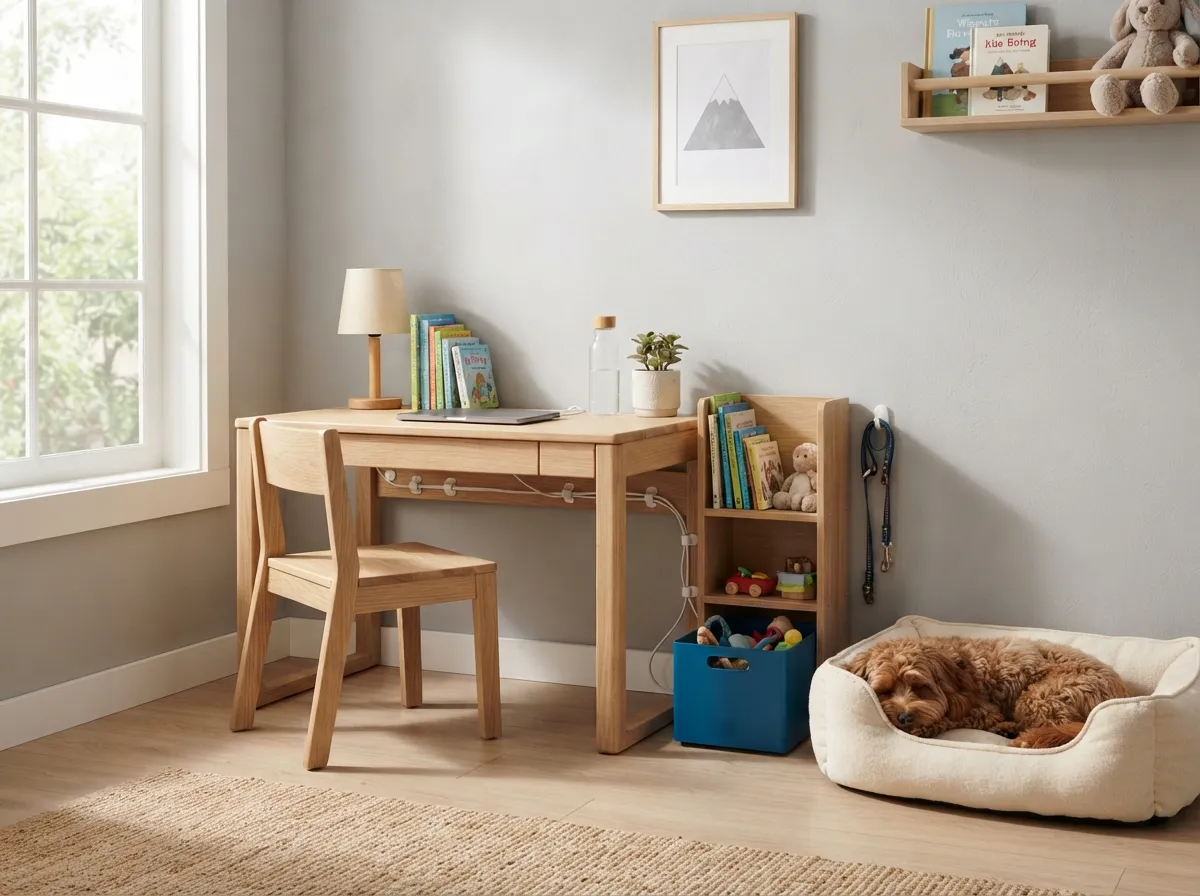
Creating a safe environment for both children and pets is a primary concern in any home design. Loose cords pose a tripping hazard for little ones and an irresistible chew toy for curious pets.
Thoughtful cord management is essential to maintaining both safety and a streamlined, minimalist look. It keeps the space neat and hazard-free, aligning perfectly with a clutter-free aesthetic.
Consider integrating simple solutions like cord covers along baseboards or using discreet tie-wraps to bundle wires behind furniture. Furniture pieces with built-in cable management channels are also excellent investments, ensuring electronics are powered without visible tangles.
This approach contributes to a calmer atmosphere, free from visual distractions and potential dangers. A tidy cord system means more floor space for play and less worry for parents and pet owners.
It ensures that the room remains a functional and comfortable area for everyone. This attention to detail elevates the room’s overall design, emphasizing practicality and peace of mind.
12. Washable Fabric Decor
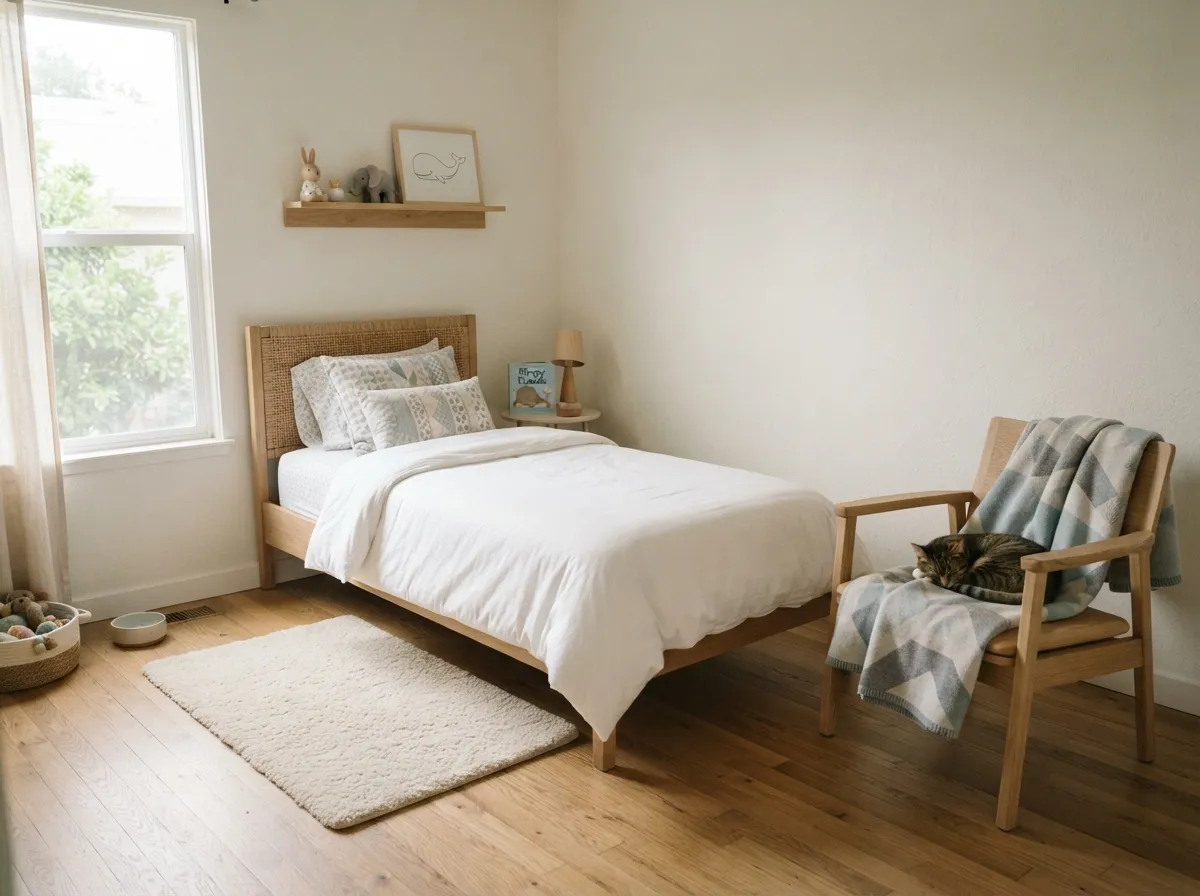
In a home shared with children and pets, spills and accidents are simply a part of daily life. Embracing washable fabric decor is a smart strategy to maintain a clean and fresh minimalist kid’s room.
This practical choice ensures that your design remains beautiful and functional without constant stress over messes. Selecting materials that can be easily tossed into the washing machine helps keep allergies at bay and the room feeling sanitary.
Look for duvet covers, pillow shams, and throw blankets made from durable, machine-washable cotton, linen, or synthetic blends. These fabrics offer both comfort and convenience, simplifying upkeep.
Even area rugs can be chosen for their washability, providing a soft surface for play while being easy to clean. This focus on easy-care textiles allows for a relaxed living environment where both kids and pets can enjoy the space freely.
It’s about combining style with sensible, everyday solutions for busy households.
13. Hidden Litter Box Integration
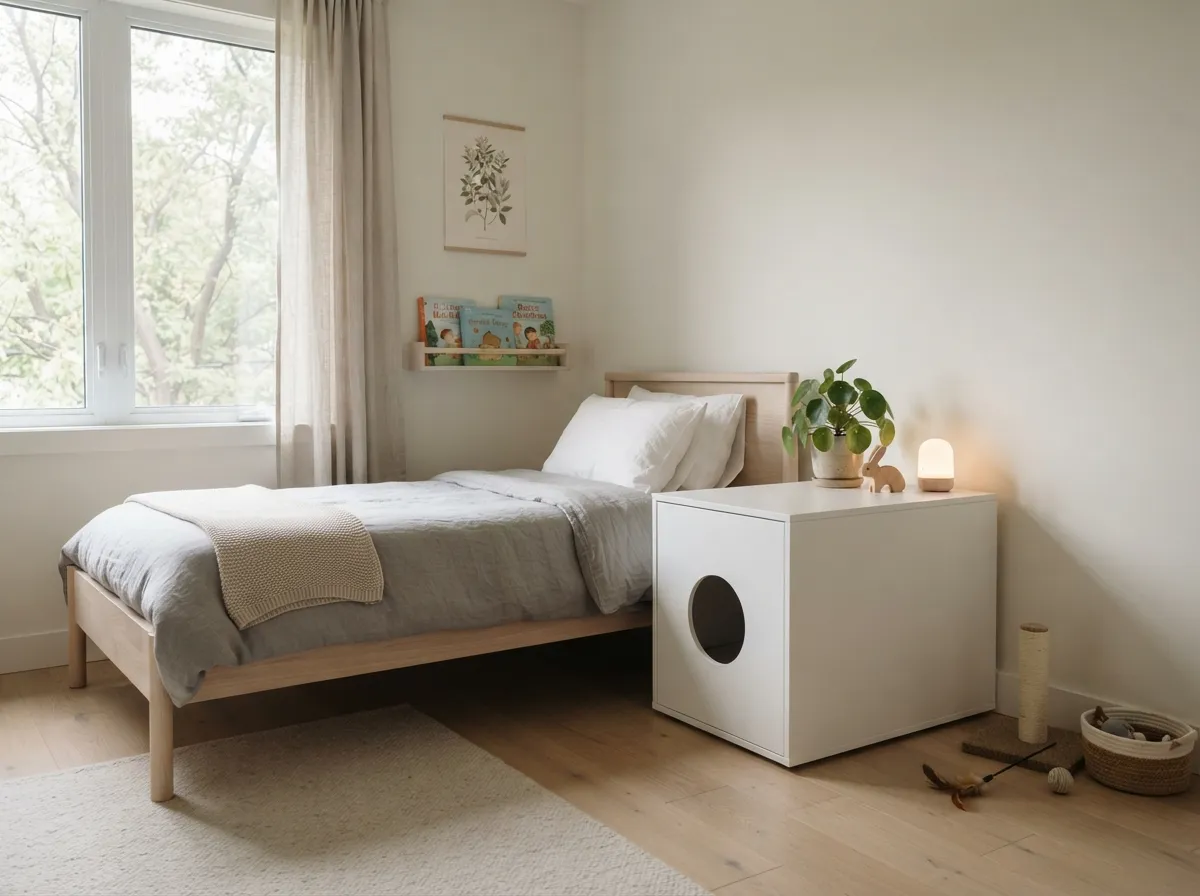
Integrating a litter box into a minimalist kid’s room can be a design challenge, but clever solutions ensure it remains discreet and hygienic. The goal is to provide a convenient space for your feline friend without compromising the room’s clean lines and airy feel.
Thoughtful planning can make the litter box virtually invisible. Consider repurposing a low-profile cabinet or a simple storage bench with a small, discreet opening for your cat.
Ensure the chosen furniture piece blends seamlessly with the room’s existing decor and offers adequate ventilation. Placing it in an out-of-the-way corner or against a wall helps maintain an uncluttered appearance.
The key is selecting furniture that serves a dual purpose, acting as both storage or a display surface while concealing the litter box. Regular cleaning and an air-tight litter box system are vital to prevent odors, ensuring the room remains fresh for everyone.
This approach shows how practical needs can be met with elegant, minimalist design.
14. Natural Light Maximization
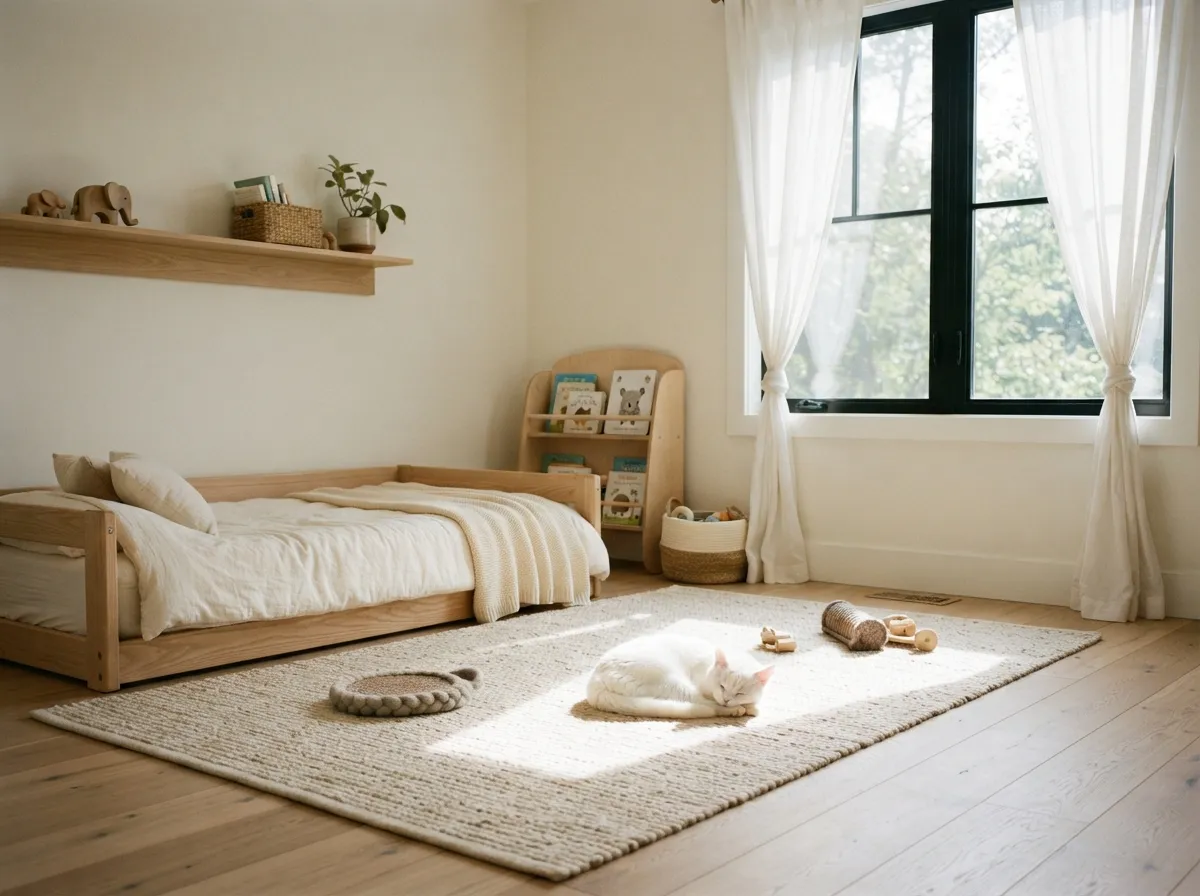
Maximizing natural light is a cornerstone of minimalist design and creates a brighter, more expansive feel in any room. In a kid’s room, ample daylight promotes a cheerful atmosphere, boosts mood, and can even help regulate sleep cycles.
For pets, sunbeams offer cozy napping spots, contributing to their well-being. To enhance natural light, consider simple window treatments like sheer curtains or roller blinds that can be fully retracted.
Avoid heavy drapes that block light, opting instead for materials that diffuse light gently. Painting walls in light, neutral colors, such as off-white, pale grey, or soft pastels, helps reflect light throughout the space.
Strategically placed mirrors can also work wonders, bouncing light into darker corners and making the room feel larger. Keeping windows clean and uncluttered allows sunlight to stream in unimpeded, creating a vibrant and welcoming environment.
This thoughtful approach illuminates the room beautifully, benefiting both children and pets.
15. Simple, Uncluttered Decor
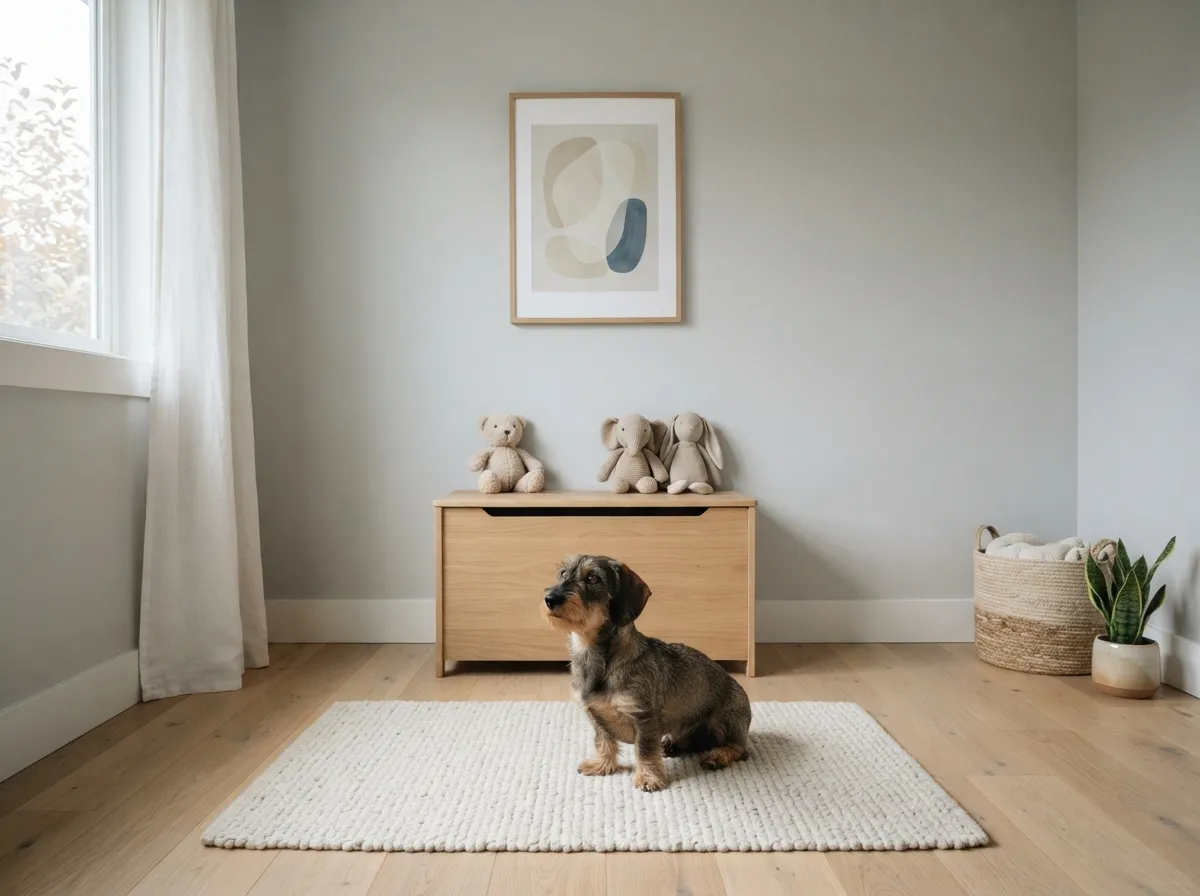
The essence of minimalism in a kid’s room lies in embracing simple, uncluttered decor. This philosophy promotes a sense of calm and order, which is beneficial for both children and the overall household aesthetic.
Rather than filling every surface, focus on selecting a few meaningful and functional items that add character without creating visual noise. Choose decor pieces that serve a purpose or hold sentimental value, allowing each item to stand out.
A single piece of art on the wall, a neatly organized shelf with a few favorite books, or a simple wooden toy box can provide ample personality. The goal is to create a spacious environment where children have room to play and explore freely.
A clear floor and minimal accessories also make cleaning significantly easier, a major plus in pet-friendly homes. This approach cultivates an atmosphere of tranquility and openness, encouraging creativity and relaxation.
It underscores the belief that true beauty often lies in simplicity and thoughtful curation.
16. Multi-Functional Furniture Pieces
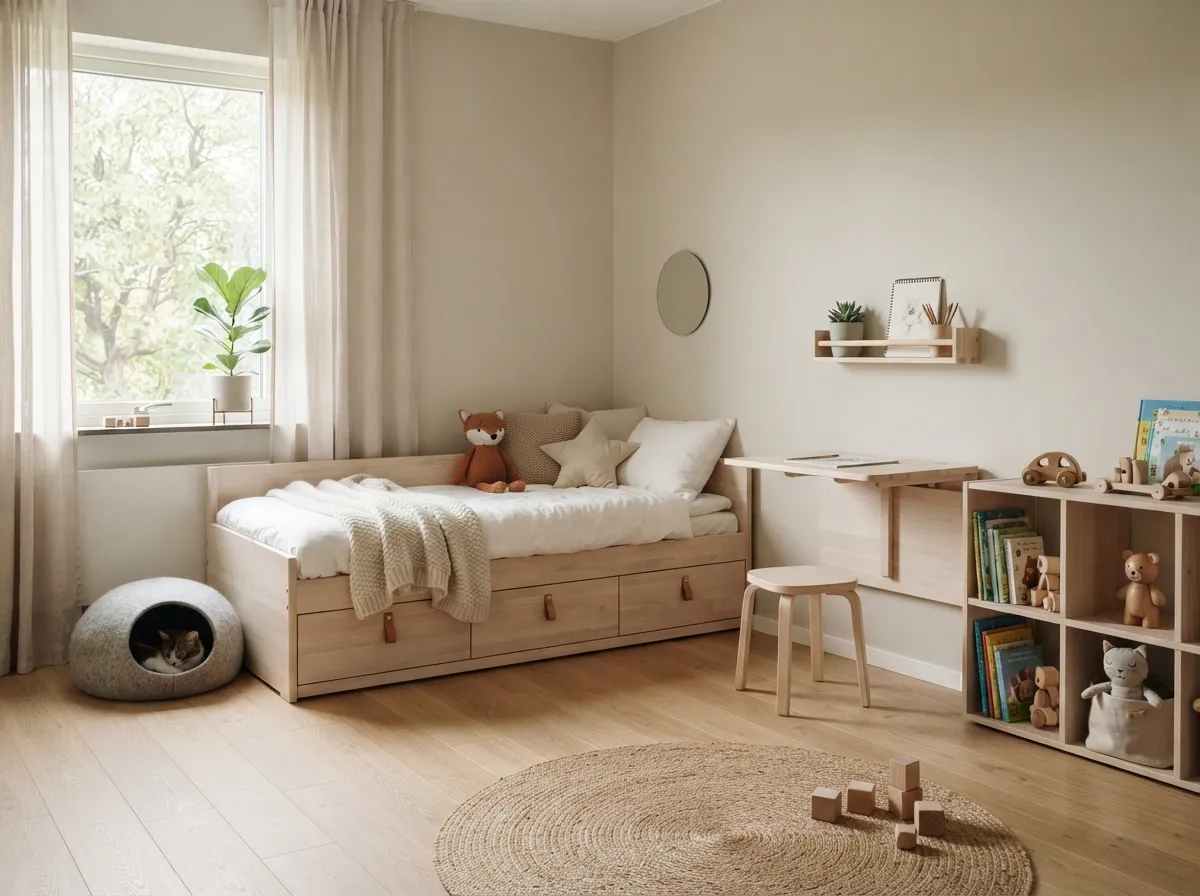
Optimizing space in a minimalist kids’ room is effortless with multi-functional furniture. These pieces ingeniously combine utility, making small rooms feel expansive and organized.
Consider a sleek daybed that offers not just a comfortable sleeping area but also features integrated drawers beneath. This design keeps bedding or toys neatly tucked away, preventing clutter that pets might disturb.
A convertible desk is another excellent addition, folding up against the wall when not in use. This frees up valuable floor space for play, allowing both children and pets ample room to move without obstruction.
Low, modular shelving units crafted from light wood provide accessible storage. They keep items within reach for kids while maintaining a tidy environment, essential for a harmonious pet-friendly home.
17. Pet-Friendly Plant Selection
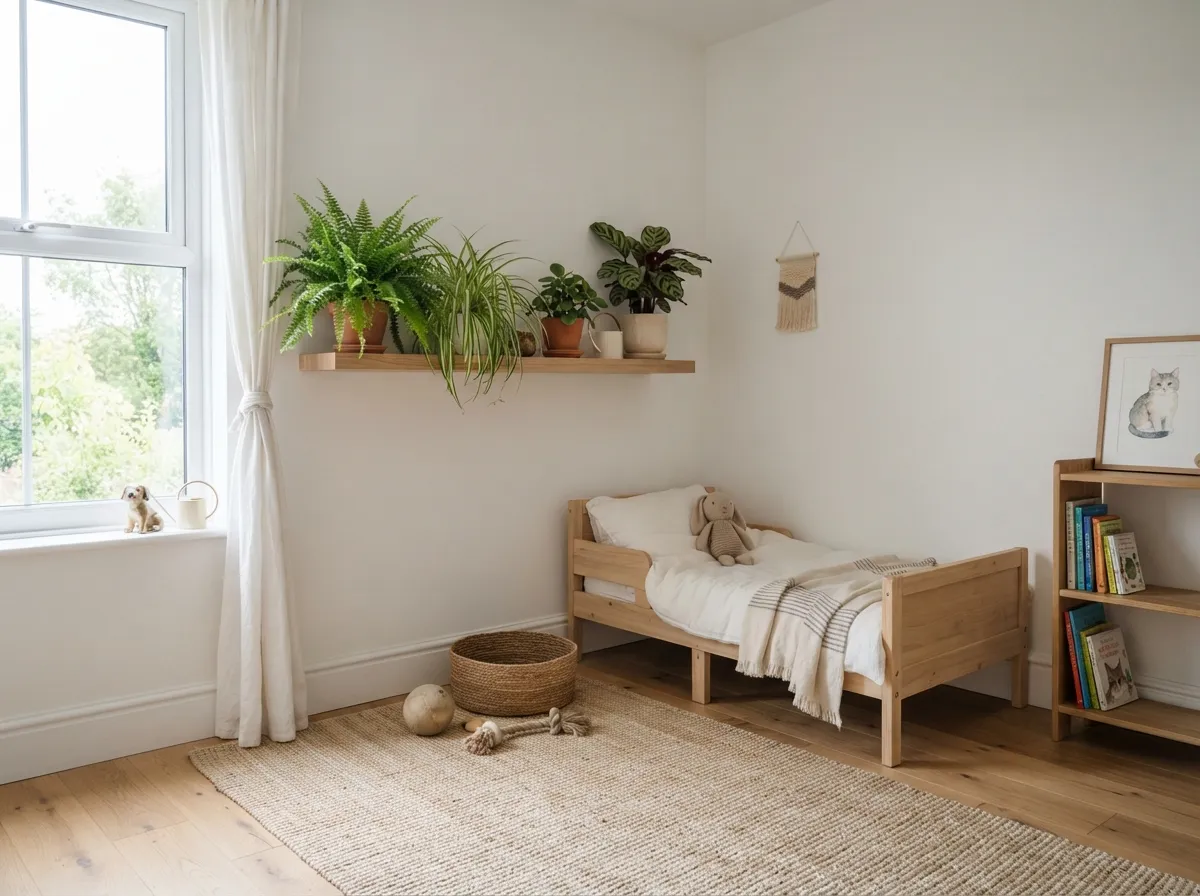
Introducing greenery into a child’s room adds life and improves air quality, but pet safety is paramount. Selecting non-toxic plants ensures peace of mind for curious children and pets.
Varieties like the Boston Fern and Spider Plant are excellent choices for their pet-friendly nature and appealing aesthetic. They add a touch of natural vibrancy without posing any risk to your furry companions.
Place these plants on a sturdy floating wooden shelf, keeping them out of immediate reach of playful paws or tiny hands. This also helps maintain the minimalist look by utilizing vertical space efficiently.
The presence of lush plants within a soft white-walled room, complemented by natural light, creates a refreshing and calming atmosphere. It truly enhances the overall well-being of the inhabitants, two-legged and four-legged alike.
18. Accessible Cleaning Station
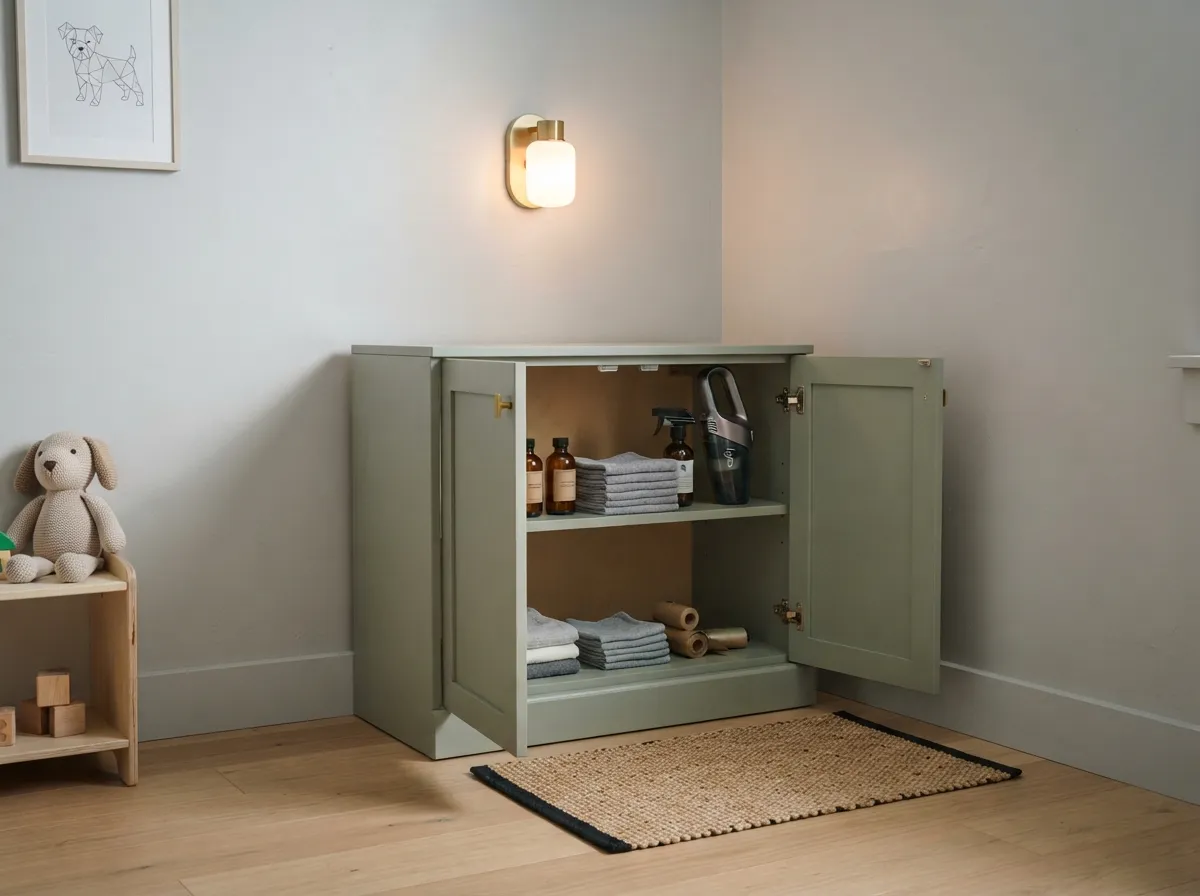
Maintaining cleanliness in a shared space for kids and pets requires a practical approach. An accessible cleaning station makes quick tidying manageable and efficient.
Consider a discreet, low-level cabinet with soft-close doors, painted in a calming sage green. This blends seamlessly into the room’s aesthetic while keeping essentials within reach.
Inside, organize child-safe bottles of natural cleaner, a compact handheld vacuum, and a stack of microfiber cloths. This setup allows for immediate clean-ups of spills or pet hair, preventing messes from accumulating.
Placing a durable mat in front of the cabinet also helps contain any potential drips or debris during use. This simple addition ensures the surrounding light grey flooring remains pristine and well-kept.
19. Secure Toy Chests and Bins
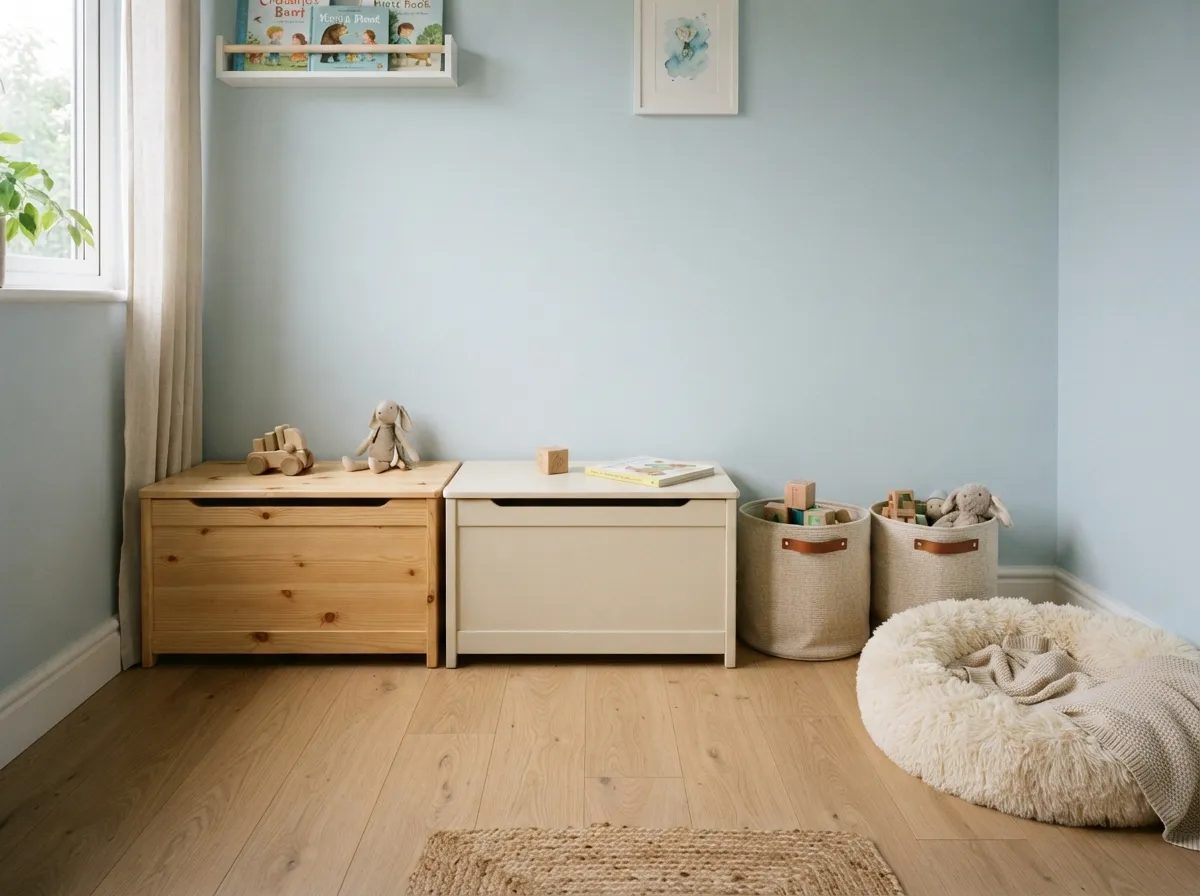
In a busy household with both children and pets, secure toy chests and bins are invaluable for maintaining order and safety. They prevent clutter and protect toys from curious paws.
Opt for low, sturdy wooden toy chests equipped with soft-closing lids. These ensure little fingers are safe and keep toys neatly contained, away from pets who might chew or scatter them.
Integrating options like a natural pine chest and another painted in a muted cream ensures design cohesion with a pale blue wall. This blend creates a serene backdrop for play and rest.
Complement these with woven fabric bins for smaller items, offering flexible storage that is easy to access yet keeps things contained. Positioning a fluffy, light-colored pet bed nearby reinforces distinct zones for play and relaxation.
20. Soft, Neutral Color Palettes
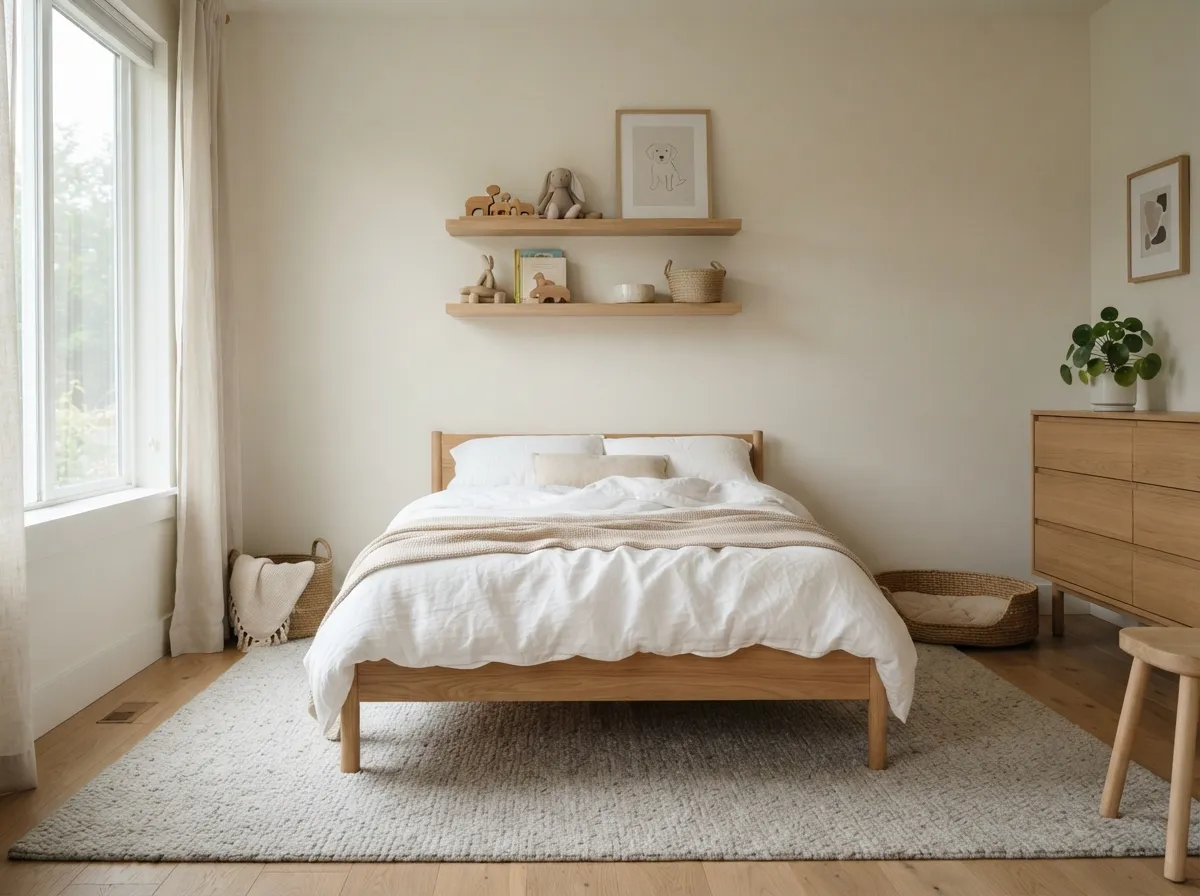
Creating a calming and adaptable environment begins with a soft, neutral color palette. These hues promote serenity and provide a versatile backdrop for a child’s evolving interests and a pet’s presence.
Walls painted in a warm off-white, combined with textiles in gentle shades of beige and light grey, establish a peaceful atmosphere. This foundation allows for easy integration of natural wood elements, like a low bed frame.
The simplicity of crisp white linen on the bed enhances the clean, minimalist aesthetic. A plush, light grey rug adds texture and comfort underfoot, offering a cozy spot for both children and pets to relax.
This thoughtful selection of colors creates a harmonious space that feels both inviting and easy to maintain. It perfectly embodies the understated elegance of minimalist design for any pet-friendly household.
Designing a harmonious minimalist kids’ room for pet owners is achievable with careful planning. By focusing on durable materials, smart storage, and easy-to-clean surfaces, you create a beautiful, functional, and safe haven for everyone. Enjoy a tidy, happy home where kids and pets thrive.