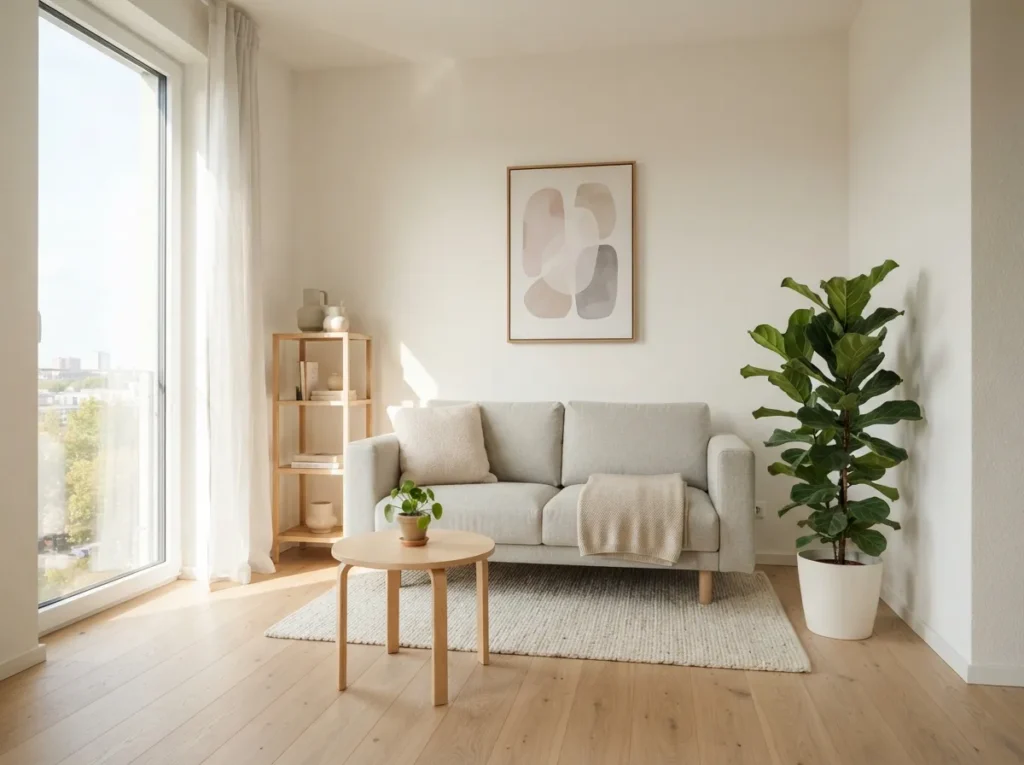
Transform your small apartment living room into a serene, spacious haven with minimalist design. Discover how decluttering and smart choices can maximize space and bring calm. These 27 ideas will help you create a functional, stylish, and inviting minimalist sanctuary, proving less truly is more for compact homes.
1. Declutter with Purpose for Openness
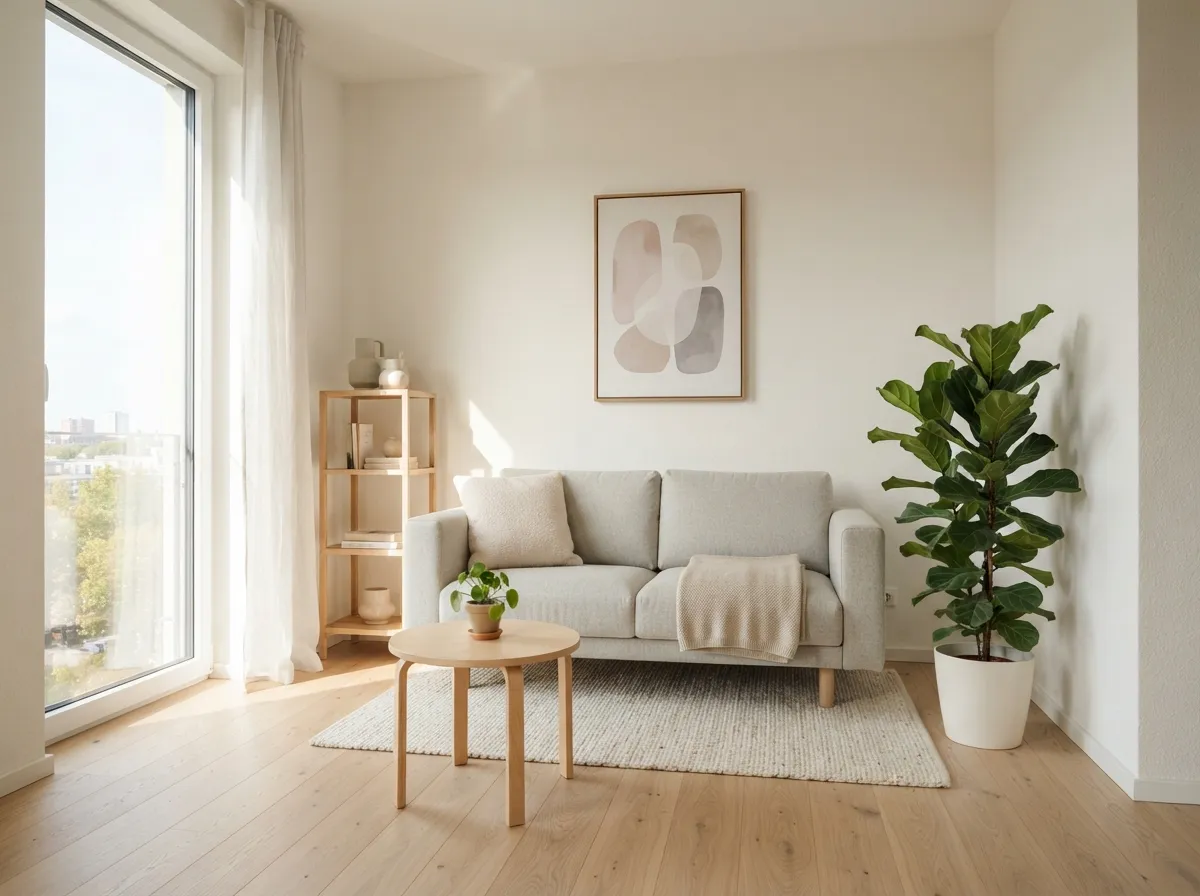
In a small apartment living room, every item holds significance. Begin by intentionally removing non-essential belongings that do not serve a clear purpose or bring you joy.
This thoughtful process immediately creates a sense of calm and order.
Achieving a visually clear and open space is paramount for minimalist design. Focus on maintaining clear surfaces on your coffee tables, shelves, and countertops.
When you eliminate excess, the room feels larger and more inviting. This strategy lays the foundation for a truly minimalist aesthetic, allowing your core design elements to shine.
Embrace the freedom that comes with less, making your small living area feel airy and expansive.
2. Adopt a Serene, Neutral Color Scheme
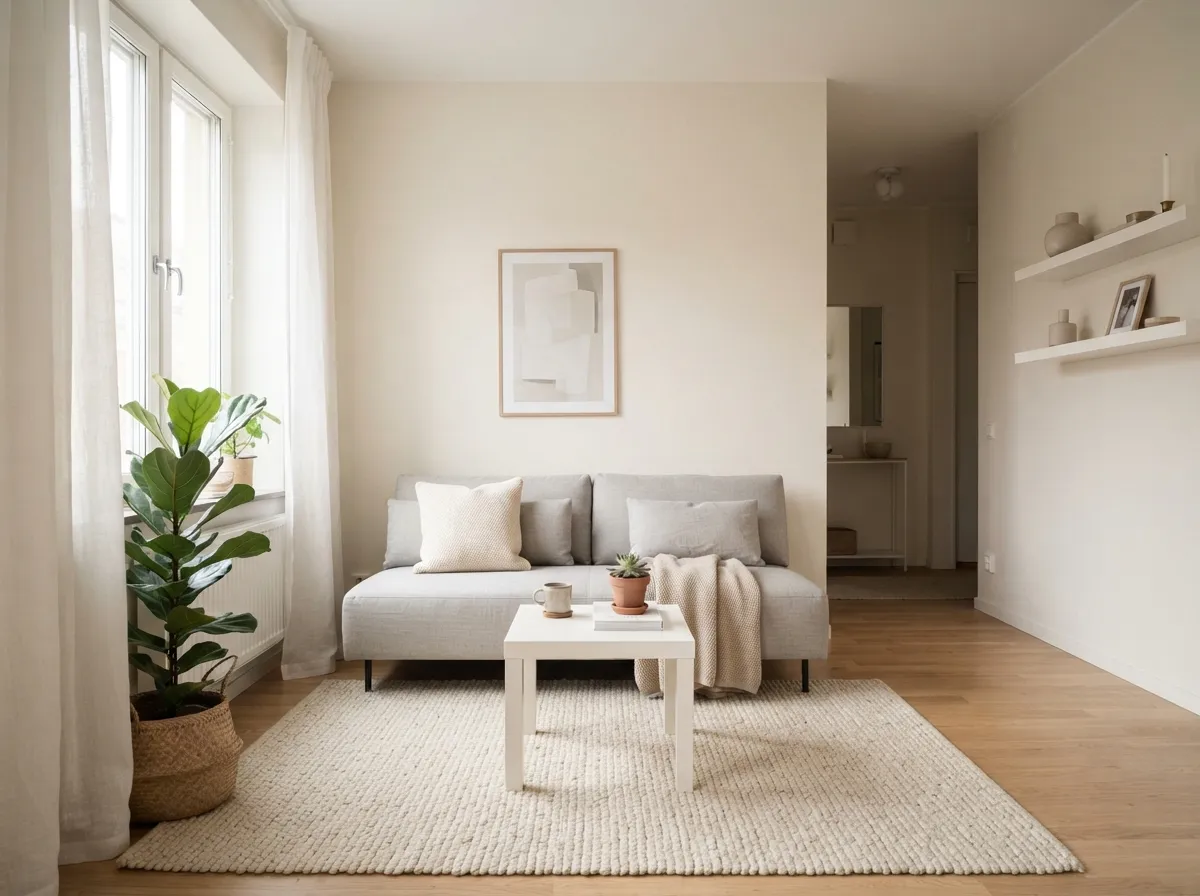
A neutral color palette is a cornerstone of minimalist design, especially beneficial for smaller living areas. Hues like whites, soft grays, calming beiges, and muted creams contribute to a serene and expansive atmosphere.
These colors reflect light, instantly making a room feel larger and more airy.
Opt for wall colors and larger furniture pieces in these gentle tones. This creates a cohesive backdrop that promotes tranquility and visual flow throughout your space.
To prevent the room from feeling flat, introduce subtle variations in texture. Think about a textured off-white rug or linen throw pillows in a slightly darker cream.
This approach adds depth and interest without overwhelming the room, maintaining a harmonious and sophisticated aesthetic.
3. Select Multi-Functional Furniture Wisely
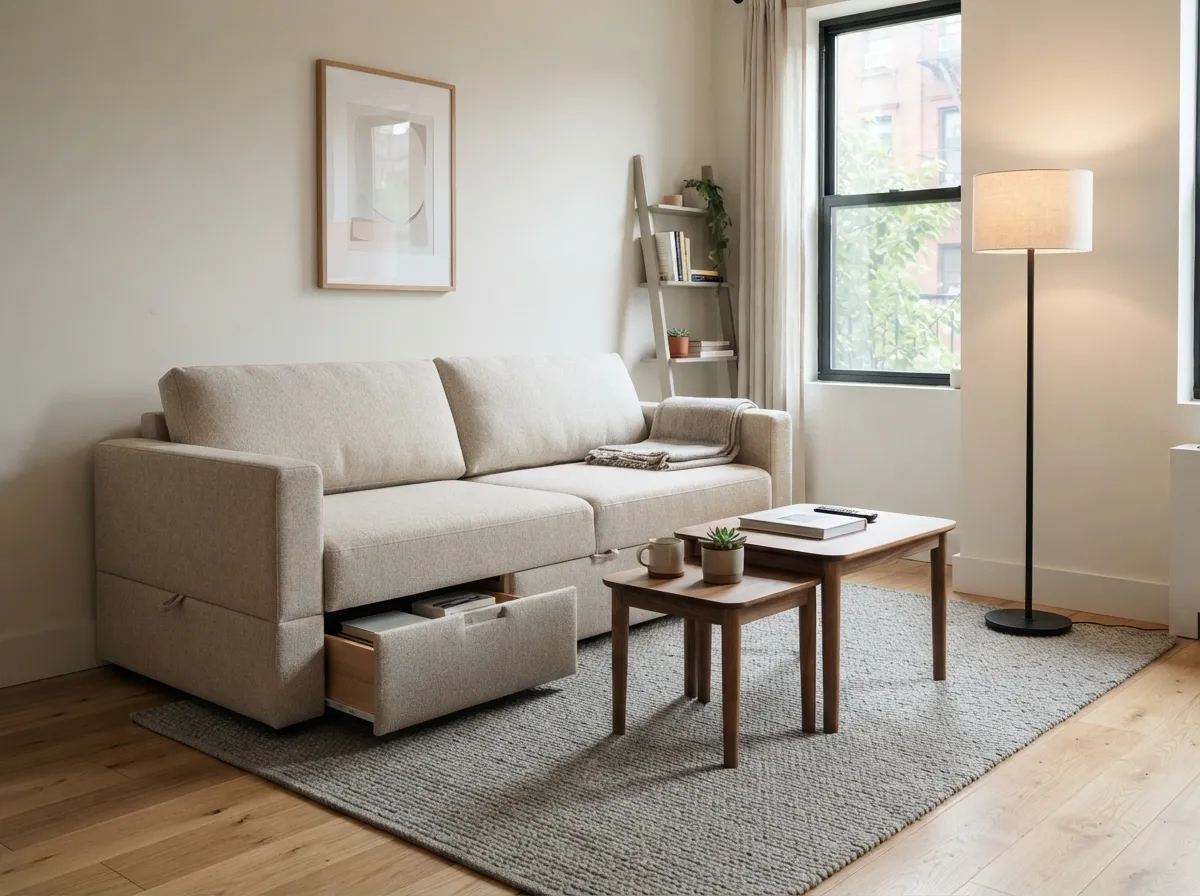
For small apartment living rooms, every piece of furniture must earn its place. Prioritize items that offer more than one utility, effectively maximizing your limited square footage.
This smart selection is fundamental to a functional minimalist space.
Consider an ottoman that opens to reveal hidden storage, perfect for stowing away blankets or magazines. A sofa bed is another excellent choice, providing extra sleeping arrangements without needing a dedicated guest room.
Nesting tables are incredibly versatile, offering multiple surface areas when needed and tucking neatly away to save space. Look for sleek designs that maintain clean lines.
Choosing these adaptable pieces ensures your living room remains organized and efficient, supporting various activities throughout the day.
4. Maximize Space with Vertical Storage
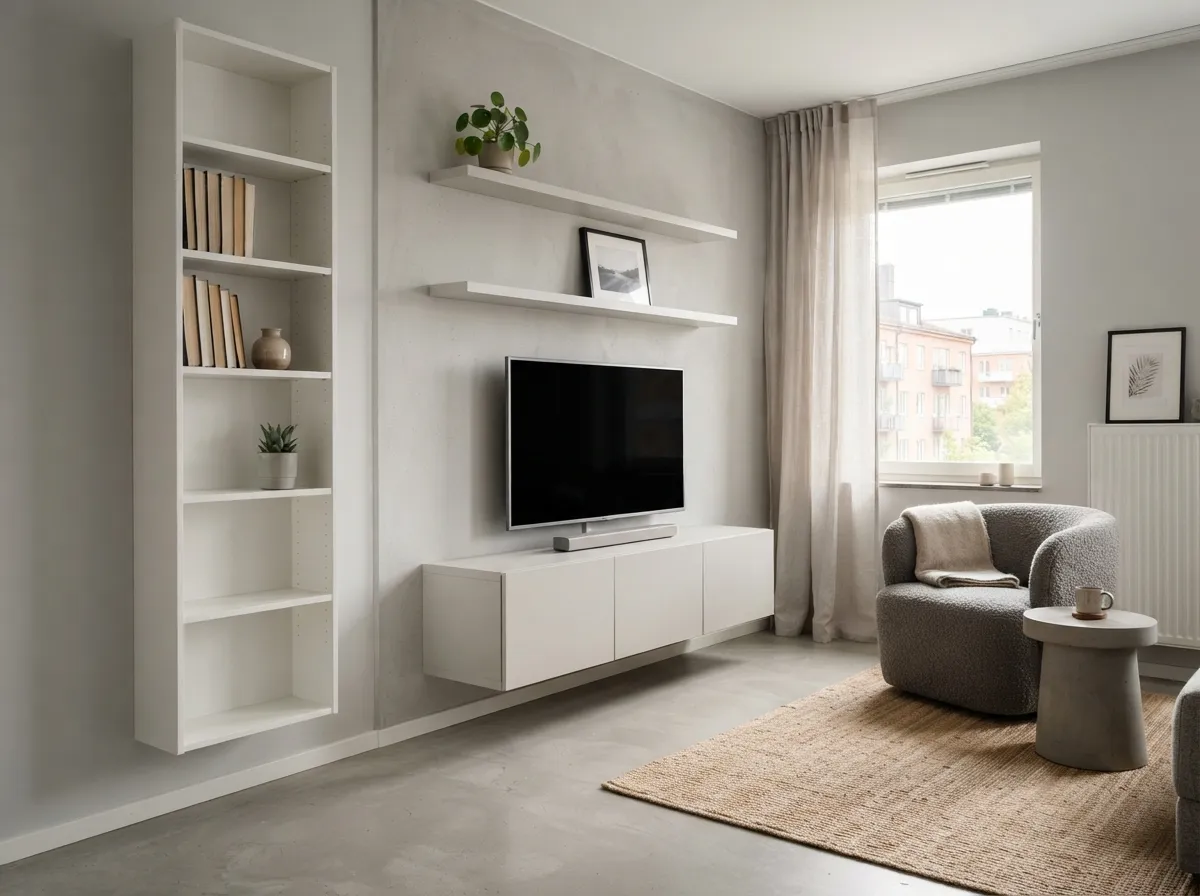
When floor space is at a premium, look upwards to expand your storage capabilities. Utilizing vertical space is a clever strategy to keep your minimalist living room organized and uncluttered.
This approach draws the eye upward, creating an illusion of greater height.
Install slim, wall-mounted shelves or a tall, narrow bookshelf that extends close to the ceiling. These units keep belongings off the floor, freeing up valuable walking space and improving flow.
Consider floating shelves above your television or a compact media console for displaying a few curated decorative items. This maintains an open feel while providing essential storage.
Vertical solutions are key to maintaining an orderly and spacious feel, allowing your room to breathe and feel less confined.
5. Choose Elevated Furniture for Airiness
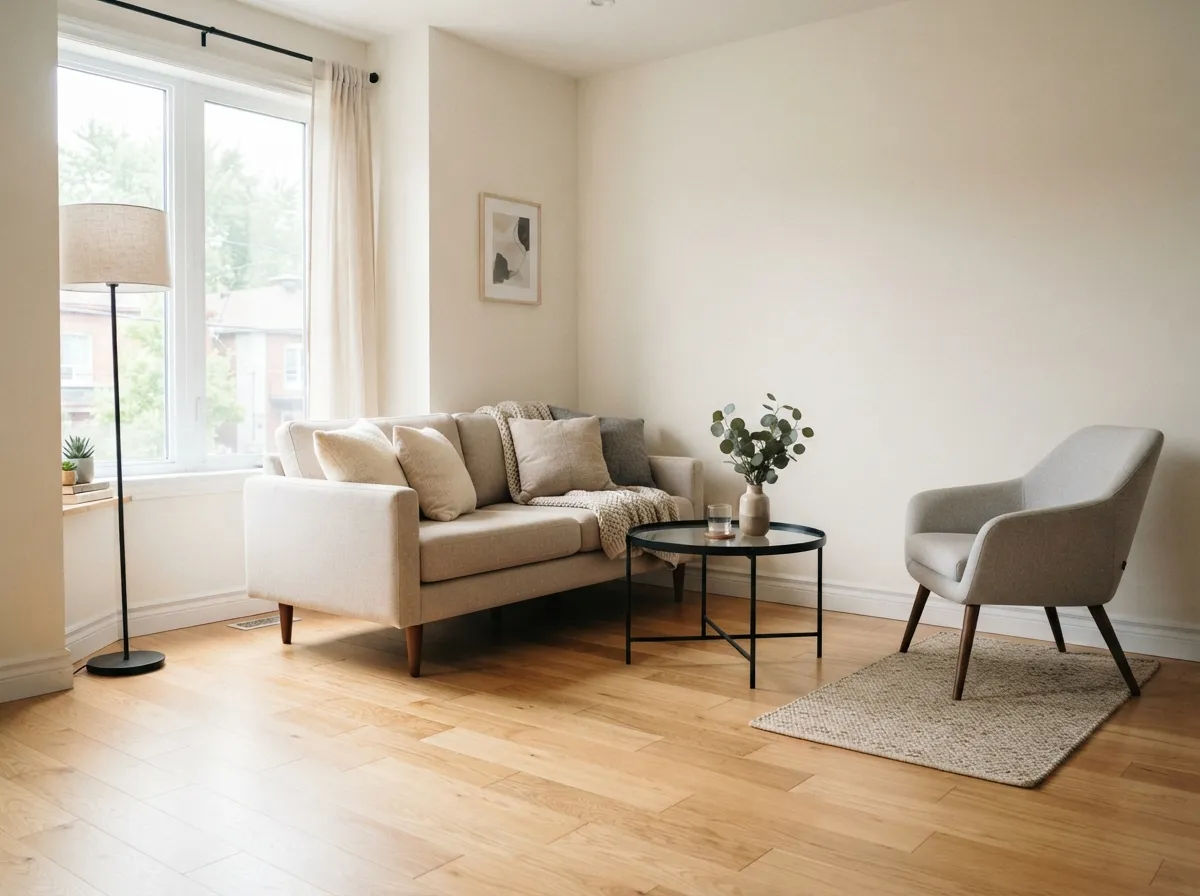
The design of your furniture legs can significantly impact the perceived size and airiness of a small living room. Opt for furniture pieces that are elevated on slender legs, allowing light to pass underneath.
This simple design choice creates an immediate sense of openness.
A sofa with exposed, thin wooden or metal legs makes the floor visible beneath it, which in turn makes the room feel less heavy and more expansive. This visual trick prevents the furniture from looking bulky.
Similarly, choose coffee tables, side tables, and armchairs that stand on delicate, elevated bases. This design minimizes the visual footprint of each item.
By allowing more floor space to be seen, your living room will feel lighter, less cluttered, and distinctly more spacious.
6. Amplify Natural Light Sources
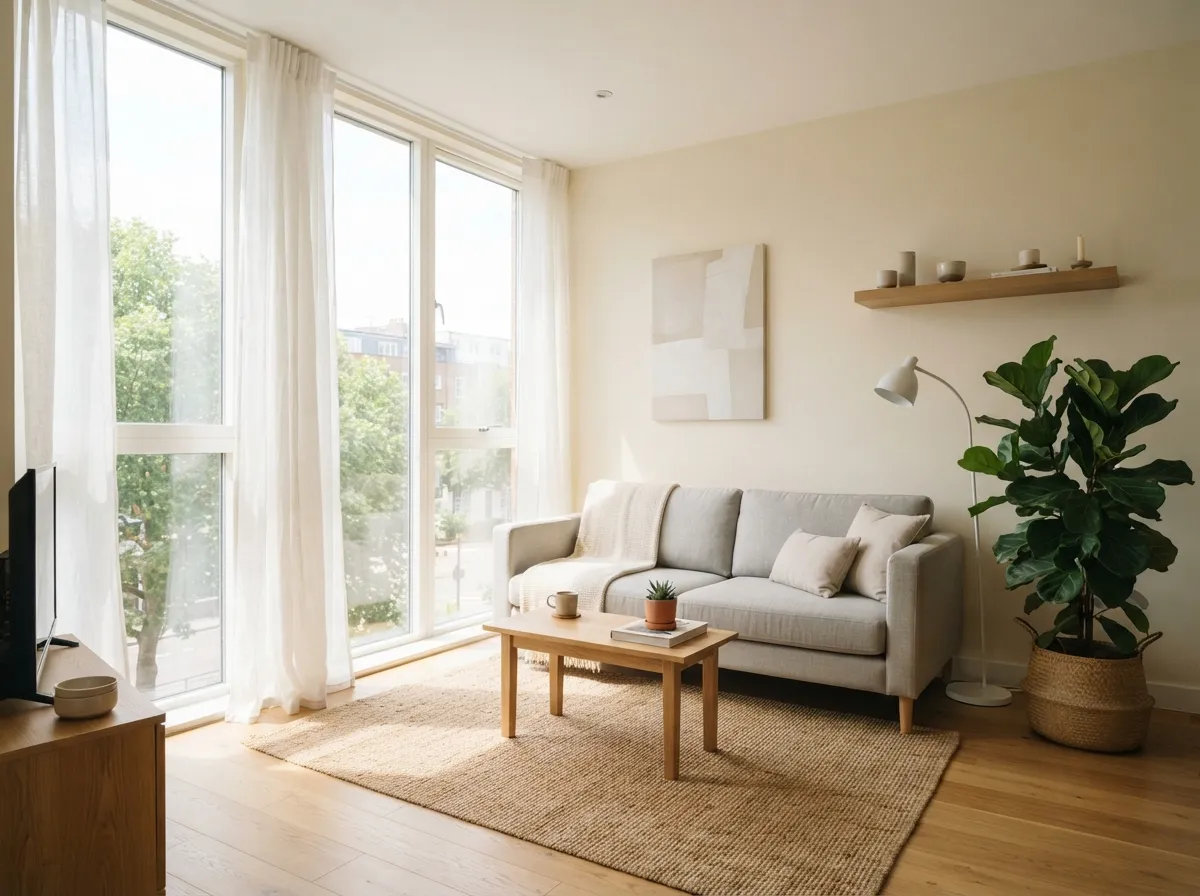
Maximizing natural light is paramount in a small apartment living room. Bright spaces inherently feel larger and more welcoming, reducing any sense of confinement.
Consider your window treatments carefully to facilitate this.
Opt for sheer curtains or blinds that allow sunlight to filter through softly, rather than blocking it entirely. Keeping windows unobstructed is key to inviting daylight deep into your space.
Light-colored walls also play a crucial role. White or very pale neutral hues reflect light beautifully, enhancing the overall brightness and making the room feel more open and airy.
This creates an uplifting atmosphere.
7. Strategically Place Mirrors to Expand Space
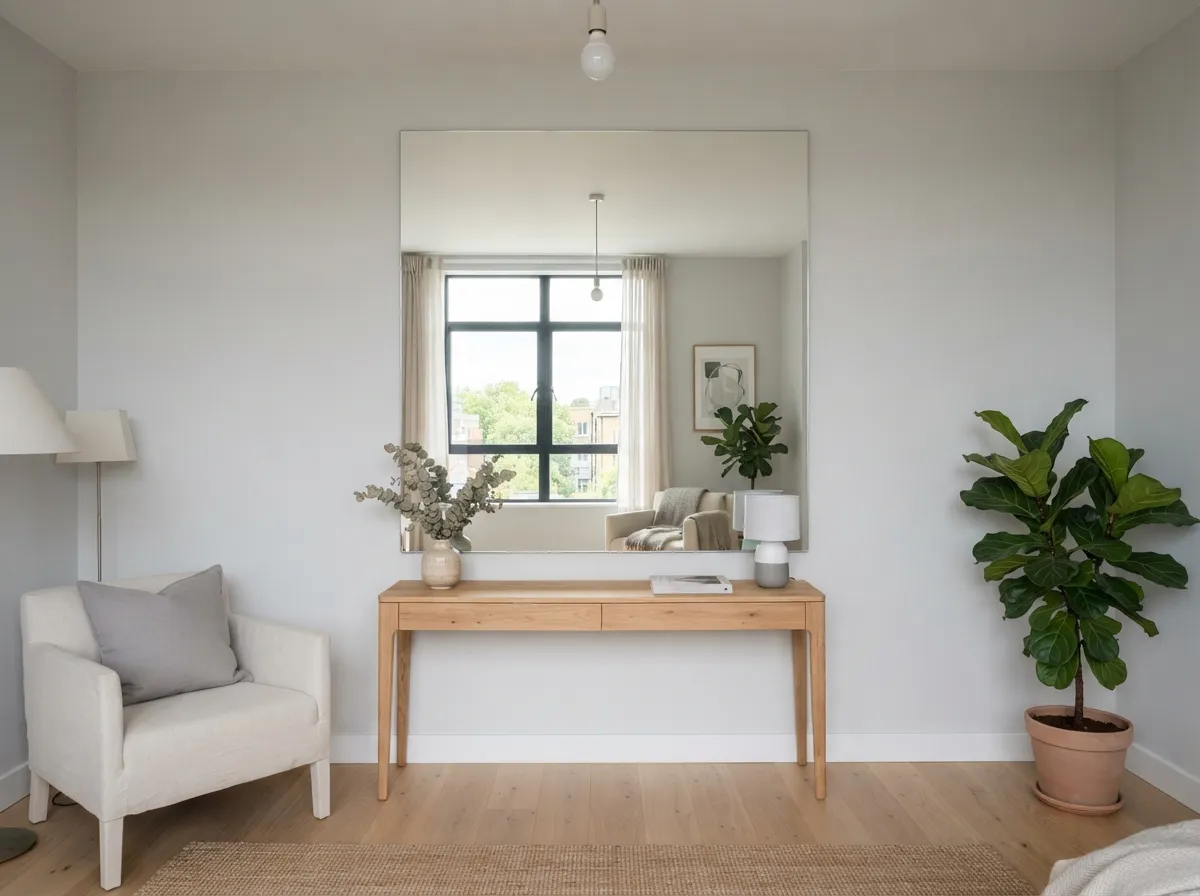
Mirrors are an incredibly effective tool for expanding the perceived size of a small living room. They create an illusion of depth and reflect both natural and artificial light, making the space appear brighter and more open.
Position a large, frameless mirror opposite a window to multiply the incoming light and bring the outdoors in. This placement can dramatically enhance the sense of spaciousness.
Alternatively, a mirror placed on a central wall can reflect the room itself, effectively doubling its visual expanse. This simple addition can make a significant impact on your apartment’s feel.
8. Opt for Clean Lines and Simple Forms
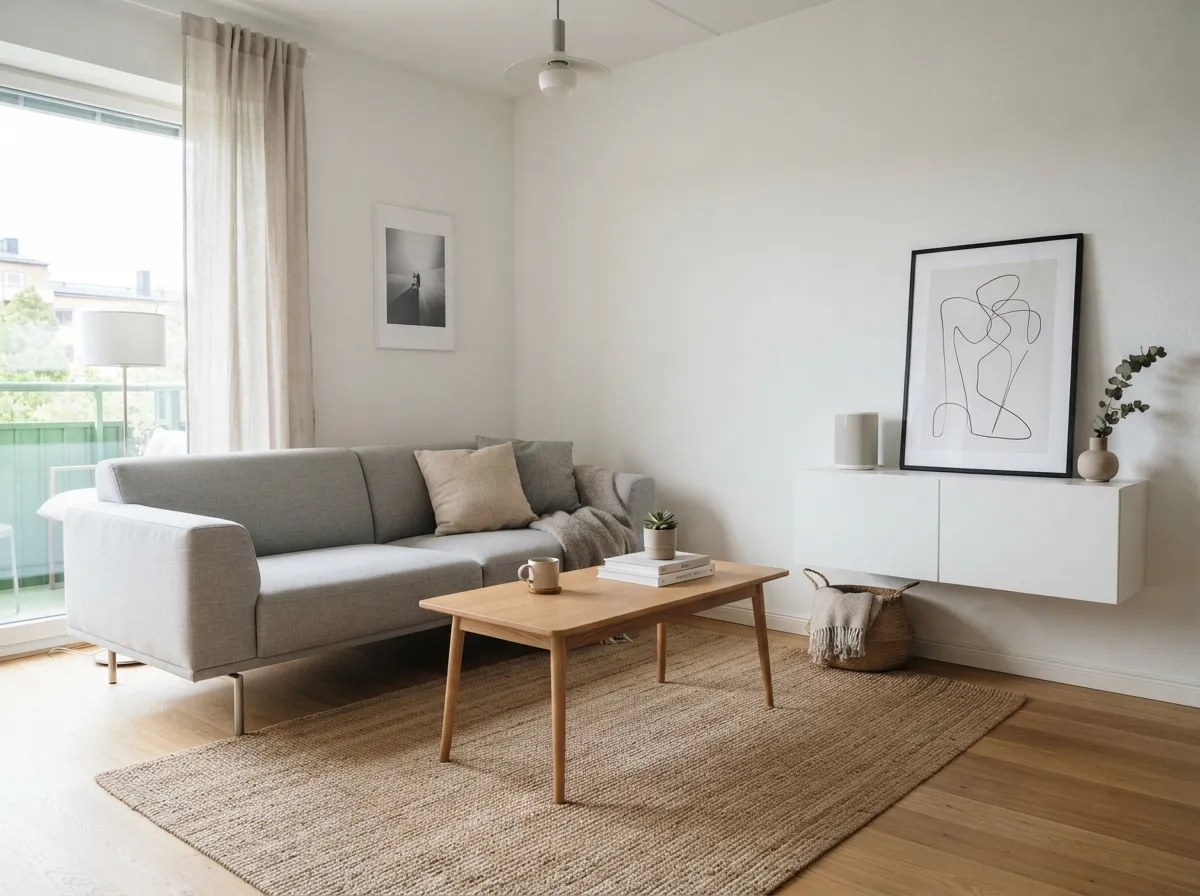
When selecting furniture for a minimalist living room, prioritize pieces with clean lines and simple forms. Bulky, overly ornate, or highly decorative items can quickly overwhelm a small apartment.
Furniture featuring straight edges, streamlined profiles, and uncomplicated shapes contributes to a calm and uncluttered aesthetic. This design choice fosters a sense of order and visual lightness.
A low-profile sofa, a slender console, or a geometric coffee table, for example, will maintain an airy feel. These elements allow the eye to move smoothly across the room, contributing to a spacious impression.
9. Invest in High-Quality, Lasting Pieces
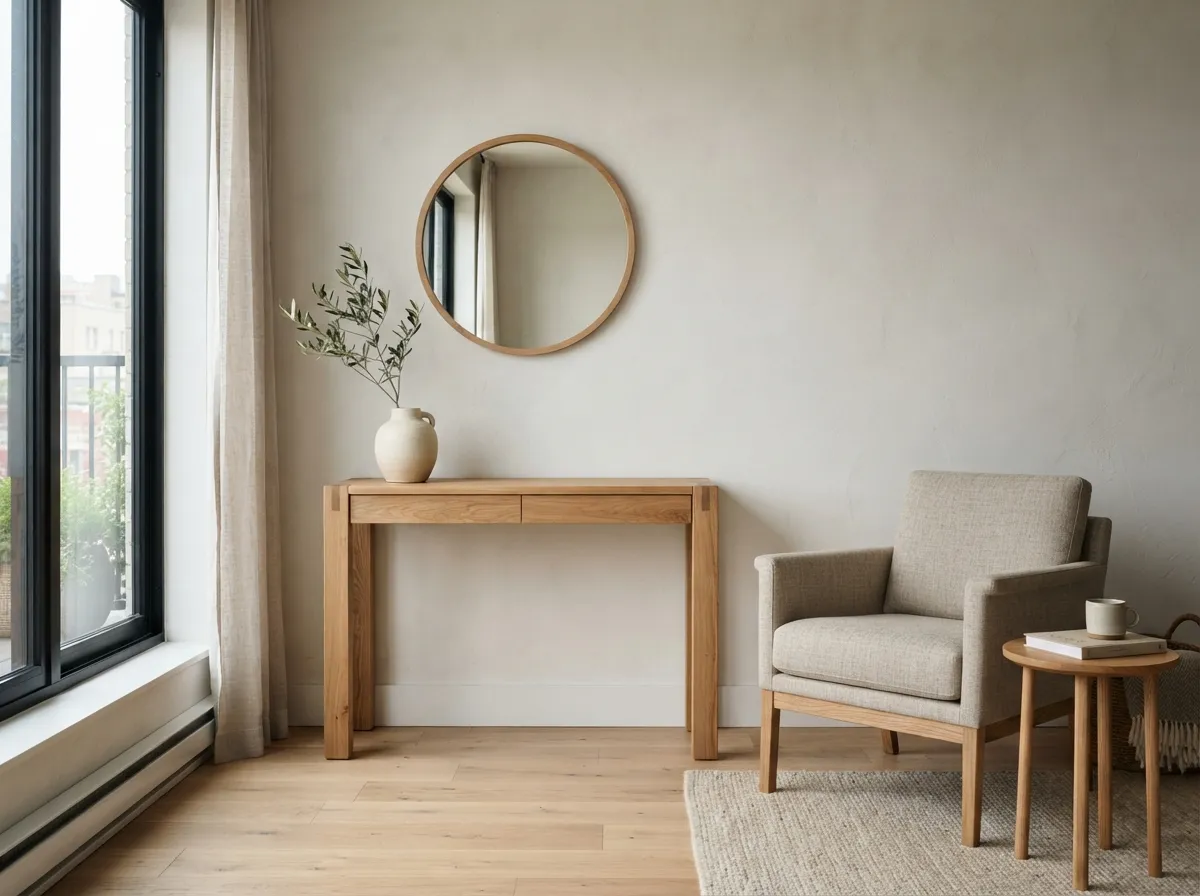
In minimalist design, the adage ‘less is more’ extends to the quality of your possessions. Investing in high-quality, lasting pieces is a cornerstone of creating a functional and elegant small living room.
Well-crafted furniture made from durable materials like solid wood, natural fabrics, or sturdy metal will stand the test of time. These items not only look better but also reduce the need for frequent replacements.
Choosing timeless designs ensures your space remains current and chic for years. A few carefully selected, premium items elevate the entire room, providing comfort and enduring appeal without excess.
10. Define Areas with Understated Area Rugs
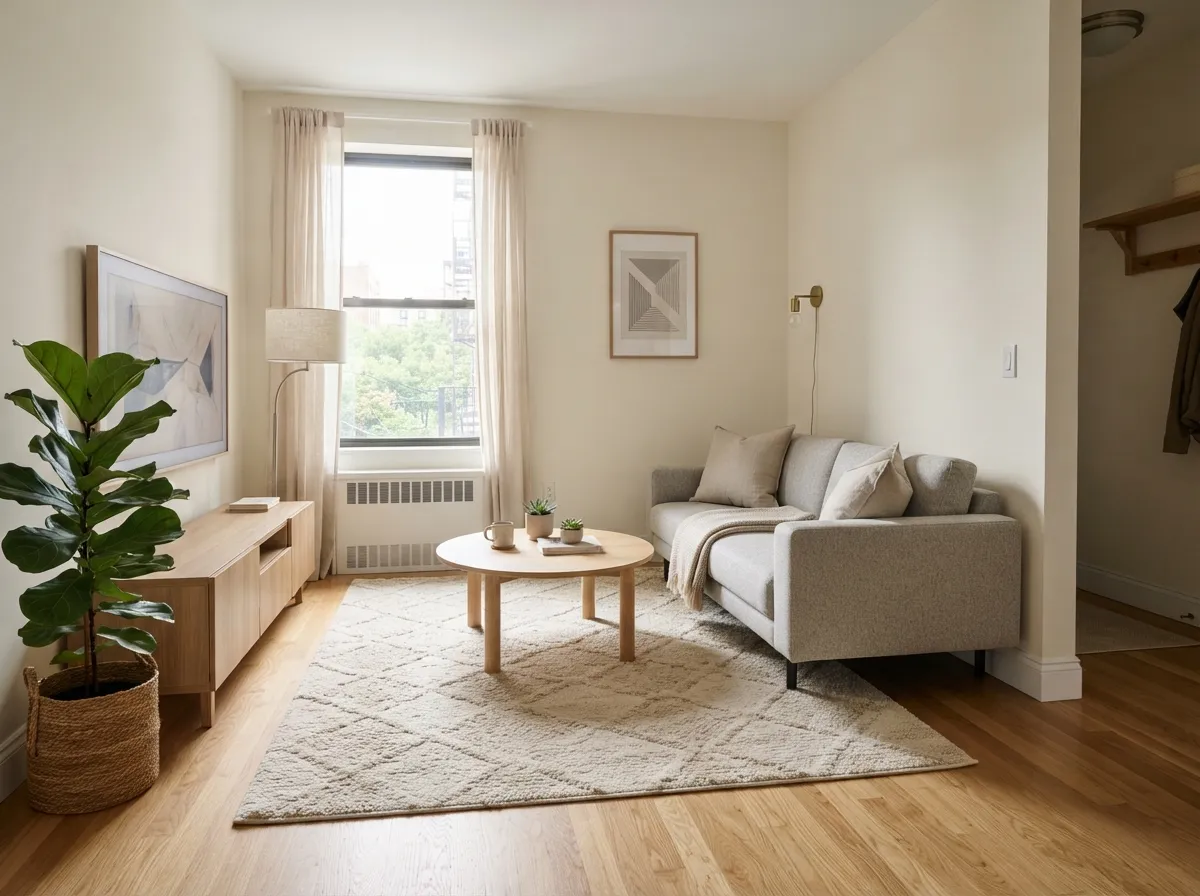
In an open-concept small apartment, area rugs are excellent for subtly defining different functional zones without creating physical barriers. This helps organize the space visually, making it feel more cohesive.
Choose rugs with understated patterns, neutral colors, or subtle textures. A low-pile rug in shades of cream, light gray, or beige can ground your seating area without adding visual weight.
Ensure the rug is appropriately sized, large enough to encompass the main furniture pieces like your sofa and coffee table. This grounds the arrangement and creates a sense of dedicated space for relaxation.
11. Maintain Clear and Uncluttered Surfaces
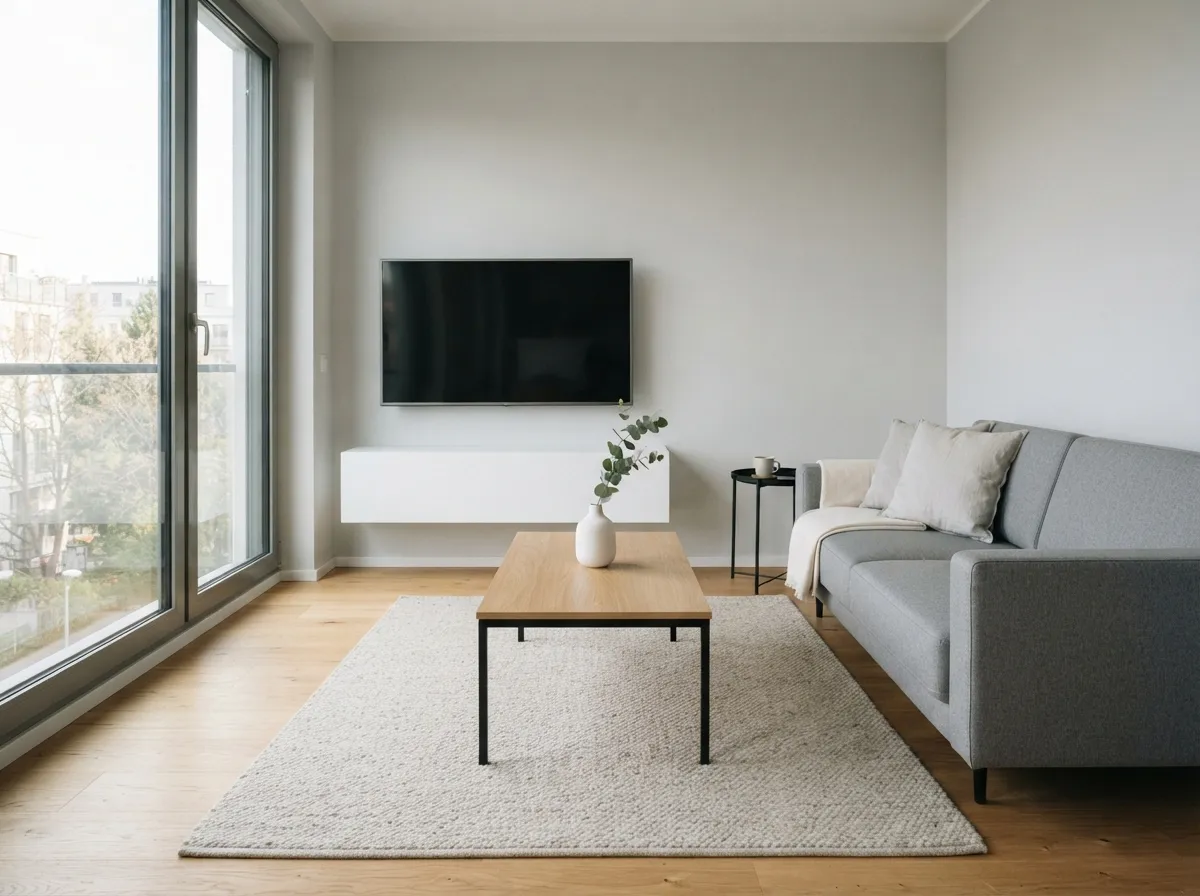
In a small apartment, every surface offers an opportunity to either enhance or detract from a sense of spaciousness. Keeping horizontal planes clear is a fundamental principle of minimalist design, crucial for fostering an open and airy atmosphere.
Imagine a living room where every coffee table and media console is intentionally free of excess.
This simple act immediately creates visual breathing room, allowing the eye to flow uninterrupted across the space. A low-profile coffee table, for instance, appears larger and more functional when it’s not burdened by a collection of items.
Consider a sleek media console beneath a wall-mounted television; when its surface is pristine, the entire wall feels less heavy. This dedication to clarity ensures that your living area feels expansive and serene, rather than cramped and chaotic.
Such a clear environment allows the natural light, perhaps streaming from a window, to truly illuminate the room, emphasizing its clean lines and neutral palette.
12. Implement Layered, Discreet Lighting
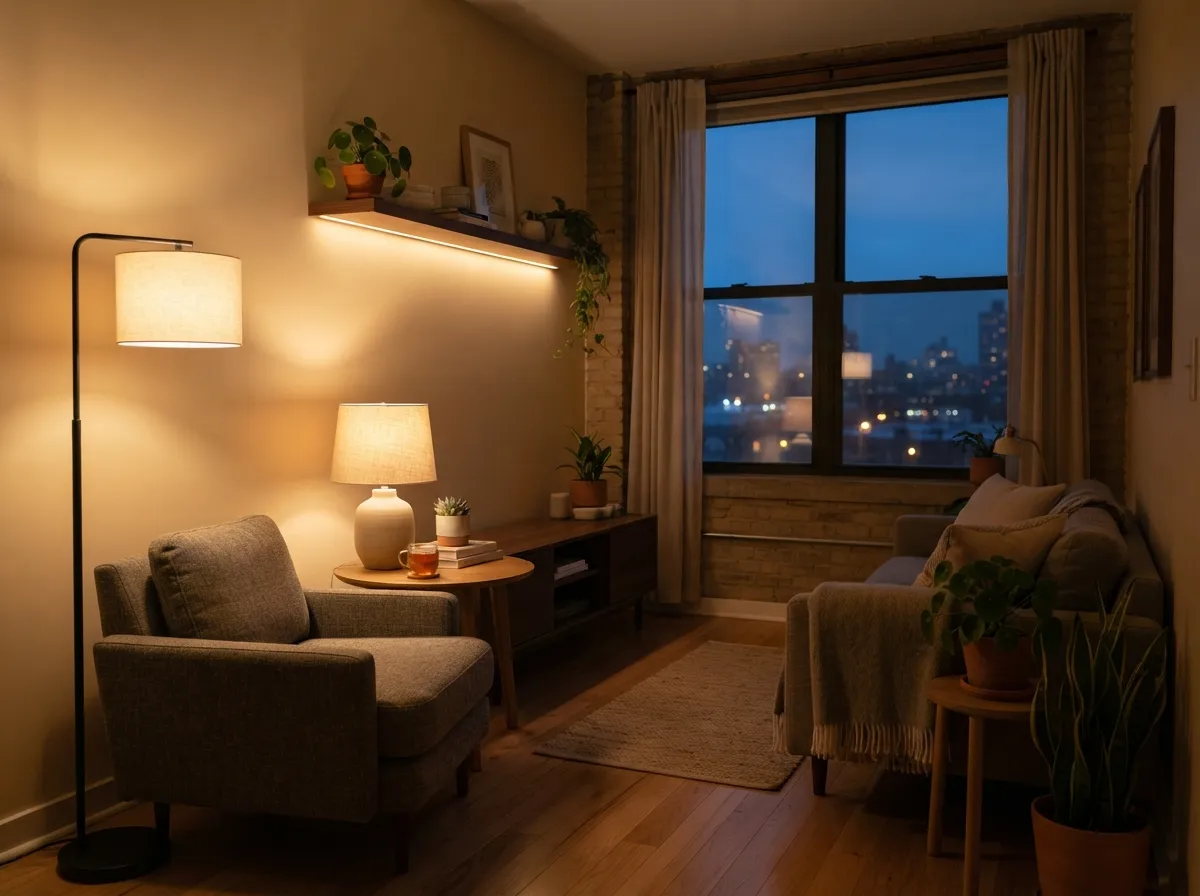
Lighting plays a pivotal role in shaping the perception and mood of a small living room. Instead of relying on a single overhead fixture, adopt a strategy of layered, discreet illumination.
This approach allows you to create depth and warmth, making the space feel more inviting and less confined.
Start with ambient lighting from a slim floor lamp, offering a gentle overall glow without dominating the room. Supplement this with task lighting, perhaps a small, elegant table lamp on a side table, perfect for reading or adding a localized, cozy luminescence.
Consider integrating hidden LED strip lighting, subtly tucked under floating shelves or behind architectural details. This accent lighting provides a soft, diffused glow that highlights features and adds a quiet sophistication.
The cumulative effect of these warm, strategically placed light sources is a living room that feels expansive and comfortable, devoid of harsh shadows or overwhelming brightness, enhancing its welcoming atmosphere.
13. Integrate Seamless Built-In Storage
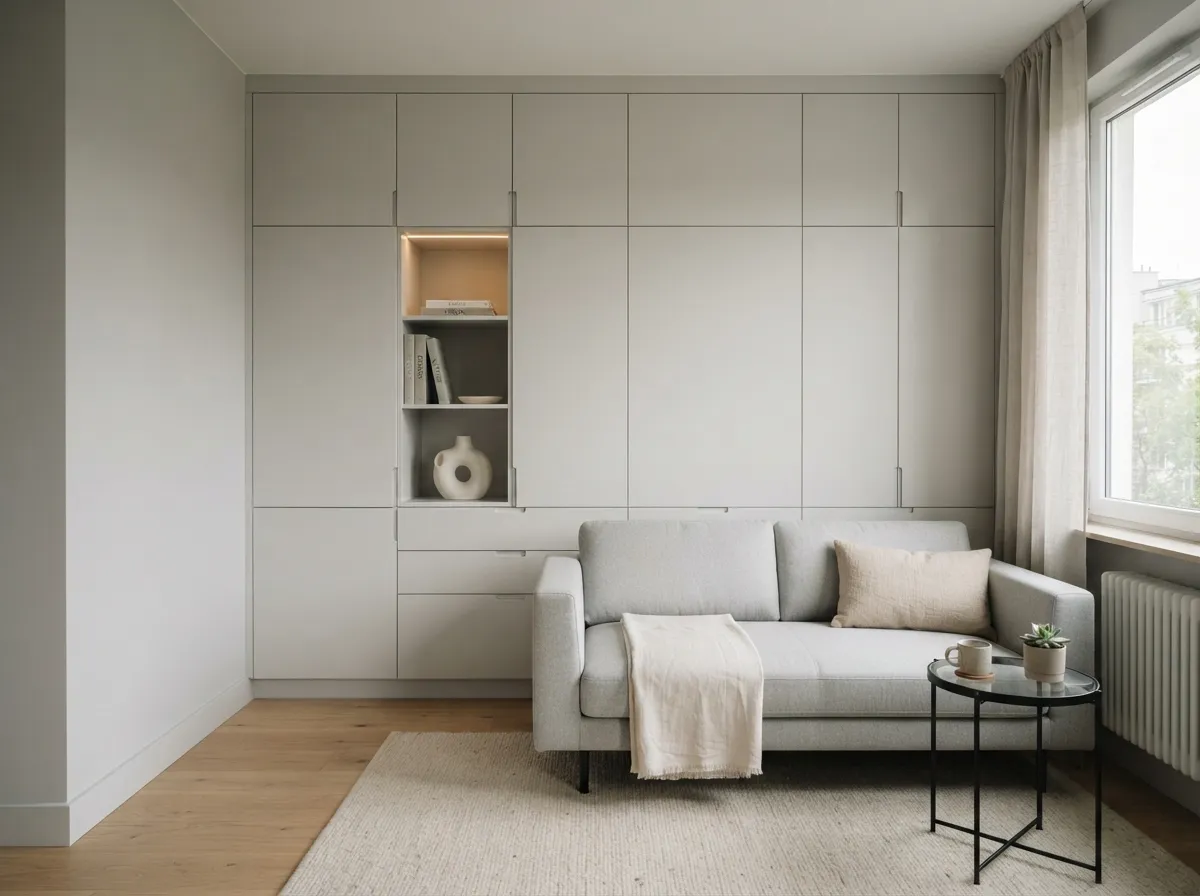
Maximizing storage while maintaining a clean aesthetic is paramount in small apartment living rooms. Seamless built-in storage solutions are an intelligent way to achieve this, offering both functionality and a streamlined appearance.
These units blend into the existing architecture, making the room feel larger and more organized.
Imagine custom shelving and cabinetry painted the exact same light, neutral color as your walls. This visual continuity makes the storage disappear, creating an uninterrupted flow around the room.
Handle-less doors further enhance this sleek look, presenting a smooth, unbroken surface.
Such integrated storage can combine closed cabinets for stashing clutter with a few open shelves for displaying carefully chosen items. This thoughtful balance prevents visual overwhelm while keeping essentials neatly out of sight.
By incorporating these flush, well-designed units, you reclaim floor space and maintain the minimalist principle of an uncluttered environment, all while providing ample room for your belongings.
14. Curate Decor with Intentionality
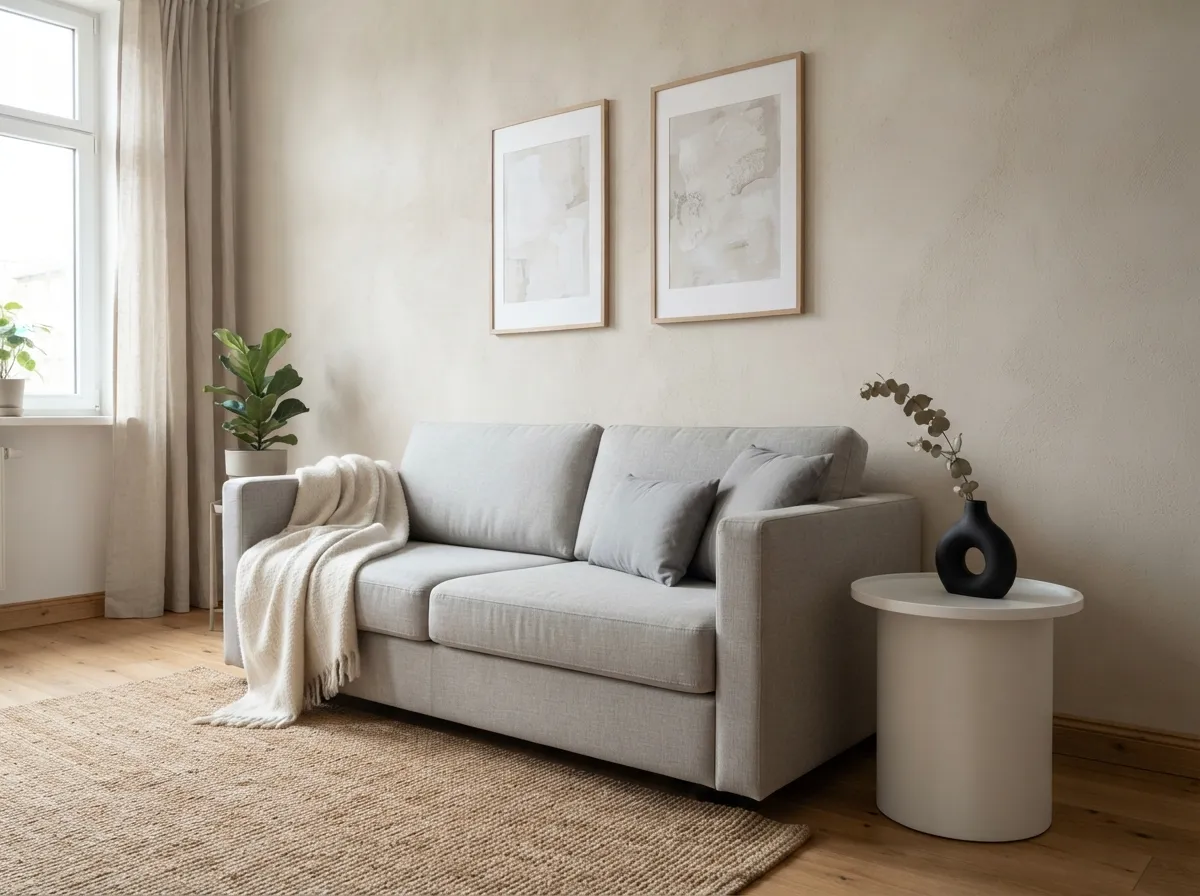
In a small minimalist living room, every decorative item must earn its place. Curating decor with intentionality means selecting pieces that truly resonate with your aesthetic and contribute to the room’s calm atmosphere, rather than merely filling space.
Think quality over quantity.
Consider a focal point such as a small gallery wall featuring just two or three framed abstract art pieces. These items, chosen for their neutral tones and elegant simplicity, add character without overwhelming the wall.
Each piece is deliberately spaced, creating a sense of balance.
Similarly, a single, well-chosen throw blanket draped over a compact sofa can introduce texture and warmth. Opt for natural fabrics and subtle patterns that complement the overall design.
On a sleek side table, a small, sculptural ceramic piece can serve as a quiet statement.
These carefully selected elements contribute to a cohesive and serene environment. By being highly selective, you ensure that each piece enhances the room’s personality, promoting a feeling of peace and purpose.
15. Incorporate Lightweight, Flexible Furniture
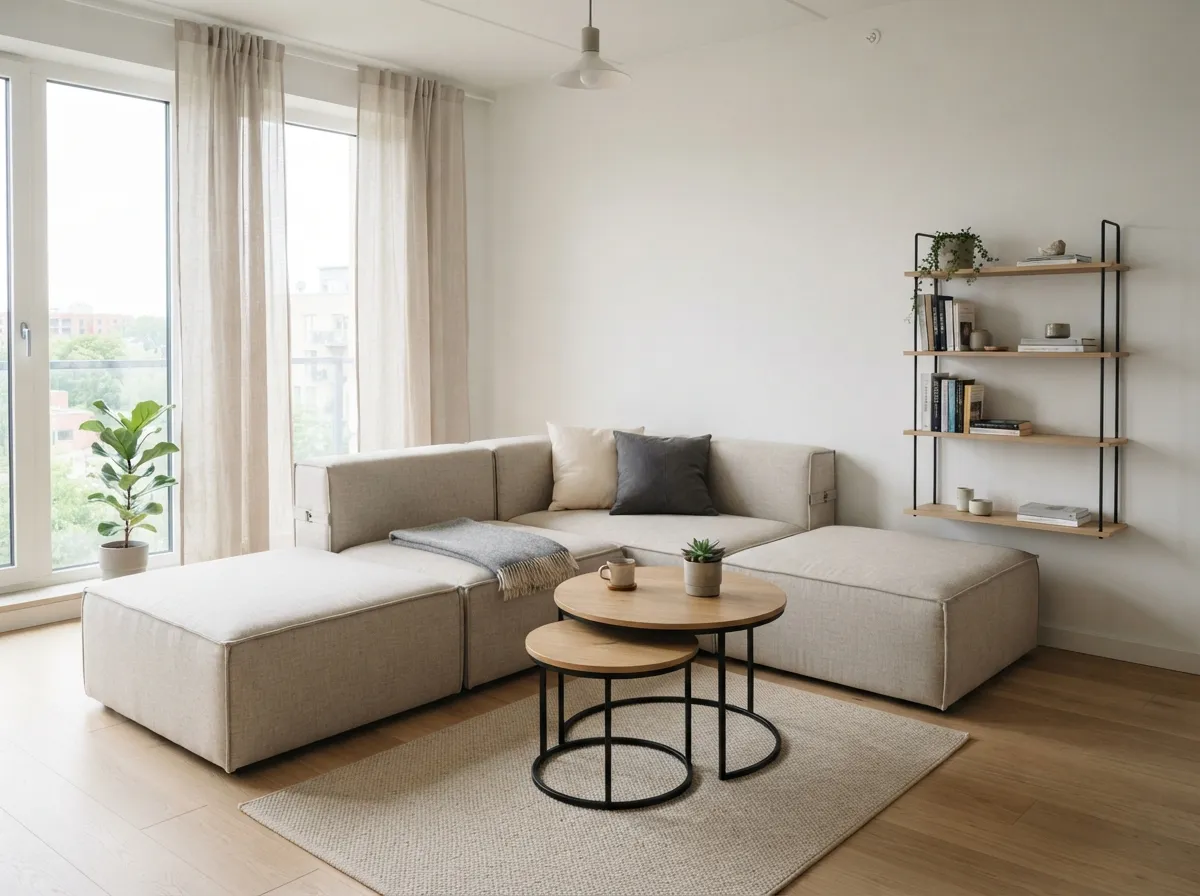
For small apartment living rooms, furniture that is both lightweight and flexible is an undeniable asset. Choosing pieces that can be easily moved or reconfigured allows your space to adapt to various needs, making it feel more versatile and less restrictive.
This approach maximizes utility without sacrificing style.
Envision a modular sofa composed of sections that can be separated and rearranged as needed, offering different seating configurations. This adaptability is key for entertaining or simply changing the room’s dynamics.
Pair this with nesting coffee tables.
A set of two tables, where one can be tucked neatly under the other, provides surface area when required and saves space when not. These pieces often feature light wood or slender metal frames, contributing to an airy aesthetic.
Even storage, like a slim, open-shelf bookcase, should feel light and unobtrusive. This furniture strategy ensures your small living room remains open, functional, and effortlessly chic, maintaining a harmonious flow and avoiding any heavy, static elements.
16. Utilize Wall-Mounted Shelving Efficiently
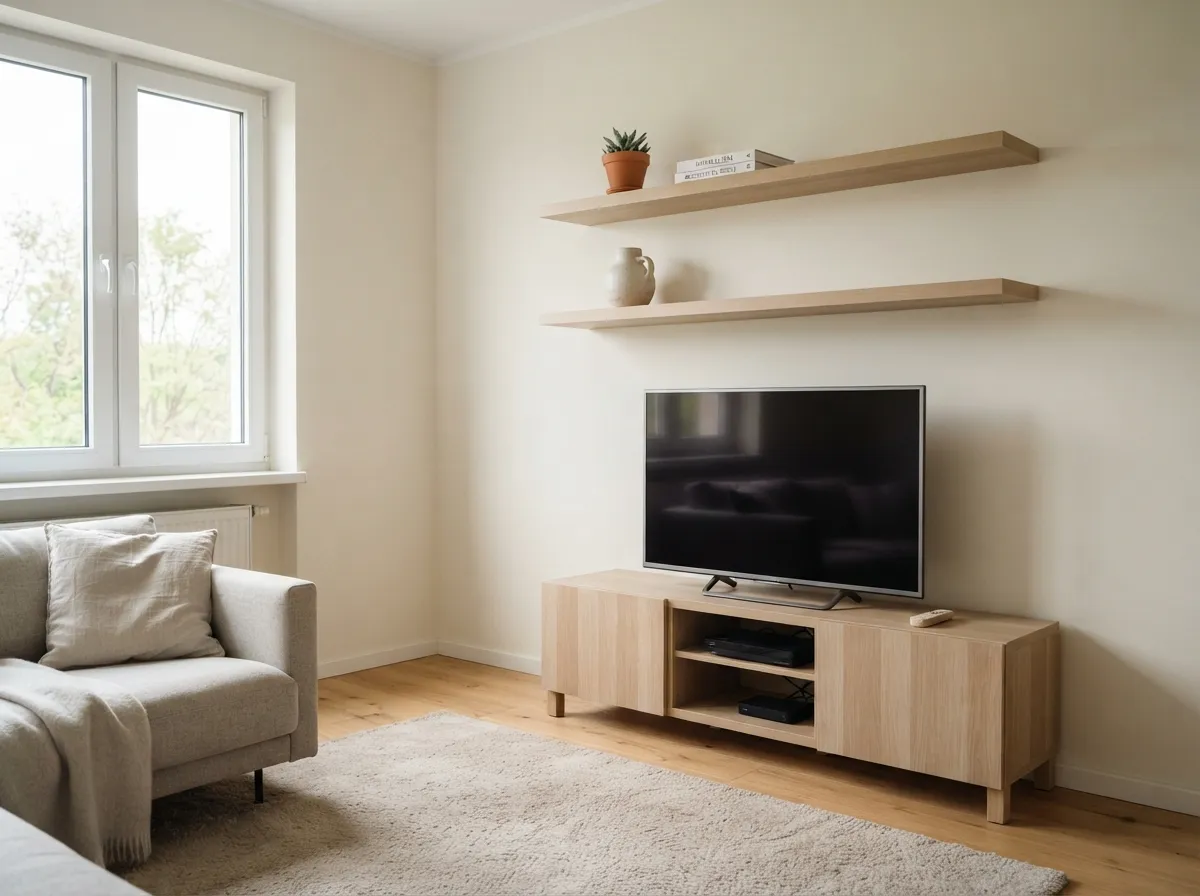
Wall-mounted shelving is a cornerstone of smart design in smaller living rooms. These floating units free up valuable floor space, making your apartment feel more open and expansive.
They allow you to utilize vertical dimensions effectively, transforming empty walls into practical storage or display areas. Consider shelves crafted from light-toned wood or sleek metal to maintain a bright and airy aesthetic.
They can hold a few essential items like books, a small plant, or a curated decorative object, keeping surfaces clear below. This approach ensures your living area remains tidy and visually uncluttered, aligning perfectly with minimalist principles while enhancing functionality.
17. Position Art Thoughtfully at Eye Level
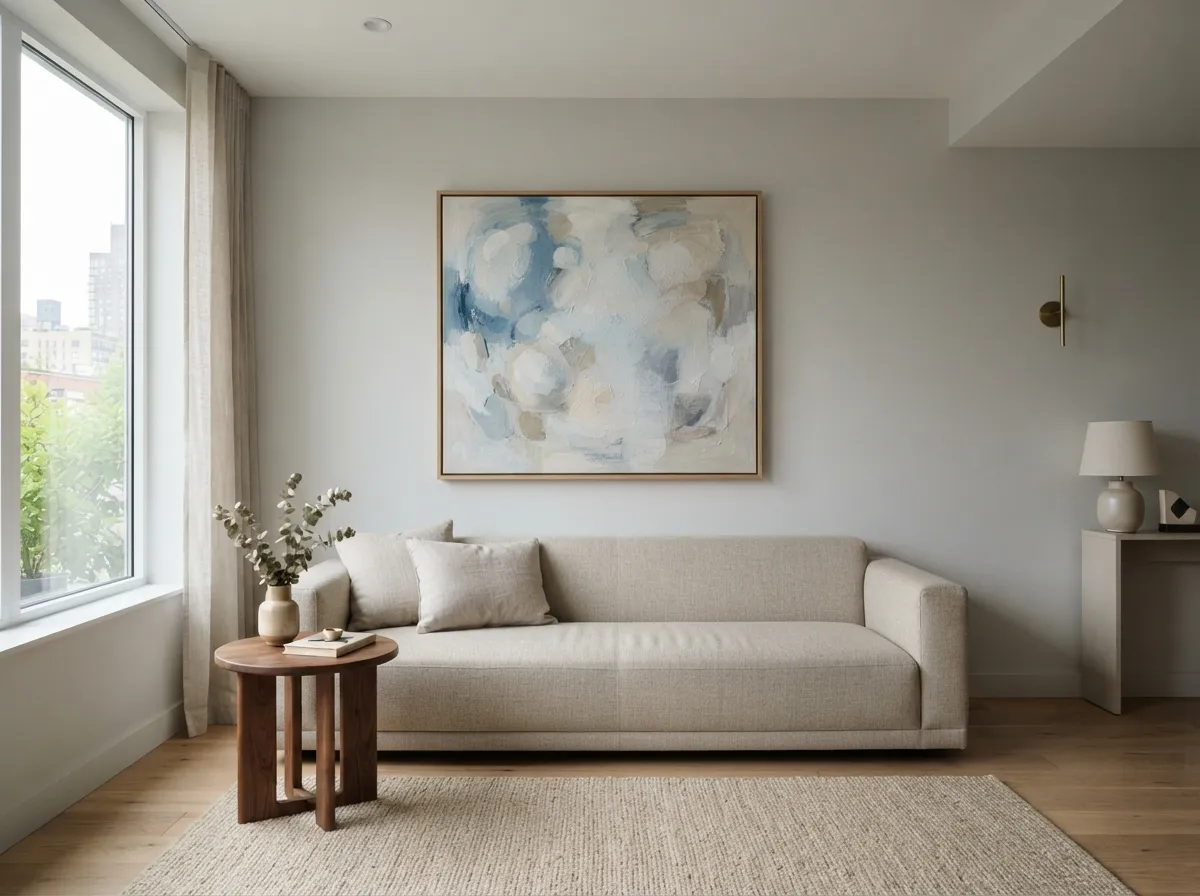
The strategic placement of art can significantly define a minimalist living room without introducing clutter. A single, impactful piece of artwork, thoughtfully positioned at eye level, becomes a focal point that draws attention upward and creates visual depth.
This approach prevents walls from feeling bare while maintaining a clean, uncluttered aesthetic. Select a piece with a simple frame and a calming color palette to complement your existing decor.
Ensure it is hung centrally or strategically above key furniture like a sofa, creating balance and harmony. This intentional display makes a statement, enriching the room’s character without overwhelming its modest proportions.
18. Discover Hidden Storage Solutions
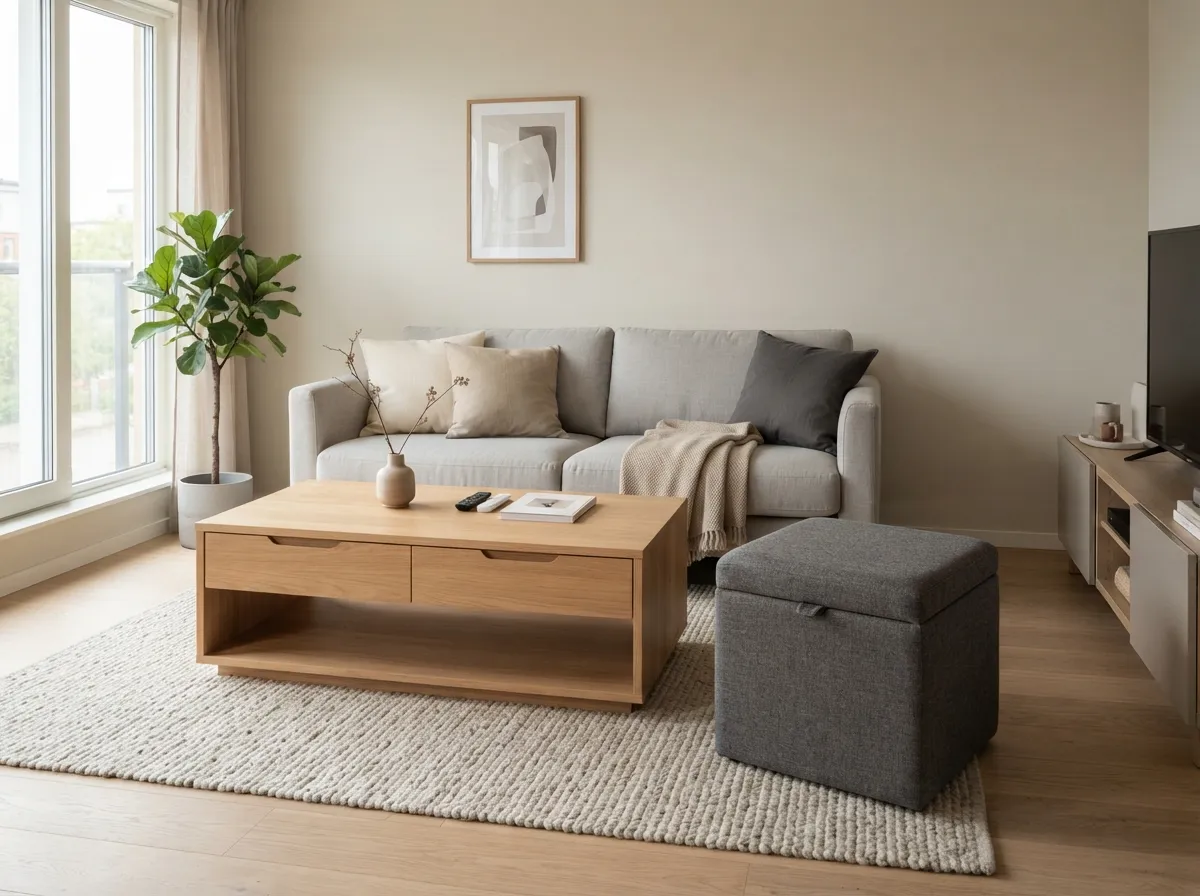
In a small apartment, uncovering hidden storage solutions is fundamental to maintaining a minimalist environment. Multifunctional furniture pieces are excellent choices, offering practicality without sacrificing style.
Look for items like an ottoman with a lift-off top for blankets or magazines, or a coffee table featuring discreet drawers. A bench with built-in compartments can provide both seating and storage.
These smart solutions help you keep everyday items out of sight, preventing visual chaos. By integrating storage seamlessly into your furniture, you ensure your living room always appears neat and inviting, supporting a calm and ordered living experience.
19. Select Simple and Functional Window Dressings
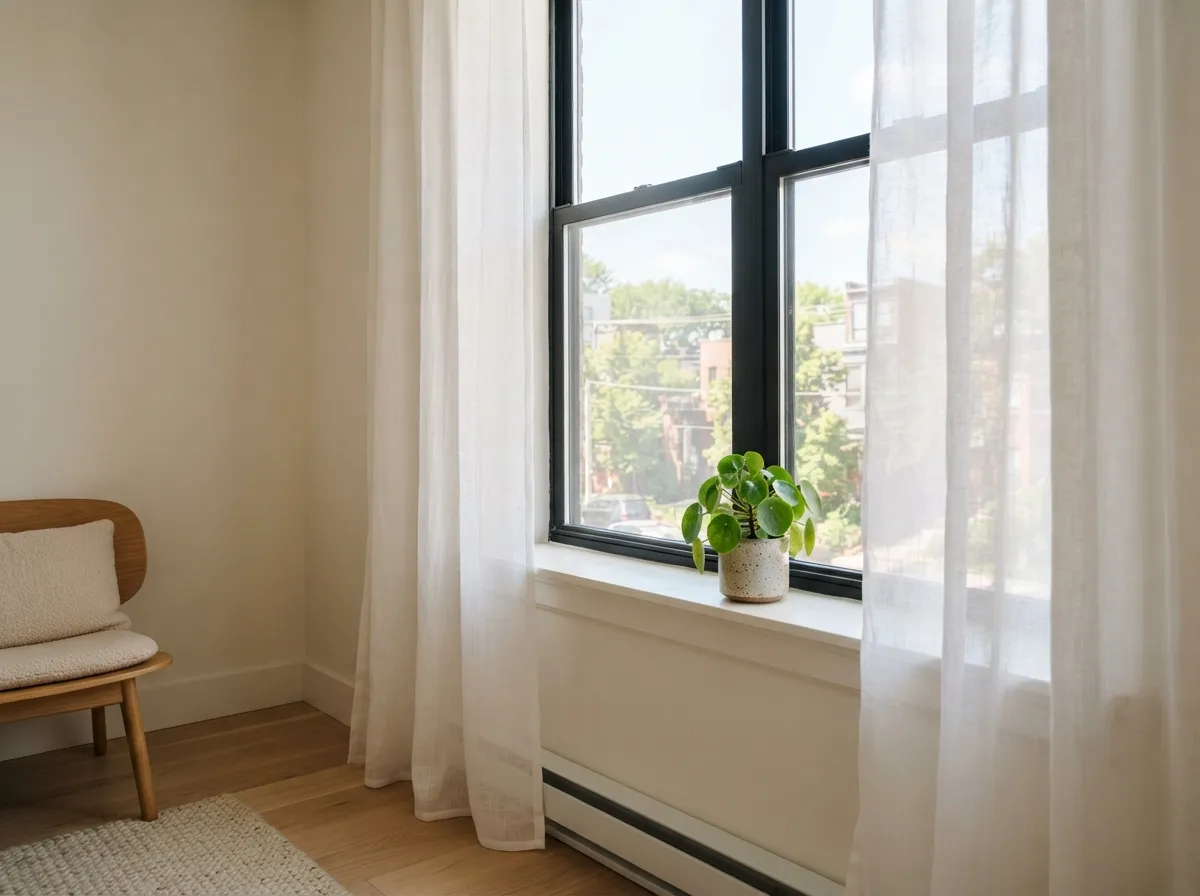
Window dressings play a crucial role in regulating light and privacy while influencing the perception of space. For minimalist small apartments, opting for simple and functional choices is key.
Consider light, sheer curtains in white or neutral tones that allow natural light to filter through, enhancing the room’s brightness and making it feel larger. Roller blinds or Roman shades in a plain fabric also offer a clean look and precise light control.
Avoid heavy drapes or overly patterned fabrics, which can visually shrink the room. The goal is to maximize natural light and maintain an unobstructed view, contributing to an open and airy ambiance.
20. Introduce Minimalist Greenery for Life
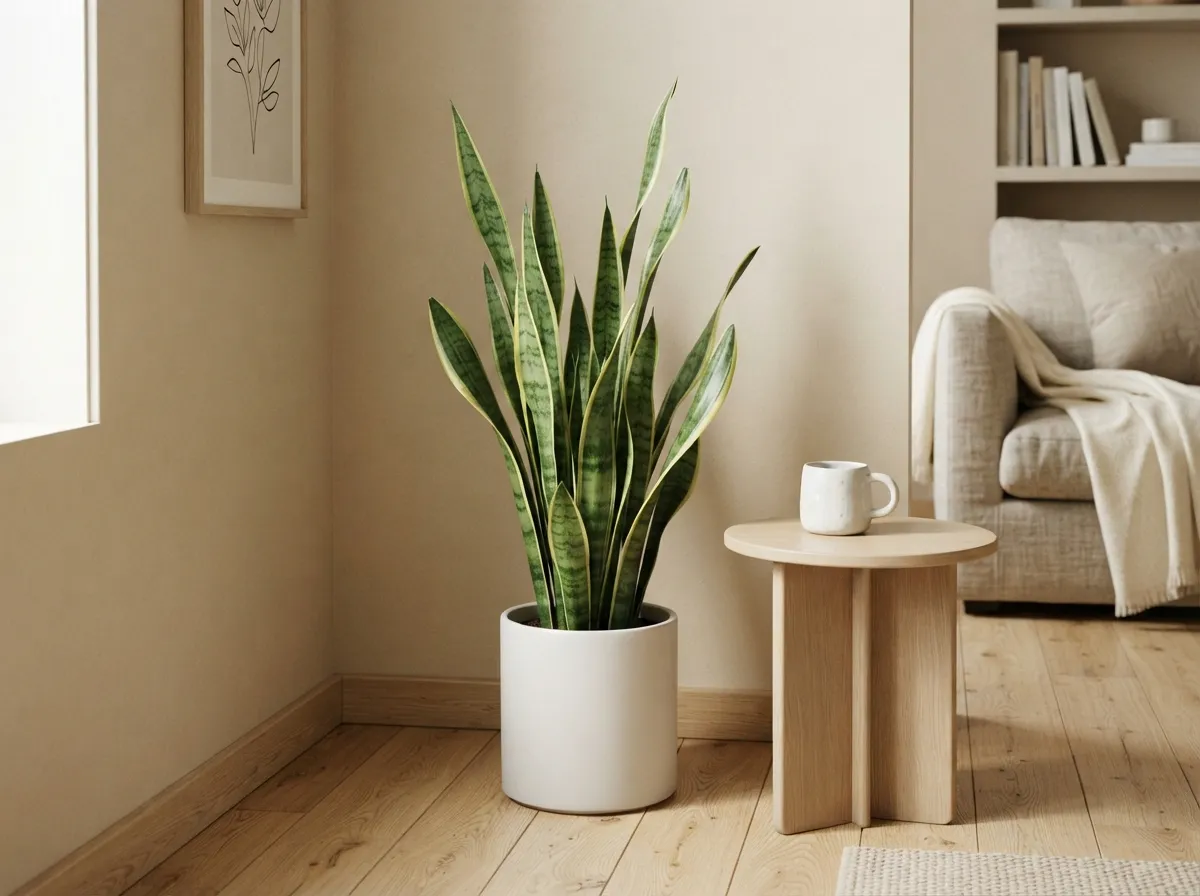
Bringing natural elements into your living room through minimalist greenery can instantly add warmth and vitality. Even in a small space, a carefully chosen plant can introduce an organic touch without overwhelming the area.
Select a single, elegant plant like a snake plant or a small fiddle leaf fig in a simple, unadorned ceramic pot. Place it on a side table or on the floor in a corner where it receives adequate light.
These living accents purify the air and provide a sense of calm. The aim is to enhance the room’s atmosphere with subtle, natural beauty, complementing the clean lines of minimalist design.
21. Leverage Reflective Surfaces for Brightness
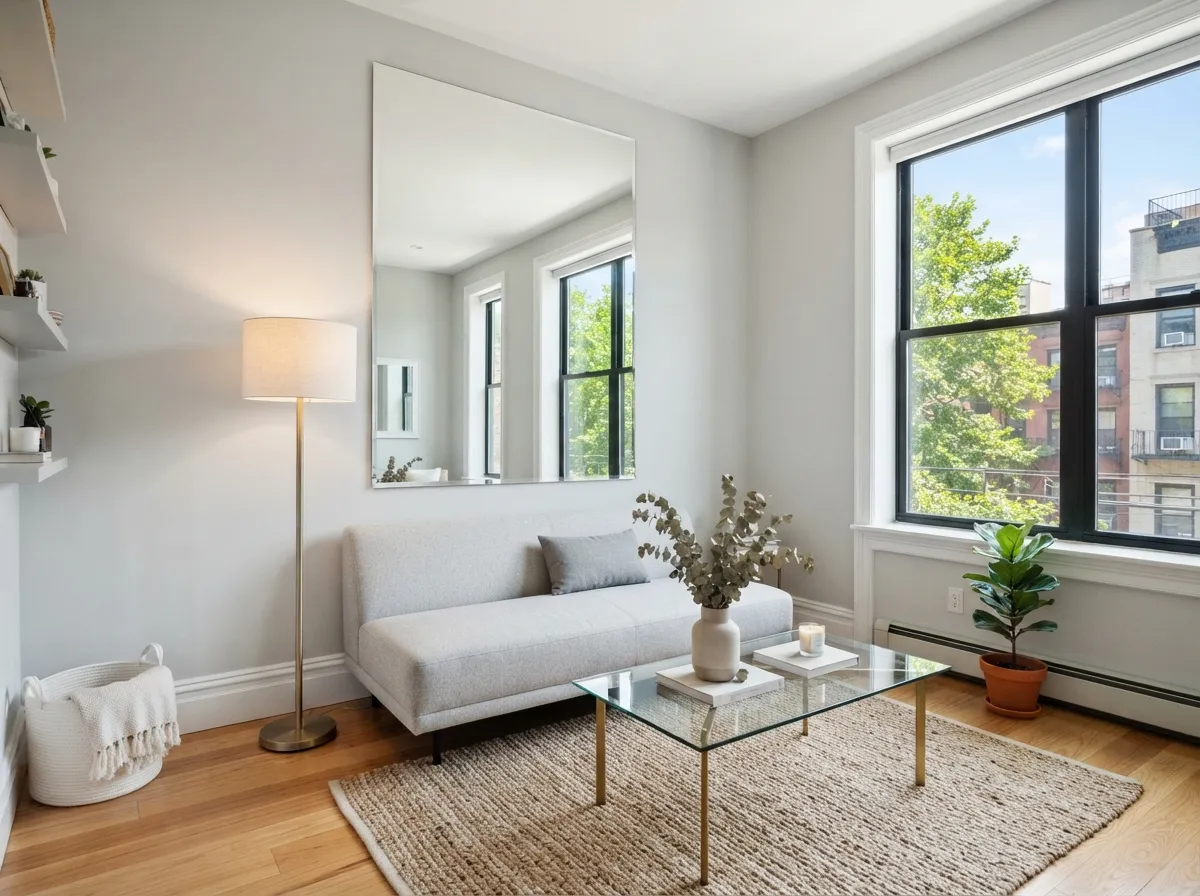
In smaller apartments, creating an illusion of space is paramount. Reflective surfaces are key allies in this endeavor, bouncing natural light throughout your living room.
Consider integrating elements like a large, unframed mirror on a prominent wall. This effectively doubles the visual depth of the room, making it feel more open and airy.
A sleek, glass-top coffee table also contributes to this effect, allowing light to pass through rather than blocking it. Additionally, subtle metallic accents on lamps or decor can catch and reflect light, enhancing the overall brightness and making your minimalist space feel larger and more inviting.
22. Employ Open Shelving for Essentials
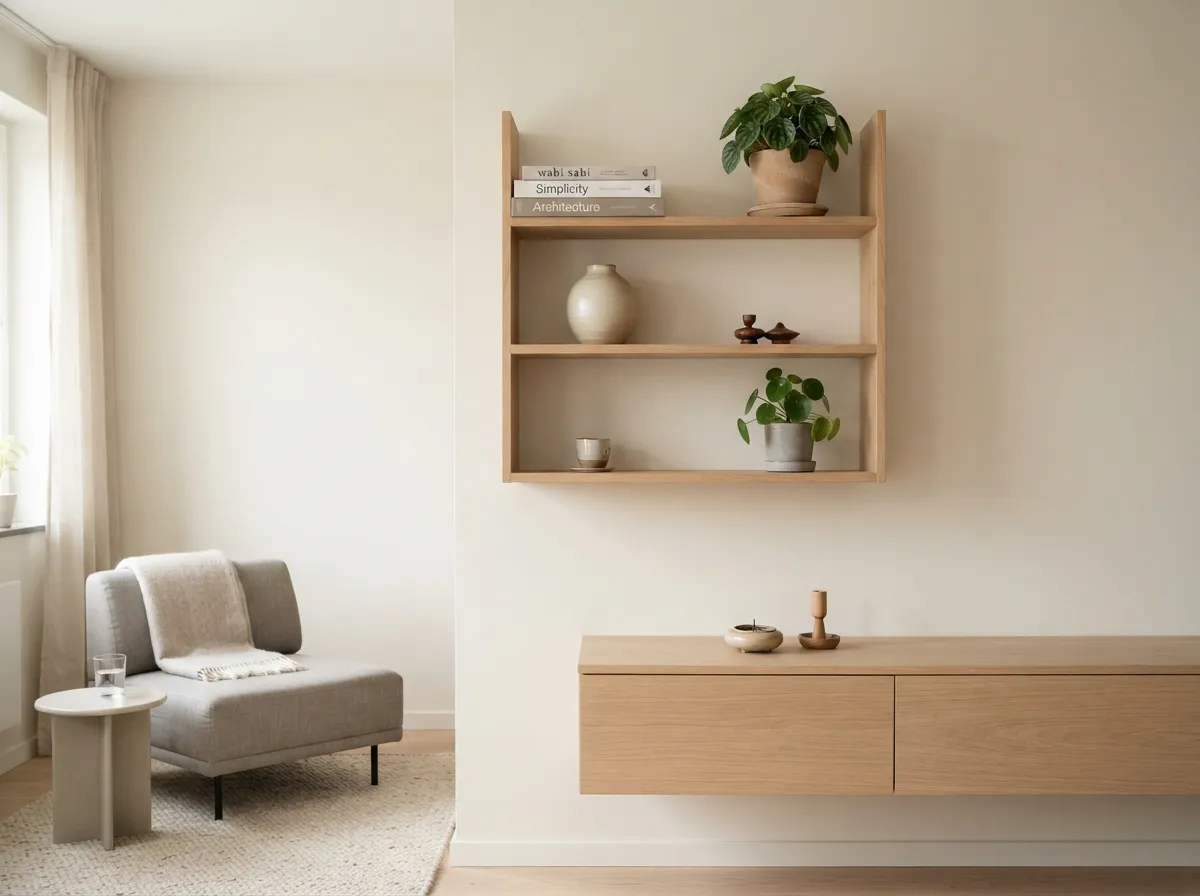
Open shelving offers a practical and aesthetically pleasing solution for storing essentials in a minimalist living room. The key is to keep these displays thoughtfully curated, avoiding any sense of clutter.
Select a few meaningful items, like a small collection of books, a single piece of handcrafted pottery, or a vibrant plant, to add character. Shelving crafted from light wood or sleek metal maintains the minimalist aesthetic.
This approach allows you to showcase personal touches while keeping the overall space feeling open and airy, rather than heavy and enclosed.
23. Neatly Conceal All Wires and Cords
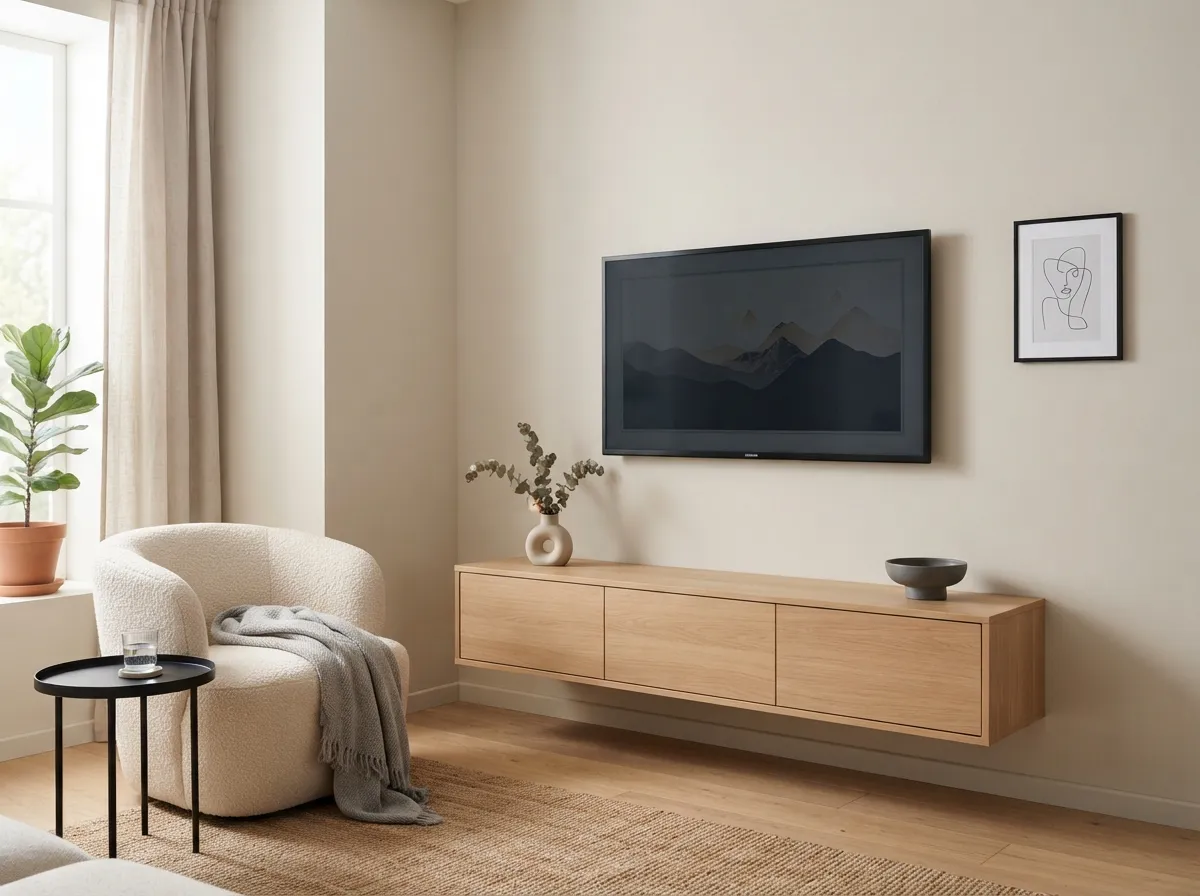
A truly minimalist living room thrives on visual simplicity and a complete absence of clutter. Visible wires and cords can instantly detract from this clean aesthetic, creating an untidy impression.
Invest in smart solutions like cord covers that blend with your wall color, or furniture pieces designed with integrated cable management channels. For televisions, consider wall-mounting and routing cables discreetly behind the wall or through a low-profile media console.
This meticulous attention to detail ensures your space feels polished and perfectly ordered.
24. Establish a Cohesive Room Flow
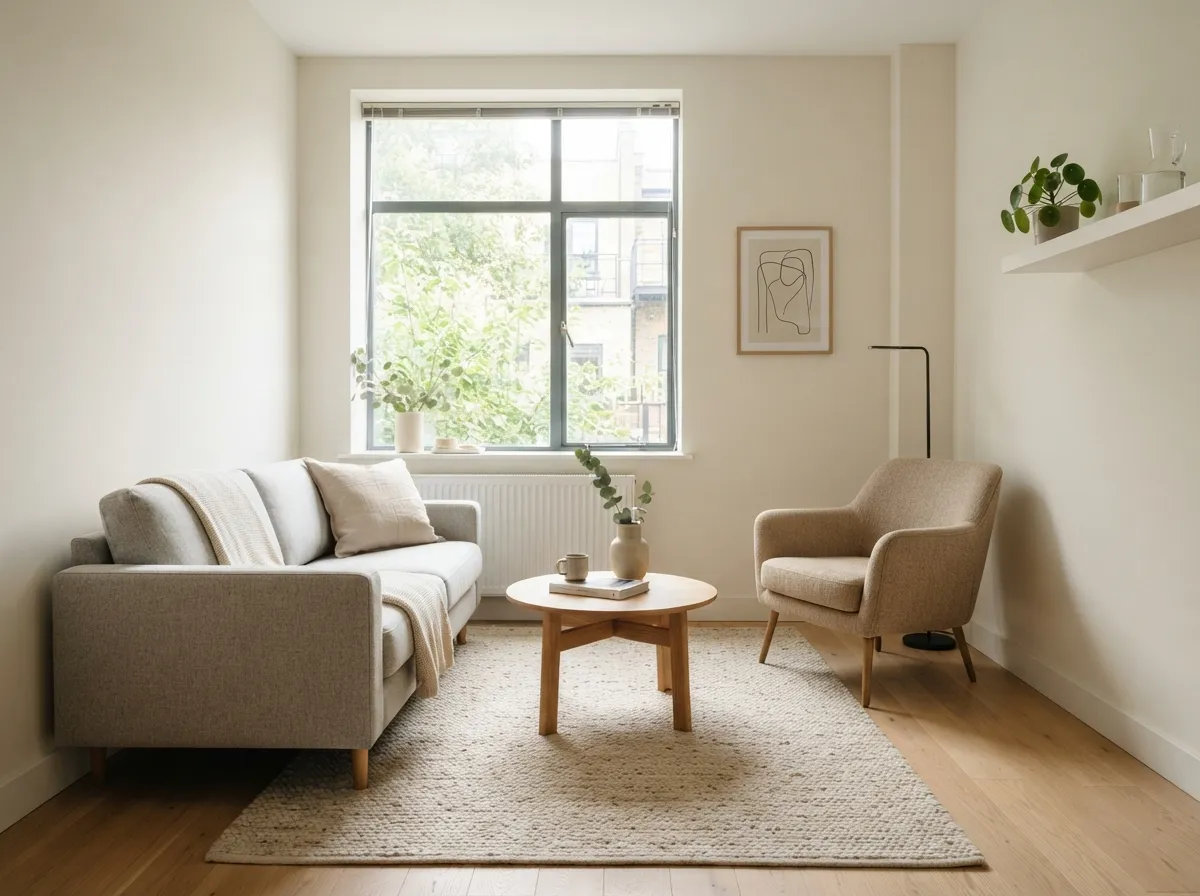
Creating a seamless and cohesive flow is vital for any small apartment living room. This involves arranging furniture in a way that encourages easy movement and maintains clear pathways.
Every piece should feel purposeful and contribute to the overall harmony of the space. Opt for furniture that is appropriately scaled for your room, avoiding oversized items that can overwhelm.
The goal is to create a calm and unified environment where furniture pieces complement each other in style and color, fostering a sense of effortless continuity. This thoughtful arrangement enhances both functionality and aesthetic appeal.
25. Add Personal Touches Without Excess
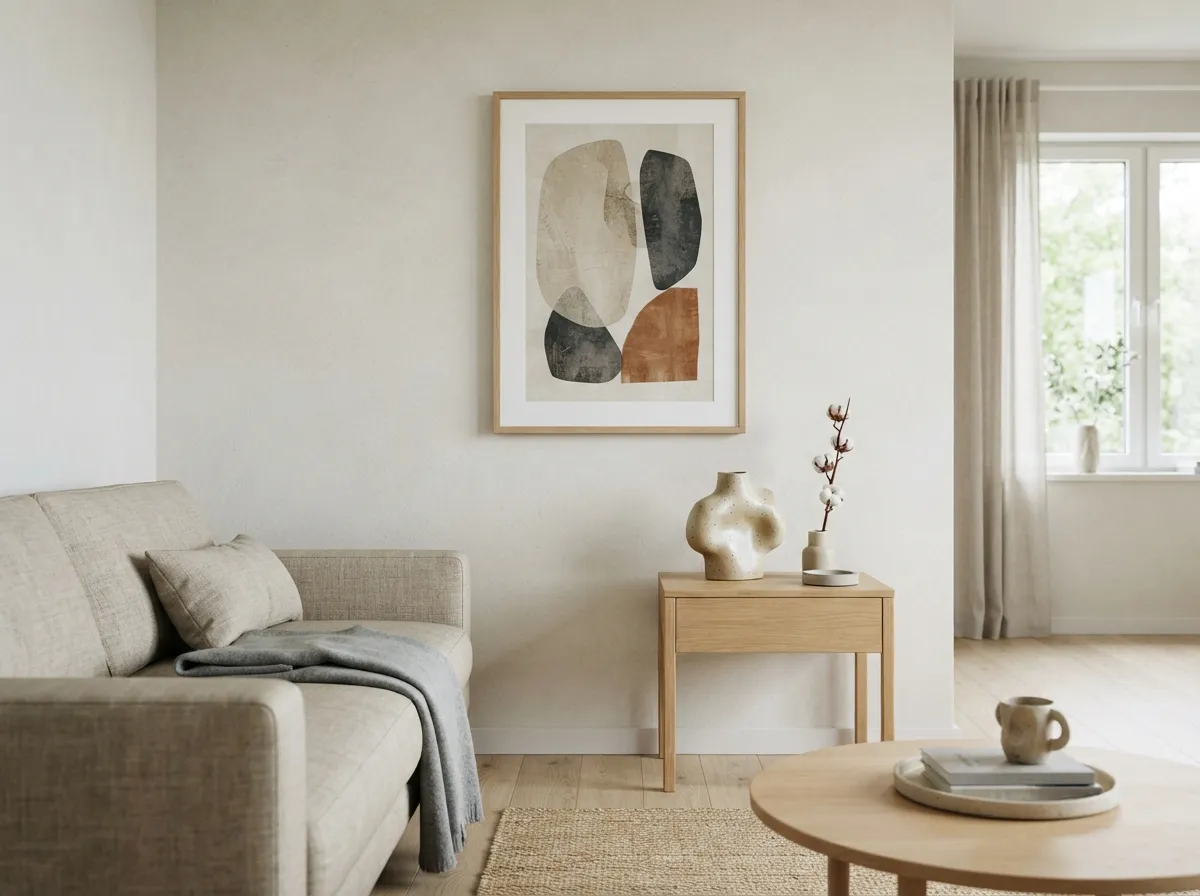
Personalizing your minimalist living room doesn’t mean sacrificing simplicity. The key is to be highly selective, choosing a few meaningful items that resonate deeply with you.
Instead of multiple small trinkets, opt for one significant piece of art that makes a statement on a clean wall. A cherished ceramic sculpture or a single, beautifully bound book can add personality without introducing clutter.
These carefully curated elements infuse warmth and individuality into your space. They serve as focal points, reflecting your style while adhering strictly to minimalist principles.
26. Optimize Every Corner with Purpose
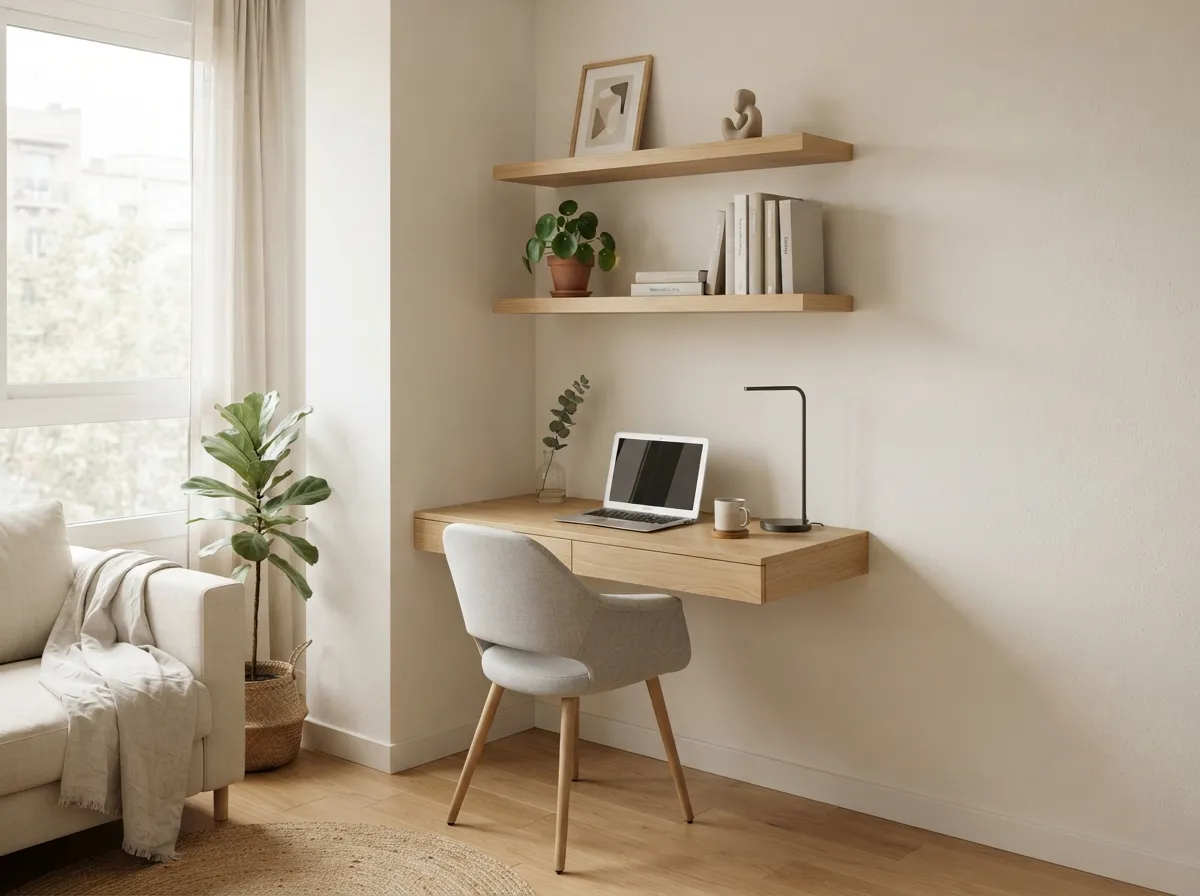
Even in the smallest apartments, every corner holds significant potential for added utility. Consider integrating a compact, wall-mounted desk that folds away when not in use.
This clever solution creates a dedicated workspace without consuming precious floor space permanently. Alternatively, a slim bookcase can fill an awkward nook, providing essential storage and a place to display cherished personal touches.
Utilizing vertical space with floating shelves also helps keep surfaces clear and organized, enhancing the room’s open feel. Each element should serve a clear purpose, contributing to a tidy, efficient, and aesthetically pleasing living area.
Intentional placement ensures functionality without clutter.
27. Prioritize Texture for Visual Interest
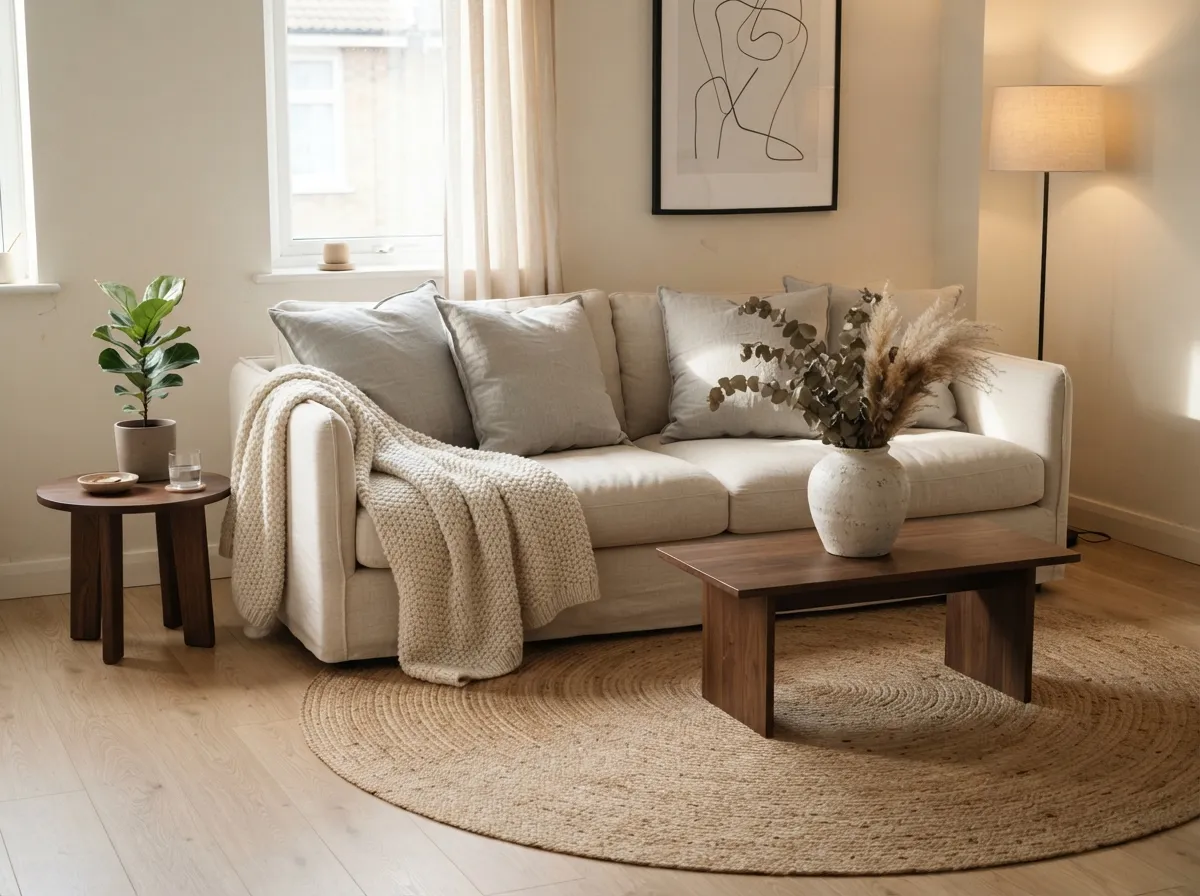
Bringing different textures into a minimalist living room is absolutely key to creating depth and warmth without adding visual clutter. Think about incorporating a chunky knit throw blanket draped casually over your sofa.
This immediately adds a tactile dimension that invites comfort and relaxation, making the space feel more lived-in. Pair this with linen throw pillows, offering a subtle contrast in feel and appearance.
A natural fiber rug, like jute or wool, anchors the space beautifully, grounding the design. These carefully chosen elements provide rich visual interest and a sense of coziness, ensuring your minimalist room remains serene and inviting.
Embracing minimalism in your small living room creates a serene, functional, and visually appealing space. By focusing on essentials and smart design, you can achieve an open, inviting atmosphere. These 27 ideas offer practical ways to enhance your compact home, proving that thoughtful design can make any small area feel expansive and tranquil.