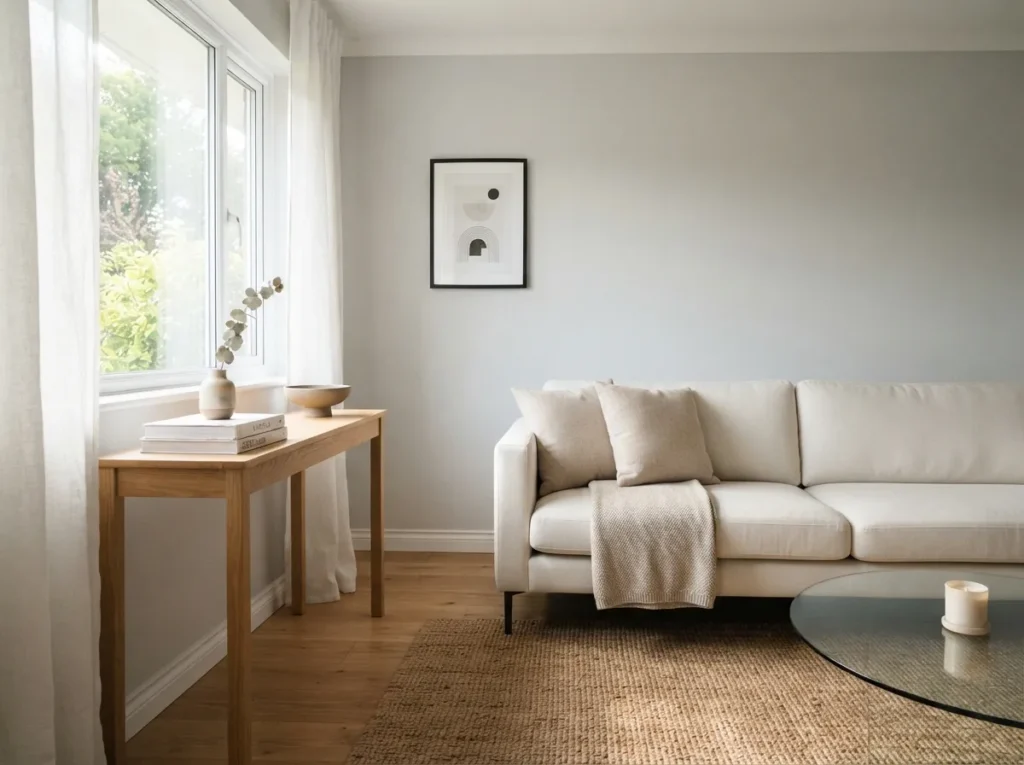
Achieve a serene, decluttered living room without major renovations. This guide offers 25 practical, budget-friendly ideas for a minimalist refresh. Discover how simple rearranging and thoughtful additions can transform your space into a calm, inviting sanctuary, all in just one weekend.
1. Declutter Ruthlessly: Remove All Non-Essentials
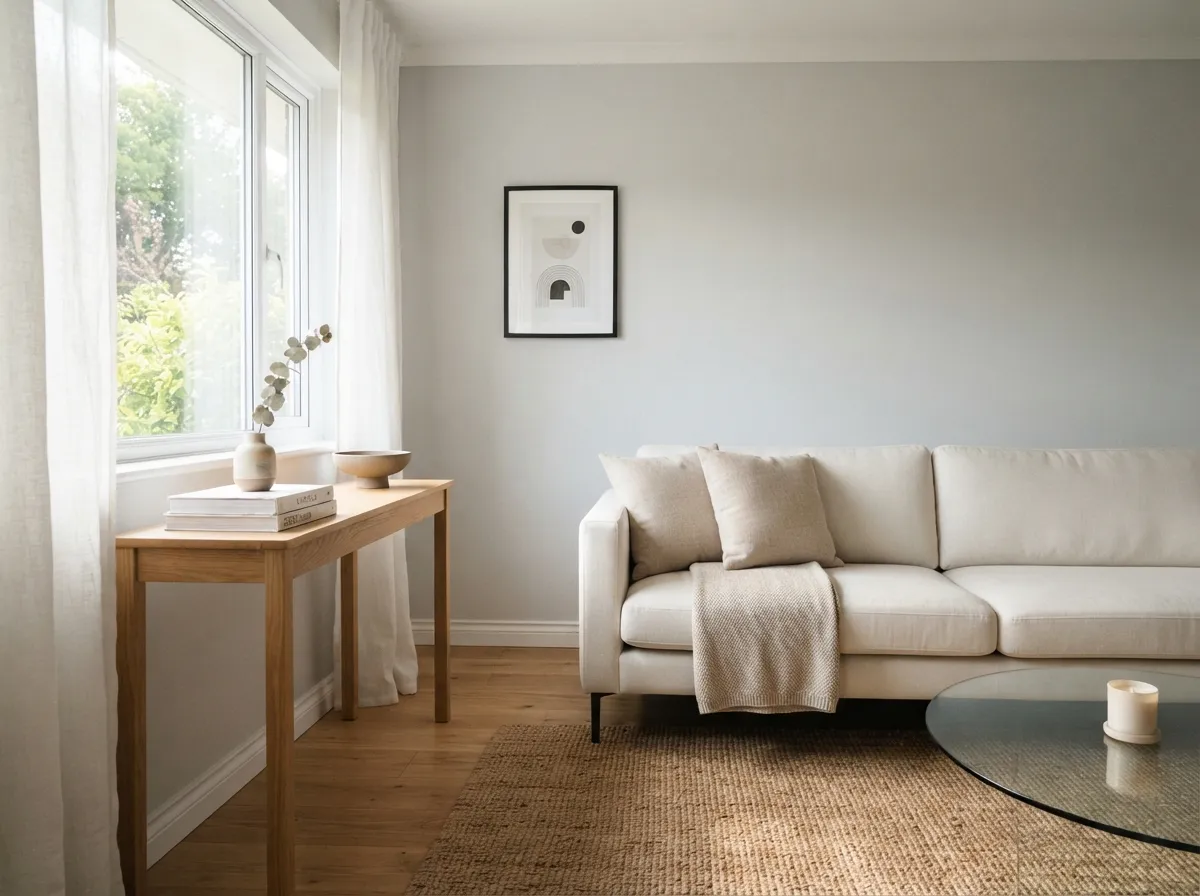
Begin your minimalist journey by confronting clutter head-on. Every item in your living room should earn its place.
Consider what truly serves a purpose or brings you joy.
Remove anything that does not fit these criteria. This includes decorative items that simply accumulate dust or rarely used gadgets.
A clear surface instantly creates a sense of calm.
This process is about curating your space, not emptying it. You are making room for clarity and intention.
The goal is to achieve an environment that feels light and organized.
Notice the renewed sense of openness. Pale walls and light wood furniture now stand out, reflecting an overall peaceful atmosphere.
This intentional removal sets the stage for genuine comfort.
2. Define Furniture Zones for Better Flow
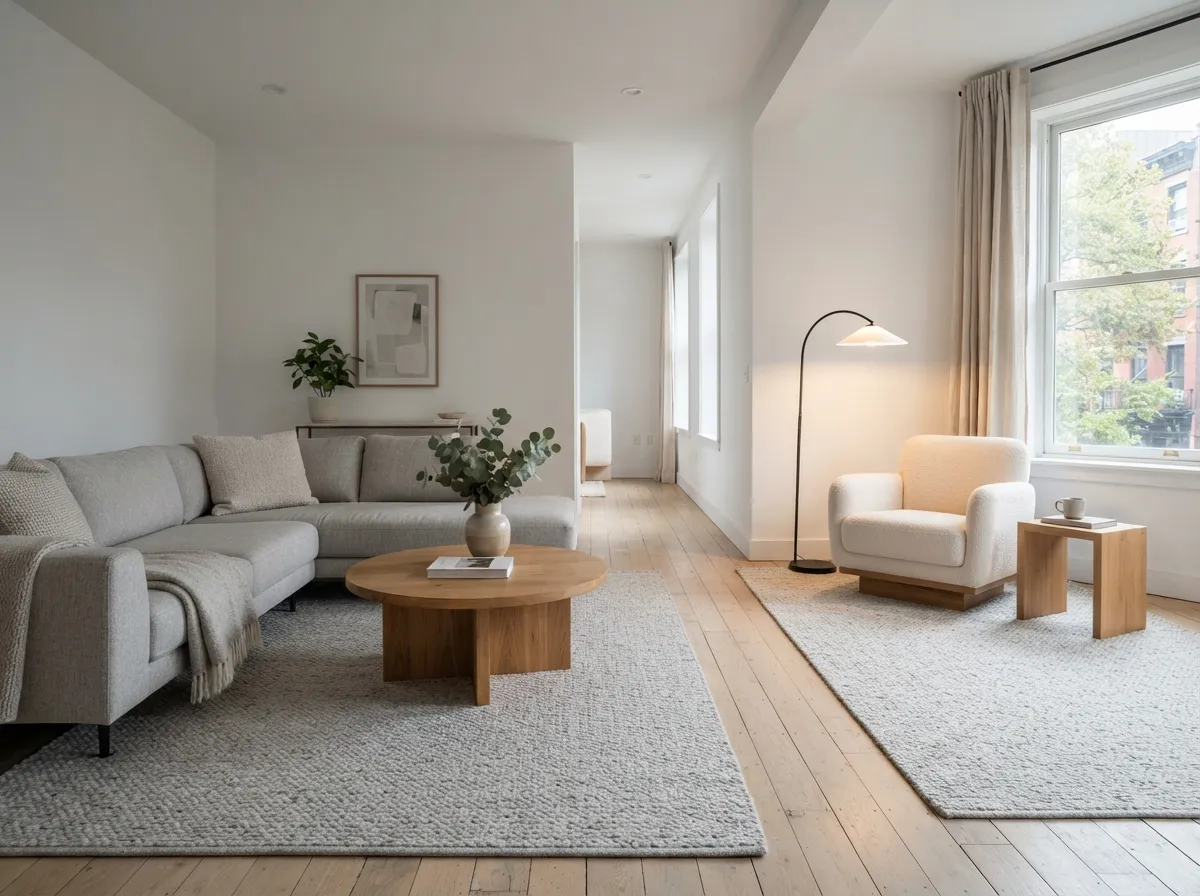
Even without adding new pieces, you can significantly improve your living room’s flow by defining distinct zones. Think about the various activities that happen in your space.
Perhaps there is a primary seating area for conversation and a smaller, quieter corner for reading. Arranging your furniture to delineate these areas creates immediate structure and purpose.
Use area rugs or the natural placement of larger furniture pieces, like a sofa or an armchair, to visually separate these functions. This approach keeps the room feeling cohesive yet segmented.
Observe how a well-placed accent chair with a small side table can mark a personal nook, while the main sofa and coffee table clearly establish the social hub. The clear pathways between these zones enhance navigability.
3. Rearrange Seating for Conversation
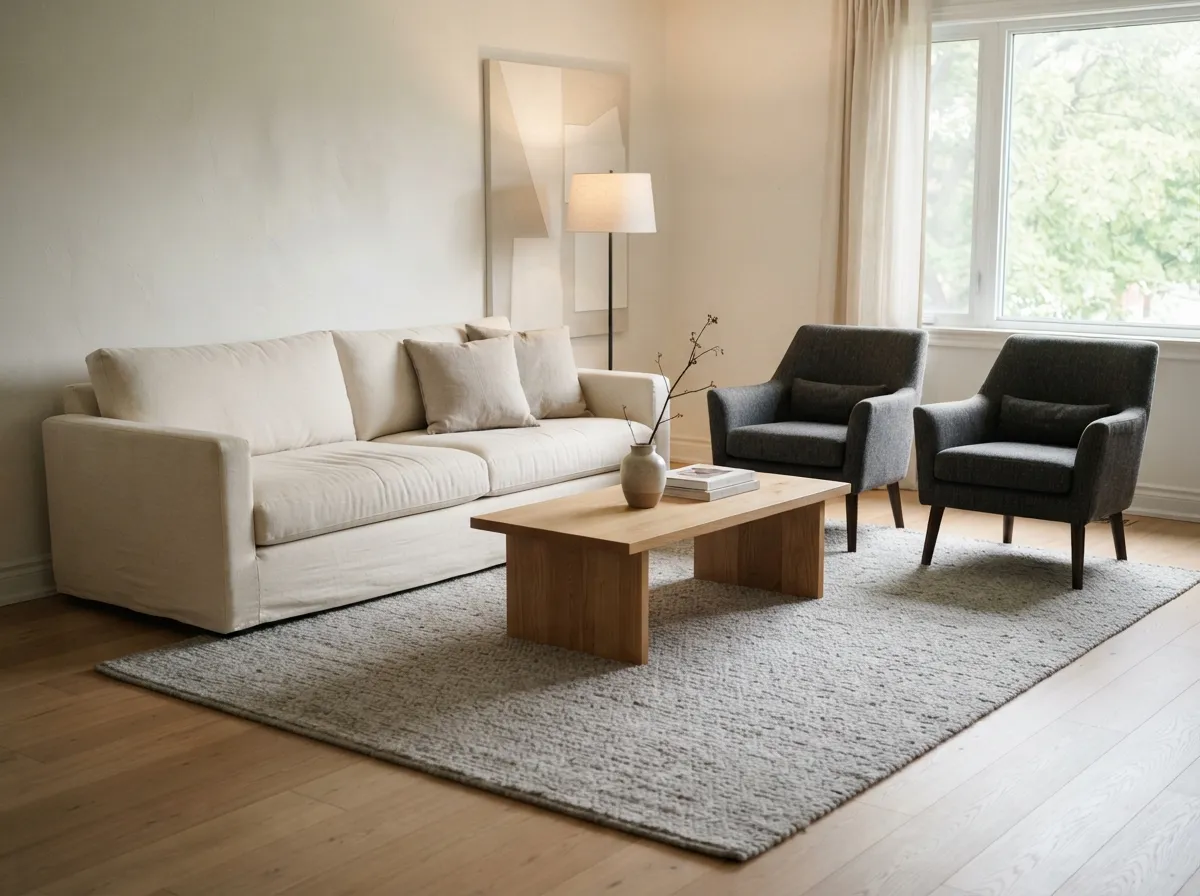
The way your seating is arranged heavily influences social interaction. In a minimalist space, every furniture placement should be deliberate, especially when it comes to encouraging dialogue.
Aim to create an intimate setting where guests can easily engage with one another. Pull your main sofa slightly away from the wall and position accent chairs to face it, or each other, across a central point.
This simple adjustment removes barriers to communication, making the room feel more inviting. Ensure there is enough space to move around, but keep the core seating arrangement connected.
Imagine a large cream sofa and two charcoal grey armchairs gathered around a low, rectangular coffee table. This configuration naturally draws people together, fostering easy and enjoyable conversations.
4. Create a Single, Strong Focal Point
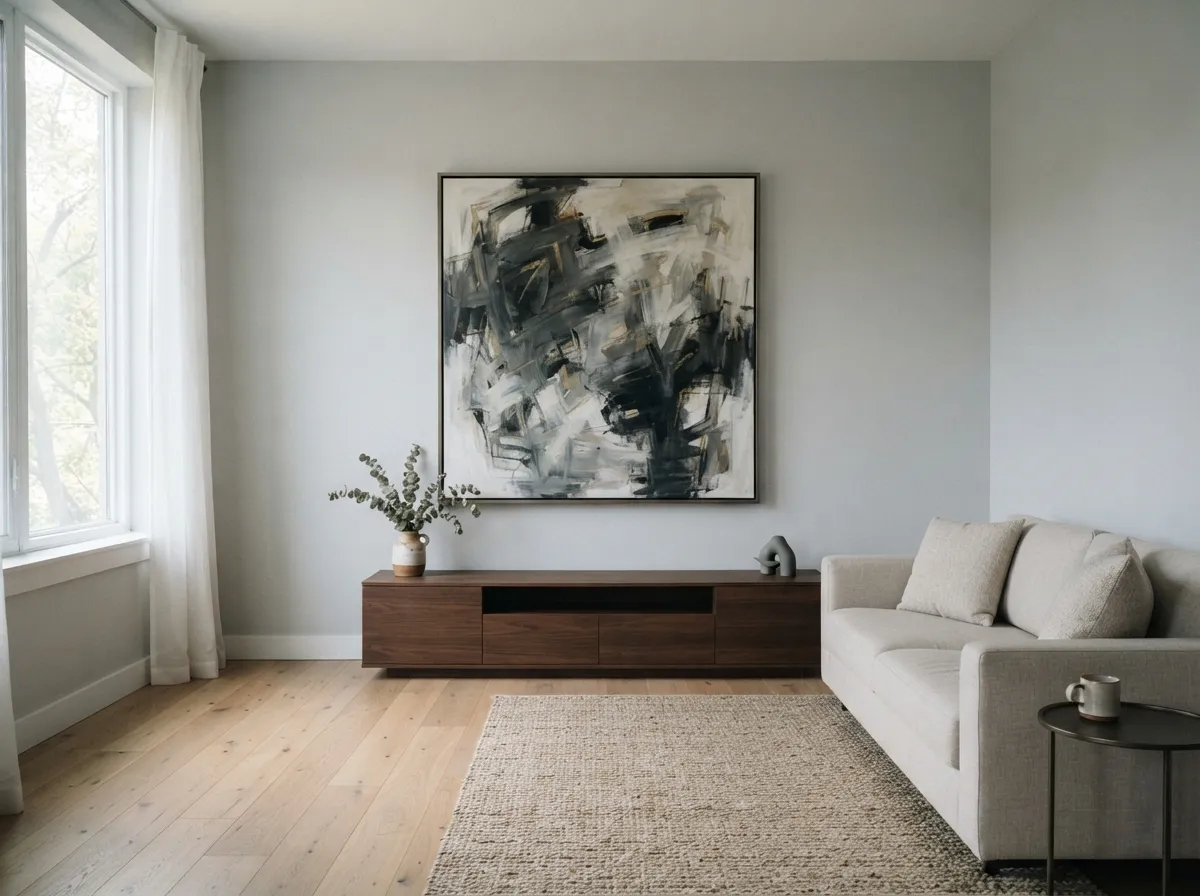
In minimalist design, a single, strong focal point guides the eye and anchors the room. This avoids visual clutter and provides a clear point of interest.
It doesn’t need to be grand, just intentional.
This could be a beautifully framed piece of abstract art, a simple yet elegant fireplace, or even a well-proportioned window with a view. The key is to select one element and allow it to command attention.
Ensure that surrounding elements support this focal point without competing with it. Keep other decorations minimal and subtle to maintain emphasis on your chosen feature.
Picture a clean white living room with a prominent, dark-framed abstract painting above a sleek, low-profile media console. This single piece of art becomes the undeniable heart of the room, drawing all eyes.
5. Optimize Natural Light Sources
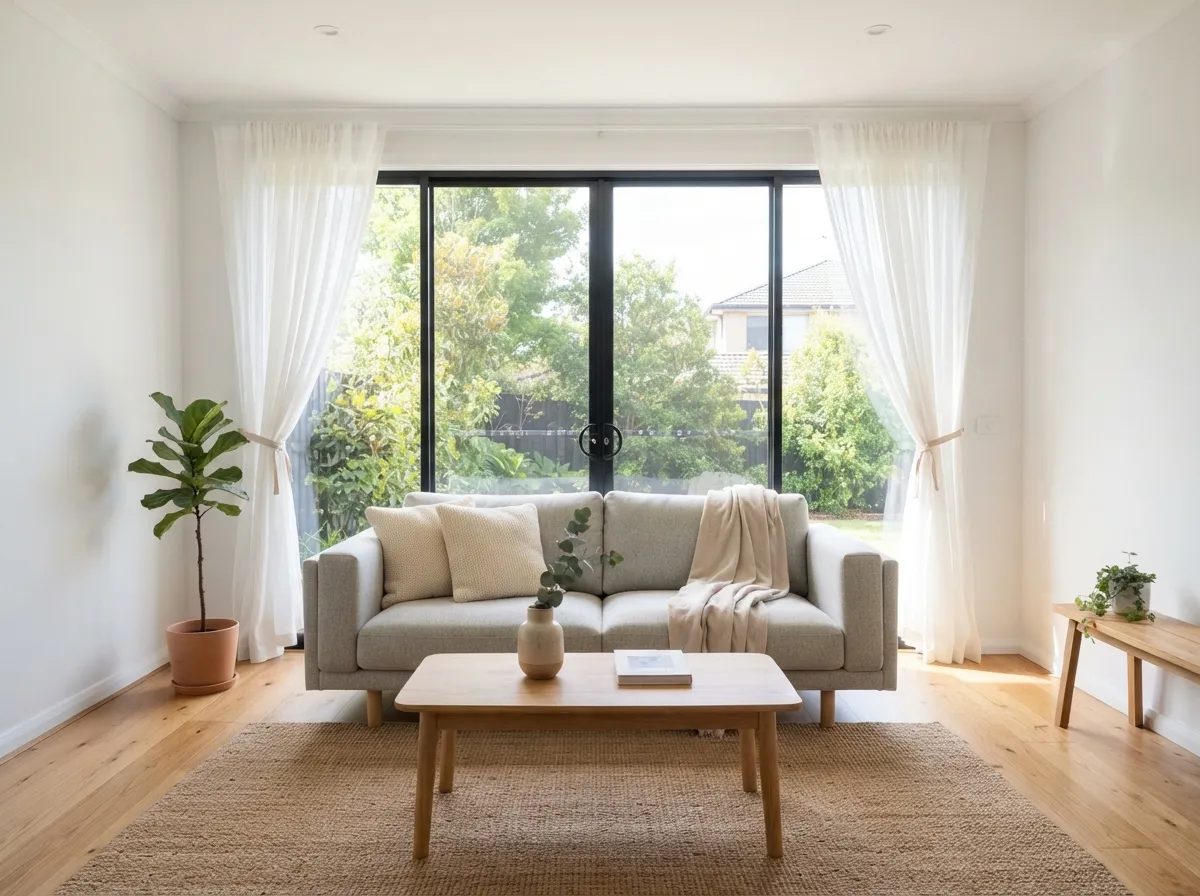
Harnessing natural light is fundamental to minimalist aesthetics, making a room feel larger, brighter, and more inviting. Review your windows and consider how you can maximize light entry.
Remove heavy drapes or blinds that block sunlight. Opt for sheer curtains or simple roller shades that allow light to filter through while still providing privacy when needed.
Clean windows also make a difference.
Strategically place mirrors opposite windows to reflect light deeper into the room, enhancing the overall luminosity. Keep window sills clear to avoid obstructing the flow of light.
Envision a living room bathed in abundant sunlight streaming through large, unobstructed windows dressed with only sheer white linen curtains. The bright, airy atmosphere feels incredibly refreshing and spacious.
6. Simplify Window Treatments
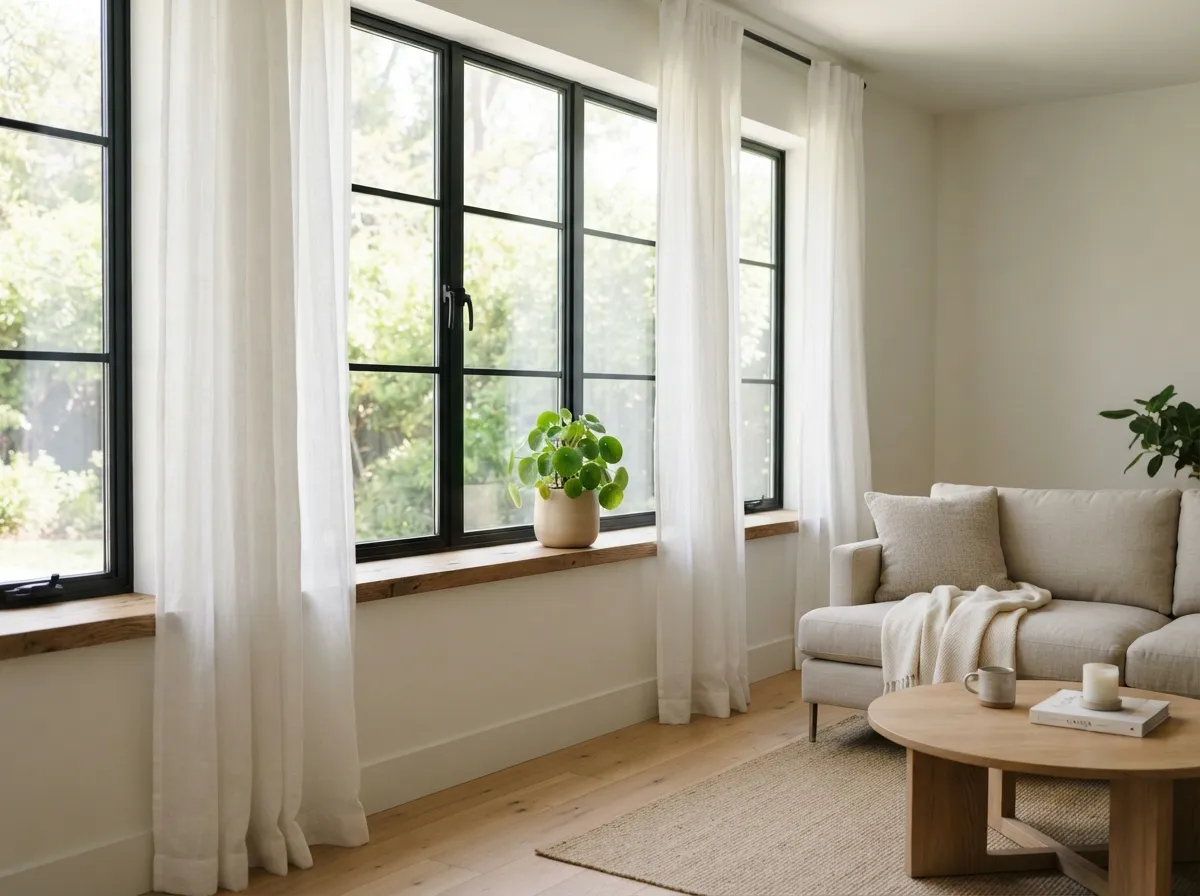
Heavy, ornate window treatments can often make a room feel cluttered and dark. Opt for simpler solutions to invite more natural light into your living area.
Consider replacing bulky drapes with lightweight, sheer curtains that filter sunlight gently. They offer privacy without sacrificing brightness, creating an open and airy feel.
Alternatively, sleek roller blinds or simple linen shades provide a clean aesthetic. Choose light, neutral colors like soft white, cream, or natural linen to enhance the sense of space and tranquility, aligning perfectly with a minimalist approach.
7. Curate a Minimalist Art Display
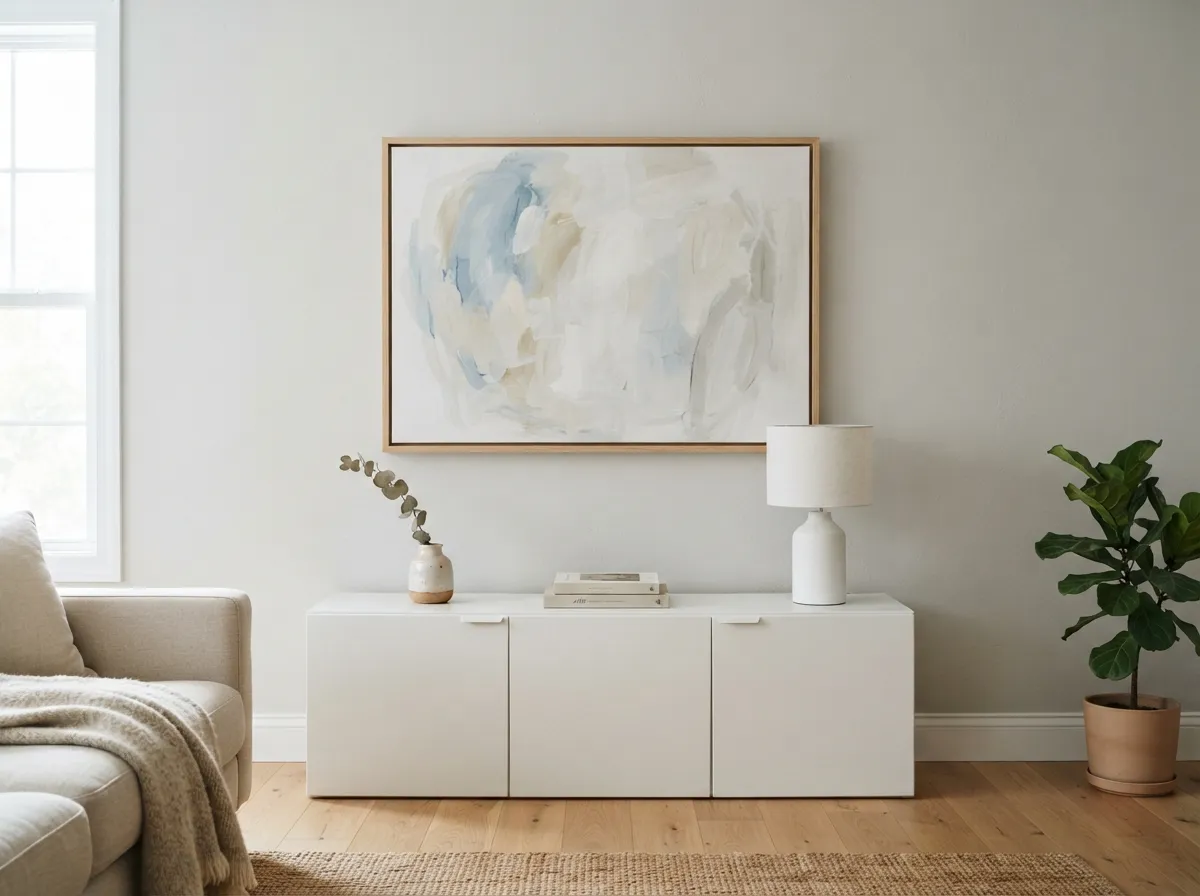
Art can elevate a minimalist space when chosen thoughtfully. Instead of many small pieces, focus on one or two significant works that resonate with you.
A single large-scale piece of abstract art or a serene landscape can serve as a focal point. If you prefer a collection, create a small, balanced gallery wall with two or three pieces in simple, consistent frames.
Opt for frames in natural wood tones or sleek black and white. This approach ensures your art adds interest and personality without overwhelming the room, maintaining visual calm against a light grey wall.
8. Incorporate a Statement Mirror
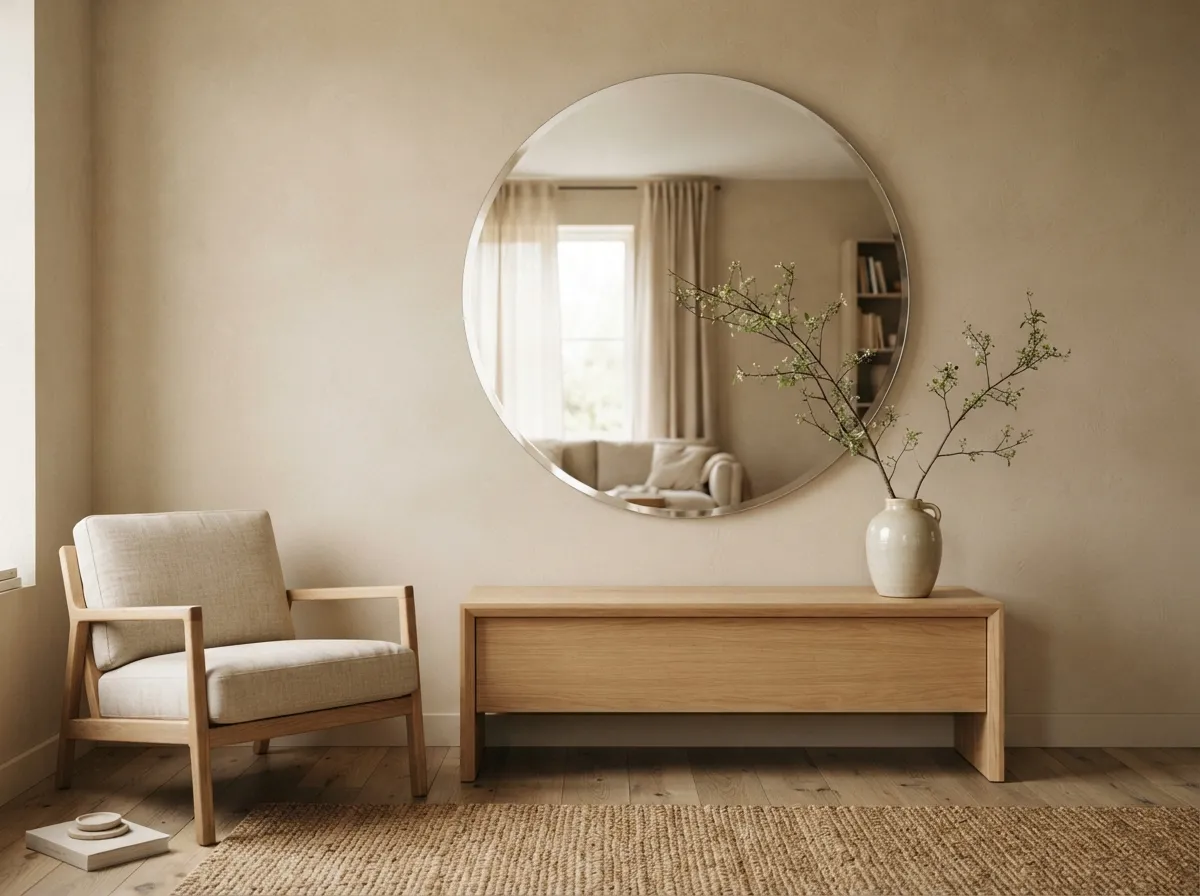
A well-placed mirror can dramatically impact a living room’s perception of space and light. Choose a large statement mirror, either round or rectangular, to reflect light and make the room feel more expansive.
A mirror with a very thin, simple frame in black metal or natural wood offers a modern touch. For a truly seamless look, consider a frameless design.
Position it strategically to reflect natural light from a window or an interesting architectural feature. Placing it above a console table or on a prominent wall can instantly elevate the room’s aesthetic.
9. Add Functional, Hidden Storage Solutions
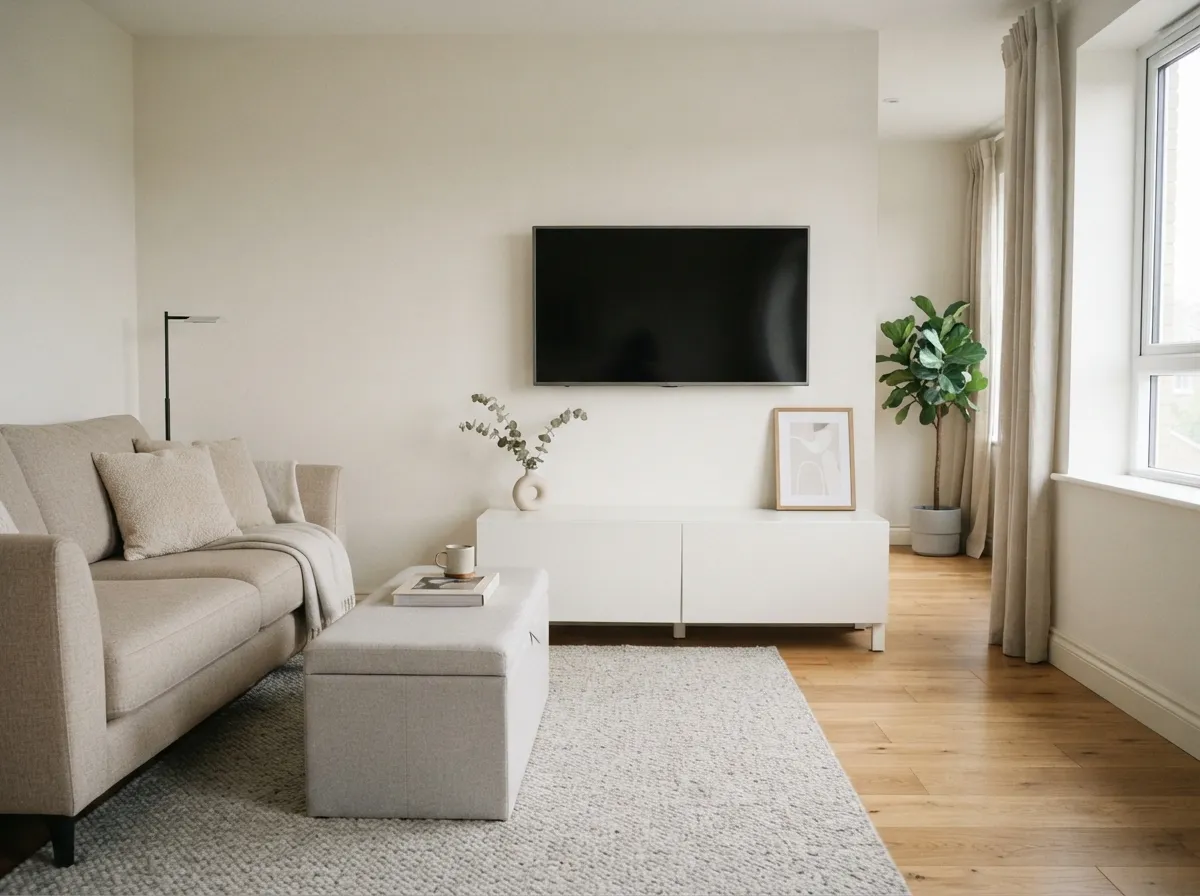
Maintaining a tidy, minimalist living room often hinges on effective storage. Incorporate pieces that offer hidden compartments to keep clutter out of sight.
Think about ottomans with lift-top storage, sleek TV consoles with closed drawers, or coffee tables featuring integrated shelves that can conceal remote controls and magazines. These solutions allow you to keep surfaces clear and visually uncluttered.
Choosing furniture with clean lines and a simple design ensures functionality blends seamlessly with your minimalist aesthetic. This helps create an inviting and organized environment.
10. Choose a Cohesive Color Palette
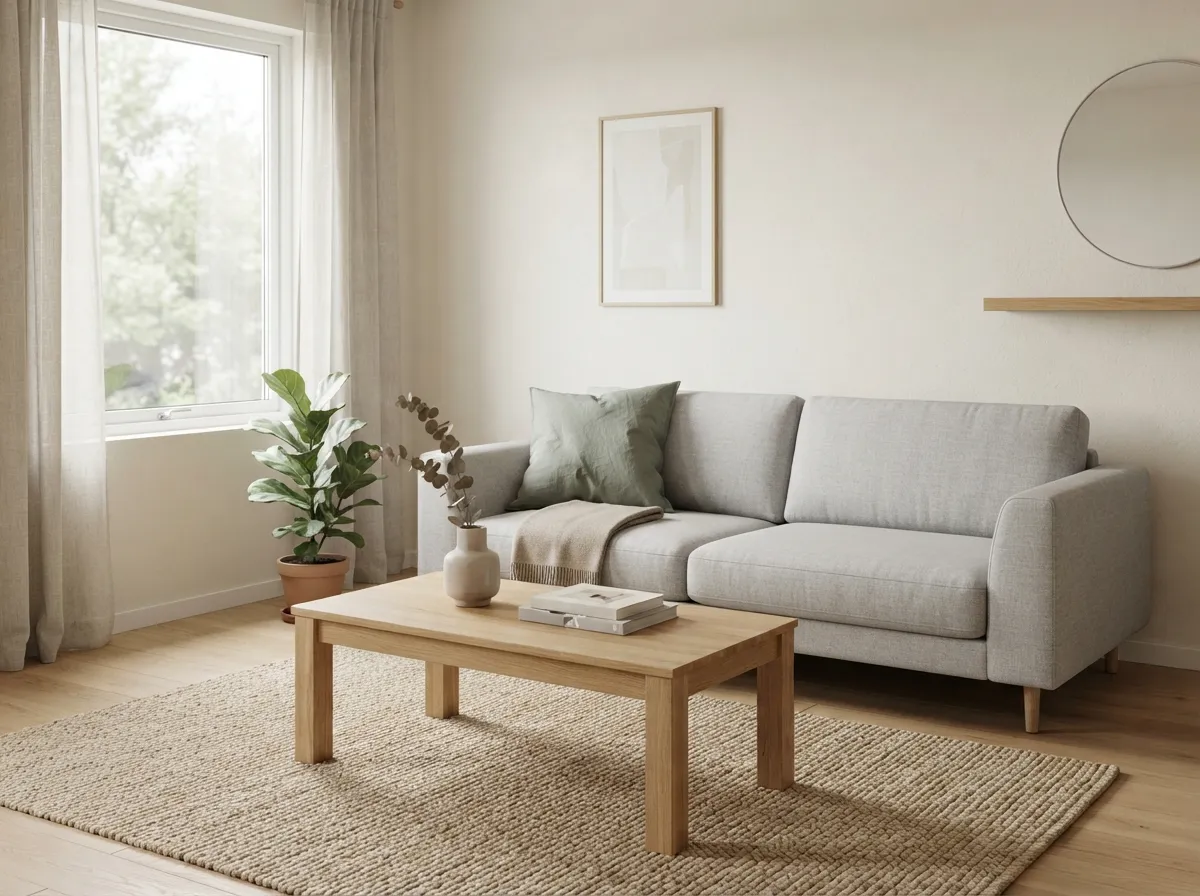
A harmonious color palette is fundamental to a minimalist living room. Limit your main colors to a few complementary shades to create a sense of calm and unity.
Start with a neutral base of whites, soft greys, or muted beiges for walls and larger furniture pieces. Introduce subtle variations through textures and natural materials.
You can then add a single, understated accent color, perhaps a soft green, dusty blue, or earthy terracotta, through throw pillows or a small decorative object. This controlled palette promotes a serene and cohesive atmosphere.
11. Introduce Subtle Textures for Warmth
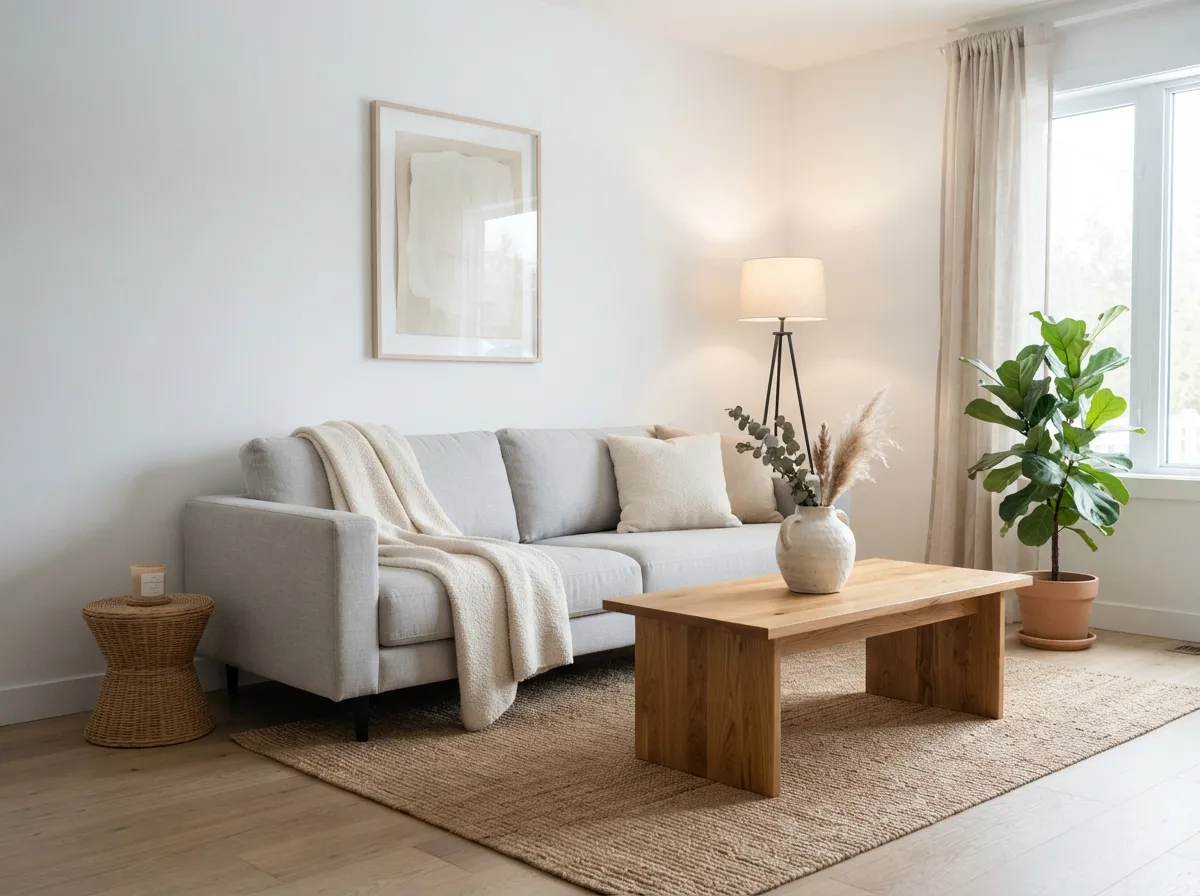
Even in a minimalist space, warmth is essential. You can achieve this without adding clutter by incorporating subtle textures into your living room.
Think about materials like a soft boucle, a finely woven linen, or even a natural jute. These elements add visual interest and depth to a room without overwhelming its clean lines.
12. Select One or Two Well-Placed Plants
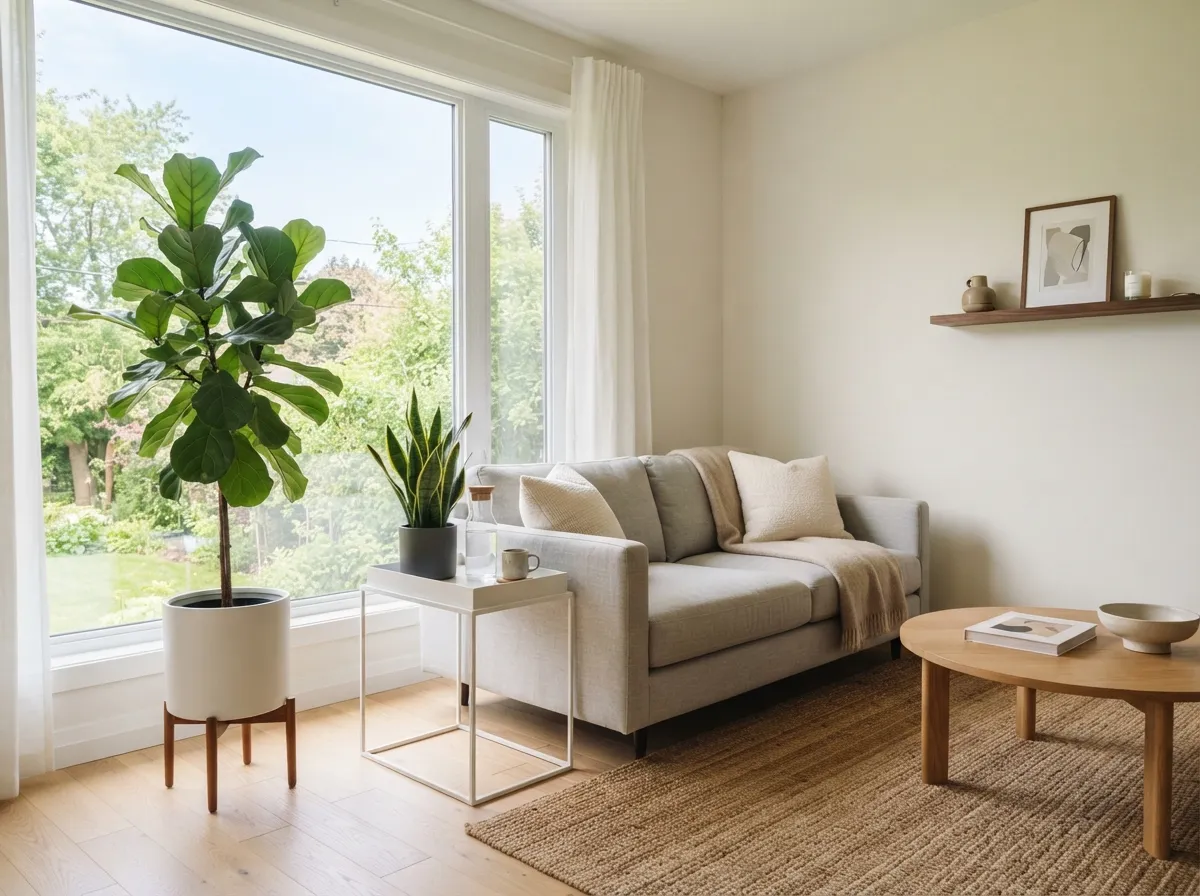
Plants bring an undeniable sense of life and freshness into any interior. For a minimalist approach, choose one or two striking, easy-care varieties.
A tall fiddle leaf fig or a smaller snake plant can add a beautiful organic touch.
13. Update Throw Pillows and Blankets
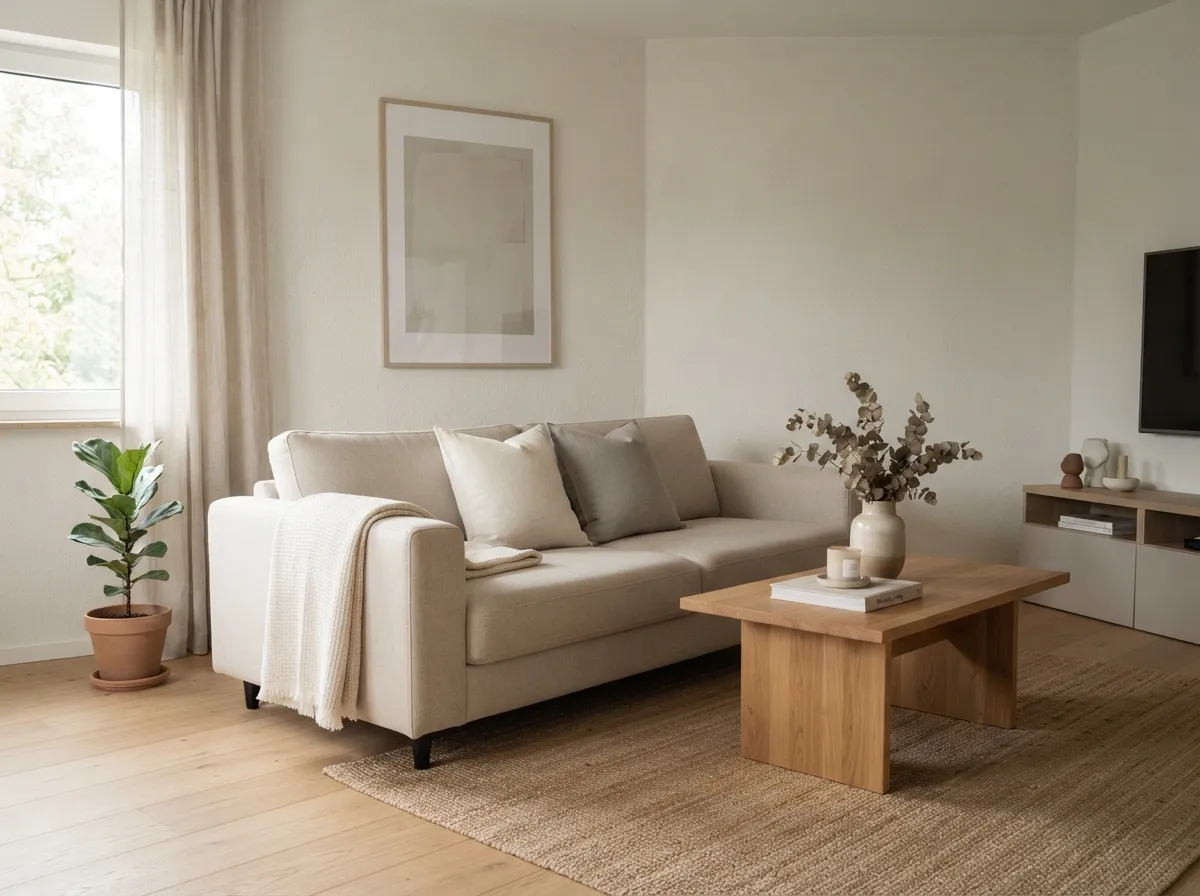
A quick and impactful update comes from refreshing your throw pillows and blankets. Opt for new covers in neutral tones like off-white, soft gray, or muted earth colors.
Look for subtle patterns or textural variations in linen or cotton. These items instantly elevate the comfort and visual appeal of your seating.
14. Swap Out a Tired Rug for a Fresh One
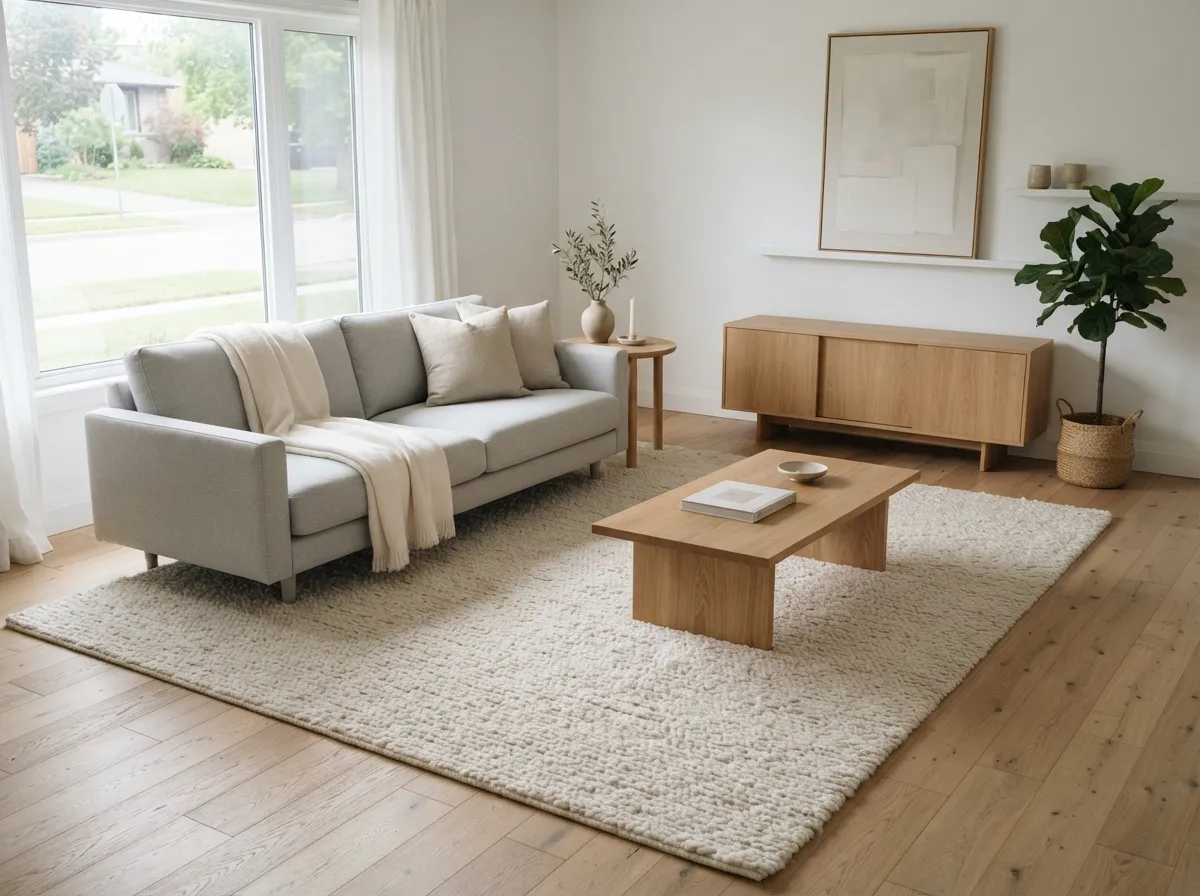
The rug often serves as the anchor for your living room’s seating area. Replacing an old, worn rug with a new one can dramatically change the feel of the space.
Consider natural fibers like wool or jute in a solid color or a very subtle geometric pattern. A fresh rug helps to define the zone and contributes to a renewed sense of neatness.
It’s a foundational change that impacts the entire room.
15. Reorganize Bookshelves by Color or Size
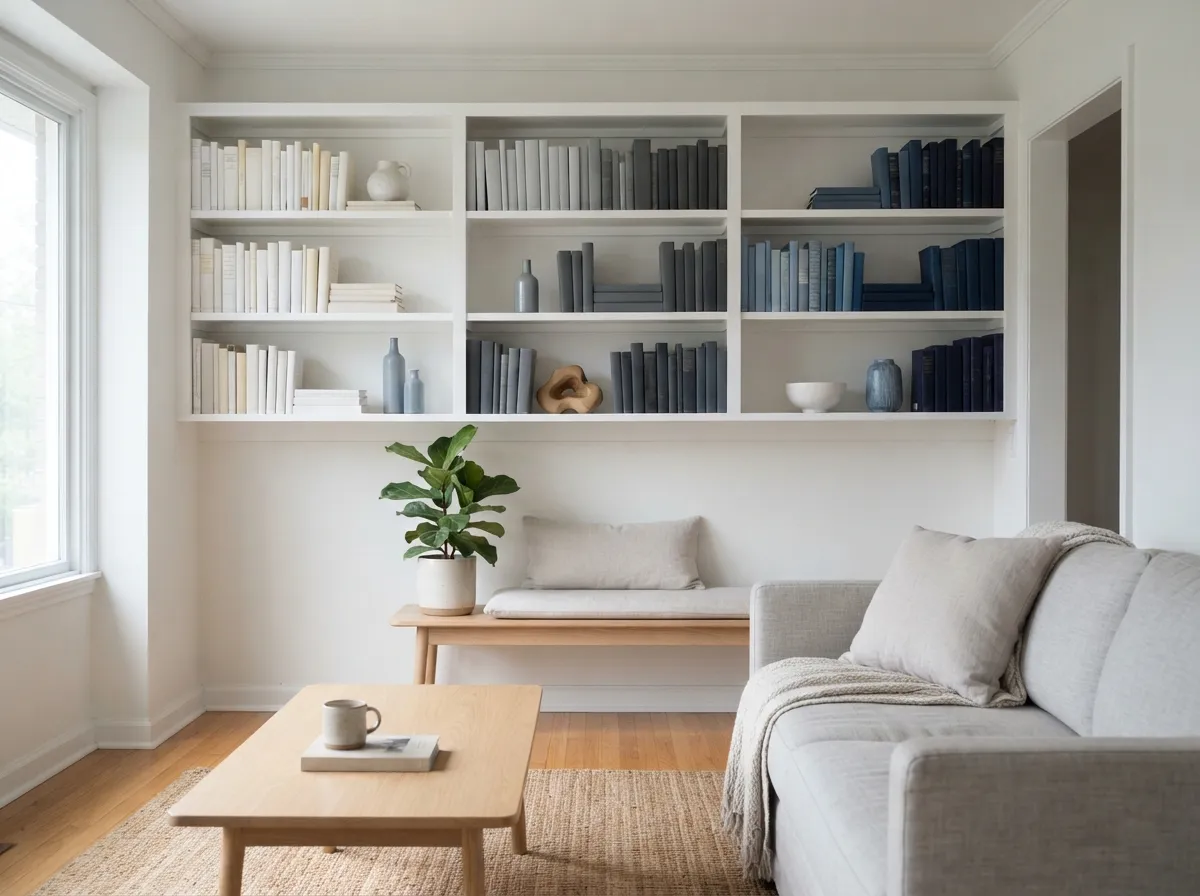
Bookshelves can quickly become a source of visual clutter. A weekend project that makes a significant difference is reorganizing your books.
Try arranging them by color, creating a rainbow effect or a monochromatic gradient. Alternatively, group them by size for a clean, aligned presentation.
Remember to leave some space between sections and only display a few carefully chosen decorative objects. This method turns your bookshelf into a curated feature, rather than just storage.
16. Hide Unsightly Cables and Wires
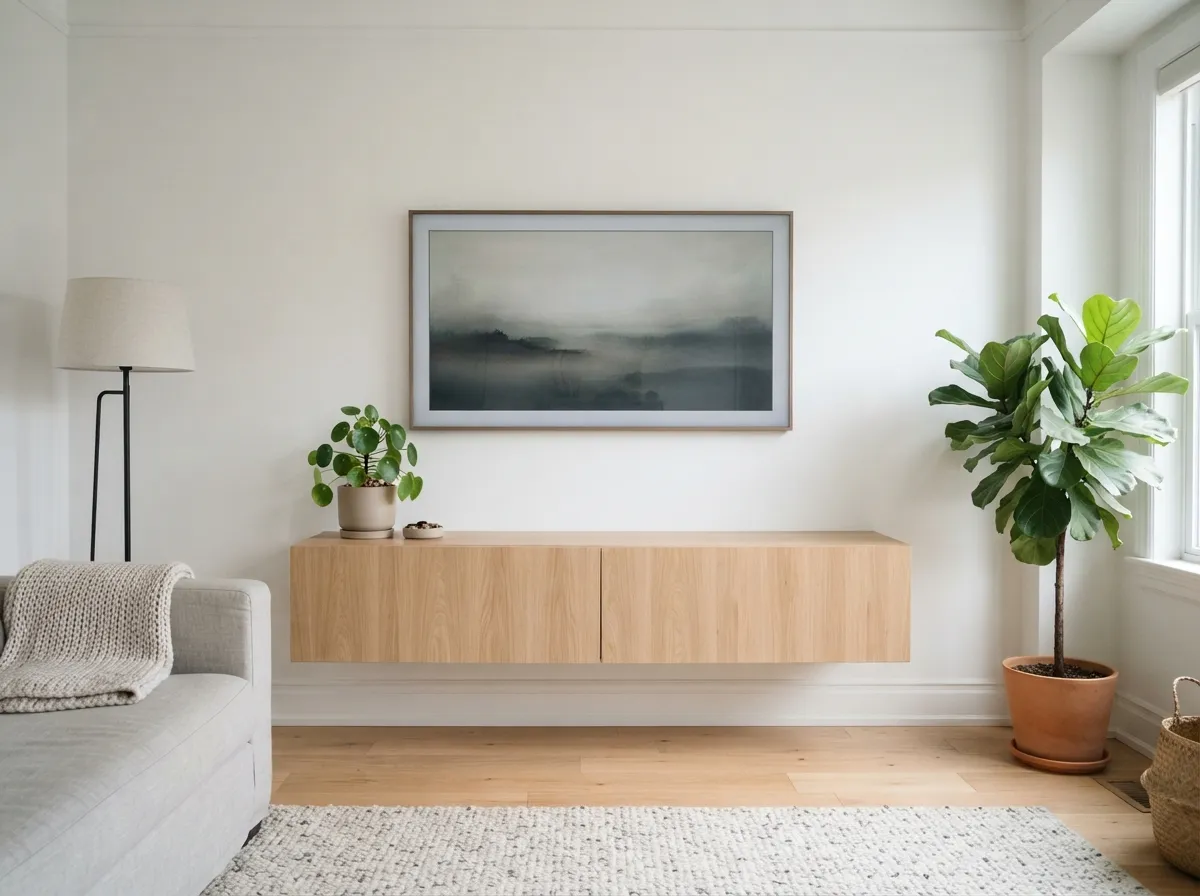
Visible cables and wires can instantly detract from the serene aesthetic of a minimalist living room. These small details often go unnoticed until they create a subtle sense of visual clutter.
Take a weekend to gather all loose cords from your entertainment center, lamps, and charging stations. Utilize simple cable management solutions.
Cable ties, sleeves, or discreet boxes can effectively bundle and conceal them. Running wires along baseboards or behind furniture also works wonders.
Achieving a clean, unbroken line across your floor and walls significantly enhances the room’s calm and composed atmosphere.
17. Place Strategic Accent Lighting
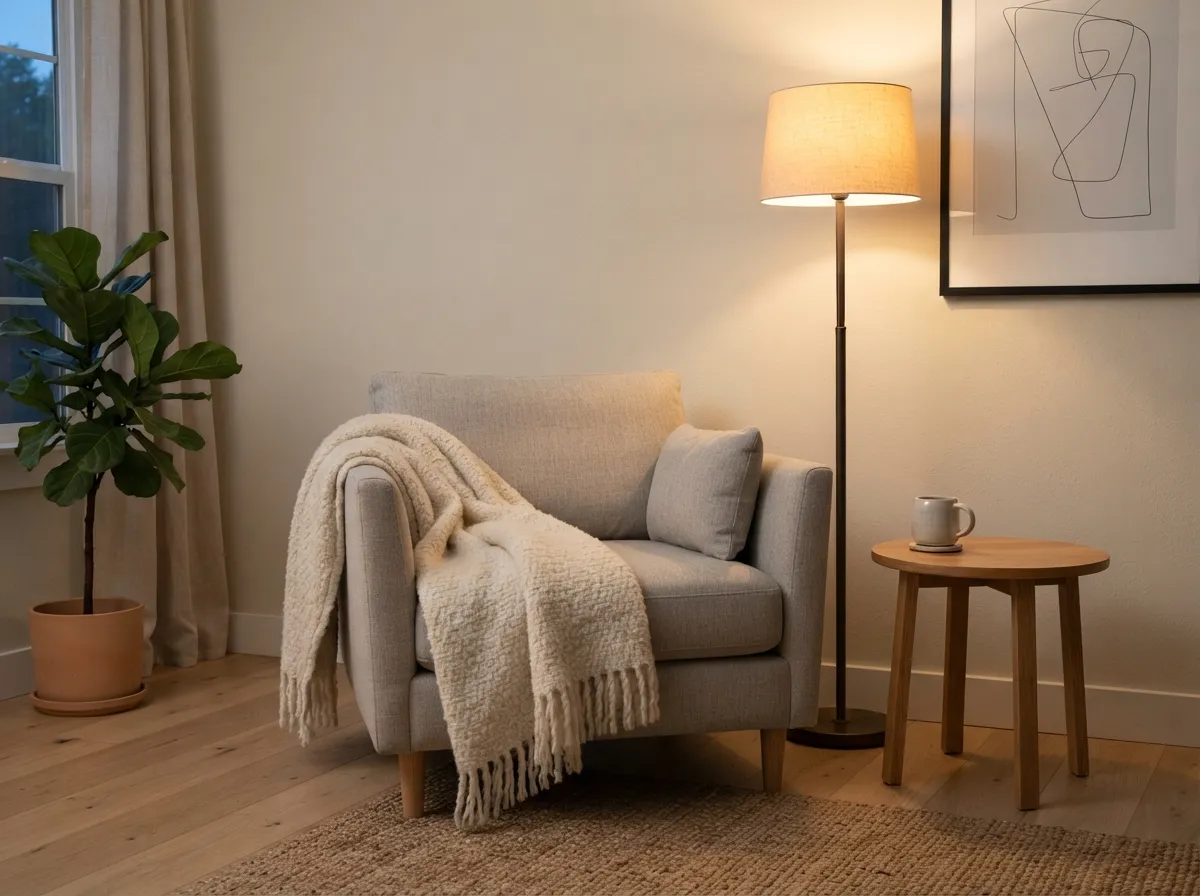
Accent lighting is key to creating depth and warmth in a minimalist space without adding unnecessary items. It guides the eye and highlights specific features, fostering an inviting ambiance.
Consider adding a sleek floor lamp beside an armchair or a small table lamp on a side table. Choose fixtures with clean lines and understated designs that complement your existing decor.
Warm white or soft yellow light creates a cozy glow, making the room feel more welcoming. This strategic placement helps to define zones within the open-plan layout.
It adds a layer of sophistication and comfort, making your living area feel perfectly curated and thoughtfully lit.
18. Refresh Coffee Table Styling
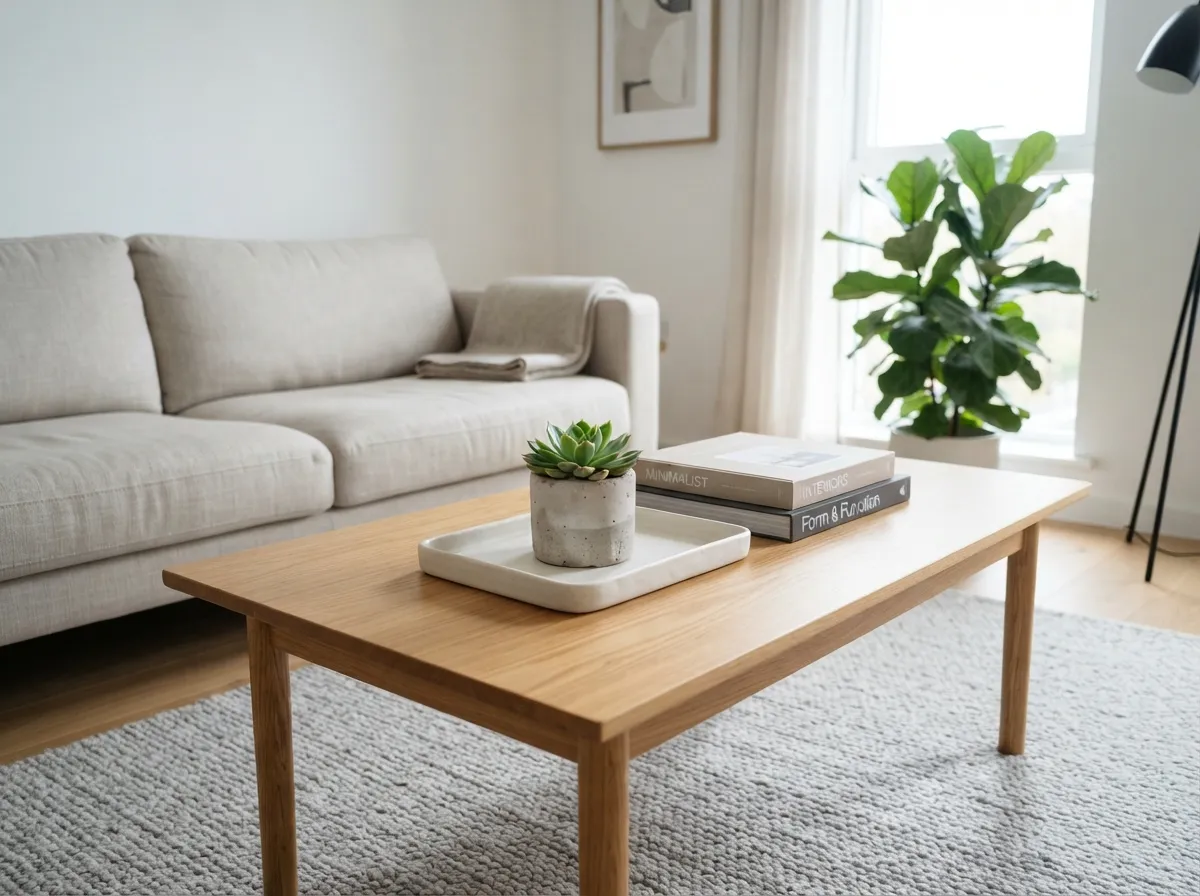
Your coffee table often serves as a central focal point, making its styling crucial for a minimalist aesthetic. Begin by removing everything and then reintroduce items with intention.
Opt for a curated selection of just two or three items. A small decorative tray can anchor these pieces, preventing them from looking scattered.
Consider a beautiful design book, a subtle ceramic coaster, and a single, small potted plant or a minimalist vase with a few dried stems. These elements should harmonize in color and texture.
This thoughtful approach ensures your coffee table remains functional and visually appealing without becoming a magnet for clutter.
19. Clear All Horizontal Surfaces
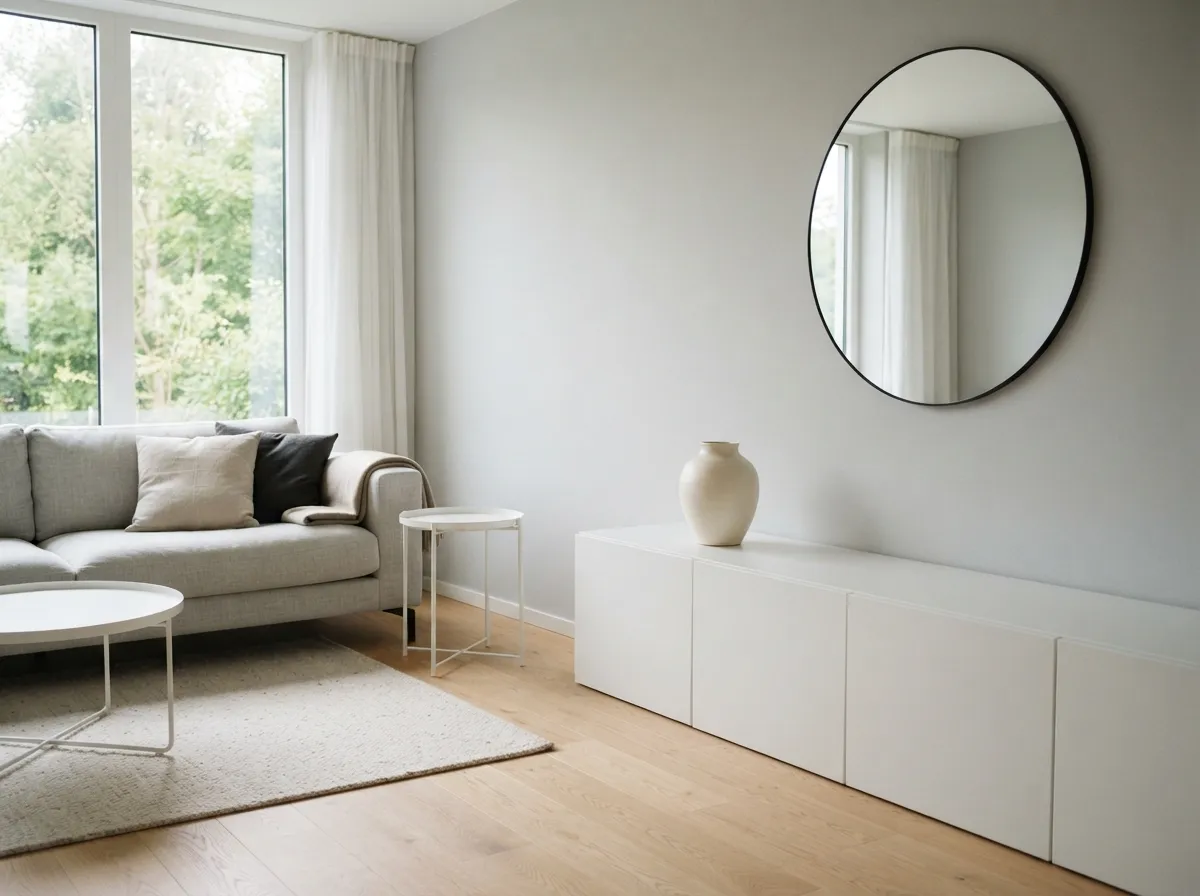
The most fundamental principle of minimalist design is clear horizontal surfaces. This instantly creates a sense of spaciousness and calm, inviting the eye to rest.
Walk through your living room and remove every item from shelves, side tables, mantels, and window sills. Ask yourself if each item truly serves a purpose or brings joy.
Only return the most essential or cherished pieces, ensuring they have adequate breathing room. The goal is to let the architecture and furniture speak for themselves.
Embrace the beauty of empty space; it is a powerful design element in itself.
20. Group Small Decorative Items Intentionally
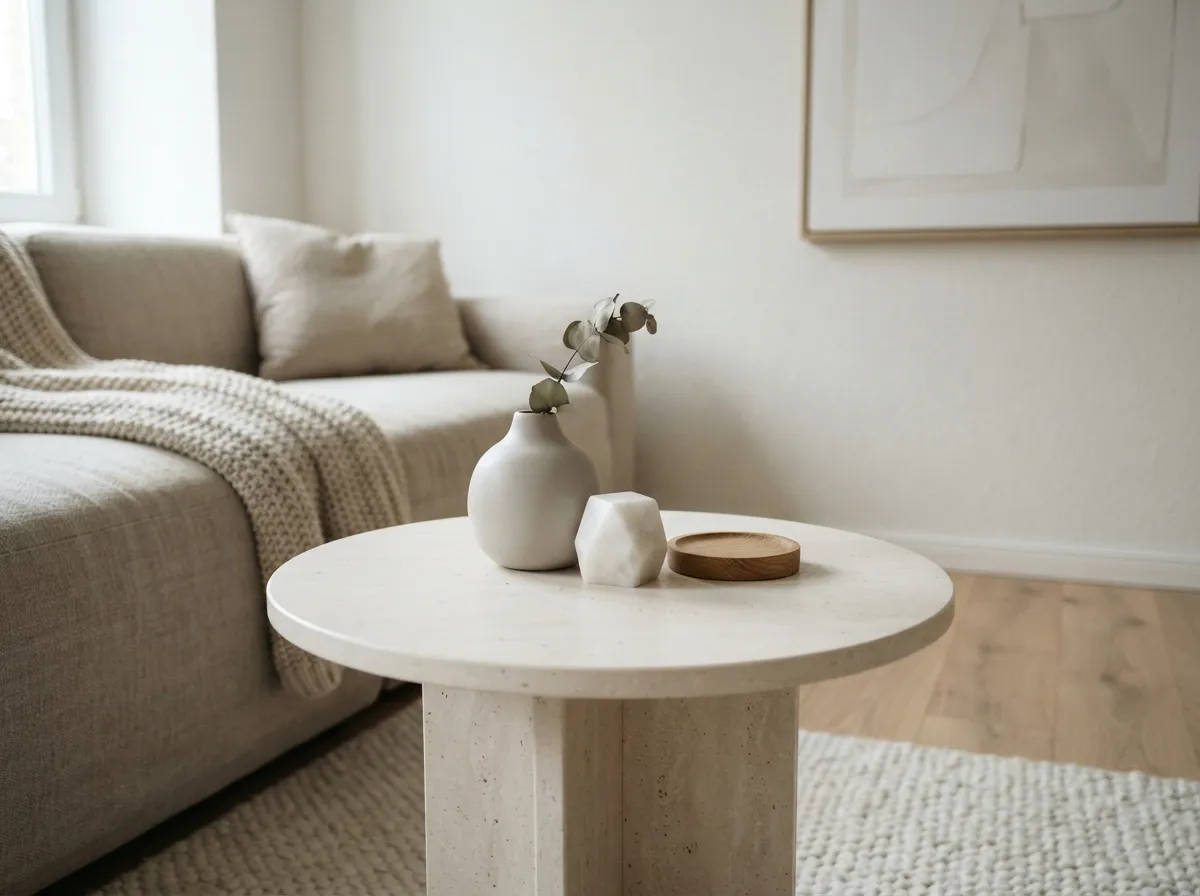
Scattered small decorative items can quickly make a minimalist space feel busy rather than serene. The key is to group them intentionally, creating cohesive vignettes.
Instead of placing individual pieces across different surfaces, gather them into clusters. Think in odd numbers, like three or five, for visual balance.
Arrange items with similar textures, colors, or themes together on a small tray or a defined section of a shelf. This creates a stronger visual impact than individual pieces.
This method transforms potential clutter into thoughtful, artistic displays, maintaining the streamlined aesthetic of your living room.
21. Move Furniture Away From Walls
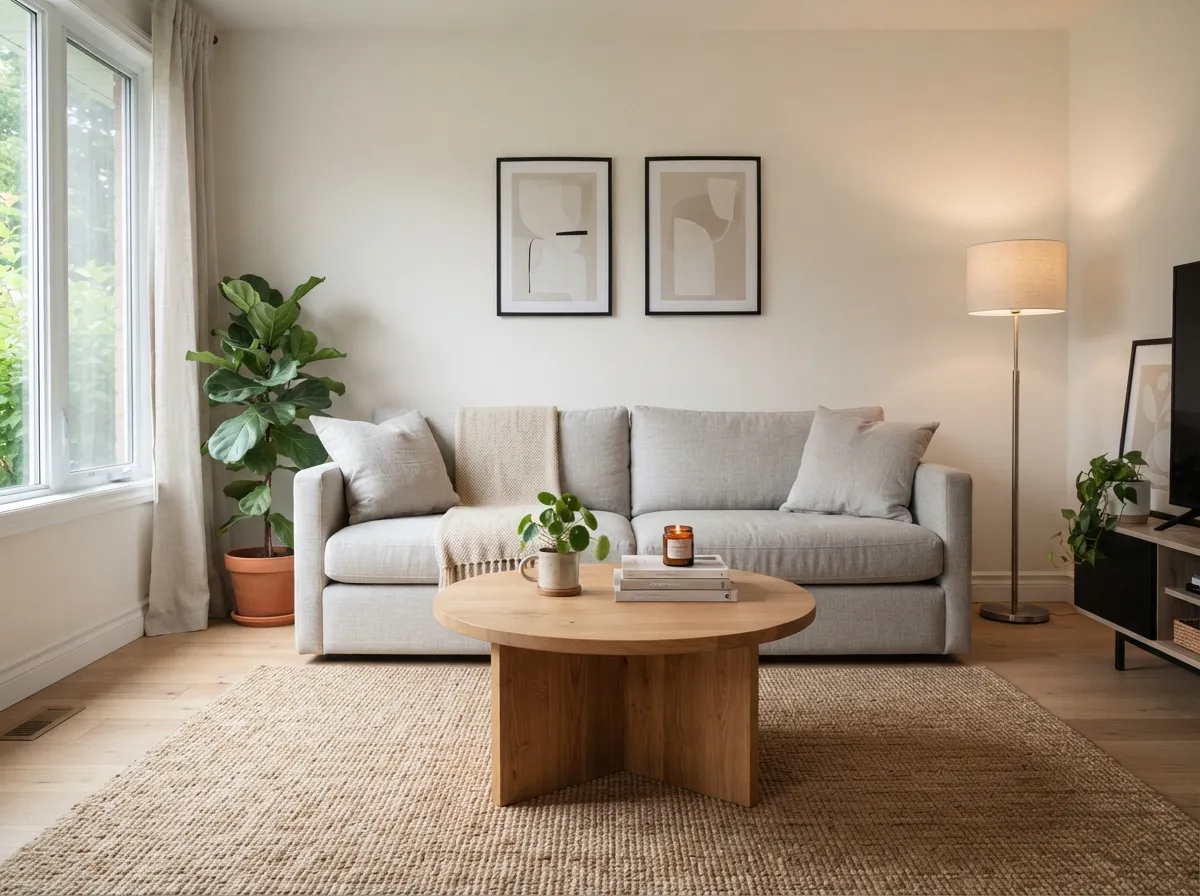
Creating a bit of breathing room by pulling your furniture slightly away from the walls can dramatically alter a living room’s feel. This simple adjustment instantly makes the space appear larger and more inviting, fostering a sense of flow.
Consider arranging your main seating, like a comfortable, light gray sofa, a few inches off the wall. This subtle shift can define conversation zones, making the room feel more cohesive.
It encourages better movement within the area, preventing a rigid, boxy appearance. The neutral color palette of the room, combined with a natural light wood coffee table, further enhances this open and airy ambiance.
Such a minor tweak truly allows the room to exhale, showcasing its inherent design rather than just its boundaries.
22. Use Decorative Trays to Contain Clutter
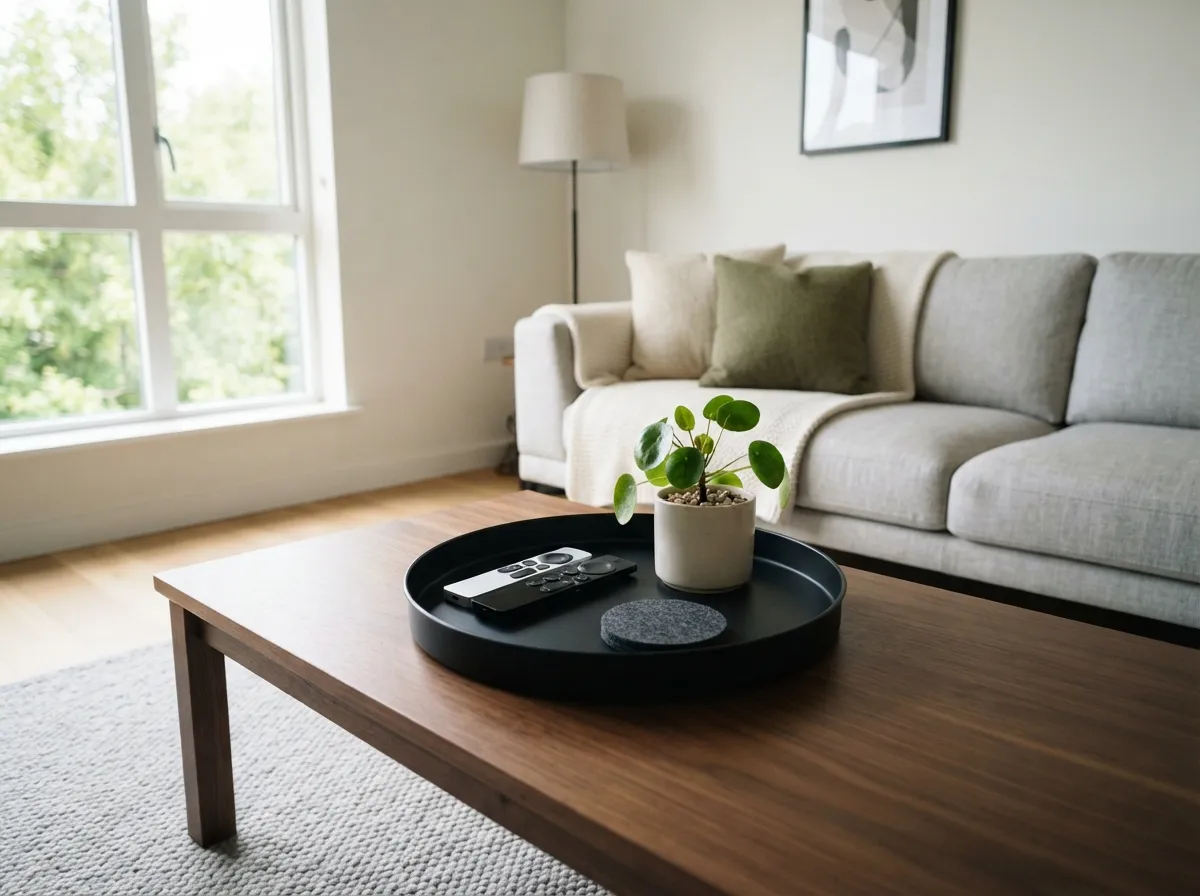
Even in a minimalist space, small items can accumulate and disrupt the visual calm. Decorative trays offer an elegant solution to gather these everyday essentials into a neat, contained display.
Place a stylish tray on your coffee table or a side console. A round, matte black metal tray, for instance, can artfully hold remote controls, a small plant, and a coaster, instantly tidying the surface.
This simple addition reduces visual noise and gives a designated ‘home’ to items that might otherwise look haphazard. It introduces a subtle layer of texture and intentionality without adding actual clutter.
The surrounding clean lines of the room benefit immensely from this focused organization. It’s a small detail that makes a significant impact on maintaining an orderly, minimalist aesthetic.
23. Introduce a Personal, Meaningful Item
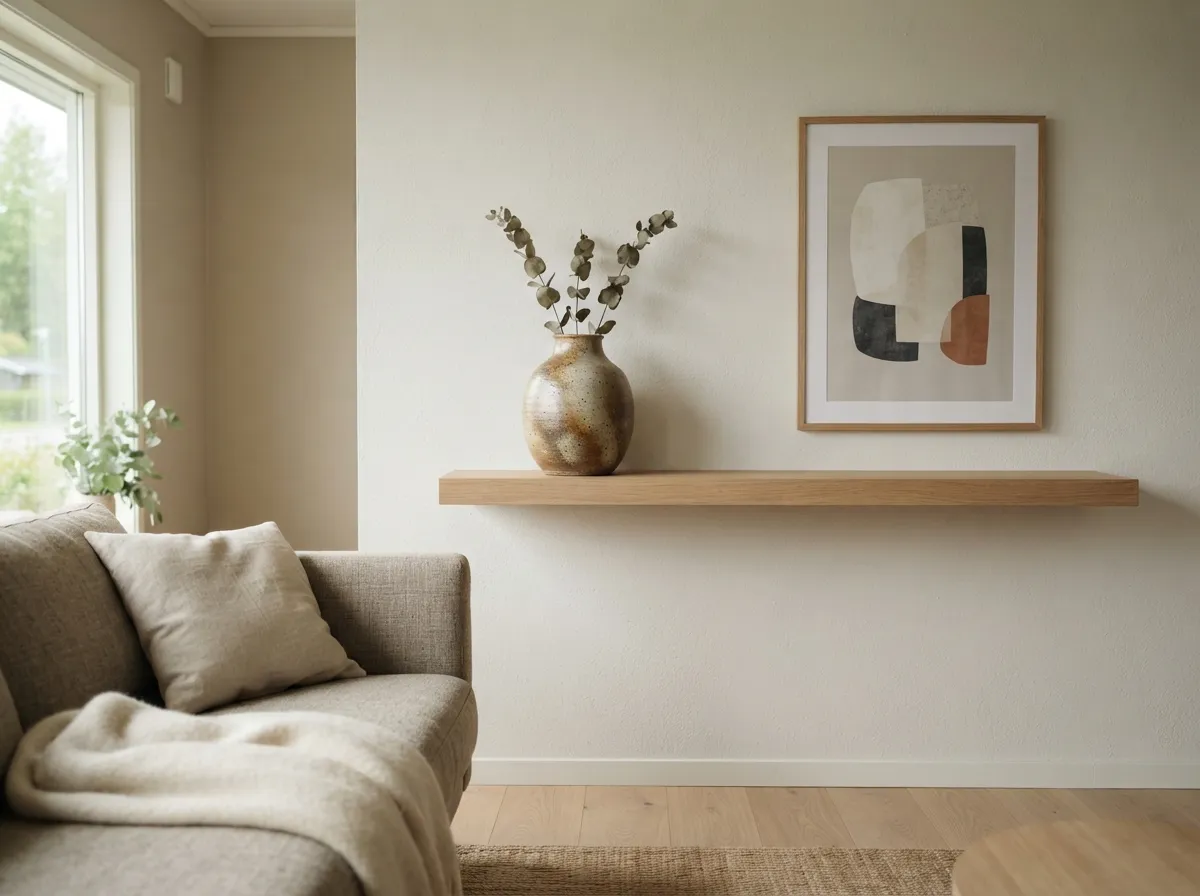
Minimalism doesn’t equate to a sterile environment; it’s about intentionality and curation. Introducing one or two truly personal and meaningful items can imbue your living room with warmth and character without adding clutter.
Consider displaying a handcrafted ceramic vase with subtle earthy tones on a light oak floating shelf. This piece tells a story and adds a unique, artisanal touch.
Alongside it, a single framed abstract art print on the wall can reflect your taste and personality. These elements are chosen for their significance, not just their decorative value.
Such thoughtful inclusions create a space that feels deeply personal and authentic, grounding the minimalist design with a touch of soul.
24. Repurpose Existing Decor Creatively
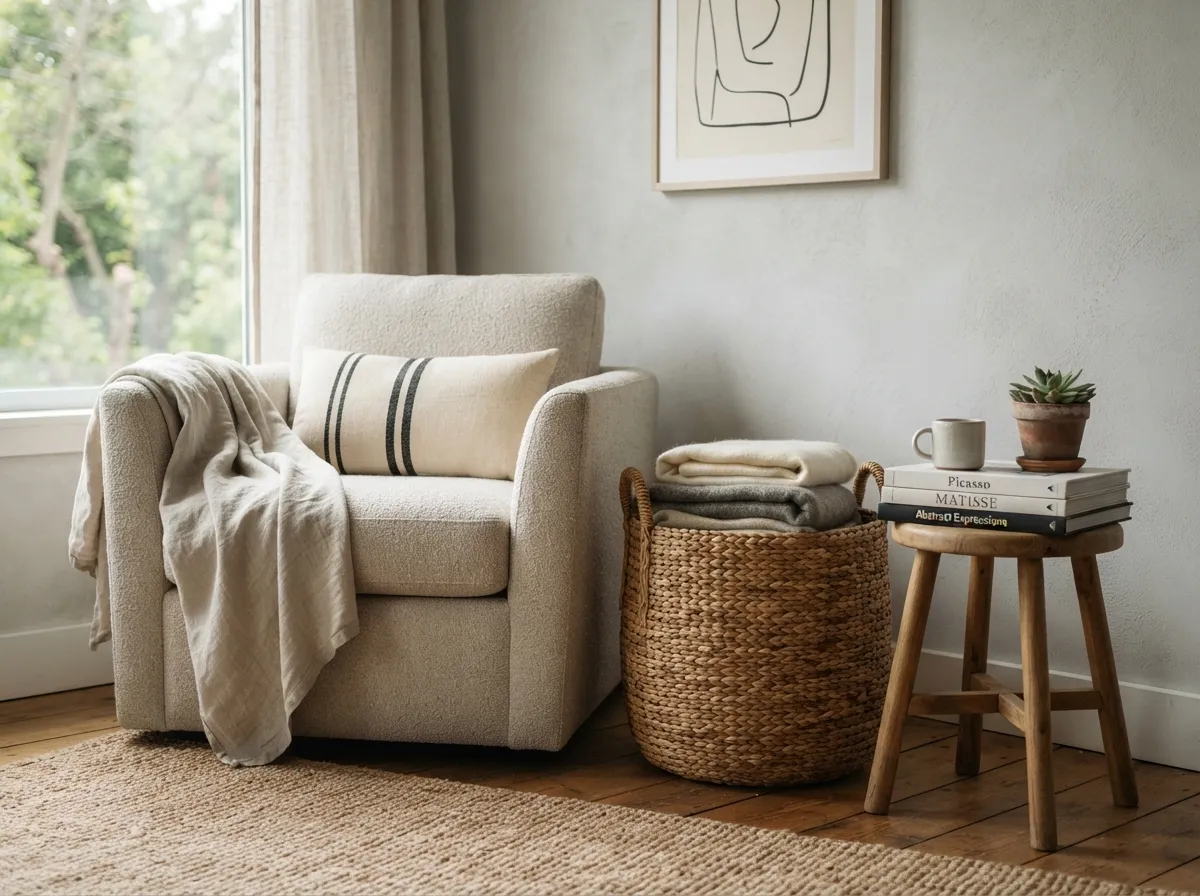
Before buying new items, look at your current decor with fresh eyes. Repurposing existing pieces is an ingenious way to refresh your space and uphold minimalist principles by utilizing what you already own.
A large, natural woven basket, perhaps originally for laundry, can become a stylish holder for neatly folded throw blankets beside an armchair. This adds texture and practical storage.
Similarly, a small, simple wooden stool can easily serve as a makeshift side table, perhaps holding a stack of art books to create a sculptural element. Such inventive uses save money and reduce waste.
This approach not only enhances functionality but also injects a unique, personal character into your minimalist living room.
25. Give the Room a Thorough Deep Clean
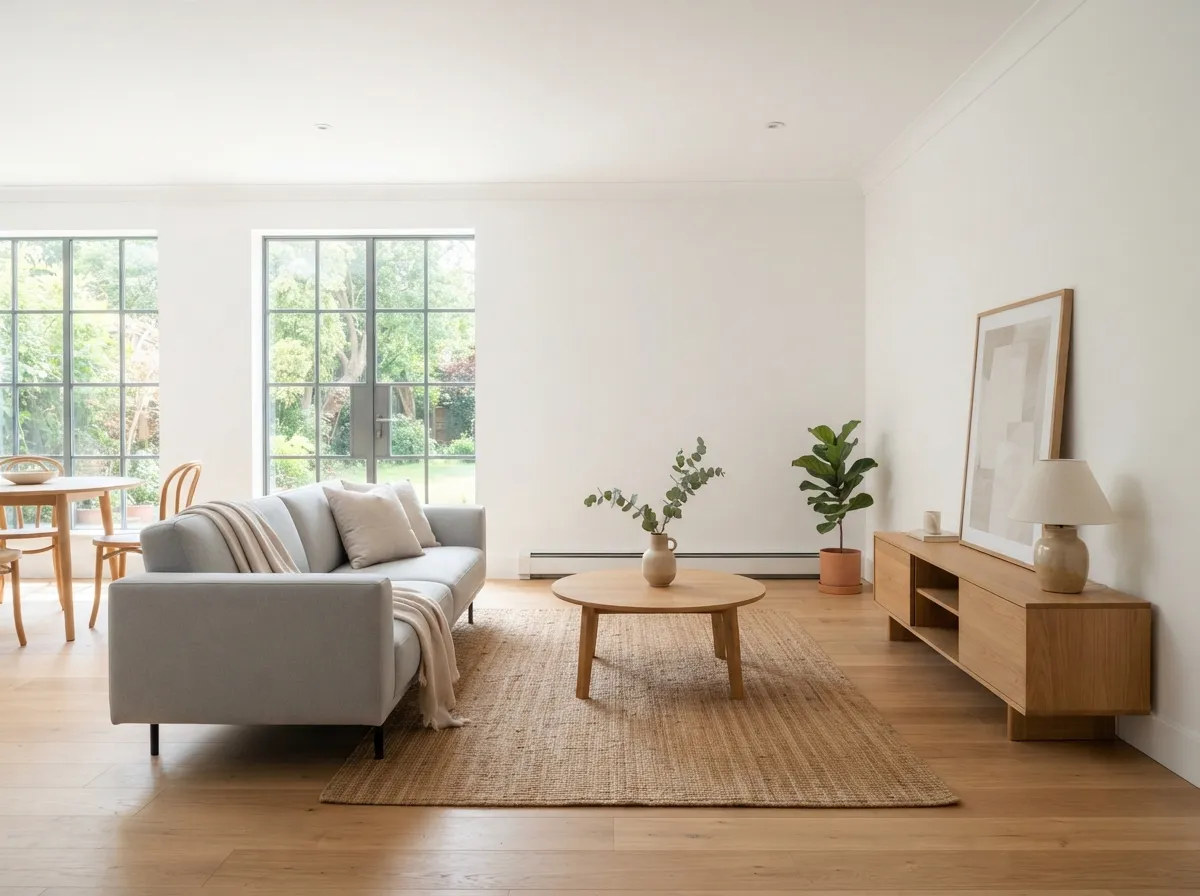
The most fundamental yet impactful minimalist update is a thorough deep clean. A truly clean space immediately feels lighter, fresher, and more expansive, allowing the carefully chosen elements to shine.
Dedicate time to dusting all surfaces, vacuuming every corner, and wiping down baseboards. Cleaning windows until they gleam will let in maximum natural light, instantly brightening the room.
This process enhances the sense of calm and order that defines minimalist living. It’s not just about tidiness; it’s about creating an atmosphere of pristine tranquility.
Returning to a sparkling clean room reinforces the visual clarity and peacefulness. It’s the ultimate refresh, costing nothing but your time and effort.
With these 25 simple ideas, your minimalist living room can feel brand new in a single weekend. Embrace the power of thoughtful placement and subtle updates to create a tranquil, functional space that truly reflects your style, proving that significant change doesn’t require a big budget or extensive renovation.